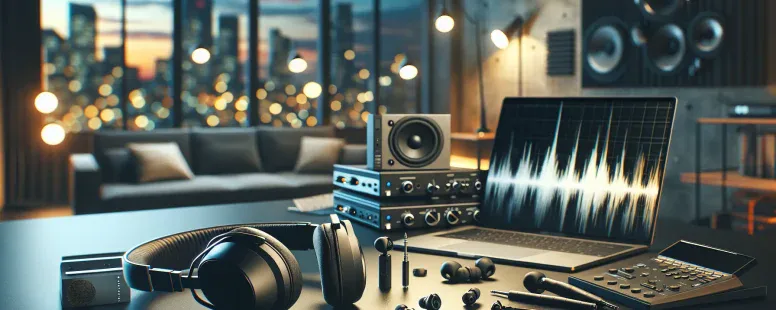
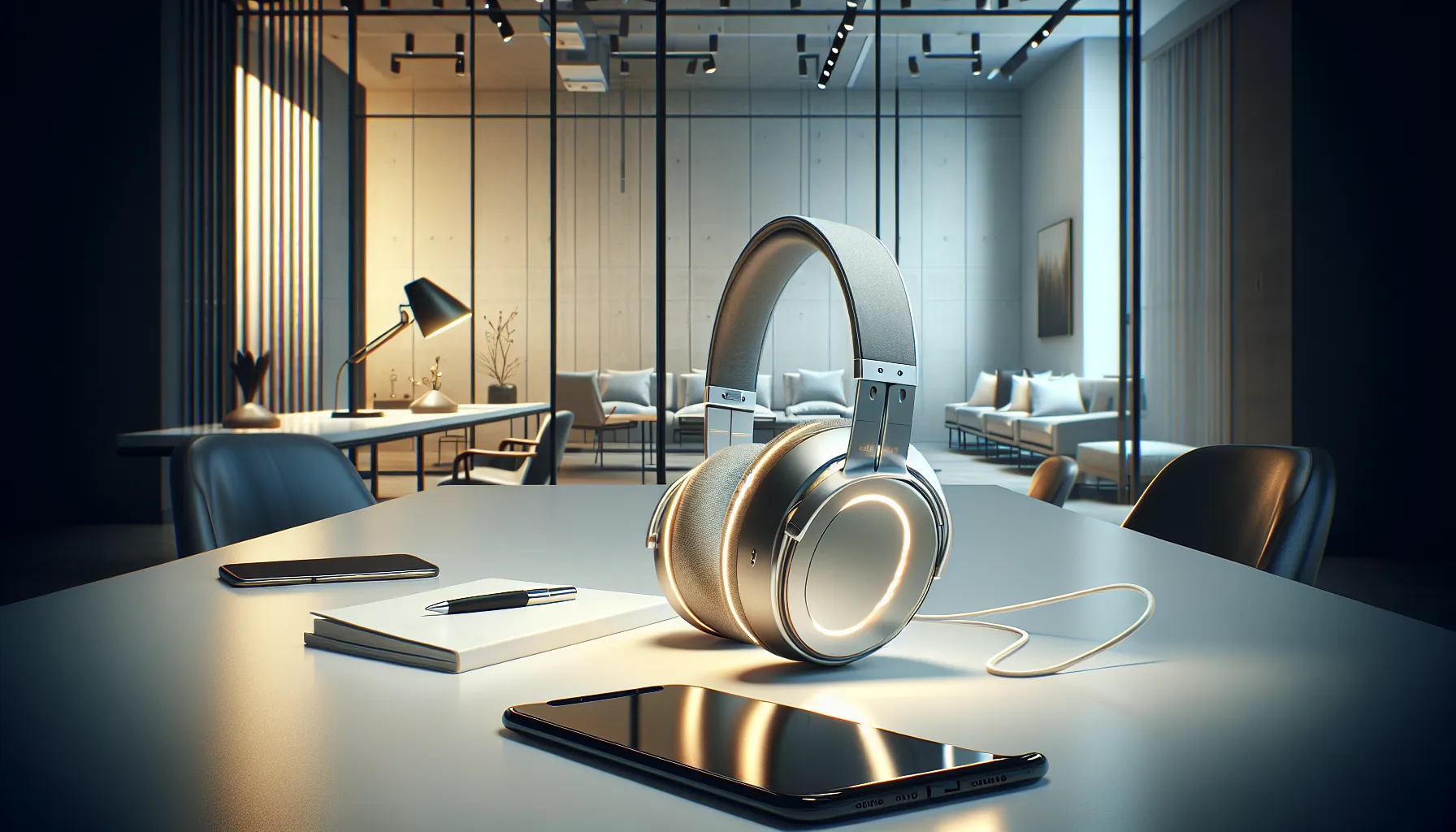
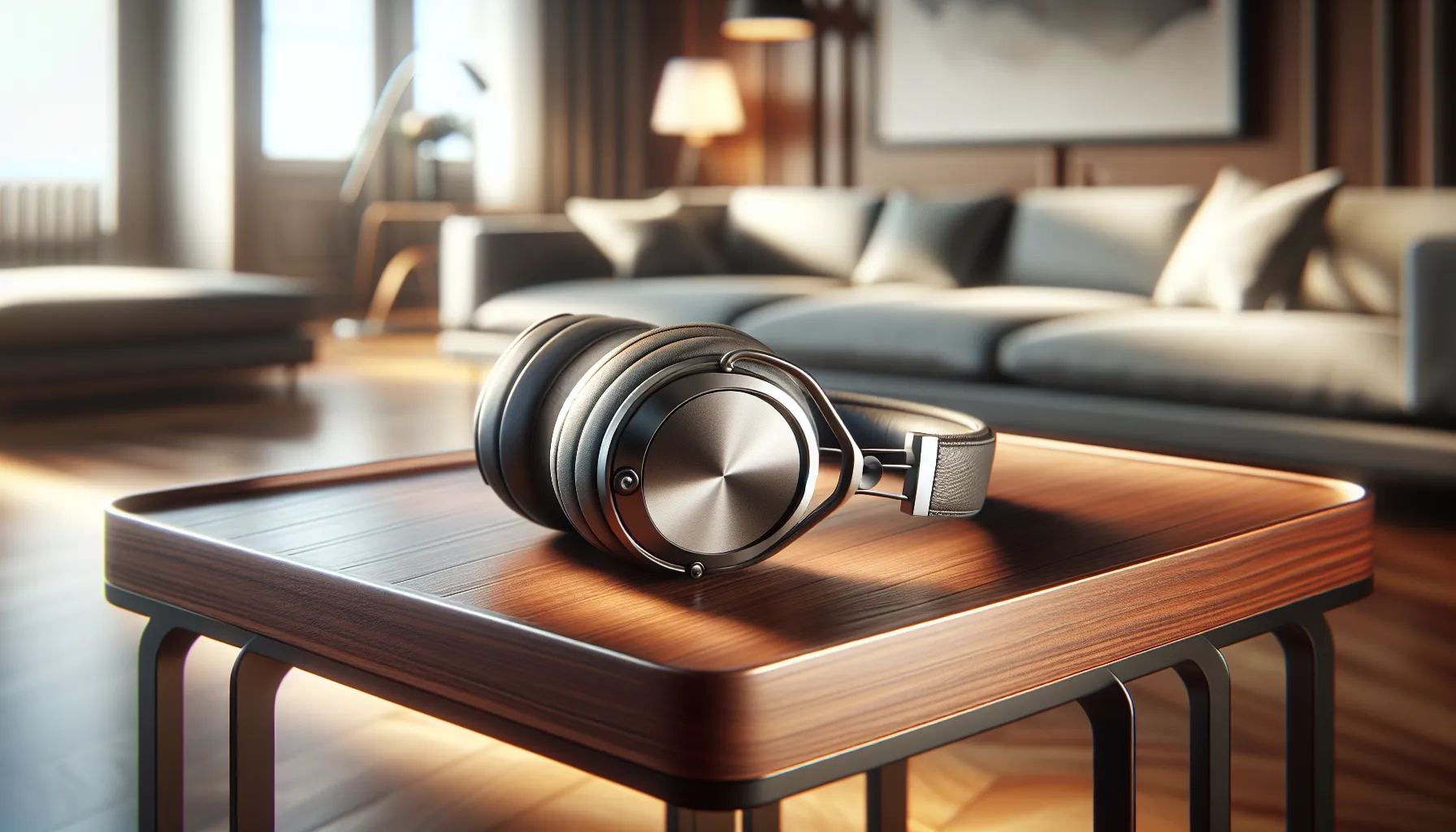
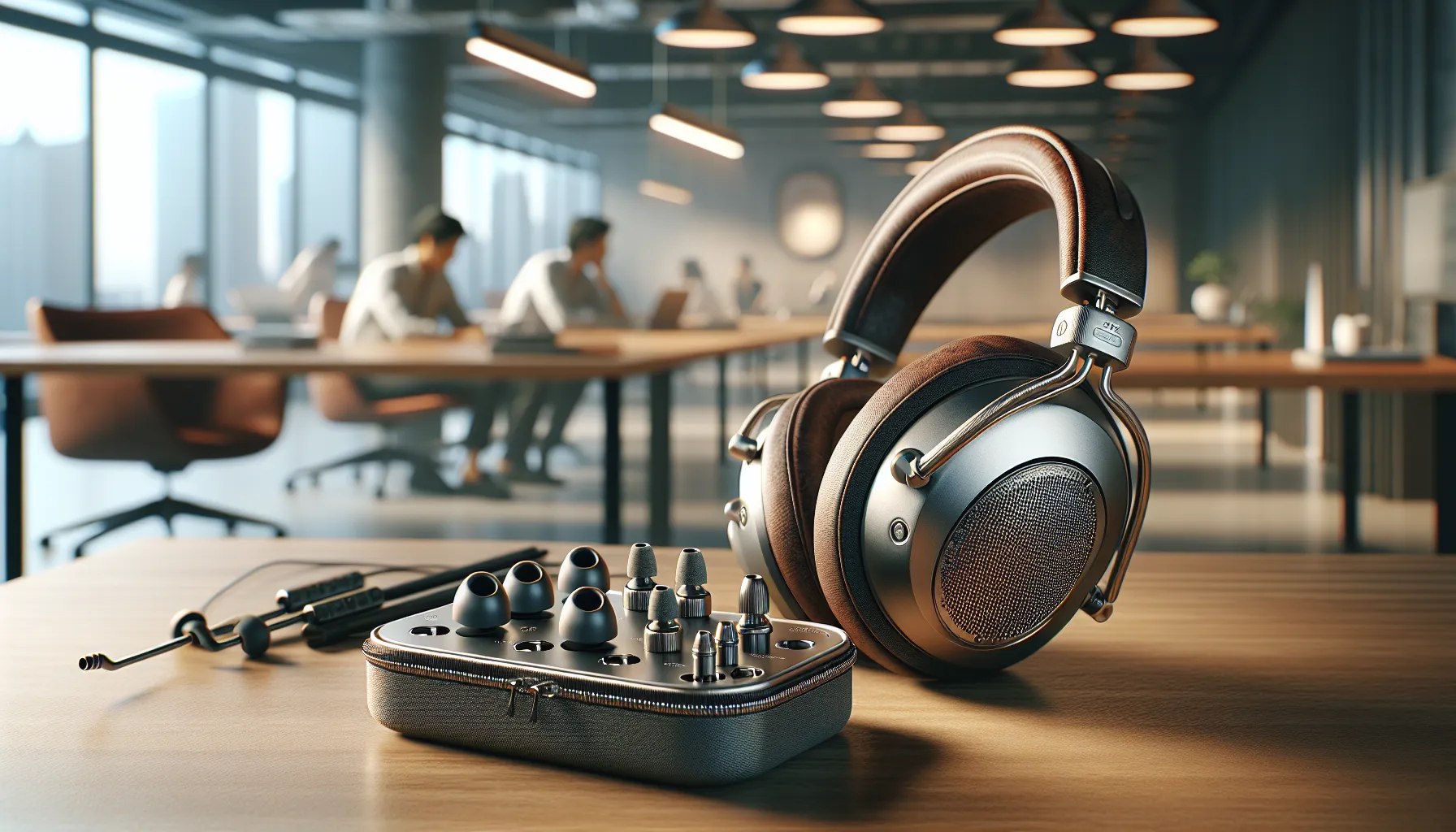
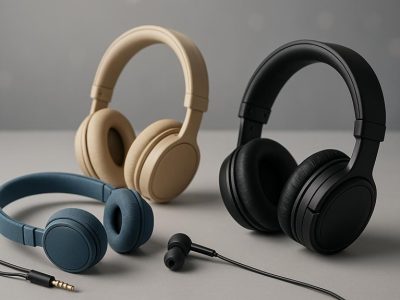
In the ever-evolving world of audio technology, distinguishing between the features and capabilities of various headphones can be daunting. Among the most discussed types are noise cancelling and noise isolating headphones. Each offers unique benefits and employs a distinct approach to provide an immersive listening experience. How can you determine which option is better suited to your needs? Let’s explore the differences, advantages, and considerations to guide your choice.
Understanding Noise Cancelling Headphones
How Noise Cancelling Technology Works
Noise cancelling headphones use advanced electronic systems to diminish unwanted ambient sounds. Their built-in microphones detect external noise, and the headphones generate sound waves of inverse polarity to cancel it out effectively. This phenomenon, known as active noise cancellation (ANC), enables you to enjoy clearer audio even in noisy environments.
Advantages of Noise Cancelling Headphones
Noise cancelling headphones excel in creating quiet personal spaces, ideal for traveling, noisy workplaces, or studying. They significantly reduce fatigue caused by prolonged exposure to environmental noise. Besides, their ability to enhance audio clarity makes them a preferred choice by audiophiles and professionals alike.
Potential Drawbacks of Noise Cancelling Technology
While highly effective, ANC headphones often rely on battery power, requiring regular recharging. Also, their sophisticated technology may contribute to a higher price point. Occasionally, users may perceive a slight ear pressure sensation due to the active cancellation system.
Exploring Noise Isolating Headphones
The Mechanics of Noise Isolation
Noise isolating headphones work passively by forming a physical barrier that blocks external sounds. Their snug-fitting ear cups or in-ear tips create a seal, diminishing environmental noise without utilizing electronic systems.
Benefits of Noise Isolating Headphones
One significant benefit of noise isolating headphones is their simplicity, they don’t require batteries or active systems. This makes them lightweight and more affordable compared to their counterparts. Also, high-quality noise isolating models can offer excellent sound quality and physical comfort.
Considerations When Choosing Noise Isolating Models
When selecting noise isolating headphones, it’s crucial to ensure a proper fit for maximum isolation and comfort. Try on different models to find the one that best aligns with your preferences in build materials, design, and price range.
Side-by-Side Comparison: Which Is Right for You?
Effectiveness in Reducing Background Noise
Noise cancelling headphones are highly effective in reducing consistent, low-frequency ambient sounds, such as airplane engines or air conditioning hums. In contrast, noise isolating headphones excel in blocking high-frequency, non-continuous noises like nearby conversations.
Suitability for Different Environments
If you frequently find yourself in environments with steady background noise, the ANC feature is indispensable and worth the investment. Conversely, noise isolating headphones are more suitable for variable or short-duration uses, especially if convenience and portability are your priorities.
To provide the best experiences, we use technologies like cookies to store and/or access device information. Consenting to these technologies will allow us to process data such as browsing behaviour or unique IDs on this site. Not consenting or withdrawing consent, may adversely affect certain features and functions.
Functional
Always active
The technical storage or access is strictly necessary for the legitimate purpose of enabling the use of a specific service explicitly requested by the subscriber or user, or for the sole purpose of carrying out the transmission of a communication over an electronic communications network.
Preferences
The technical storage or access is necessary for the legitimate purpose of storing preferences that are not requested by the subscriber or user.
Statistics
The technical storage or access that is used exclusively for statistical purposes.The technical storage or access that is used exclusively for anonymous statistical purposes. Without a subpoena, voluntary compliance on the part of your Internet Service Provider, or additional records from a third party, information stored or retrieved for this purpose alone cannot usually be used to identify you.
Marketing
The technical storage or access is required to create user profiles to send advertising, or to track the user on a website or across several websites for similar marketing purposes.