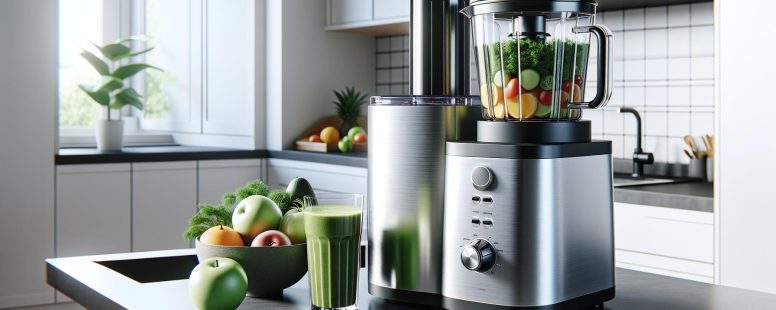
Imagine starting your day with a glass of vibrant, freshly squeezed juice or a creamy, nutrient-packed smoothie. Both sound enticing, don’t they? Whether you’re chasing a health kick or just looking to spice up your kitchen game, choosing between a juicer and a blender can feel like standing at a crossroads. Each promises to transform fruits and veggies into something magical—but which one truly fits your lifestyle?
Juicers extract liquid gold, leaving behind pulp for a silky, concentrated drink, while blenders whip up thick, fiber-rich creations bursting with texture. The decision isn’t just about taste; it’s about how you fuel your body and what you crave in every sip. So, how do you decide? Let’s jump into the unique benefits of each to help you find the perfect match for your health goals and daily routine.
Understanding Juicers And Blenders
Making informed choices between juicers and blenders involves understanding their core functions and outputs. Each appliance caters to specific needs, depending on your dietary goals and preferences.
What Is A Juicer?
A juicer extracts liquid from fruits and vegetables, separating it from the pulp. This process yields a smooth beverage with concentrated nutrients. Juicers are ideal for individuals prioritizing vitamin intake, as they remove insoluble fiber that might slow nutrient absorption.
There are two main types: centrifugal juicers and masticating juicers. Centrifugal models use high-speed spinning blades, best-suited for quick use but less effective with leafy greens like spinach or kale. Masticating juicers, which operate at slower speeds, crush produce for a higher juice yield and are more efficient with fibrous or dense items. For example, if you enjoy green juices, a masticating juicer provides better results.
Some juicers include multiple attachments for diverse juicing methods. But, cleanup can be a downside, discouraging daily use for those with limited time.
What Is A Blender?
A blender processes entire fruits and vegetables into a thick, fiber-rich mixture. The blades pulverize ingredients without separating solids and liquids. This makes blenders better for smoothies, soups, or even nut butters. You retain all fiber for better digestion and prolonged satiety.
Blenders come in immersion and countertop designs. Countertop blenders typically include preset programs for smoothies or ice crushing, making them versatile for various recipes. Immersion blenders, which are handheld, work best for smaller batches, such as single-serve protein shakes.
High-speed blenders, like Vitamix or Blendtec models, can tackle harder items like seeds and frozen fruits. For instance, blending frozen berries with yogurt and spinach makes nutrient-packed smoothies. Blendtec Research (2021) indicates high-speed blenders enhance texture uniformity, especially for plant-based diets.
From simple shakes to elaborate sauces, the blender offers a dynamic range, though its thicker consistency may not appeal to everyone.
Key Differences Between Juicers And Blenders
Juicers and blenders may seem similar, yet they serve distinct purposes and cater to different dietary preferences. Understanding their differences is essential for choosing the right appliance based on your needs.
Nutrient Retention
Juicers extract liquid from fruits and vegetables, delivering highly concentrated nutrients without fiber. This allows for quicker absorption of vitamins and minerals into the bloodstream. But, the lack of fiber may lead to a faster spike in blood sugar levels in some cases. For example, juicing carrots or apples results in nutrient-rich beverages but removes insoluble fibers crucial for digestion.
Blenders retain all parts of the produce, including the fiber, making smoothies that promote satiety and regulate blood sugar levels more effectively. They break down entire fruits, seeds, and leafy greens into a uniform mixture. For instance, blending spinach with bananas and almond milk creates a fiber-packed, filling smoothie ideal for meal replacements or weight management. On the downside, some nutrients degrade slightly due to oxidation caused by blending at high speeds.
Texture And Consistency
Juicers produce smooth, pulp-free drinks with a watery consistency, making them appealing to those who prefer clear, easy-to-drink beverages. Orange juice made using a juicer feels more like store-bought juice, as there’s no texture to interfere with the drinking experience.
Blenders create thicker beverages with a substantial texture due to retained fiber. This makes smoothies heartier and more satiating compared to juices. For example, a blender can whip up a creamy strawberry-banana smoothie with chunks of fruit or nut butter for added richness. If you dislike a grainy or fibrous sensation while drinking, though, a blender may not suit your preferences.
Cleanup Process
Juicers involve complex parts, such as mesh screens and pulp containers, that often require extensive cleaning. Removing dried pulp can be time-consuming, especially if your juicer lacks dishwasher-safe components. For quick-juicing enthusiasts, a masticating juicer’s additional parts may feel like a hassle.
Blenders are generally simpler to clean since most have a detachable jar and blade assembly that washes quickly. A high-speed blender may only need a quick rinse with water and soap if cleaned immediately after use. If you’re blending sticky ingredients like dates or nut butters, residue might adhere to the jar’s inner walls, demanding more thorough washing.
Choosing Based On Your Needs
Choosing between a juicer and a blender depends on your health goals, taste preferences, and lifestyle. Tailor your decision to align with your specific requirements.
For Health Enthusiasts
If maximizing nutrient intake is your priority, a juicer suits your needs. Juicers extract liquid from fruits and vegetables, separating fiber to create a concentrated nutrient-dense beverage. This process supports quicker vitamin absorption. For instance, juicing carrots provides beta-carotene-rich drinks without the bulky texture. Centrifugal juicers work well for speed but underperform with leafy greens, whereas masticating juicers excel at extracting every drop.
But, fiber benefits digestion and regulates blood sugar levels, which blenders preserve when making smoothies. Blending spinach with bananas and almond milk, for example, results in a fiber-packed drink that promotes satiety. Examine whether your focus is on fast nutrient absorption or holistic wellness.
For Smoothie Lovers
If you enjoy rich, hearty beverages, a blender is the ideal choice. Blending keeps all parts of the ingredients combined, creating thick mixtures like smoothies and soups. High-speed blenders handle tough components like frozen fruits, seeds, and nuts, making them versatile for creativity in the kitchen. For example, you can blend frozen mixed berries with Greek yogurt and honey to create a nourishing breakfast smoothie.
Blenders also cater to variety. Countertop models typically include settings for crushing ice or making purees, enhancing functionality. Immersion blenders work for single-serving batches, reducing waste and cleanup effort. Select this option if you value texture and a fiber-filled diet.
For Quick Prep And Cleanup
Ease of use often influences appliance choice. Blenders are easier to maintain, with washable components that disassemble quickly. If time is limited, a blender lets you prepare, pour, and clean efficiently. Immersion models eliminate the need for separate jars and suit minimalistic workflows.
Juicers demand more commitment when cleaning, given their intricate parts and pulp filters. If convenience is critical, centrifugal juicers speed up juicing but require regular cleanups to avoid clogging. Weigh the time saved during preparation against the effort spent cleaning post-use.
Pros And Cons Of Juicers
Juicers excel in extracting pure liquid from fruits and vegetables, providing nutrient-dense beverages. But, they aren’t without drawbacks, which may influence their suitability for your lifestyle and preferences.
Benefits Of Using A Juicer
Juicers isolate the liquid from produce, creating a highly concentrated source of nutrients. This makes it easier for your body to absorb vitamins and minerals quickly. For example, a glass of carrot juice from a juicer delivers a potent dose of beta-carotene, supporting vision and immune health.
Juicers, particularly masticating models, handle leafy greens effectively. They allow you to juice nutrient-rich ingredients like spinach, kale, and wheatgrass, which are challenging to blend without compromising texture.
Freshly juiced beverages are free from artificial additives and preservatives. By juicing at home, you can control ingredient quality and avoid hidden sugars often present in store-bought alternatives.
Downsides Of Using A Juicer
Juicers remove most of the fiber content during extraction. While this promotes faster nutrient absorption, it reduces the filling effect provided by dietary fiber, potentially leading to hunger shortly after consumption.
Juicers require more extensive cleaning compared to blenders. Their multiple parts, including filters and blades, need thorough washing after each use, which can be time-consuming, especially if you’re busy.
Juicers, especially high-end masticating types, are more expensive than basic countertop blenders. If you’re on a tight budget, investing in a juicer may not align with priorities. Also, they produce more food waste since pulp and fiber are discarded during juice extraction.
Pros And Cons Of Blenders
Blenders are versatile kitchen appliances that create fiber-rich smoothies by processing whole fruits, vegetables, and other ingredients. They stand out for their ability to handle a wide variety of recipes and textures.
Benefits Of Using A Blender
Fiber Retention
A blender maintains the fiber from fruits and vegetables, promoting digestion and providing a feeling of fullness. For example, blending a banana and spinach with almond milk creates a nutrient-dense snack that keeps you satiated longer.
Versatility
Blenders handle a wide range of tasks, including smoothies, soups, sauces, and frozen desserts. High-speed models can crush ice and nuts effortlessly, making them ideal for items like nut milk and creamy soups.
Ease Of Use
Blenders are user-friendly, with most countertop models featuring preset functions for common tasks like smoothies and purees. Immersion blenders are great for smaller quantities or quick preparations.
Simpler Cleaning
Blenders have fewer components compared to juicers, so cleaning them takes less time. Many models also come with dishwasher-safe parts, simplifying maintenance further.
Downsides Of Using A Blender
Thicker Consistencies
Blenders produce drinks with a thicker consistency due to retained pulp, which some individuals find unappealing. For instance, vegetable smoothies may feel gritty without thorough blending.
Nutrient Dilution
Blenders mix ingredients, which can slightly dilute the nutrient concentration compared to the direct extraction in juicers. Smoothies with milk or yogurt might mask the natural flavors and nutrients of the produce.
Noise Levels
Many blenders, especially high-speed models, are louder than juicers. If used early in the morning, this could disturb others in your household.
Overheating Risks
Extended blending can generate heat, which may degrade some heat-sensitive nutrients, such as Vitamin C, in the fruits or vegetables you’re using.
Conclusion
Choosing between a juicer and a blender eventually depends on your health goals and lifestyle. If you’re after nutrient-dense drinks with quick absorption, a juicer might be the better option. For those who value fiber-rich beverages that promote fullness and digestion, a blender is a fantastic choice.
Consider factors like ease of use, cleanup, and the type of drinks you enjoy most. Both appliances have their strengths and drawbacks, but the right choice will align with your preferences and daily routine. Whether you prefer smooth juices or hearty smoothies, there’s an option that fits your needs perfectly.
To provide the best experiences, we use technologies like cookies to store and/or access device information. Consenting to these technologies will allow us to process data such as browsing behaviour or unique IDs on this site. Not consenting or withdrawing consent, may adversely affect certain features and functions.
Functional
Always active
The technical storage or access is strictly necessary for the legitimate purpose of enabling the use of a specific service explicitly requested by the subscriber or user, or for the sole purpose of carrying out the transmission of a communication over an electronic communications network.
Preferences
The technical storage or access is necessary for the legitimate purpose of storing preferences that are not requested by the subscriber or user.
Statistics
The technical storage or access that is used exclusively for statistical purposes.The technical storage or access that is used exclusively for anonymous statistical purposes. Without a subpoena, voluntary compliance on the part of your Internet Service Provider, or additional records from a third party, information stored or retrieved for this purpose alone cannot usually be used to identify you.
Marketing
The technical storage or access is required to create user profiles to send advertising, or to track the user on a website or across several websites for similar marketing purposes.