What’s the Difference Between Disc Brakes and Drum Brakes? Here’s the Clean Line
When you hit the brakes hard on a rainy night or coast smoothly down a steep hill, you might wonder which system keeps you safest—disc brakes or drum brakes.
The truth is, each has its own story to tell, like two sides of a coin. While disc brakes are often praised for their quick response and cooling ability, drum brakes hide a lesser-known advantage: they excel in maintaining consistent performance over time and are quieter in operation.
Understanding how these braking systems perform under different conditions can be the key to choosing the right one for your driving style.
Let’s delve into their secrets and see which one truly comes out on top.
How Disc and Drum Brakes Work
Disc brakes and drum brakes are both used to stop vehicles, but they work in different ways.
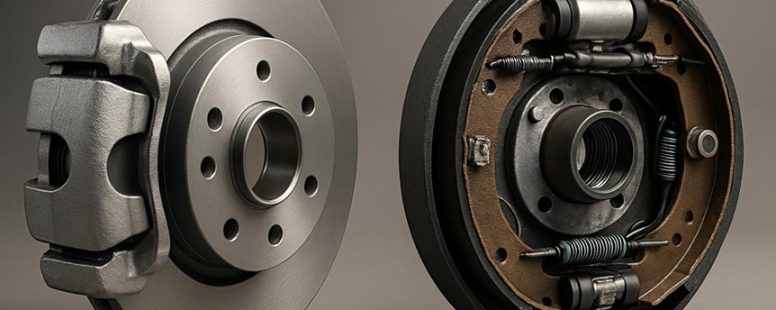
Disc brakes are a type of brake that uses a metal disc attached to the wheel. When you press the brake pedal, brake fluid flows through hydraulic lines and pushes brake pads against the spinning disc. This creates friction, which slows down or stops the wheel. Disc brakes respond quickly and are good at handling heat. This makes them popular on modern cars and motorcycles. For example, many sports cars use disc brakes because they stop faster and stay cooler during long drives.
Drum brakes work differently. They have a round drum attached to the wheel and brake shoes inside the drum. When you brake, hydraulic fluid pushes the shoes outward against the inside of the drum. The friction between the shoes and the drum slows the wheel. Drum brakes are often found on older cars or rear wheels because they are cheaper and last longer. However, they can get hot and may not respond as fast as disc brakes, especially when used a lot.
Some people prefer disc brakes because they work better when it’s hot and give a more responsive feel. Others choose drum brakes because they cost less and are less likely to wear out quickly. Both types have their pros and cons. Do you think one type is better for everyday driving? Or is it worth paying more for the faster stopping power of disc brakes?
Key Parts of Disc and Drum Brakes
Disc brakes and drum brakes are two different ways cars slow down. The main parts of each system help them do their job, but they work in different ways.
Disc brakes use three main parts: a rotor, a caliper, and brake pads. The rotor is a flat, round disc attached to the wheel. The caliper squeezes the brake pads against the rotor. When you press the brake pedal, the caliper pushes the pads against the spinning rotor. This creates friction that slows down the wheel. Many cars, especially sports cars and newer models, use disc brakes because they work well in hot conditions and stop quickly. But they can be more expensive and need more maintenance over time.
Drum brakes have three different parts: a brake drum, a wheel cylinder, and brake shoes. The brake drum is a large, round piece attached to the wheel. Inside, the brake shoes push outward against the inside of the drum. When you press the brake pedal, the wheel cylinder pushes the shoes outward, creating friction. This slows the wheel down. Drum brakes are usually found on older cars or the back wheels of some vehicles. They are cheaper but tend to overheat faster and don’t stop as quickly as disc brakes.
Some people wonder which brake system is better. Disc brakes often stop faster and stay cooler because they let heat escape easily. That makes them good for high-speed driving or racing. Drum brakes are simpler and cheaper but can lose stopping power if they get too hot. So, each type has its pros and cons, and car makers choose based on what the car needs.
Comparing Stopping Power of Disc vs. Drum Brakes
Disc brakes and drum brakes both stop your car, but they do it differently. Disc brakes are better at handling heat, which helps them stay strong when you brake hard or often. Drum brakes can get hot quickly and may not stop as fast or smoothly in tough driving situations.
Some drivers prefer disc brakes because they work well in rainy or muddy weather. They also need less maintenance over time. But drum brakes are usually cheaper and found on older or less expensive cars.
If you want the best stopping power, especially for safety during fast or steep driving, disc brakes are often the better choice. However, they can cost more to repair if something goes wrong. Both types have their limits, and no brake system is perfect for every situation.
Would you trust a brake that performs well in a race but might need fixing after a year? Or a cheaper one that may not stop you as quick in an emergency? Think about how often you drive hard and what your budget is.
In the end, knowing the difference helps you make a smarter choice. Remember, good brakes are essential for your safety, so pick what works best for your driving style and needs.
Braking Efficiency Comparison
Disc brakes are better for stopping your vehicle quickly and reliably. They work by squeezing a metal disc, called a rotor, which helps slow down the wheel. Because of this, disc brakes usually stop a car in less distance and work well even when they get wet. For example, if you drive in the rain, disc brakes will still give you strong stopping power. They also stay consistent over time, so you can trust them to work the same every time.
Drum brakes are older and work differently. They press brake shoes against the inside of a round drum to slow the wheel. While they can stop a car, they often need more space to do it and don’t perform as well when they are wet or after lots of use. This can cause longer stopping distances. Think of drum brakes as a brake system that might work fine in normal conditions but can struggle in rain or during emergency stops.
If you want a brake system that gives you quick and predictable stops, especially in emergencies or everyday driving, disc brakes are usually the better choice. They resist brake fade, which is when brakes lose power after heavy use. But, they can be more expensive to repair and replace. Drum brakes are cheaper but may not keep up when you need them most.
Heat Dissipation Differences
Heat dissipation is a big reason why disc brakes often work better than drum brakes. When it comes to stopping power, how well a brake cools down after use matters a lot. Disc brakes are better because their design exposes the rotor directly to the air. This helps the brake transfer heat away quickly. When a brake cools faster, it can work better longer and is less likely to fade under heavy use.
Drum brakes trap heat inside their enclosed shells. This makes them heat up faster and cool down slower. When brakes get too hot, they don’t work as well, which is called brake fade. This is especially a problem during long downhill rides or repeated stops. If you’ve ever felt your brake pedal get soft during a mountain bike ride, this is what happens.
Some people might say drum brakes are cheaper and easier to maintain. That’s true, but they don’t handle heat as well. So, if you need reliable brakes for steep hills or frequent stops, disc brakes are the better choice. They keep cool and give you consistent stopping power.
In real-world situations, disc brakes often outperform drum brakes because of their better heat management. But remember, they can cost more and need more maintenance. For everyday city driving, drum brakes might be enough. But for mountain biking or racing, disc brakes are usually the way to go.
Sources: Bicycle industry experts and product reviews show that heat dissipation is a key factor in brake performance.
Performance Under Various Conditions
Disc brakes are better than drum brakes when it comes to stopping power in most conditions. They are especially good in wet weather because they shed water fast, keeping a good grip. Drum brakes can trap water inside, making them less reliable when it rains or when roads are wet. If you drive in rainy places or on muddy trails, disc brakes are likely to stop your vehicle more safely and quickly.
When driving off-road, disc brakes again have an advantage. Dirt and mud don’t stick as much to them, so they keep working well. Drum brakes can get clogged with dirt, which can make them less effective. Also, disc brakes handle heat better. When brakes get used a lot, they heat up. Too much heat can cause brake fade, which means brakes don’t work as well. Disc brakes lose heat faster, so they don’t overheat as easily and last longer.
Some people think drum brakes are cheaper or easier to fix, but they can overheat and lose stopping power. That’s a big risk if you drive a lot or in tough conditions. In contrast, disc brakes are more reliable in different environments, but they might cost more upfront.
How Heat Affects Disc and Drum Brakes
When it comes to stopping your car, heat plays a big role in how well your brakes work. Heat builds up when you brake hard, and how each type of brake handles that heat makes a difference.
Disc brakes are better at managing heat because they have more surface area exposed to the air. This helps the heat escape faster. Because of this, disc brakes are less likely to lose power when they get hot. This problem, called brake fade, can happen if brakes get too hot and don’t stop as well. So if you drive on steep hills or do lots of stopping, disc brakes are a good choice.
Drum brakes trap heat inside because they are enclosed. This makes them more likely to get too hot and lose stopping power quickly if you brake hard repeatedly. They work fine for regular city driving but can struggle during long or tough drives.
Some people might think all brakes are the same, but heat management really makes a difference. If you want brakes that stay strong during heavy use, disc brakes are usually better. But remember, they can cost more and need more maintenance. Both types have their pros and cons, and your choice depends on how you drive and what you need.
For example, race cars use disc brakes because they handle heat very well. But a basic car for everyday driving might still have drum brakes because they are cheaper and simpler. Knowing how heat affects brakes can help you pick the right system for your car and safety.
Maintenance Needs for Disc and Drum Brakes
Keeping your brakes in good shape is key for safety. Both disc and drum brakes need regular care, but they have different needs. Here’s what you should do to stay safe and avoid annoying noises or costly repairs:
First, check your brake fluid often. If it’s low, your brakes might not work as well. Think of brake fluid like the oil in your car; without enough, things can grind to a halt. Make sure to top it up with the right kind, usually specified in your owner’s manual.
Next, cleaning your brakes helps prevent dirt and rust from causing problems. Use a soft brush or a special brake cleaner to remove grime. Avoid harsh chemicals that can damage parts or reduce brake effectiveness. For example, if you see brake dust on your wheels, that’s a sign it’s time for a cleaning.
It’s also smart to follow your car maker’s recommended inspection schedule. Most cars need a brake check every 10,000 to 15,000 miles. Regular inspections catch early signs of wear, saving you money before parts fail. Imagine replacing worn-out shoes before they cause squealing or damage the drum or rotor.
Pay attention to wear indicators. These are small sensors or grooves that tell you when your brake pads or shoes are too thin. If you hear squealing or grinding, it might mean your brakes need replacing soon. Ignoring these signs can lead to costly repairs or even brake failure.
Lastly, listen for strange noises. Squealing, grinding, or pulsating brakes are often signs that maintenance is needed. If your brakes suddenly feel less responsive or make weird sounds, don’t ignore it. Get them checked out quickly to avoid accidents.
Some people worry about the cost or hassle of brake maintenance. While regular checks cost less than repairs, skipping them can lead to dangerous failures. It’s a good idea to know what your car needs and follow the maintenance schedule. Also, consider that some brake parts, like ceramic pads, last longer but cost more upfront.
In the end, keeping your brakes in shape is simple if you stay on top of these tips. Regular fluid checks, cleaning, inspections, and listening to your car will keep you safe and save money. Think of your brakes as the brakes on your bike — they need care to work well when you need them most.
Benefits of Disc and Drum Brakes for Everyday Driving
Disc brakes and drum brakes are two common types used in cars today. Knowing which one is better for your daily driving can help you stay safe and save money.
Disc brakes are known for being safer. They respond faster when you press the brake pedal and cool down quicker. This means you get better stopping power and less brake fade, which is when brakes become less effective after heavy use. For example, sports cars and newer vehicles often use disc brakes because they give quick responses and keep the driver safe during fast driving. They also last longer if you keep them maintained well. However, they can cost more to buy and repair.
Drum brakes are usually cheaper. They cost less to make and fix, which makes them a good choice if you want to save money. They are also enclosed, so dirt and water don’t easily get inside. This can help the parts last longer in bad weather. Many older cars still use drum brakes because they are simple and affordable. But, they don’t cool down as fast and can fade during long drives or steep hills. That means they might not stop as quickly when you need it most.
Both types have their good and bad points. If safety and fast stopping are your priorities and you drive mostly in city traffic or on the highway, disc brakes might be better. But if you want to save money and don’t drive in tough conditions often, drum brakes can work fine. Just remember, no brake system is perfect. Regular check-ups are needed no matter what type you choose.
In the end, knowing these differences helps you pick what fits your daily driving best. Would you prefer the quick response of disc brakes or the cost savings of drum brakes? Think about your driving style and budget before deciding.
When Are Drum Brakes Still a Good Choice?
Drum brakes are still useful in some situations, even though disc brakes are more common today. They are a good choice if you want a brake system that is simple and inexpensive.
Drum brakes are best for cars where cost matters most. For example, older cars or cheap models often use drum brakes on the back wheels. They work well when the rear brakes do not need to stop heavy loads or go fast. If your main concern is saving money or doing easy repairs, drum brakes are a solid option.
However, drum brakes have some downsides. They may not stop as quickly as disc brakes, especially in wet or hilly areas. They also create more brake dust, which can make wheels look dirty. Plus, they need more maintenance over time and can overheat if used a lot in heavy driving.
Some drivers might prefer disc brakes because they stop faster and stay cooler. But if you drive a small car, or mostly drive in dry weather, drum brakes can still do the job just fine. They are simple, reliable, and cheaper to fix if something goes wrong, making them a good pick when you don’t need maximum stopping power.
Choosing the Right Brake System
The best way to pick a brake system is to understand the main types and what you need. There are two common types: disc brakes and drum brakes.
Disc brakes are known for stopping quickly and handling heat well. This makes them good for performance cars or if you drive a lot on highways. For example, sports cars like BMW M series use disc brakes because they need strong stopping power. But they can cost more and might wear out faster if not maintained.
On the other hand, drum brakes are cheaper and easier to fix. They work fine for city driving or lighter vehicles like compact cars or small trucks. However, drum brakes don’t cool down as fast and can lose effectiveness if you brake hard many times in a row.
To choose the right system, ask yourself what’s more important. Do you want reliable, quick stopping even in heavy use? Then disc brakes are better. Or do you want to save money and keep things simple? Drum brakes could work.
Also, think about maintenance. Disc brakes are easier to check and replace. Drum brakes hide some wear, so you need to look harder for issues. Consider where you drive most and how often you’ll need to service your brakes.
Some folks prefer disc brakes because of their high performance, but they might not want to deal with higher costs. Others like drum brakes for their lower price and easier repairs, even if they don’t stop quite as fast in extreme conditions.
In the end, matching your driving style and budget helps you pick the best brake system. Just remember, no system is perfect. If you drive a lot fast or in hilly areas, disc brakes are safer. For city driving and lighter use, drum brakes can be enough.

- 10 Best iPod Alternatives to Buy in 2026 - October 1, 2026
- Free Alternative to Output Arcade - October 1, 2026
- Free Alternatives to Writerduet - September 30, 2026
by Ellie B, Site Owner / Publisher