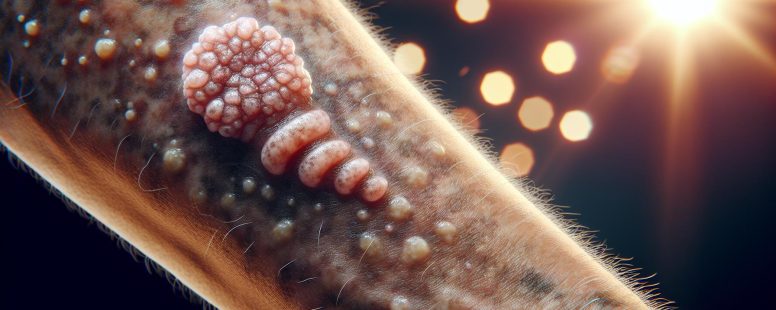
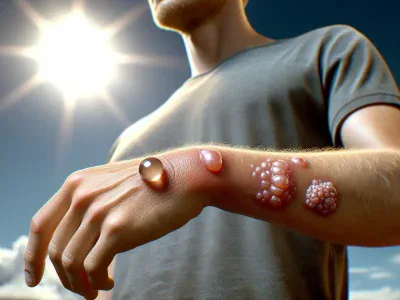
When faced with a skin cancer diagnosis, understanding the differences between squamous cell carcinoma and basal cell carcinoma becomes crucial for your peace of mind. These two common types of skin cancer each have distinct characteristics and varying levels of severity that can impact your treatment options and outlook.
While both forms of skin cancer develop in the upper layers of your skin, they behave differently and pose unique risks to your health. Squamous cell carcinoma originates in the squamous cells that make up most of your skin’s surface, while basal cell carcinoma starts in the deeper basal cell layer. You’ll likely want to know which type is more serious and how their treatment approaches differ.
Understanding Squamous and Basal Cell Carcinomas
Squamous cell carcinoma (SCC) and basal cell carcinoma (BCC) represent two distinct forms of non-melanoma skin cancer with unique growth patterns and risk levels.
Key Characteristics of Each Type
Basal cell carcinomas appear as:
Pearly white bumps with visible blood vessels
Flat brown scars or flesh-colored lesions
Bleeding sores that don’t heal within 3 weeks
Waxy growths with raised borders
Squamous cell carcinomas display:
Firm red nodules with rough surfaces
Flat lesions with scaly crusted surfaces
Open sores with raised irregular borders
Growths that bleed easily when touched
Common Areas Affected
BCC commonly develops in:
Face areas exposed to sun
Neck region
Shoulders
Upper back
Ears
SCC frequently appears on:
Scalp
Backs of hands
Forearms
Lower legs
Lips
Ears
Characteristic
Basal Cell Carcinoma
Squamous Cell Carcinoma
Growth Rate
Slow
Moderate to rapid
Metastasis Risk
0.1%
2-6%
Average Size
1-10mm
10-30mm
Tissue Layer
Basal layer
Squamous layer
The most aggressive skin cancer types develop in sun-exposed areas, making regular skin examinations essential for early detection. Each carcinoma presents distinct visual markers that help dermatologists determine the appropriate treatment approach.
Comparing Growth Patterns and Spread
Squamous cell carcinoma (SCC) and basal cell carcinoma (BCC) exhibit distinct growth patterns that affect their progression and potential risks.
Squamous Cell Growth Rate
SCC demonstrates an aggressive growth pattern with the potential to double in size within 4-8 weeks. The tumor cells multiply rapidly through the epidermis layers penetrating deeper tissues including:
Invading local lymph nodes within 3-6 months
Spreading to nearby muscles tissue in advanced cases
Reaching bones structures when left untreated
Developing satellite lesions around primary tumor
SCC Growth Characteristics
Timeframe
Size doubling
4-8 weeks
Local spread
3-6 months
Metastatic potential
2-6% of cases
Basal Cell Invasiveness
BCC displays a slower more predictable growth pattern characterized by:
Expanding horizontally through surface skin layers
Growing approximately 1mm every 3-4 months
Maintaining defined borders during progression
Rarely penetrating beyond local tissue
BCC Growth Characteristics
Measurement
Monthly growth rate
0.3-0.5mm
Typical tumor depth
1-4mm
Metastatic rate
0.1% of cases
These growth patterns make SCC more concerning due to its rapid progression capacity even though BCC being more common. The vertical growth of SCC increases its ability to reach vital structures quickly compared to BCC’s horizontal spread.
Note: Early detection through regular skin examinations is crucial as both types become more difficult to treat when they penetrate deeper tissue layers.
Survival Rates and Prognosis
Survival rates differ significantly between squamous cell carcinoma (SCC) and basal cell carcinoma (BCC), with BCC showing more favorable outcomes in most cases. The 5-year survival rate data reveals distinct patterns for each type of skin cancer.
Treatment Success Rates
Treatment success rates for BCC reach 98% when detected early, with surgical excision showing the highest efficacy. SCC treatment success varies based on stage:
Stage
BCC Success Rate
SCC Success Rate
Stage 0-1
98-99%
95-98%
Stage 2
95%
85-90%
Stage 3
85%
50-70%
Stage 4
50%
10-20%
Mohs surgery demonstrates superior outcomes for both types:
99% cure rate for primary BCC
94% cure rate for primary SCC
90% cure rate for recurrent BCC
87% cure rate for recurrent SCC
Risk of Recurrence
The recurrence patterns show distinct characteristics for each cancer type:
BCC recurrence factors:
1% recurrence rate within first year
3% recurrence rate over 5 years
10% increased risk in lesions larger than 2cm
15% higher risk in aggressive growth patterns
SCC recurrence indicators:
5% recurrence rate in first year
8% recurrence rate over 5 years
25% increased risk in immunocompromised patients
30% higher risk in tumors deeper than 2mm
Primary factors affecting recurrence include:
Tumor location
Initial treatment method
Immune system status
Previous skin cancer history
Sun exposure patterns post-treatment
American Cancer Society: Cancer Statistics Center
National Cancer Institute: SEER Program
Journal of Clinical Oncology: Skin Cancer Treatment Outcomes
Dermatologic Surgery: Mohs Surgery Success Rates
Complications and Risk Factors
Both squamous cell carcinoma (SCC) and basal cell carcinoma (BCC) present distinct complications with varying risk factors that influence their progression and severity.
Local Tissue Damage
BCC causes localized damage primarily to surrounding tissue structures through horizontal growth patterns. The damage includes:
Eroding facial features near the nose eyelids or ears
Creating deep ulcerations in the affected area
Destroying cartilage beneath the skin surface
Developing into large tumors measuring 5-10 cm in diameter
SCC demonstrates more aggressive local tissue invasion:
Penetrating multiple skin layers within 2-3 months
Causing painful ulcerations with raised irregular borders
Damaging nerve endings leading to localized numbness
Creating deep crater-like wounds resistant to healing
Metastatic Potential
Metastatic risk varies significantly between these carcinomas:
Cancer Type
Metastasis Risk
Common Spread Locations
Timeline to Spread
BCC
0.1%
Lymph nodes lungs
5-10 years
SCC
2-6%
Lymph nodes lungs liver
3-12 months
Risk factors increasing metastatic potential:
Immunosuppression from medications or conditions
Tumors larger than 2cm in diameter
Location on high-risk areas like ears lips
Deep tissue penetration beyond 2mm
Previous radiation exposure at tumor site
Poorly differentiated SCC: 15-25% metastasis risk
Desmoplastic SCC: 10-15% metastasis risk
Morpheaform BCC: 0.5-1% metastasis risk
Treatment Options and Recovery
Treatment approaches for both BCC and SCC focus on complete removal of cancerous tissue while preserving healthy skin. The selection of treatment methods depends on factors like tumor size, location, stage of cancer and overall health status.
Surgical Approaches
Mohs micrographic surgery delivers the highest cure rates for both carcinomas:
Achieves 99% cure rate for primary BCC lesions
Provides 94% success rate for primary SCC tumors
Preserves maximum healthy tissue through layer-by-layer removal
Takes 4-6 hours on average for complete procedure
Standard surgical options include:
Excisional surgery with 4-6mm margins for BCC
Wide local excision with 6-10mm margins for SCC
Curettage and electrodesiccation for superficial tumors
5-fluorouracil cream shows 90% effectiveness for superficial BCC
Imiquimod demonstrates 85% cure rate for small BCCs
Photodynamic therapy achieves 75% clearance for surface tumors
Radiation therapy provides 90% control rate for inoperable cases
Treatment Type
BCC Success Rate
SCC Success Rate
Recovery Time
Mohs Surgery
99%
94%
2-4 weeks
Excision
95%
92%
3-6 weeks
Topical Therapy
90%
75%
6-12 weeks
Radiation
90%
85%
4-8 weeks
Daily wound care for 7-14 days post-surgery
Sun protection with SPF 30+ sunscreen
Monthly skin checks for first year
Follow-up visits every 3-6 months for 5 years
Prevention and Early Detection
Regular skin examinations detect skin cancer warning signs before they progress to advanced stages. A monthly self-examination combined with annual dermatologist visits creates an effective detection strategy.
Sun Protection Measures:
Apply broad-spectrum SPF 30+ sunscreen every 2 hours during sun exposure
Wear protective clothing like wide-brimmed hats sunglasses long-sleeved shirts
Seek shade between 10 AM and 4 PM when UV rays peak
Avoid tanning beds known to increase skin cancer risk by 75%
Self-Examination Guidelines:
Check your entire body including scalp back between toes
Use mirrors to examine hard-to-see areas
Document suspicious spots with photos for comparison
Look for the ABCDE warning signs: Asymmetry Border irregularity Color variation Diameter changes Evolving appearance
High-Risk Factors:
Risk Factor
Impact on Risk Level
Fair skin
2-3x higher risk
Family history
2x increased risk
Previous skin cancer
40% recurrence rate
Immunosuppression
65-250x higher risk
Chronic sun exposure
3-5x increased risk
Early Warning Signs:
New growths that appear pearly pink or translucent
Sores that bleed crust or don’t heal within 4 weeks
Brown scaly patches with irregular borders
Tender bumps that grow rapidly change color
Professional screening becomes essential for individuals with multiple risk factors or concerning skin changes. Documentation through regular skin mapping photography helps track changes over time increasing early detection rates by 30%.
Conclusion
Both squamous cell carcinoma and basal cell carcinoma demand your attention but SCC presents a more serious threat due to its aggressive growth pattern and higher metastasis risk. While BCC is more common it typically grows slower and stays localized making it easier to treat.
Your best defense against both types of skin cancer is vigilant monitoring and early detection. Regular self-examinations combined with professional screenings can help catch these cancers before they become problematic. When detected early both types respond well to treatment with excellent survival rates.
Remember, protecting your skin from UV damage is crucial in preventing both forms of skin cancer. Take proactive steps to shield yourself from harmful sun exposure and seek medical attention if you notice any suspicious skin changes.
To provide the best experiences, we use technologies like cookies to store and/or access device information. Consenting to these technologies will allow us to process data such as browsing behaviour or unique IDs on this site. Not consenting or withdrawing consent, may adversely affect certain features and functions.
Functional
Always active
The technical storage or access is strictly necessary for the legitimate purpose of enabling the use of a specific service explicitly requested by the subscriber or user, or for the sole purpose of carrying out the transmission of a communication over an electronic communications network.
Preferences
The technical storage or access is necessary for the legitimate purpose of storing preferences that are not requested by the subscriber or user.
Statistics
The technical storage or access that is used exclusively for statistical purposes.The technical storage or access that is used exclusively for anonymous statistical purposes. Without a subpoena, voluntary compliance on the part of your Internet Service Provider, or additional records from a third party, information stored or retrieved for this purpose alone cannot usually be used to identify you.
Marketing
The technical storage or access is required to create user profiles to send advertising, or to track the user on a website or across several websites for similar marketing purposes.