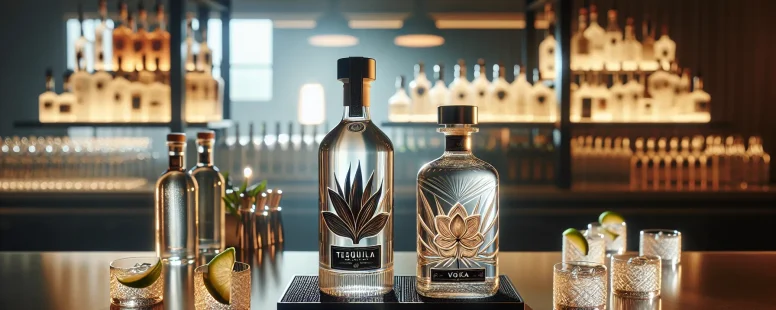
When examining the world of spirits, tequila and vodka consistently dominate as two popular choices among enthusiasts and casual consumers alike. These beverages, each with their unique histories and characteristics, often raise a common question: Which of the two is stronger? Strength, in the context of alcoholic beverages, can encompass not only the scientific measurement of alcohol content but also the subjective perception of potency influenced by several factors. Exploring tequila and vodka in detail can clarify their differences and provide insights into what defines their comparative strength.
Understanding Alcohol Strength
Defining Alcohol by Volume (ABV)
Alcohol by Volume (ABV) is a standardized measure indicating the alcohol content present in a beverage. Expressed as a percentage, ABV quantifies the ethanol volume in comparison to the entire liquid volume.
Factors Affecting Perceived Strength
Beyond ABV, factors such as the drink’s composition, mixers, temperature, and individual tolerance levels greatly influence how strong an alcoholic beverage feels to the consumer.
Characteristics of Tequila
Production Process and Origin
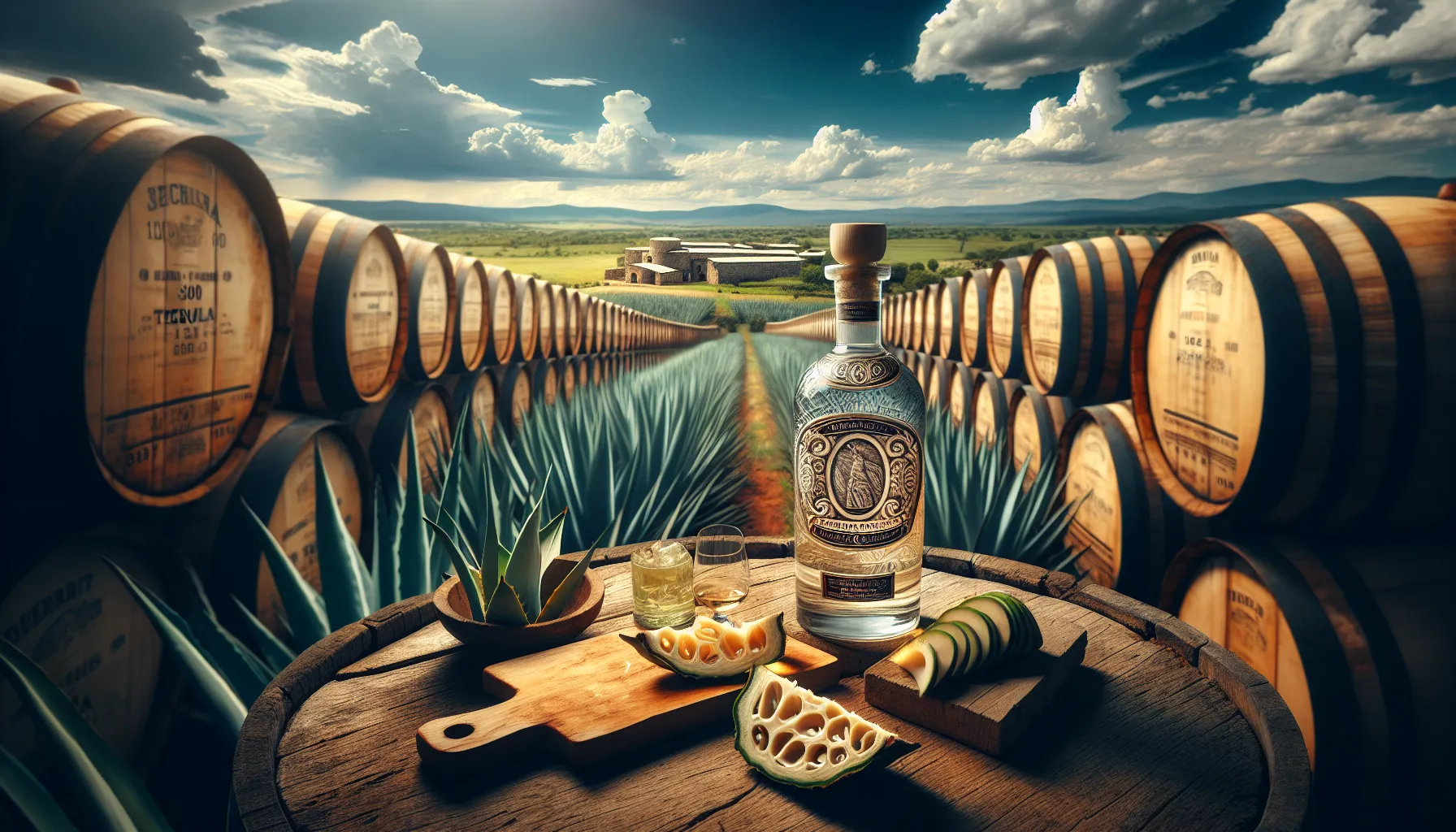
Tequila is primarily produced in Mexico from the blue agave plant. The distillation process highlights the traditional craftsmanship associated with this spirited beverage.
Typical ABV Ranges and Varieties
Tequila varieties, such as Blanco, Reposado, and Añejo, generally exhibit ABV ranges between 35% and 55%. These differences depend on production methods and aging durations.
Characteristics of Vodka
Production Process and Ingredients
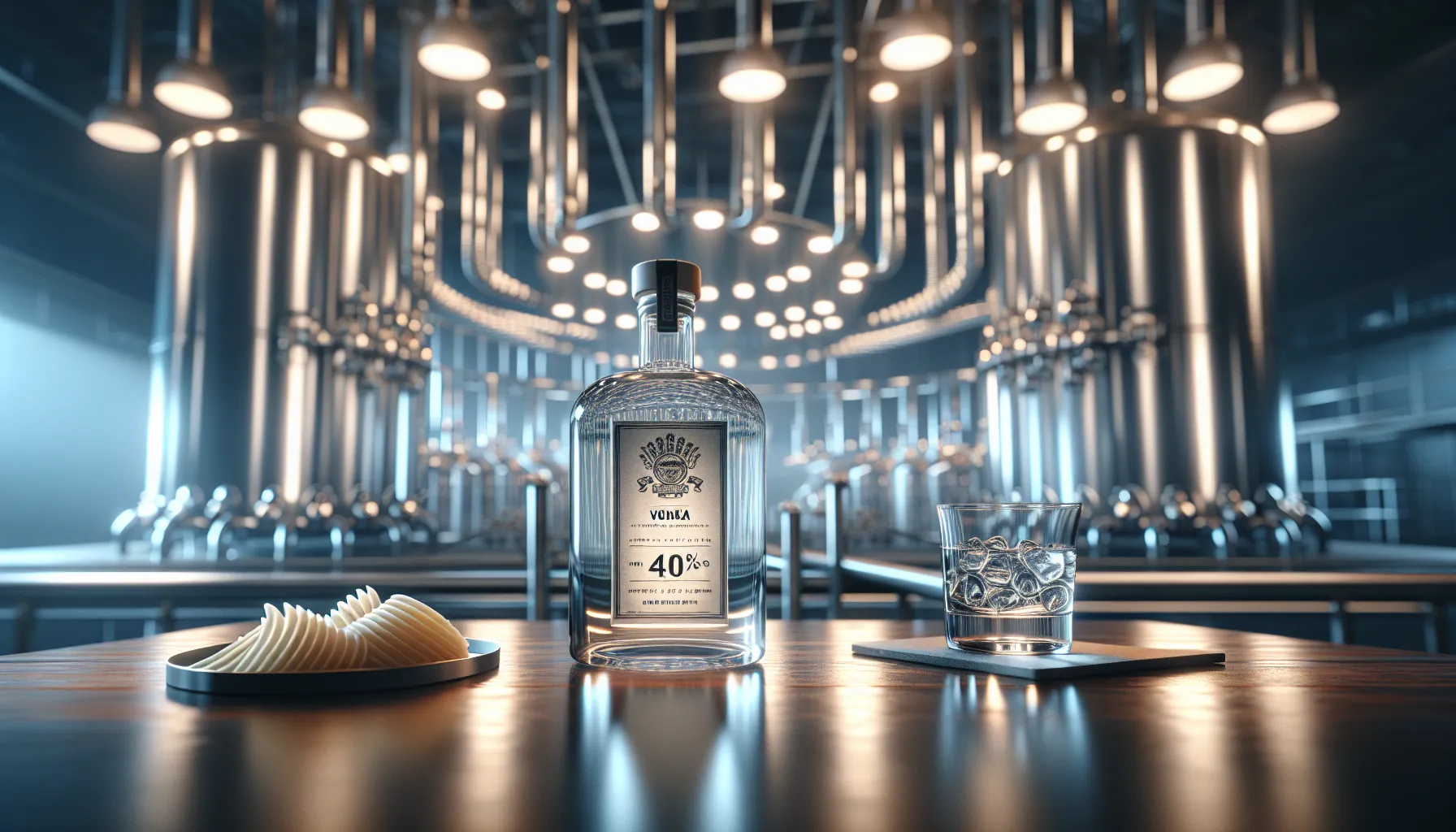
Vodka undergoes distillation typically from grains, potatoes, or even fruits. Its production emphasizes purity and neutrality of flavor.
Typical ABV Ranges and Varieties
Vodka typically has an ABV range of 35% to 50%, though premium and regional variations may differ.
Comparing Tequila and Vodka Strength
ABV Ranges in Comparison
Tequila and vodka often overlap in their ABV ranges, with both averaging around 40%, though specific brands can alter this metric.
Impact of Serving Methods on Perceived Strength
Factors such as mixing, chilling, or drinking neat significantly influence how strong a beverage feels.
Consumption Patterns and Cultural Significance
Cultural preferences and usage in cocktails or shots also shape the perception of each drink’s strength.
To provide the best experiences, we use technologies like cookies to store and/or access device information. Consenting to these technologies will allow us to process data such as browsing behaviour or unique IDs on this site. Not consenting or withdrawing consent, may adversely affect certain features and functions.
Functional
Always active
The technical storage or access is strictly necessary for the legitimate purpose of enabling the use of a specific service explicitly requested by the subscriber or user, or for the sole purpose of carrying out the transmission of a communication over an electronic communications network.
Preferences
The technical storage or access is necessary for the legitimate purpose of storing preferences that are not requested by the subscriber or user.
Statistics
The technical storage or access that is used exclusively for statistical purposes.The technical storage or access that is used exclusively for anonymous statistical purposes. Without a subpoena, voluntary compliance on the part of your Internet Service Provider, or additional records from a third party, information stored or retrieved for this purpose alone cannot usually be used to identify you.
Marketing
The technical storage or access is required to create user profiles to send advertising, or to track the user on a website or across several websites for similar marketing purposes.