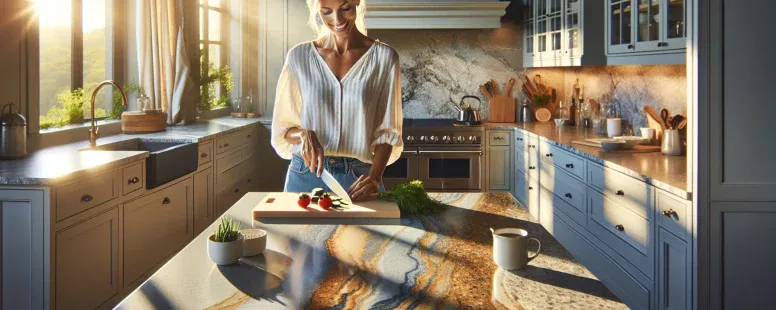
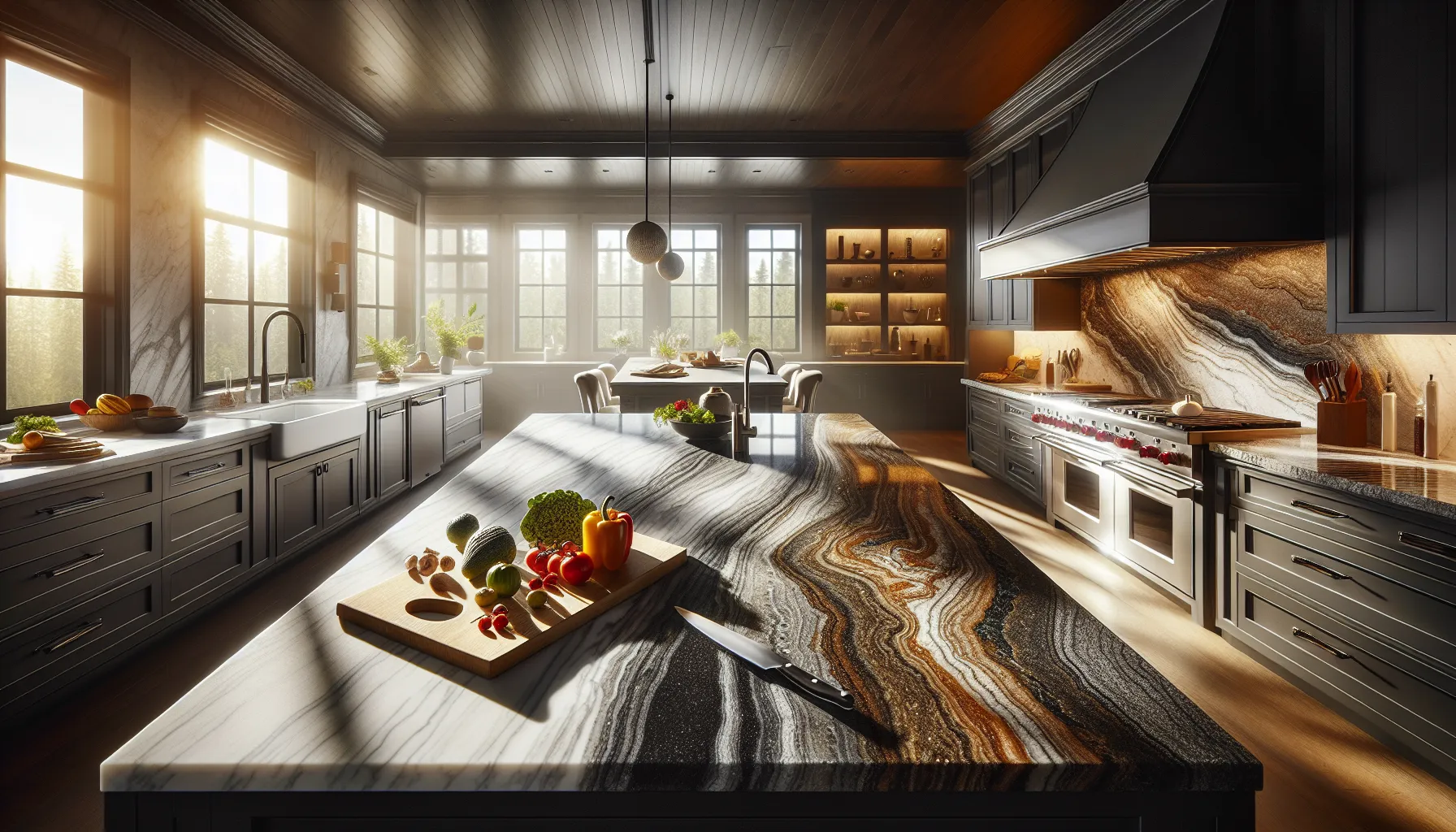
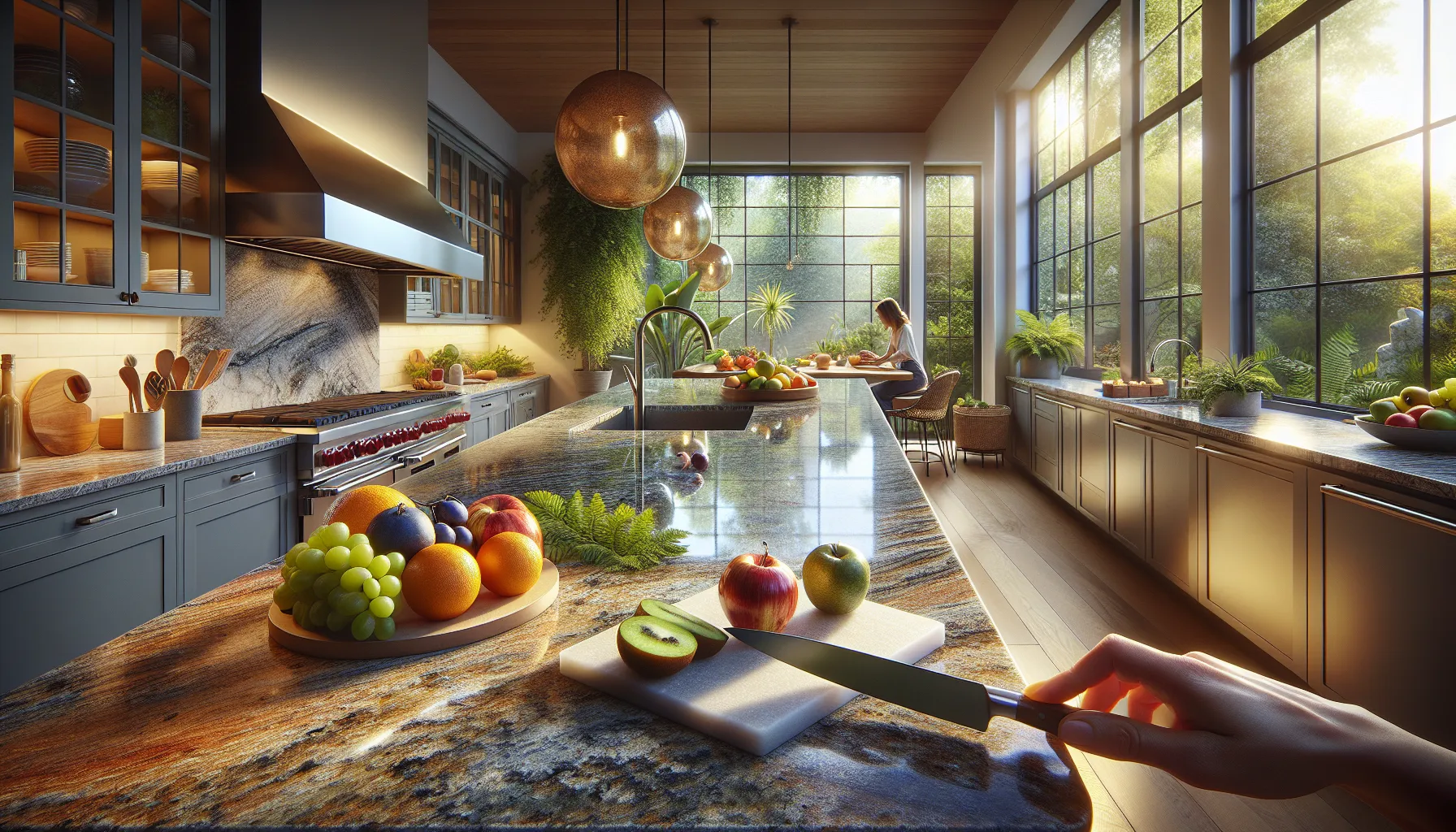
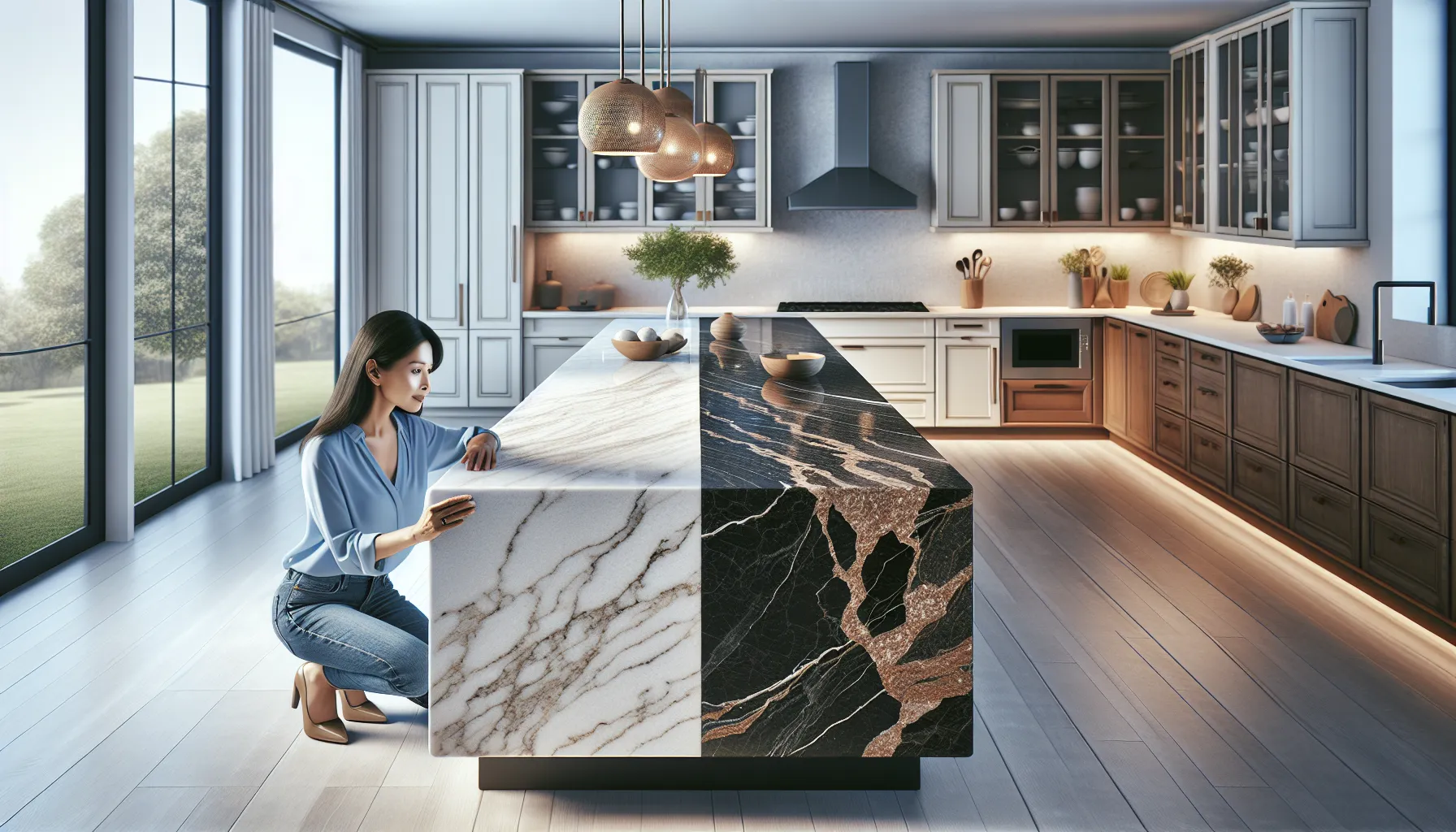
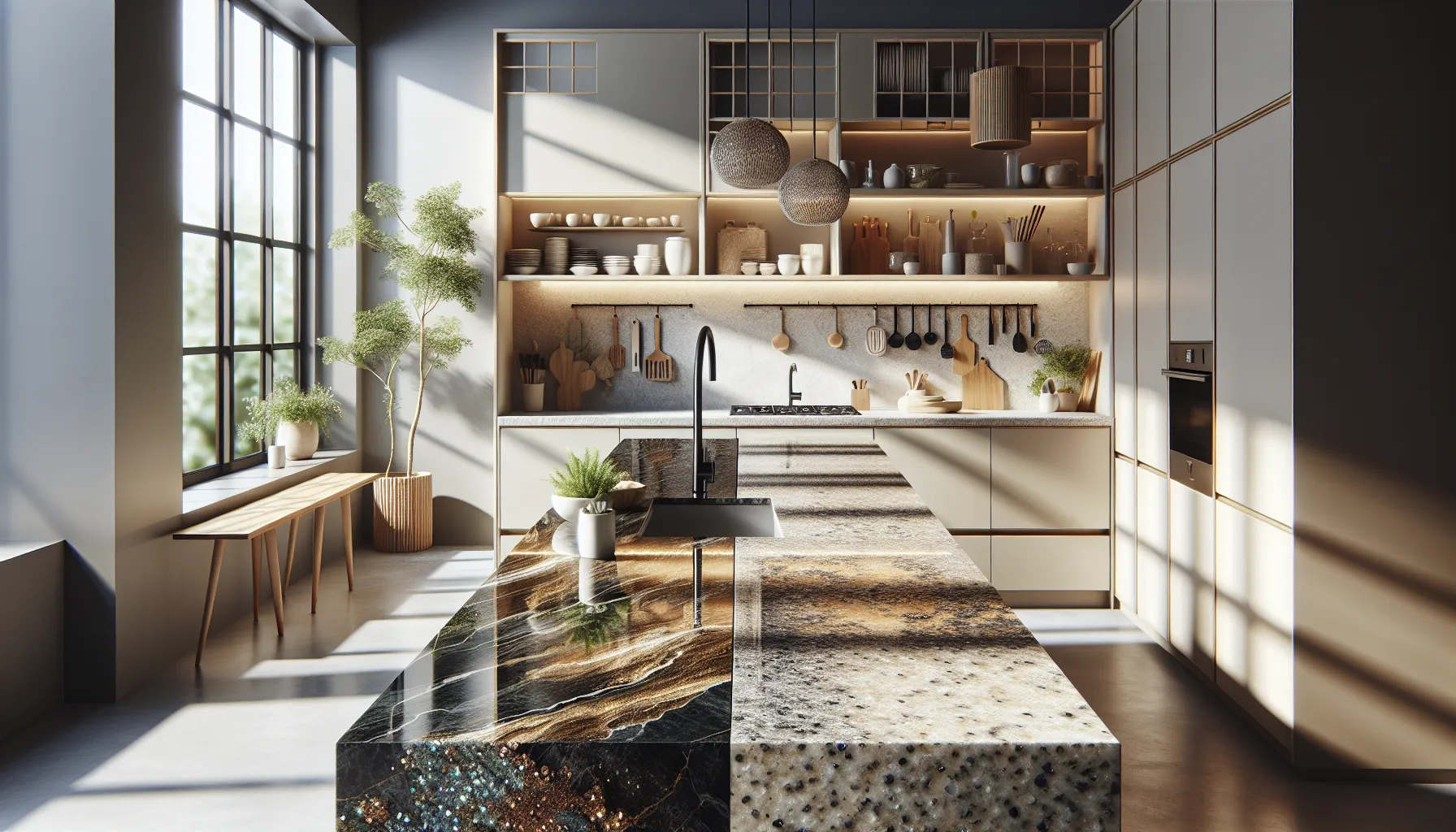
In the vast world of countertop materials, quartz and granite stand out as two of the most popular choices for homes and offices alike. Imagine walking into a kitchen where the surface gleams with a polished finish, guiding your gaze through swirls of color and pattern. Whether you’re sipping coffee in the morning or preparing a feast for family and friends, the choice of countertop can impact not just aesthetics but also functionality, maintenance, and value. With this thought in mind, we’re on a quest to determine which material reigns supreme: quartz or granite? Let’s embark on this exploration together, uncovering the differences, advantages, and unique qualities of each countertop contender.
Understanding Quartz and Granite
Composition and Characteristics
Quartz is engineered stone, composed of about 90% crushed natural quartz crystals mixed with resins and pigments. This blend gives it a consistent color and pattern, making it easy to find a style that suits our tastes. Its non-porous surface means it does not harbor bacteria, making it a hygienic choice for food preparation.
In contrast, granite is a natural stone formed deep within the earth, offering unique patterns and colors that vary from slab to slab. Each piece of granite tells a story, shaped by geological processes over millions of years. Its porous nature does require sealing to prevent stains and bacteria growth, but many find the individuality of granite appealing.
Durability and Maintenance
Resistance to Stains and Scratches
When it comes to day-to-day wear and tear, we must consider how each material stands up to stains and scratches. Quartz’s non-porous surface makes it resistant to staining, but it can be scratched if we’re not careful. Utilizing cutting boards can greatly extend its lifespan.
Granite, while tougher against heat, is porous and can absorb liquids if not properly sealed. This means that wine, oil, and other liquids can leave a mark unless cleaned promptly. Scratching is less of a concern, provided we use the right tools.
Cost Comparison
Initial Purchase and Installation Costs
Budgeting for countertops involves various factors. On average, quartz costs more than granite per square foot, largely due to the manufacturing process and quality control. The installation process differs slightly as well, with both requiring professional installation due to weight and handling requirements.
Long-Term Value
In the long run, the durability of these materials can affect their long-term value. Quartz generally requires less maintenance, potentially saving us money on repairs and replacements. Granite, while stunning, may need resealing every few years, adding to its lifetime cost. Choosing quartz may often feel like a smarter financial move for many.
Aesthetic Appeal
Color Options and Patterns
In terms of aesthetic appeal, we find ourselves catered to by both materials. Quartz offers a wide variety of colors and can mimic the look of natural stones while maintaining a uniform appearance. The polished finish shines brightly, presenting a sleek look.
Granite, with its inherently unique patterns and hues, offers a more organic aesthetic. Each slab brings its own character, making it a favored choice for those seeking individuality in their spaces.
Environmental Impact
Sustainability of Materials
Both quartz and granite have environmental implications. Quartz, while using natural stone, incorporates resins which may have a larger environmental footprint due to the chemicals involved. Granite, but, is considered more eco-friendly since it is mined from natural sources without manufacturing processes.
Manufacturing Processes
The manufacturing of quartz requires energy-intensive processes. On the other hand, granite is often seen as more sustainable as it’s extracted directly from the earth. Our choice may depend on how much we prioritize environmental consciousness in our purchasing decision.
Final Considerations
Choosing Based on Your Needs
When choosing between quartz and granite, it’s essential to assess our own priorities. Are we drawn to a virtually maintenance-free surface, or do we appreciate the natural beauty of one-of-a-kind stones? Recognizing our lifestyles and preferences will guide this decision.
Conclusion
Deciding between quartz and granite is far from straightforward: both materials offer distinct benefits that cater to different needs and tastes. While quartz shines with its low maintenance and variety, granite captivates with its uniqueness and natural beauty. Eventually, our choice should reflect our individual preferences, lifestyle demands, and aesthetic aspirations. Whether we choose quartz or granite, investing in our countertops means investing in the heart of our homes.
Published: February 23, 2026 at 10:20 am by Ellie B, Site owner & Publisher
To provide the best experiences, we use technologies like cookies to store and/or access device information. Consenting to these technologies will allow us to process data such as browsing behaviour or unique IDs on this site. Not consenting or withdrawing consent, may adversely affect certain features and functions.
Functional
Always active
The technical storage or access is strictly necessary for the legitimate purpose of enabling the use of a specific service explicitly requested by the subscriber or user, or for the sole purpose of carrying out the transmission of a communication over an electronic communications network.
Preferences
The technical storage or access is necessary for the legitimate purpose of storing preferences that are not requested by the subscriber or user.
Statistics
The technical storage or access that is used exclusively for statistical purposes.The technical storage or access that is used exclusively for anonymous statistical purposes. Without a subpoena, voluntary compliance on the part of your Internet Service Provider, or additional records from a third party, information stored or retrieved for this purpose alone cannot usually be used to identify you.
Marketing
The technical storage or access is required to create user profiles to send advertising, or to track the user on a website or across several websites for similar marketing purposes.