You can reclaim water at home without guessing which approach will deliver value. Water butts and greywater systems both cut freshwater use, but they do so in very different ways, one catches rain as it falls, the other redirects used household water. Picture the clink of rain on a metal barrel vs. the quiet reroute of your shower drain: both save liters, yet the trade-offs affect safety, cost, and where you can use the water. This piece compares water butts vs. greywater systems so you can choose the right option for your property, budget, and climate. Expect clear facts first, then practical steps and honest warnings so you make a decision that works for you.
What Each System Is And How It Works
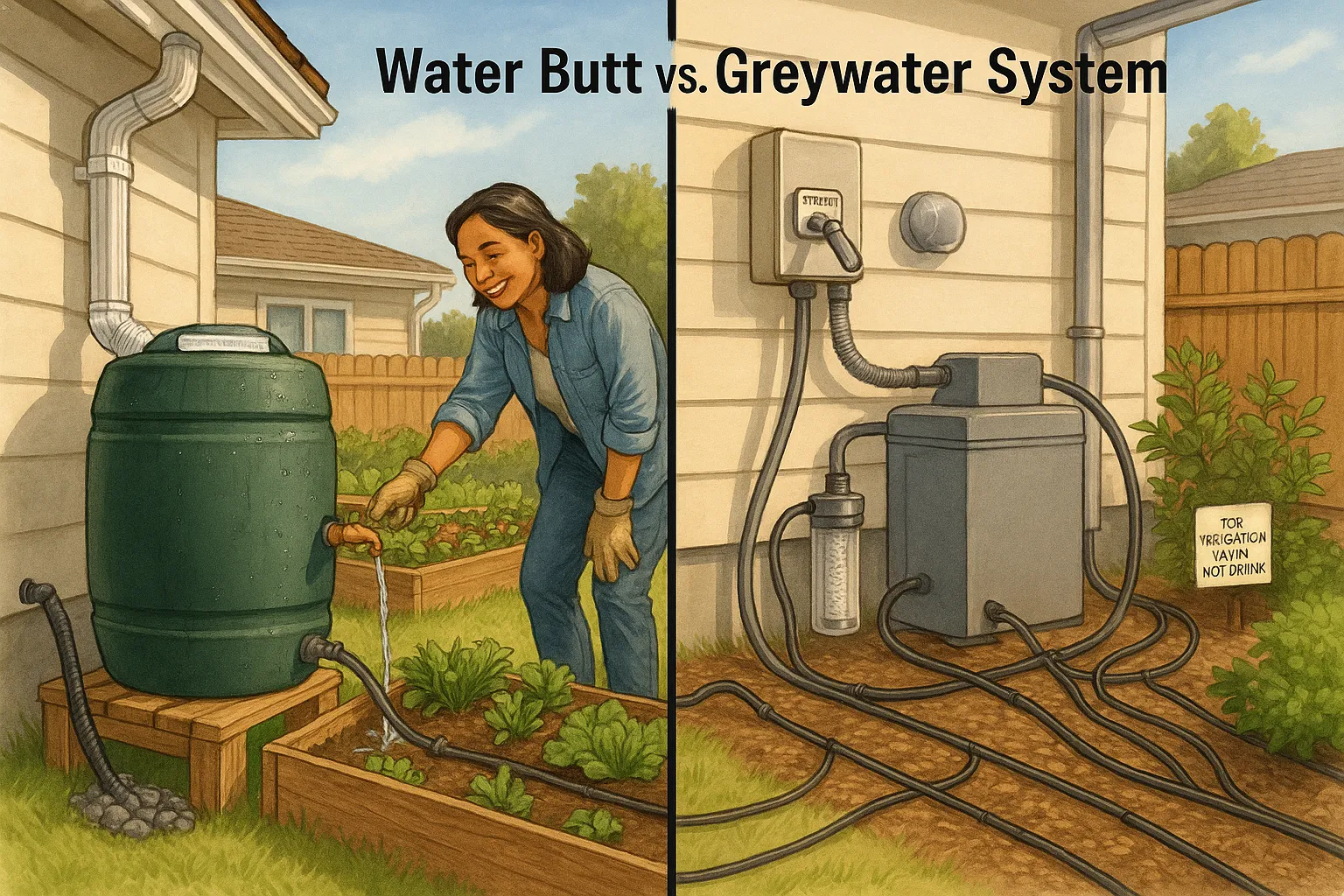
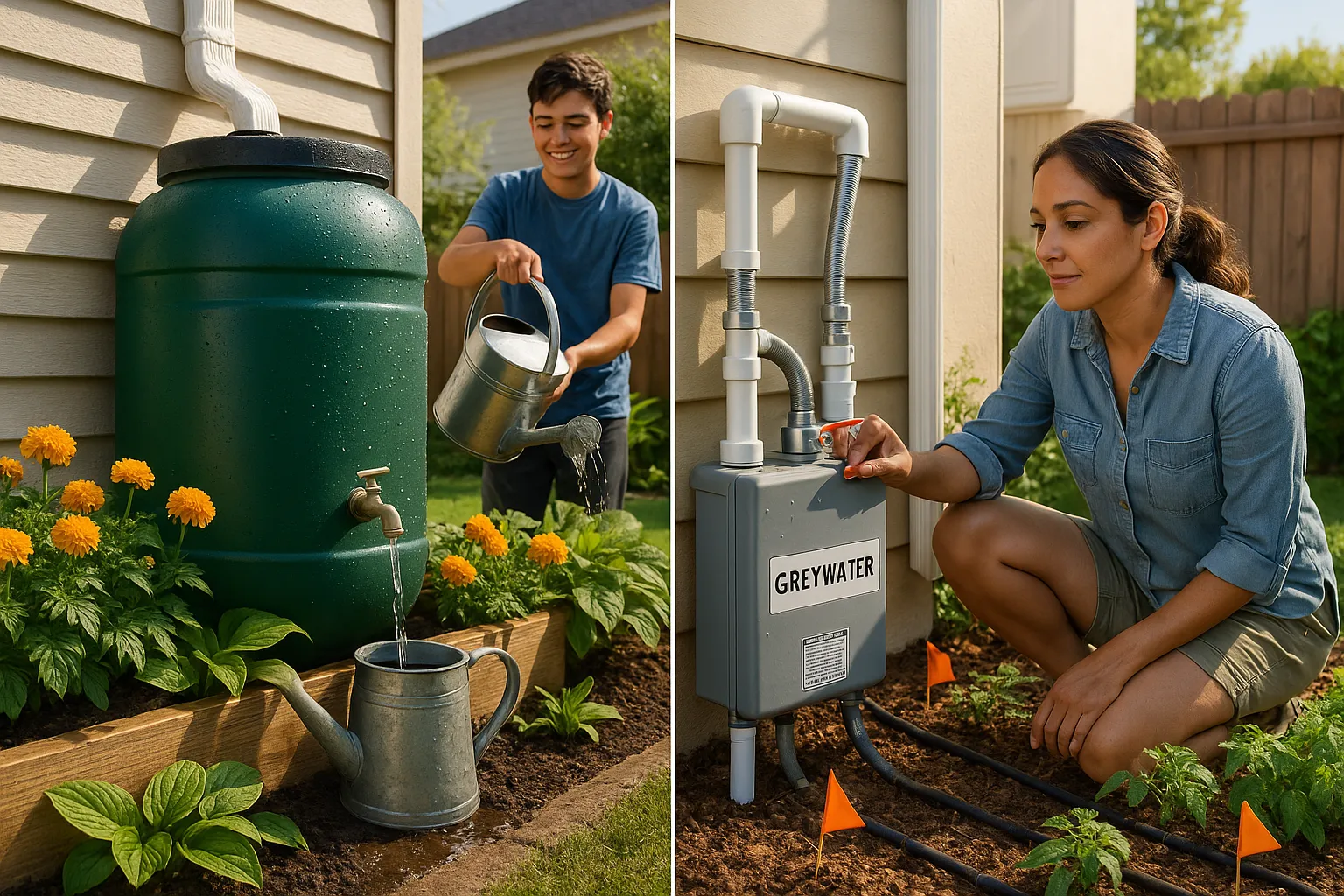
Fact: A water butt stores rainwater: a greywater system captures water from sinks, showers, and laundry.
What A Water Butt Is
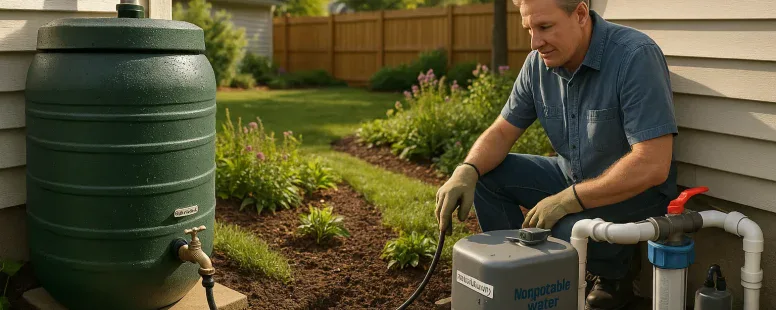
A water butt is a storage tank that collects rain from gutters and roofs. Simple setups use a 200–300 liter plastic barrel placed under a downpipe. Brands such as RainHarvest Systems and Haws make ready-to-use units with taps and overflow fittings. Water butts collects rain, holds it, and lets you draw it out by gravity or pump for garden use.
What A Greywater System Is
A greywater system diverts household wastewater (excluding toilet waste) for reuse. It captures water from baths, showers, hand basins, and sometimes washing machines. Systems range from simple diverter valves that send flow to a mulch pit, to sealed mechanical systems with filters and pumps from companies like Nexus and Kingspan. Greywater systems treat water enough for irrigation or toilet flushing depending on design and local rules.
Typical Components And Flow For Each System
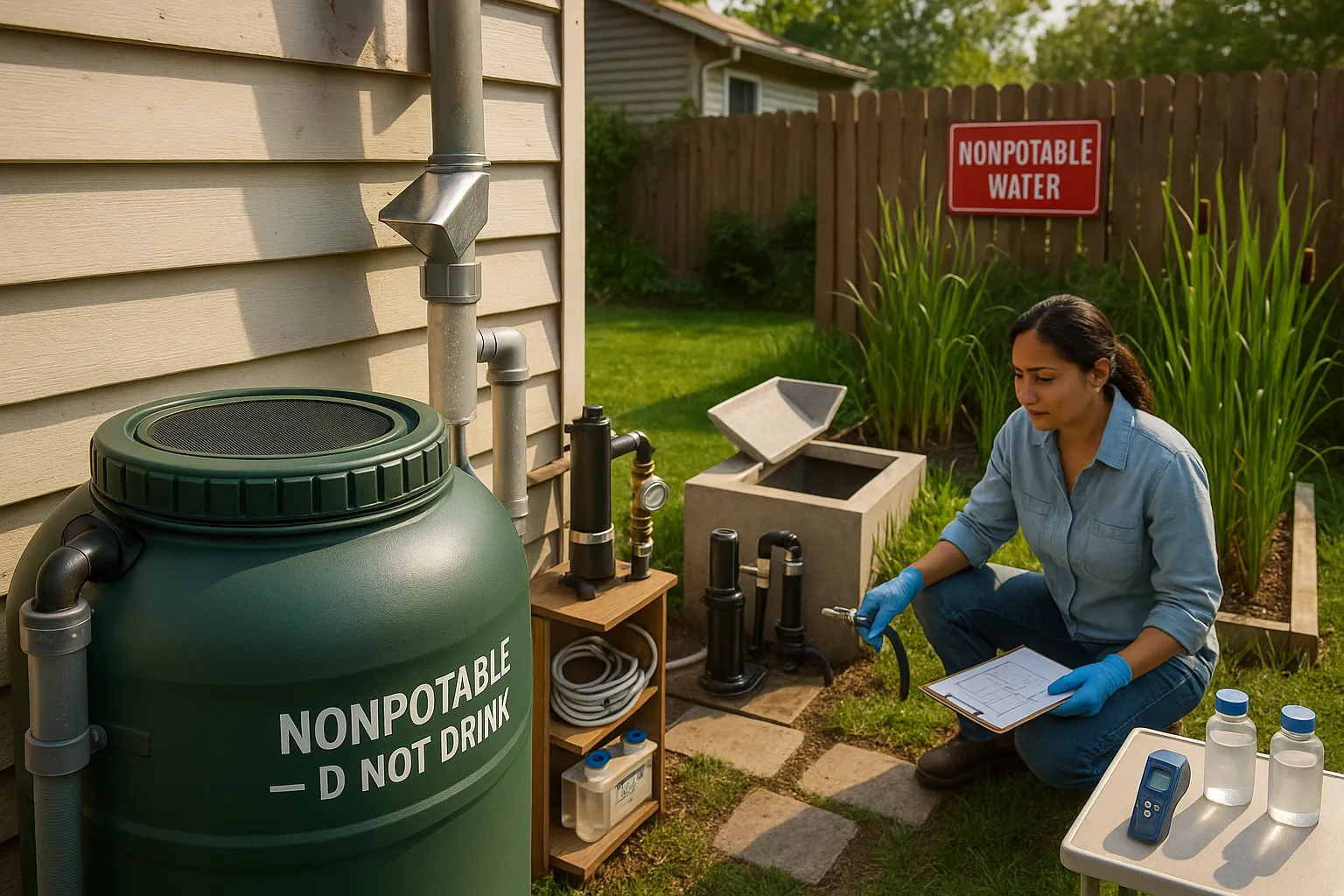
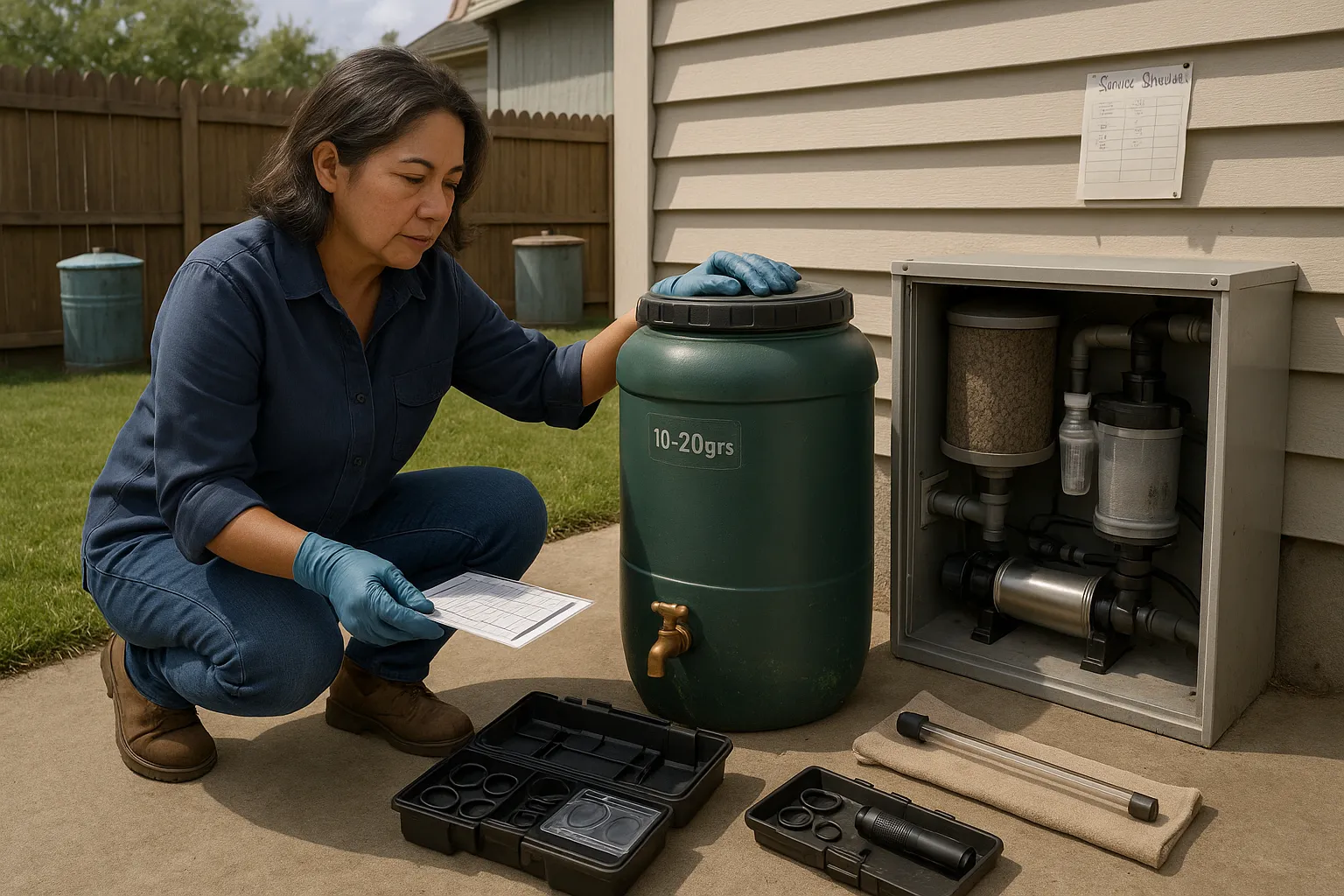
Water butt components are simple: gutter filter, downpipe connector, tank, outlet tap, and overflow. Flow is roof → gutter → downpipe → tank → tap/pump. Greywater systems include collection plumbing, filters (mesh, sand, or cartridge), storage or surge tanks, pumps, distribution lines, and sometimes treatment modules (biological or UV). Flow is fixture → filter → storage/tank → reuse point. Use this map to compare complexity and control.
Common Uses And Water Sources
Fact: Water butts use rain: greywater uses household wastewater. Both serve outdoor irrigation, but greywater can serve indoor nonpotable uses with proper treatment.
Typical Uses For Water Butt (Rainwater)
You typically use water butt water for garden watering, car washing, and filling bird baths. Rainwater is low in chlorine and salt, which many plants prefer. In the UK, the Royal Horticultural Society notes rainwater helps soil biology. You rarely use rainwater indoors without significant treatment: regulations often restrict potable uses.
Typical Uses For Greywater (Household Wastewater)
You commonly route greywater to garden irrigation, subsurface drip lines, or toilet cisterns. Greywater suits large irrigation needs because shower and laundry flows are consistent. With filtration and disinfection, you can use greywater for toilet flushing. Many Australians in Sydney install greywater to reduce strain during droughts: California homeowners reuse treated greywater under guidance from the California Department of Water Resources.
Installation And Cost Considerations
Fact: Water butts are low-cost and DIY-friendly: greywater systems often require professional plumbing and higher upfront cost.
Easy DIY Or Low-Cost Water Butt Installations
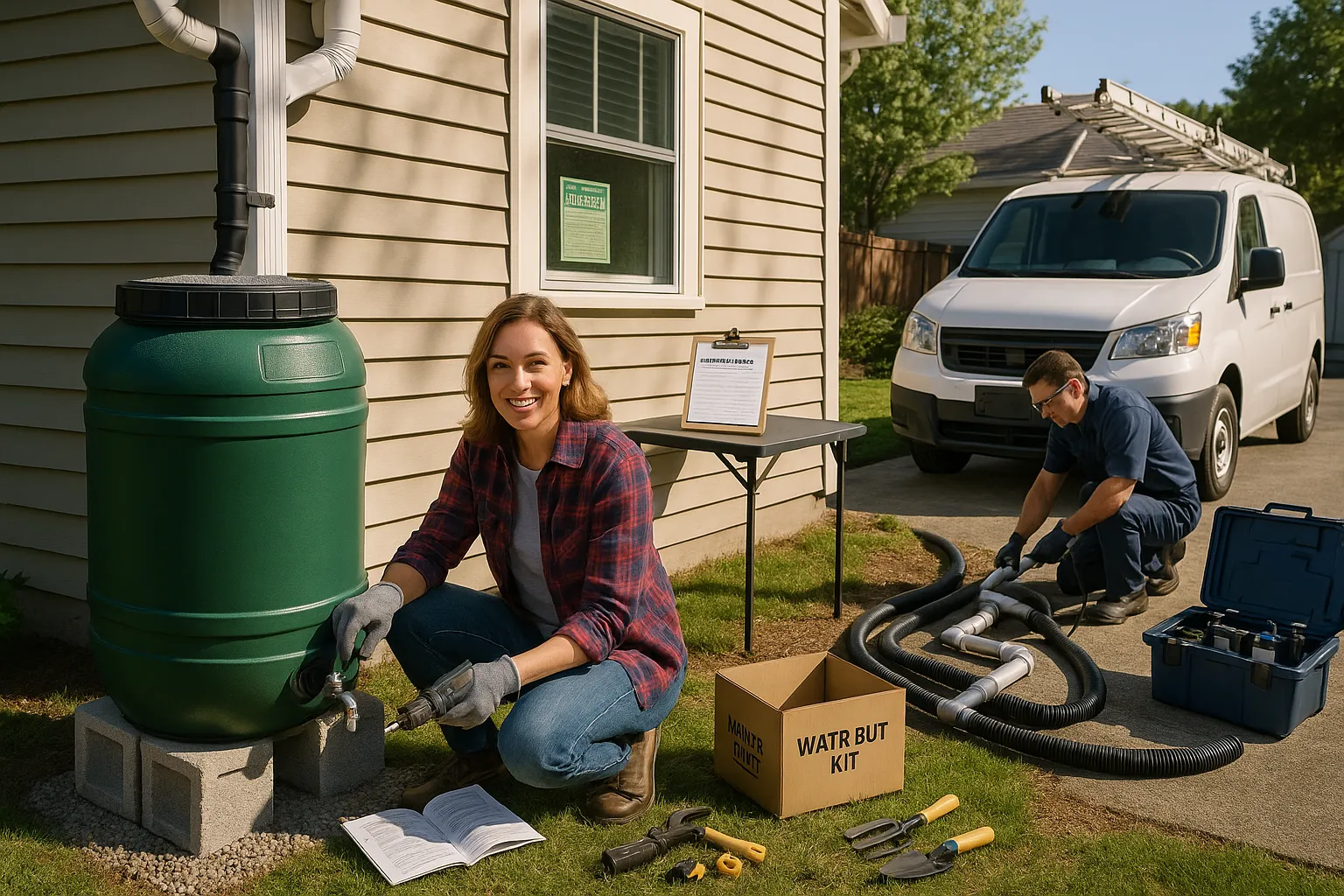
You can buy a water butt kit for $50–$300 and install it in a weekend. Kits include downpipe adapters, first-flush diverters, and taps. Place the tank on a level, compacted base or concrete slab. For gravity-fed systems, elevate the butt on blocks for better pressure. Small mistakes, like poor screening, invite mosquitos or leaves, so install a fine mesh.
Professional Installation And Plumbing For Greywater Systems
Greywater systems commonly need a licensed plumber and sometimes an electrician. Costs vary: basic diverter setups might run $300–$1,000: full mechanical treatment systems often cost $2,000–$8,000 or more. Professional work reduces risks of cross-connection with potable lines and ensures pumps, floats, and treatment meet standards.
Permits, Building Codes, And Insurance Considerations
You must check local codes. The U.S. EPA and many state agencies provide greywater guidance: places like California have specific codes (CalGreen). Some insurers ask to be notified about installed greywater systems. For rainwater tanks, building permits are usually simpler but large tanks may trigger requirements. Always confirm with your municipality.
Water Quality, Safety, And Treatment Needs
Fact: Rainwater has lower chemical load but can carry roof contaminants: greywater has higher biological load and often needs treatment before reuse.
Water Quality Differences And Risk Profiles
Rainwater tends to be low in salts and free from household soaps, but rooftops can introduce bird droppings, copper, or zinc from flashings. Greywater contains detergents, skin oils, and microbes. The World Health Organization (WHO) warns that untreated greywater can carry pathogens, so you must manage exposure risk.
Treatment, Filtration, And Storage Best Practices
For water butts use leaf diverters, first-flush devices, and a secure lid to reduce contamination. Add a coarse filter and a UV or carbon filter only if you plan indoor nonpotable uses. For greywater, install settling tanks, sand filters, and biological treatment (constructed reed beds or aerobic filters). Use pumps with backflow prevention and label nonpotable outlets.
Legal And Health Restrictions On Uses (Potable Vs. Nonpotable)
Most jurisdictions prohibit potable use of rainwater or greywater without certification. You may use treated greywater for toilet flushing where local code allows. Always post signs for nonpotable fixtures and avoid spray irrigation of edible crops unless treatment is proven and regulations permit.
Maintenance, Longevity, And Reliability
Fact: Water butts demand simple seasonal upkeep: greywater systems require regular checks and periodic part replacements.
Routine Maintenance Tasks For Water Butts
You should clean gutters and screens monthly in leaf season, empty and scrub tanks yearly, and check taps and seals. Pumps need annual checks. Neglect leads to stagnation and mosquito breeding. A small risk: algae can grow if lids leave light, so keep tanks opaque.
Maintenance Requirements For Greywater Systems
You must inspect filters weekly early on, then monthly once the system stabilizes. Pumps, valves, and UV bulbs require scheduled replacement. Biological filters need periodic desludging. Expect to spend more time on maintenance than a water butt, it’s part of the trade for higher reuse capability.
Typical Lifespan And Troubleshooting Tips
Plastic water butts can last 10–20 years: metal tanks often last longer if coated. Greywater pumps and mechanical parts typically last 5–10 years and need budget for replacement. If flow slows, check for blockages in filters or grease buildup. If odors appear, increase aeration or check for anaerobic pockets.
Environmental Impact And Water Savings
Fact: Both systems reduce mains water demand, but greywater often saves more liters at scale while water butts lower stormwater runoff.
Potential Water Savings And Carbon/Resource Benefits
A single household can save 20–50% of outdoor water use with a water butt. Greywater reuse can cut overall household water use by 30% or more, especially if used for toilet flushing and irrigation. Reduced demand lowers energy used in treatment and transport, the EPA reports water reuse often reduces embedded carbon compared with new potable supply.
Risks To Soil, Plants, And Local Ecosystems
Greywater with high sodium or harsh detergents can harm soil structure or plants over time: choose low-sodium, biodegradable products. Surface irrigation with greywater risks contact by children or pets, so subsurface drip is safer. Rainwater runoff capture reduces erosion and nutrient loading in storm drains, benefiting local streams.
Choosing The Right System For Your Home
Fact: Your property size, climate, and water priorities determine the best choice: sometimes both systems together deliver the most benefit.
Decision Factors: Property, Climate, And Water Needs
If you have heavy roof catchment and seasonal rain (e.g., Seattle or London), a water butt delivers low-cost savings. If you live in a dry region with persistent indoor water use (e.g., California or parts of Australia), greywater can deliver bigger, year-round savings. Consider space for tanks, soil percolation, and whether you want low-maintenance or higher-effort reuse.
Cost-Benefit Comparison And Use-Case Scenarios
For a gardener on a small budget, start with a water butt: low cost, immediate benefit. For a family of four aiming to cut bills and water footprint, invest in a greywater system for toilets and irrigation: payback can occur in 5–10 years depending on water prices and incentives. Factor in maintenance time and replacement parts when you run the numbers.
How To Combine Systems For Maximum Benefit
Combine systems to maximize savings: capture rain in water butts for top-up irrigation and route greywater for toilet flushing and subsurface irrigation. Use a simple diverter to prioritize greywater for toilets during dry spells, and let rainwater refill storage after storms. If you decide to proceed, consult a licensed plumber, check guidance from the EPA or your state agency, and start small with scalable components so you can learn before you expand. Consider rebates, programs in many municipalities offset costs, and start reducing your mains use today.
To provide the best experiences, we use technologies like cookies to store and/or access device information. Consenting to these technologies will allow us to process data such as browsing behaviour or unique IDs on this site. Not consenting or withdrawing consent, may adversely affect certain features and functions.
Functional
Always active
The technical storage or access is strictly necessary for the legitimate purpose of enabling the use of a specific service explicitly requested by the subscriber or user, or for the sole purpose of carrying out the transmission of a communication over an electronic communications network.
Preferences
The technical storage or access is necessary for the legitimate purpose of storing preferences that are not requested by the subscriber or user.
Statistics
The technical storage or access that is used exclusively for statistical purposes.The technical storage or access that is used exclusively for anonymous statistical purposes. Without a subpoena, voluntary compliance on the part of your Internet Service Provider, or additional records from a third party, information stored or retrieved for this purpose alone cannot usually be used to identify you.
Marketing
The technical storage or access is required to create user profiles to send advertising, or to track the user on a website or across several websites for similar marketing purposes.