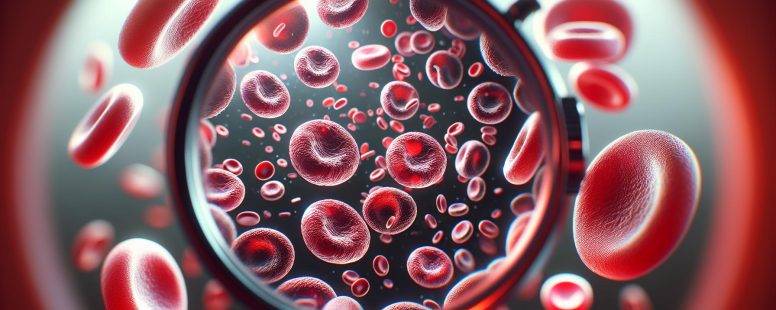
Hypertonic solutions have a higher solute concentration compared to the fluid inside a cell, causing water to move out of the cell through osmosis. This water movement leads to cell shrinkage, a process called crenation.
Definition And Characteristics
Hypertonic solutions contain more solutes outside a cell than within. This imbalance forces water to diffuse out of the cell. Cell volume decreases as the cytoplasm loses water. Common solutes include salts, sugars, and proteins. Osmotic pressure increases with solute concentration, further driving water to exit cells.
Key characteristics of hypertonic solutions:
Higher osmotic pressure outside the cell.
Dehydrating effect on cells.
No net inward water movement.
Real-World Examples
Hypertonic saline solutions (e.g., 3% sodium chloride) are used in medical settings to treat hyponatremia. These solutions restore sodium levels by drawing water out of swollen cells. Seawater, another hypertonic example, dehydrates cells if consumed. Also, preserving foods with salt or sugar creates a hypertonic environment, preventing microbial growth.
Understanding Hypotonic Solutions
Hypotonic solutions have lower solute concentrations compared to the fluid inside a cell, causing water to move into the cell through osmosis. This water movement results in cell swelling and, in some cases, lysis or bursting.
Definition And Characteristics
Hypotonic solutions contain fewer dissolved solutes than the cell’s cytoplasm. Water enters the cell to equalize solute concentrations, increasing intracellular volume. Cells in hypotonic environments experience osmotic pressure inward. This contrasts with hypertonic solutions that draw water out.
Key characteristics include lower osmotic pressure outside the cell, water movement into the cell, and the potential for cellular expansion or bursting. Hypotonicity is essential in medical, biological, and hydration contexts when regulating cellular balance.
Real-World Examples
Medical practices often use hypotonic solutions like 0.45% saline (half-normal saline) for hydrating cells in dehydrated patients. Plant cells placed in hypotonic environments absorb water, creating turgor pressure, which helps maintain rigidity. Freshwater environments serve as another example, where unicellular organisms like amoeba manage water influx through contractile vacuoles to prevent cell lysis.
Key Differences Between Hypertonic And Hypotonic
Hypertonic and hypotonic solutions differ in solute concentration relative to the fluid inside a cell, affecting water movement and cell behavior. Understanding these differences is vital in biology, medicine, and related fields.
Effects On Cells
Hypertonic solutions cause water to exit cells. This movement leads to cell shrinkage or crenation as the cell’s volume decreases. For example, red blood cells in hypertonic saline lose water and shrink.
Hypotonic solutions cause water to enter cells. Water influx results in cell swelling, and excessive swelling may cause lysis, where the cell bursts. For example, placing a cell in distilled water, a hypotonic solution, may cause it to rupture.
Applications In Medicine And Science
Hypertonic solutions treat specific conditions. Hypertonic saline (3% NaCl) helps reduce brain swelling or treat severe hyponatremia. These solutions are also used to extract water from microbial cells, preserving food.
Hypotonic solutions hydrate and support cell function. For example, 0.45% saline rehydrates patients with intracellular dehydration. Hypotonic environments benefit certain organisms, like plants maintaining turgor pressure in dilute soils.
Importance Of Understanding These Concepts
Understanding hypertonic and hypotonic solutions helps you grasp how fluid balance affects cellular behavior. These concepts impact fields like biology, medicine, and hydration management.
Practical Implications
Hypertonic and hypotonic solutions play distinct roles in medical treatments. You use hypertonic solutions, such as 3% saline, to reduce brain swelling or treat severe hyponatremia. Conversely, you apply hypotonic solutions, like 0.45% saline, for rehydration to restore fluid inside cells. These practices rely on knowledge of water movement across cell membranes.
Food preservation also benefits from these principles. Salt or sugar creates hypertonic environments to inhibit the growth of bacteria or molds. For example, salted meats or sugary jams prevent spoilage by drawing water out of bacterial cells.
In natural environments, organisms manage these solutions’ effects to survive. Freshwater organisms in hypotonic environments regulate water intake to avoid cell swelling. Marine organisms adapt to hypertonic sea conditions to prevent dehydration.
Learning Recommendations
Focus on understanding osmosis to clarify how water moves in response to solute concentrations. Study how cells react to hypertonic and hypotonic conditions, including swelling, shrinking, or lysis effects.
Use visual aids like diagrams showing water movement across membranes. Observe real-life examples, such as red blood cell reactions in saline or freshwater organisms’ adaptations. Practice applying these concepts in scenarios like IV fluid selection or environmental biology cases.
Conclusion
Understanding the differences between hypertonic and hypotonic solutions is crucial for appreciating how cells maintain balance and function in various environments. These concepts not only deepen your knowledge of cellular processes but also reveal their practical applications in medicine, biology, and daily life.
By exploring how water movement impacts cells, you gain valuable insights into hydration, medical treatments, and even food preservation. Whether you’re studying biology or applying these principles in real-world scenarios, grasping the effects of solute concentration on cells equips you to make informed decisions and appreciate the intricate balance of life.
To provide the best experiences, we use technologies like cookies to store and/or access device information. Consenting to these technologies will allow us to process data such as browsing behaviour or unique IDs on this site. Not consenting or withdrawing consent, may adversely affect certain features and functions.
Functional
Always active
The technical storage or access is strictly necessary for the legitimate purpose of enabling the use of a specific service explicitly requested by the subscriber or user, or for the sole purpose of carrying out the transmission of a communication over an electronic communications network.
Preferences
The technical storage or access is necessary for the legitimate purpose of storing preferences that are not requested by the subscriber or user.
Statistics
The technical storage or access that is used exclusively for statistical purposes.The technical storage or access that is used exclusively for anonymous statistical purposes. Without a subpoena, voluntary compliance on the part of your Internet Service Provider, or additional records from a third party, information stored or retrieved for this purpose alone cannot usually be used to identify you.
Marketing
The technical storage or access is required to create user profiles to send advertising, or to track the user on a website or across several websites for similar marketing purposes.