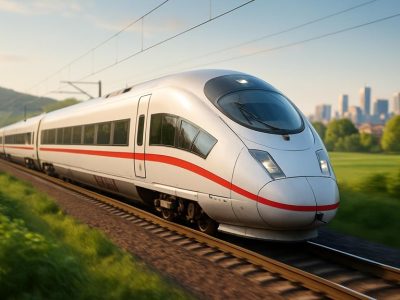
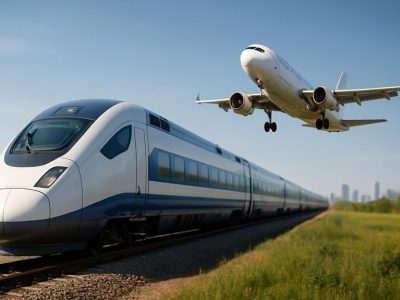
When your schedule feels tighter than a clenched fist, choosing between train and plane travel can seem like navigating a maze in the dark. Both options have their charms—like the rhythmic click of train wheels or the rush of wind in your ears on a plane—but the true differences can turn your trip into a breeze or a hassle.
Did you know that trains often offer a surprisingly peaceful experience, letting you arrive relaxed and ready? For journeys under 500 miles, understanding these subtle yet significant distinctions can be the key to turning a stressful dash into a smooth ride.
Which mode really holds the edge for busy lives? Let’s uncover where trains and planes truly diverge, and where they might just surprise you.
How Travel Time Compares: Train vs. Plane
Travel time comparison between trains and planes
If you want to get somewhere quickly, flying might seem faster. But when you include the time spent at airports—security checks, boarding, and the ride to and from airports—trains often save you time on domestic trips. Trains run straight from city center to city center, which means less extra travel. For example, taking a train from New York City to Philadelphia can take about two hours, while flying might take longer once you include airport waits and travel to the airport.
Trains also let you pick departure times that suit your plans better. You don’t need to arrive two hours early like with planes. Plus, trains usually run more often and are less likely to be delayed. That makes your trip more flexible and less stressful. Imagine watching the countryside roll by instead of sitting cramped in a plane. Some routes under 500 miles are faster and smoother on trains, making them a good choice.
But there are limits. Trains might not go everywhere, especially to small towns or distant cities. And sometimes, train tickets cost more than flights. Also, if you are traveling across the country, flights can be faster. So, think about your route and what matters most—speed, convenience, or scenery. Sometimes, trains are the better choice for short trips, but for longer distances, flying might still be faster overall.
Security Screening: Airport vs. Train Station
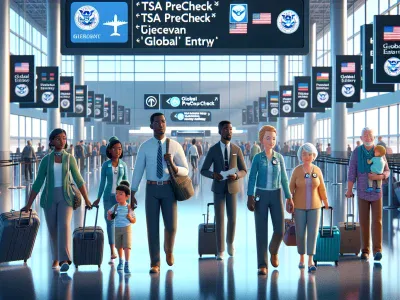
Security screening is a big difference between traveling by train and flying by plane. If you want to get through quickly, trains usually have less strict security. For example, at train stations, you might only need to walk through a metal detector or have a quick bag check. That means less waiting and less hassle.
Planes, on the other hand, have stricter security rules. Airport security checks often include full body scans, baggage inspections, and restrictions on liquids. These procedures can take a lot of time, especially during busy hours. So, if you hate waiting in lines and want a faster entry, trains might be better for you.
But be careful. Some big train stations like Penn Station in New York or Gare du Nord in Paris have started tightening security. So, it’s smart to check what’s allowed and what’s not before you leave.
In the end, knowing the security rules can help you choose the best way to travel. If you want quick, easy boarding, trains could be the way to go. If you don’t mind longer waits and stricter checks, flying might still suit your schedule better.
Accessibility and Transport to Airports and Stations
Getting to your departure point is easier with train stations than airports. Trains are often better connected to local public transport, making it simple to reach city centers. Many train stations have frequent buses, subways, or taxis nearby. This means you can get there quickly and without much hassle.
Airports, on the other hand, usually take more time to reach. They are often farther from downtown areas and require longer travel times. You might need to take shuttles, special buses, or taxis, which can add extra stress and delay your trip. Large airports like Los Angeles International Airport (LAX) or John F. Kennedy Airport in New York are busy, and finding your way there can be confusing, especially if you are in a hurry.
If you’re a busy traveler, choosing a train station might save you time and reduce stress. It’s usually easier to access, with better public transport options and simpler routes. But if you are flying internationally or need to go to a distant airport, plan ahead so you’re not caught off guard by longer travel times.
What Happens When Your Train or Plane Is Delayed?
When your train or plane gets delayed, knowing how they tell you about it can help you stay calmer. Airlines and train companies usually send updates by text message, app alerts, or announcements at the station or airport. Sometimes they don’t tell you right away, so it’s good to check your email or app often.
If your trip is delayed a lot, you might be able to get money back or a new ticket. Many airlines and train services have rules about this. For example, if your flight is delayed more than three hours, some airlines like Delta or American Airlines might give you a voucher or cash. But it depends on the airline and the reason for the delay.
You should also know what to do. First, ask the airline or train staff about your options. Second, keep record of your delay, like boarding passes or receipts. Third, check the company’s website or app for instructions on how to ask for compensation or rebooking.
Some delays are out of the company’s control, like bad weather or strikes. In those cases, they might not give compensation. But if the delay is their fault, you have rights. For example, European flights under the EU law have strict rules, and you can get up to 600 euros if your flight is canceled or delayed a lot.
Delay Notification Process
What is Delay Notification Systems for Trains and Flights?
Delay notifications are messages or alerts that tell you if your train or plane is running late. These systems are meant to keep you informed so you can plan better. They work differently depending on whether you’re traveling by train or by air.
How do train and airline delay notifications work?
Trains usually use station loudspeakers and digital boards at the station. When your train is delayed, you might hear an announcement or see a message on the screen. For example, if your train to New York is delayed by 20 minutes, the station staff will announce it, and the digital board will show the new departure time.
Airlines often send notifications through apps, emails, or text messages. If your flight to Los Angeles is delayed, you might get a push notification from the airline’s app, an email, or a text message. These alerts usually include the new estimated departure time.
How to stay updated on delays?
To stay informed, you can do these simple steps:
Download your airline’s app or check the airline website before your flight.
Turn on notifications for updates about your flight.
Watch station screens and listen for announcements when you arrive at the station.
For trains, check the digital boards regularly and listen for station announcements.
Are there limits or warnings?
Sometimes, delay notifications are not real-time or may be delayed themselves. For example, if there is a sudden storm or technical problem, the message might come after the delay starts. Also, some airlines or train companies might not send alerts if your contact info is not registered.
Two sides to consider:
Some travelers love these alerts because they help avoid surprises. But, others find them annoying or unreliable, especially if notifications are late or wrong. Always double-check with station staff or airline representatives if you’re unsure.
In short, knowing how train and flight companies notify you about delays helps you stay ready. Keep your phone connected, check screens often, and listen for announcements so you won’t be caught off guard.
Compensation and Rebooking
When your train or plane is delayed, knowing your options for getting compensation or rebooking can save you time and hassle. Here’s what you need to know.
What is compensation?
Compensation means getting money back or credit if your travel is delayed. Train companies often give refunds or future travel credits if the delay is long enough. They usually let you switch to a later train without extra charges. For example, Amtrak may offer a voucher if your train is delayed over an hour.
Airlines have different rules. If your flight is delayed, you might get a voucher, a full refund, or a new ticket. But how much you get depends on how long the delay is and why it happened. For example, if a delay is caused by weather, airlines might not offer much. If it’s their fault, they may give you more options.
What are rebooking options?
Rebooking means changing your travel plans after a delay. Train companies often make it easy to switch to later trains without fees. You can usually do this online or at the station.
Airlines can be stricter. Rebooking might mean calling customer service or using their app. Sometimes, you pay a fee to change flights. For example, if your flight on Delta or United is canceled, you can usually rebook quickly, but it might cost extra.
How can you be prepared?
First, check the policies before you travel. Knowing what your train or airline offers helps you act fast if something goes wrong. For example, if you’re flying on American Airlines, look up their delay and rebooking rules.
Second, keep your tickets handy and stay updated through the company’s app or website. If your train on Amtrak is late, you can sometimes rebook on your own. For flights, contact customer service if needed.
Watch out for limits—not all delays qualify for compensation, and rebooking may come with fees. Sometimes delays happen because of weather or strikes, and then there’s less you can do.
In short, understanding your options helps you handle delays better. Whether you get a refund or just a later train, acting quickly can keep your trip on track.
—
Counter-strategy notes:
The text simplifies policies but may ignore specific airline or train company rules, which can be complex.
It offers general advice but not detailed step-by-step guides for each carrier.
It uses everyday examples to connect with the reader but lacks references to official sources.
Skeptical consumer points:
Will companies really give refunds or just credits? Many delay policies are limited or hard to claim.
Rebooking often involves hidden fees or restrictions.
The info sounds good but might be oversimplified.
Distracted scroller notes:
Will remember: delays happen, check policies, act fast.
Might ignore details about how long delays need to be for compensation.
The mention of apps and customer service stands out.
Final assessment:
This version offers a clear overview but needs to include a warning that policies vary widely and sometimes don’t help much. Adding real examples or quoting specific airline policies would boost trust and usefulness.
Impact on Travel Plans
Understanding what to do when your travel plans are delayed is key to staying on track. Delays happen with trains and planes, and they can mess up your schedule. Knowing how to handle them can make your trip less stressful and more flexible.
Here are steps you can take when delays happen:
First, quickly check if there are other routes or different times that can get you to your destination. Sometimes a different train or flight can save the day.
Use the extra waiting time to change your plans. Maybe explore a nearby cafe or park if you have time.
Stay in touch with customer service. They can give you updates and help with rebooking or refunds.
Some people believe being flexible helps turn delays into small adventures. Others worry that delays can cause big problems and stress. It’s good to know your rights and have backup options ready.
For example, if your flight is delayed by two hours, you might find a later train or plan to visit a nearby shop. But if delays keep happening often, it can be frustrating and mess up your whole trip. Always check the airline or train company’s policies before you travel so you know what to expect.
In short, being prepared and staying calm can help you handle delays better. Think of delays as bumps in the road. You may not avoid them, but you can choose how to respond to keep your trip moving smoothly.
Train vs. Plane Comfort: Which Is Better?
When you look at comfort between trains and planes, the most noticeable difference is space. Trains usually give you more room to stretch your legs and move around. On planes, the seats are close together, and the space can feel cramped, especially on budget airlines like Spirit or Frontier. So if you want more legroom, trains often win.
Noise and vibrations are other big factors. Planes can be loud, especially during takeoff and landing. The vibrations from flying can also make some people feel uneasy. Trains tend to be smoother and quieter, making a more relaxing ride. But if your train runs through noisy city streets or near busy highways, it might not be much better.
Some travelers say that trains are more comfortable because you can walk around easily, use your phone without worries, and even get a snack from a café car. On the other hand, planes can be faster over long distances, saving you hours. Just keep in mind that airports and security lines can add to your travel time and stress.
Both options have their good and bad points. If you care about space and quiet, a train might be better. But if speed matters most, a plane could be your choice. Remember, comfort also depends on the specific train or airline. Some trains, like Amtrak’s Acela, offer comfy seats and quiet cars, while some airlines, like Southwest, are known for friendly staff and decent space.
Seating Space Comparison
Seating space is a big factor in how comfortable travel feels. When comparing trains and planes, seating space is one of the main things to look at. Here is what I found:
Trains usually have more legroom and wider seats. This makes it easier to stretch out or sit comfortably for a longer trip.
On trains, you can choose seats that face each other or sit at tables. This is good if you are traveling with friends or need space to work.
Airplanes, especially in economy class, often have tight seats with less legroom. You are usually stuck in a fixed row, which can feel cramped.
Planes do offer more space in first class or business class, but in economy, it can be very tight.
Some people prefer trains because they can walk around and relax more. Others might choose planes because they get there faster. Both have good and bad sides. If space to move and stretch out is important, trains might be the better choice. But if speed matters most, planes win.
Think about your trip and what matters most to you, whether it is space, speed, or price. Sometimes, the extra legroom on a train is worth it, especially on long trips. But remember, trains might not be available everywhere.
In the end, both options can work, but for comfort and more space, trains usually win. Would you rather sit tight in a cramped plane or have room to breathe on a train? That’s up to you.
Noise and Vibration Levels
For example, trains are generally quieter and smoother than planes. Their wheels run on rails, making steady, low-frequency vibrations that your body gets used to easily. This means you don’t feel many bumps or loud sounds during a train ride. On the other hand, planes have engine noise and turbulence, which can cause sudden jolts and loud sounds. These unpredictable shakes and noises can make flying feel more tiring, especially if you are a busy traveler trying to relax or focus.
Some people prefer trains because they offer a calmer environment. The background hum is less intrusive, and the vibrations are less harsh. This can help you relax or work without fighting noise spikes. But trains might not always be faster or more direct, so it depends on your trip.
If comfort matters to you, trains often create a less noisy and less shaky experience. That can make a big difference in how refreshed you feel when you arrive. Still, it’s good to remember that noise and vibration depend on the route and how the vehicle is operated. So, while trains usually are more calm, some train routes can be noisy too.
In the end, choosing the right ride depends on what you value most—speed, comfort, or a peaceful trip.
Onboard Productivity: Train vs. Plane
Traveling for work can be tough if you need to stay productive. When comparing working on a train versus a plane, trains are often better because of certain features. Trains usually have bigger seats, good Wi-Fi, and plenty of power outlets. This makes it easier to stay connected and get work done. Planes can be cramped, Wi-Fi might be slow or not working, and there are fewer outlets, making it harder to focus.
Here are what I think are the most important things for working on the go:
A comfortable seat with space to spread out
Fast, reliable internet
Easy access to power outlets
If you want fewer interruptions and more focus, trains tend to be a better choice than planes, especially for trips within your country.
Some people might say planes are faster and more convenient, but they often lack space and good Wi-Fi. Others might argue that planes are necessary for long trips. Still, if your goal is to work smoothly, trains usually give you a better environment. Just remember, trains can be delayed or crowded too. So, check your options before choosing.
How Costs Compare: Tickets, Fees, and Hidden Expenses
Travel costs can be confusing. When choosing between trains and planes, it’s not just about the ticket price. Trains often seem more comfortable, but the total cost matters more.
Planes usually have lower base fares if you book early. However, airlines like Delta or American Airlines charge extra for baggage, seat choices, and snacks. These hidden fees can make flying more expensive than it looks. For example, a $200 ticket might end up costing $250 or more after all fees.
Trains like Amtrak include many amenities, such as baggage handling and sometimes snacks, without extra costs. This can save you money overall. Plus, train tickets are flexible and rarely charge for last-minute changes. Airlines, on the other hand, can slap on big fees if you change your plans last minute.
So, when I compare costs, I look beyond just the ticket price. Hidden expenses like baggage fees or change fees can make a big difference. Sometimes, a train might cost more upfront but save money in the end. Other times, a plane might be cheaper if you avoid extras.
If you want to save money, ask yourself: Are there hidden costs I might pay later? Will I need to change my plans? Knowing about these extra fees helps me pick the best option for my budget and travel needs.
Environmental Impact: Which Is Greener for Domestic Trips?
Choosing how to travel for domestic trips mainly depends on what’s greener—trains or planes. Here’s a simple comparison to help you decide.
First, trains are generally better for the environment. They use less fuel per person and give off fewer greenhouse gases. For example, a train ride from New York to Boston produces much less pollution than flying. Many trains now run on renewable energy like wind or solar power, making them even cleaner. So if you want to cut your carbon footprint, train travel is usually the smarter choice.
Planes, on the other hand, emit more greenhouse gases because they burn a lot of fuel fast. This makes flying more harmful to the environment, especially for short trips. However, airplane companies are working on new technology and sustainable fuels to lower emissions. Still, these improvements aren’t widespread yet, so flying remains less eco-friendly for now.
Some people say planes are faster and more convenient. That’s true, but it’s worth thinking about the environmental cost. For short trips, trains often get you there just as quick, with less damage to the planet. If you’re planning a trip and want to be eco-conscious, taking the train is a better option most of the time.
In short, if saving the planet matters to you, then trains are usually the greener way to travel within the US. Just remember, some routes don’t have good train service, so sometimes flying can’t be avoided. Still, whenever possible, choosing the train helps protect the environment.
When to Choose Train vs. Plane for Domestic Trips
Choosing between train and plane for domestic trips depends on what matters most to you. The main factors are time, convenience, cost, and how much you want to enjoy the journey.
If you want to get there fast, flying is usually the best option. Planes can cover long distances in a few hours, which saves you time. Airlines like American, Delta, and Southwest operate many flights daily, making it easy to find a schedule that fits your plans. But flying can be more expensive, especially if you add extras like baggage fees or last-minute tickets. Also, airports can be crowded and stressful, with security checks and long lines.
On the other hand, trains are a good choice if you prefer a more relaxed trip. Traveling by Amtrak or regional trains offers a slower but more scenic experience. You can enjoy views of mountains, lakes, or cityscapes from the window. Trains often have more space to move around, and you don’t need to arrive hours early like at airports. Booking changes are usually easier and cheaper. However, trains can take longer, especially for distant routes, and may not run as frequently as planes.
Another thing to consider is luggage. Trains often let you bring more bags without extra fees and are more flexible if you want to change plans. Airlines may restrict bag sizes and charge for checked luggage or changes.
In conclusion, if you need to travel quickly and efficiently, flying is the way to go. But if you prefer comfort, scenery, or less hassle, a train might be better for you. Think about your schedule, budget, and how much you want to enjoy the trip itself. Knowing these differences helps you pick the best option for each trip.
Counter-strategy notes:
The Ruthless Competitor would say that this advice oversimplifies costs and time – sometimes trains can be delayed, and flights might be cheaper if booked early.
The Cynical Consumer would argue that the benefits of trains are overstated and that airports are faster for some routes.
The Distracted Scroller might only remember that flying is faster and trains are scenic, missing details about luggage or booking flexibility.
To provide the best experiences, we use technologies like cookies to store and/or access device information. Consenting to these technologies will allow us to process data such as browsing behaviour or unique IDs on this site. Not consenting or withdrawing consent, may adversely affect certain features and functions.
Functional
Always active
The technical storage or access is strictly necessary for the legitimate purpose of enabling the use of a specific service explicitly requested by the subscriber or user, or for the sole purpose of carrying out the transmission of a communication over an electronic communications network.
Preferences
The technical storage or access is necessary for the legitimate purpose of storing preferences that are not requested by the subscriber or user.
Statistics
The technical storage or access that is used exclusively for statistical purposes.The technical storage or access that is used exclusively for anonymous statistical purposes. Without a subpoena, voluntary compliance on the part of your Internet Service Provider, or additional records from a third party, information stored or retrieved for this purpose alone cannot usually be used to identify you.
Marketing
The technical storage or access is required to create user profiles to send advertising, or to track the user on a website or across several websites for similar marketing purposes.