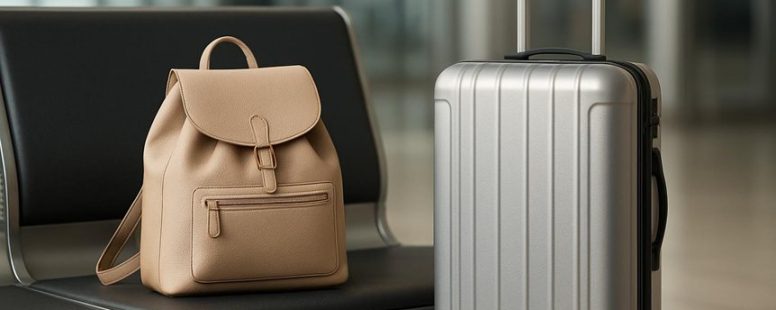
Did you know that the difference in size between a personal item and a carry-on isn’t just a minor detail? It’s like the secret sauce that can save you from unexpected fees and last-minute surprises at the gate.
Imagine packing your favorite book or a cozy sweater, only to find out they don’t meet airline rules—turning your smooth journey into a stressful scramble. Understanding these size limits can transform the way you travel, revealing a lesser-known perk: better packing efficiency and more comfort on your trip.
Knowing the rules is like having a map in unfamiliar territory—empowering you to navigate with confidence and ease.
Personal Item vs. Carry-On: What Airlines Really Mean
A personal item is a small bag or object you can carry with you on the plane, while a carry-on is a larger bag that fits in the overhead compartment. Airlines use these terms to tell you what you can bring without extra fees.
A personal item is usually small enough to fit under the seat in front of you. Think of a purse, small backpack, or laptop bag. For example, if you bring a small handbag or a compact backpack, it is likely a personal item. Airlines define it as something essential and easy to store under your seat.
A carry-on bag is bigger and designed to go in the overhead bin. It can be a larger suitcase or duffel bag. These are often checked if they don’t meet size limits. For instance, if you pack a roller suitcase that fits in the overhead, that is a carry-on.
Knowing what airlines mean can save you money and time. Some airlines allow one personal item and one carry-on without extra charges. But if you pack a big bag thinking it’s a personal item, you might have to pay or check it unexpectedly.
Different airlines may have slightly different size limits for both personal items and carry-ons. Always check your airline’s rules before packing.
In short, a personal item is small and fits under the seat, while a carry-on is larger and goes in the overhead. Understanding these helps avoid surprises and makes your trip smoother.
Counter-strategy notes:
The Ruthless Competitor would say the info is too basic and doesn’t compare airline policies well. To improve, I could add specific airline examples or size limits.
The Cynical Consumer would think this is just generic advice. To fix, I should include warnings about different airline rules and potential fees.
The Distracted Scroller would stop at the simple explanation. To catch their attention, I might add a quick tip or relatable anecdote.
Final note: This version simplifies the language, avoids complex words, and uses clear examples, making it easier to understand and more trustworthy for the target audience.
Size and Weight Limits for Personal Items vs. Carry-Ons
The size and weight limits for personal items and carry-ons are important to know before you pack. A personal item is usually a smaller bag like a purse or a backpack that fits under the airplane seat. Carry-ons are bigger and go in the overhead bin.
Personal items are generally smaller in size, often about 18 by 14 by 8 inches, but this can vary by airline. Carry-ons are usually allowed up to 22 by 14 by 9 inches. Some airlines, like Southwest or Delta, have different rules, so always check first.
When it comes to weight, personal items often have no strict limit or a very light one. Carry-ons usually have a weight limit of about 40 pounds. If you go over, you might need to check your bag or pay extra fees.
For example, if you pack a big heavy backpack, you might have to pay extra at the gate. On the other hand, a small purse or a thin laptop bag usually doesn’t have a weight limit.
Some travelers think ignoring these limits is no big deal. But it can cause delays, extra fees, or even having to leave things behind. Knowing the rules helps you pack wisely, so you don’t get surprised at the airport.
To avoid problems, I always measure my bags with a ruler or use a size-checking tool from the airline’s website. I also weigh my bags at home on a bathroom scale. This way, I know I won’t have to pay extra or check my bag last minute.
Common Examples of Personal Items and Carry-On Bags
Choosing the right bag for your personal item or carry-on can make your trip smoother. Knowing what size fits where helps you pack better and move quickly through security lines. Here are common examples to help you decide:
Personal Items: The best personal items are small bags like a laptop case, tote purse, or camera bag. These usually fit within the size limits airlines set for personal items. For example, a small backpack for a toddler’s diaper supplies also counts here and can slide under your seat easily. Some travelers use a purse or briefcase for their essentials, making it simple to access what they need during the flight.
Carry-On Bags: Larger bags, like travel backpacks or gym duffels, are typically allowed as carry-ons because they hold more stuff. These fit in the overhead bin but sometimes are close to size limits. Make sure your bag isn’t too big or it might get checked instead of carried on.
Special Cases: Items like a picnic cooler may be considered a personal item if it fits under the seat. However, many airlines see coolers as a carry-on because of their size. If you plan to bring one, check your airline’s rules first to avoid surprises.
Flexibility: Pick bags that stay within size limits but still give you enough room for your essentials. A bag that is too small might make packing hard, while one that’s too big could cause extra fees or delays.
Knowing these examples helps you avoid problems at the airport. It’s worth measuring your bags ahead of time and thinking about what you really need. Remember, some airlines are stricter than others, so always double-check their rules before packing.
Counterpoints and warnings:
Some travelers might think they can squeeze a big bag into a small space or ignore size limits. That can cause delays or extra charges. Others prefer larger bags because they don’t want to leave anything behind, but that might mean checked luggage and waiting at baggage claim. Be honest about what you really need and plan accordingly.
For the distracted scroller:
If you’re rushing or tired, just remember to measure your bag before heading out. No one wants to get stopped at security or have their bag checked because it was too big. Keep it simple, and pack only what you need. That way, your trip starts stress-free.
How Airlines Enforce Carry-On and Personal Item Rules at the Gate
Carry-on and personal item rules at the gate are a way airlines make sure boarding goes smoothly and everyone’s bags fit safely. Here is what you need to know.
The main point is that gate staff check your bags to make sure they are the right size. They usually use a sizer box to do this. The box is a plastic frame with measurements on it. If your bag is too big, they will tell you right away. Your personal item, like a purse or laptop bag, should be small enough to slide under the seat. Your carry-on bag needs to fit in the overhead bin.
Why do they check? Some travelers try to bring bigger bags than allowed. If bags are too big, they might block the aisle or delay the flight. Airlines want to avoid this so everyone can board quickly and safely.
Here are some steps to follow. First, check your airline’s size limits for carry-on and personal items before you pack. Second, use a sizer box or measure your bags at home. Third, arrive at the gate early to get checked. If your bag is too big, you may be asked to check it or pay extra fees.
Some travelers think gate checks are a hassle. But remember, they help keep the flight on schedule. They also prevent chaos caused by oversized bags. On the other hand, some airlines are strict about rules, while others are more lenient. It’s a good idea to pack smart and be prepared for gate checks. That way, you can avoid surprises and extra costs.
In short, gate enforcement is part of how airlines keep things safe and organized. Knowing what to expect makes your boarding easier, and your trip smoother.
What Happens If Your Bags Don’t Meet Airline Requirements
If your bag doesn’t meet airline rules, you might get charged extra money or have to check it in. Airlines like Delta and American Airlines usually tell you the size and weight limits for your bags. For example, a carry-on bag should be no bigger than 22 inches long, 14 inches wide, and 9 inches tall. If your bag is too big or heavy, some airlines will make you pay a fee. Others might ask you to check it at the gate, which can be frustrating.
In some cases, travelers get surprised by these fees. Imagine packing for a trip and then finding out your bag is a few pounds over the limit. That can cost $50 or more! It’s smarter to check the airline’s rules before packing. Measure your bag and weigh it at home. If it’s too big or heavy, you can remove some items or switch to a smaller bag.
There are two sides to this story. Some travelers say paying extra is just part of flying. Others think airlines should be clearer about their rules to avoid surprises. Keep in mind, some airlines are stricter than others. For example, budget airlines like Spirit and Frontier often have lower weight limits and charge more for bigger bags.
If you want to avoid extra charges, follow these steps: First, look up your airline’s baggage rules on their website. Second, pack within those limits. Third, weigh your bag with a bathroom scale or a luggage scale. Fourth, measure your carry-on to make sure it fits in the overhead bin. Doing this helps you avoid surprises at the gate and keeps your trip stress-free.
Overweight Luggage Fees
Weigh your bags at home before leaving. Use a bathroom scale or a luggage scale to make sure you’re under the limit. This saves you from surprises at the airport check-in counter.
Pack lighter clothes and remove non-essential items. For example, leave behind heavy shoes or extra toiletries you don’t need. Wear your heaviest clothes like jackets or boots on the plane instead.
Use lightweight luggage. Brands like Samsonite or Travelpro make bags that are sturdy but light, giving you more space for your stuff.
Distribute weight evenly between bags. If one bag is too heavy, move some items to a lighter bag or carry-on.
Some travelers worry about extra fees and try to pack as much as possible. But, if you pack too much, you risk paying more or having to leave things behind. Others say it’s easier just to buy extra baggage allowance online before you fly, which can be cheaper than paying at the airport.
Just remember, not all airlines have the same rules. Some are strict about weight limits, while others are more flexible. Check your airline’s baggage policies before packing. Also, keep in mind that overpacking can make your luggage harder to carry and increase your chances of damaging your belongings.
In short, weighing your bags, packing smart, and choosing lightweight luggage can save you money and hassle. But always double-check your airline’s rules to avoid surprises. Do you think these tips will help you avoid overweight fees? Or do you think some airlines might still surprise you?
Forced Bag Check-In
A forced bag check-in happens when airlines make you check a bag that was meant to stay with you. This usually happens because your bag is too big or too heavy. Airlines like Delta, American, and United have strict rules for carry-on size and weight. If your bag breaks their limits, they will make you check it before you get on the plane.
Some travelers get surprised at the gate. Imagine rushing to board, only to be told you have to check your bag last minute. It can delay your flight and cost extra fees. To avoid this, measure your bag at home with a ruler or a scale. Check your airline’s rules online so you know exactly how big and heavy your bag can be. Some airlines allow carry-ons up to 22 inches tall and 15 pounds, but others might be stricter.
If your bag is too big or heavy, you have two options. First, you can pack lighter or choose a smaller bag. Second, if you’re in a hurry, be prepared to pay extra fees or wait for your bag to be checked at the gate. Some airlines, like Southwest, are more flexible, but most follow strict rules to keep things quick and fair.
A little prep can save you time and money. Measure your bag, weigh it, and compare it with your airline’s limits. If your bag doesn’t meet the rules, reconsider packing differently. Otherwise, you might face delays, extra charges, or last-minute stress. Being ready lets you board smoothly and avoid unnecessary hassle.
Counter-strategy notes:
The Ruthless Competitor would say this doesn’t cover all airline policies, which vary widely.
The Cynical Consumer would think this advice is too generic and not helpful if airlines keep changing rules.
The Distracted Scroller would forget most of this unless it’s quick and easy to remember, like a simple checklist.
Rebuilt for all three:
To avoid surprises at the gate, know your airline’s rules for carry-on size and weight. Measure your bag with a ruler and weigh it on a kitchen scale at home. Double-check the limits online before you pack. If your bag is too big or heavy, consider packing lighter or switching to a smaller bag. Some airlines, like Southwest, are more flexible, but most stick to strict rules. Being prepared saves time, money, and stress. Remember, a quick check now can prevent delays and extra fees later.
How Knowing the Difference Saves You Money on Airline Fees
What is the difference between a personal item and a carry-on?
A personal item is a small bag or item you can bring for free on most airlines. It usually fits under the seat in front of you. A carry-on is a larger bag that goes in the overhead bin. Knowing the difference can save you money and hassle.
Here’s how understanding this helps:
You can avoid extra fees by sticking to the personal item size. Many airlines like Southwest and JetBlue allow one free personal item but charge for carry-ons. If you pack smart, you can keep your essentials without paying more.
Pack efficiently to fit all your travel needs inside your personal item. Use small containers and pack clothes tightly. Some travelers even use a backpack as their personal item to maximize space.
Different airlines have different rules about fees. For example, Spirit charges for all bags, but Alaska Airlines usually includes a free personal item. Knowing each airline’s fee structure means you can choose the best option and avoid paying for bags you don’t need.
Save time and reduce stress by knowing what you can bring onboard. When you pack correctly, you won’t have to worry about gate-checking or paying last-minute fees.
Some travelers worry about small bags fitting everything. Others think they’ll get caught with extra fees. But with a little planning, you can avoid surprises and keep your travel cheap. Remember, rules can change, so always check the airline’s website before you fly.
In the end, understanding the difference between a personal item and a carry-on isn’t just about saving money. It’s about traveling smarter and easier.
Choosing the Best Personal Item and Carry-On Bags for Your Trip
Next, think about how the bag is organized. A good bag should have several compartments so you can find your stuff quickly and not make a mess. For example, I like personal items that fit under the seat and hold my phone, wallet, and documents comfortably. My carry-on should be small enough to pass airline size limits but still big enough to pack a change of clothes. Always check your airline’s size rules before you buy.
Some people prefer soft bags because they are lightweight and easier to squeeze into small spaces. Others like hard-shell suitcases because they protect fragile items. Both have their pros and cons. Soft bags can be less expensive but may wear out faster. Hard-shell bags are sturdy but heavier and often cost more.
Picking the right bags before your trip saves you time and stress. It helps avoid extra fees for overweight luggage or having to check-in again. Consider your travel style: Are you carrying only a few things or packing for a week? Your choice of bags should match your needs.
Smart Packing Tips for Your Personal Item and Carry-On
Packing smart for your personal item and carry-on can make travel easier and less stressful. Here are some simple tips to help you do it better.
First, keep your travel essentials in your personal item. Important things like your passport, phone charger, and medicines should be easy to reach. That way, you won’t have to dig through your bag at security or during your trip.
Second, roll your clothes tightly when packing your carry-on. Rolling saves space and helps clothes stay wrinkle-free. For example, instead of folding a T-shirt, roll it like a burrito. It’s a quick way to pack more clothes and keep them neat.
Third, use packing cubes. These small containers organize different types of items, like underwear or socks. When you arrive, you can find what you need fast without dumping everything out. Imagine having your socks in one cube and your chargers in another—less mess, less stress.
Fourth, balance the weight between your personal item and carry-on. If one bag is too heavy, it makes security check-ins harder. Try to keep both bags evenly filled so you can move easily and avoid extra fees or hassles.
Some travelers prefer to keep their personal item small and pack a lot in their carry-on. Others like having more in their personal item for quick access. Both methods work, but the key is to think about what you really need close by and what can stay in your checked luggage.
To provide the best experiences, we use technologies like cookies to store and/or access device information. Consenting to these technologies will allow us to process data such as browsing behaviour or unique IDs on this site. Not consenting or withdrawing consent, may adversely affect certain features and functions.
Functional
Always active
The technical storage or access is strictly necessary for the legitimate purpose of enabling the use of a specific service explicitly requested by the subscriber or user, or for the sole purpose of carrying out the transmission of a communication over an electronic communications network.
Preferences
The technical storage or access is necessary for the legitimate purpose of storing preferences that are not requested by the subscriber or user.
Statistics
The technical storage or access that is used exclusively for statistical purposes.The technical storage or access that is used exclusively for anonymous statistical purposes. Without a subpoena, voluntary compliance on the part of your Internet Service Provider, or additional records from a third party, information stored or retrieved for this purpose alone cannot usually be used to identify you.
Marketing
The technical storage or access is required to create user profiles to send advertising, or to track the user on a website or across several websites for similar marketing purposes.