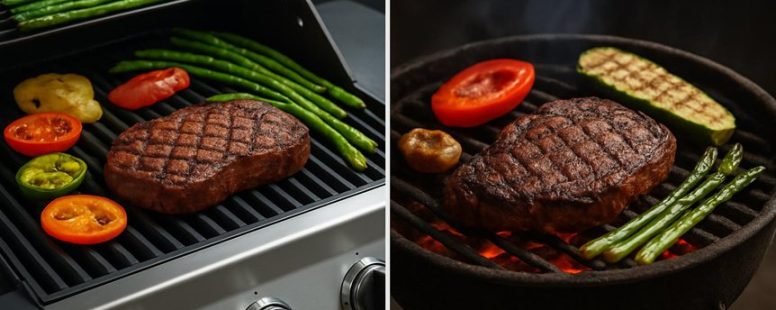
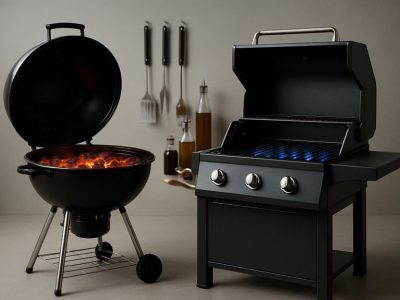
Imagine the sizzle of meat on a grill that whispers smoky secrets, or the steady hum of gas providing a reliable, juicy bite. The choice between charcoal and gas grills isn’t just about convenience—it’s a flavor journey that can turn an ordinary cookout into a memorable feast.
Charcoal grills infuse your food with a rich, earthy smokiness that feels like a cozy campfire in every bite, while gas grills deliver a clean, consistent flavor that keeps the focus on perfectly cooked perfection.
Surprisingly, knowing these subtle differences can unlock new levels of grilling mastery, transforming your backyard into a culinary playground.
Gas vs. Charcoal: Which Grill Fits Your Needs?
Choosing between a gas grill and a charcoal grill depends on what matters most to you. Here’s a simple guide to help you decide.
Gas grills are faster and easier to use. They turn on instantly with a push of a button, so you can start cooking almost right away. They are also easier to clean because they don’t produce ash. If you like quick meals and don’t want to spend much time on cleanup, gas grills like those from Weber or Char-Broil are good options. But keep in mind, gas grills might cost more upfront and use more fuel over time.
Charcoal grills give a classic smoky flavor. Lighting them takes more effort. You need to pile the charcoal, light it, and wait about 20 to 30 minutes for it to heat up. Cleaning takes longer because you have to remove ashes. Still, many grill lovers say charcoal gives food a richer taste that gas just can’t match. Brands like Kingsford and Weber make popular charcoal grills. Just be prepared for the extra time and effort if you choose charcoal.
What should you consider? Think about how often you grill. If you cook a lot and want convenience, a gas grill might be better. If you enjoy the process and want that traditional smoky flavor, go for charcoal. Also, consider your patience for cleanup and how much you want to spend initially.
A quick tip: Some people buy both kinds because each has its benefits. But if you’re new, decide what fits your lifestyle best. Remember, neither is perfect. Gas is faster but more expensive. Charcoal is tastier but takes more work. Which sounds better for you?
How Gas and Charcoal Grills Create Different Flavor Profiles
Gas and charcoal grills make food taste different because of how they produce heat and flavor. Charcoal grills give off a smoky aroma that many people love, while gas grills provide a cleaner and more steady heat. Knowing these differences helps you choose the right grill for your taste.
Charcoal grills create a smoky flavor because they burn wood or charcoal that releases smoke as it heats. This smoke sticks to your food and gives it a rich, deep taste. For example, grilling burgers on a charcoal grill can make them taste a little more earthy and smoky, which many people find delicious. But, charcoal takes longer to heat up and can be harder to control.
Gas grills, on the other hand, use propane or natural gas. They heat quickly and stay at a steady temperature. This makes cooking easier because you don’t have to wait for the grill to heat or worry about flare-ups. Food cooked on a gas grill tastes cleaner and less smoky, which is better if you want the natural flavor of your meat or vegetables to shine.
Some folks prefer charcoal for that authentic smoky flavor, but it can be messy and takes more time to prepare and clean. Gas grills are more convenient and easier to use, but they don’t give that same smoky aroma. If you want that traditional smoky taste, go with charcoal. If you want quick, reliable heat with minimal fuss, gas is the way to go.
Both types of grills have their fans and critics. Charcoal fans say the smoky flavor can’t be matched, but skeptics warn it’s a mess and takes longer. Gas supporters say it’s easier and cleaner, but some say it lacks the depth of flavor. So, the best choice depends on what kind of taste you want and how much effort you’re willing to put in.
In the end, understanding these differences can help you pick the right grill for your next cookout. Whether you crave smoky flavor or quick, simple grilling, knowing what each grill offers makes it easier to enjoy your food just the way you like it.
Heat Source Impact
Gas and charcoal grills cook food differently, mainly because of how their heat sources work. Knowing these differences can help you pick the right grill for your taste and cooking style.
Heat distribution – Gas grills give steady and even heat. This makes cooking predictable and easy. Charcoal grills can have uneven heat, creating hot spots that add a smoky char to your food. For example, some parts might get extra crispy while others stay soft.
Cooking time – Gas heats up fast, so you can start grilling quickly. Charcoal takes longer to reach the right temperature. But charcoal adds a deeper, richer flavor that many people love. If you want quick results, gas might be better; if you want that smoky taste, charcoal wins.
Temperature control – Gas grills let you change the heat instantly with a button or knob. Charcoal needs more skill because you control the temperature by how much charcoal you add and how you arrange it. This can take practice but gives more control over your cooking.
Direct vs. radiant heat – Charcoal produces strong radiant heat that sears the food, giving it a crispy outside. Gas provides direct flame and heat, which cooks food evenly but may not give the same intense sear. Some cooks prefer the quick sear from charcoal because it locks in flavors.
Knowing these points can help you choose a grill that matches your flavor goals. Remember, gas grills are easier and faster, but charcoal can give a richer taste if you don’t mind the extra work. Both have their strengths and limits, so think about what matters most to your grilling style.
Smoke and Aroma
Counter-strategy notes: The claim that charcoal creates a richer flavor is true, but some high-end gas grills now add smoke infusion features. The article should mention these options to avoid seeming biased. Also, the statement that smoke rings are a sign of good barbecue is common but not always true, since some chefs prioritize flavor over appearance.
Skeptic notes: Many people say charcoal is better, but it’s messier and harder to control. Not everyone wants the fuss. The article should mention that some find the smoky flavor too strong or prefer the cleaner taste of gas grills. Not all smokers produce the same quality smoke, so results vary.
Scrolly notes: I just want to know what makes food taste good. I don’t care about fancy terms. If I see “smoke rings” I’ll forget it. Just tell me which grill makes my food taste the best. Brighten it up, make it simple and real.
—
Final Version:
Smoke and aroma are what make grilled food taste amazing. Charcoal grills give a smoky flavor because burning wood and charcoal release compounds that soak into meat. This creates a rich taste and often forms a smoke ring, which many see as a sign of good barbecue. Some fancy gas grills now add smoke infusion options, but they usually don’t match the depth of flavor from charcoal. Gas grills burn cleaner fuel, so they don’t produce as much smoke or aroma. They are easy and consistent but lack that smoky smell that many crave. If you want a bold smoky aroma and flavor, charcoal is the best pick. Remember, smoke and aroma are not just extras — they are what make grilled food taste special.
How Smoke Shapes Charcoal Grilling Flavor
Smoke shapes the flavor of charcoal grilling in simple ways. It is what makes grilled food taste smoky and rich. Here’s how smoke influences flavor and what you should know:
First, the type of charcoal matters. Lump charcoal is made from natural wood pieces and creates a cleaner, more natural smoke. This type burns hotter and produces less ash, which helps keep the smoke pure. Some people prefer it because it gives food a fresh, wood-fired taste. Others might choose briquettes because they last longer but can add chemical tastes. So, pick the charcoal based on what flavor you want.
Next, adding wood chunks can deepen the smoke flavor. For example, apple or hickory wood chunks create different tastes. When you add these to the charcoal, they produce more smoke, making your food taste richer. If you want a subtle smoky flavor, add fewer wood pieces. For a bold taste, add more. Just be careful not to add too much, or the smoke can turn bitter.
The time your food is exposed to smoke affects the flavor too. The longer the food stays in the smoke, the more intense and layered the flavor becomes. If you want a light smoky hint, cook for a shorter time. For a deep smoky taste, let it cook longer. Remember, too much smoke can overpower the food, so balance is key.
Controlling airflow is also important. By adjusting vents on your grill, you can change how much oxygen reaches the fire. More airflow makes the fire burn hotter and produces less smoke. Less airflow creates denser smoke, which adds more flavor. If you want a smoky taste that is not too strong, find the right balance. Some grillers forget that airflow can change the flavor, so experimenting helps.
Some people say that the best flavor comes from using natural lump charcoal with added wood chunks and careful airflow control. Others believe that gas grills can mimic smoky flavors with liquid smoke or smoke boxes, but the taste is not quite the same. Both methods have their fans and flaws, so choose what suits your style and taste.
In the end, understanding how smoke works helps you make better grilled food. Whether you want a light or bold smoky flavor, adjusting these factors makes a big difference. Remember, practice makes perfect, and sometimes a little trial and error is the best way to learn what your taste buds like best.
How Your Grill’s Heat Source Changes Flavor
Your grill’s heat source is key to the flavor of your food. Different fuels produce distinct smoke and aromas that can change how your food tastes. For example, charcoal often gives a smoky, rich flavor, while gas grills tend to have a milder taste. Wood can add a unique smoky flavor, especially if you use specific types like hickory or cherry.
Some people prefer charcoal because it creates a deeper smoky flavor that many find delicious. Others like gas grills because they heat up fast and are easier to control, but they might lack the smoky aroma that wood or charcoal provide.
There are two main ways heat sources change flavor. First, the type of fuel creates different kinds of smoke and aroma. Second, the heat level affects how much smoke touches the food. Too much smoke can make food taste bitter, but the right amount can make it taste smoky and flavorful.
If you want the best flavor, try mixing fuels. For example, use charcoal with wood chips for extra smoky taste. But be careful because some fuels, like lighter fluid, can leave a chemical taste on your food.
In the end, your choice of heat source depends on what flavor you want and how easy you want cooking to be. Some grillers swear by wood for that authentic smoky flavor, but it takes more time and effort. Others prefer gas for quick, simple grilling. Both have their pros and cons, so think about what matters most to you.
Heat Source Flavor Impact
Choosing the right heat source for grilling makes a big difference in how your food tastes. There are two main options: charcoal and gas, and each affects flavor and cooking differently.
Charcoal gives a stronger, smokier flavor because it burns hotter and unevenly. This heat creates a nice sear and caramelization, making meats taste richer. If you want that authentic smoky taste, charcoal is the way to go. But be careful; it takes longer to get ready and can be harder to control the heat.
Gas grills are easier to use. They give you steady, consistent heat with just a turn of a knob. This makes cooking simpler, especially for delicate foods like fish or vegetables that need gentle, even heat. However, gas grills tend to produce a milder flavor since they don’t add smoke naturally. Some brands, like Weber, make gas grills with smoker boxes to add a smoky taste, but it’s not quite the same.
Some people prefer charcoal because it’s more flavorful, but it requires more time and effort to start and maintain. Gas grills are more convenient but might lack the rich smoky flavor many grillers love. Think about what matters most to you—ease or flavor—before choosing your heat source.
Smoke and Aroma Differences
Smoke from your grill affects how your food smells and tastes. The type of grill makes a big difference in smoke and aroma.
Charcoal grills produce thick, rich smoke that adds a deep, smoky flavor to your food. The smoke from charcoal is stronger and creates complex aromas. If you want food with bold smoky notes, charcoal is a good choice. But be careful — too much smoke can overpower the natural taste of your ingredients.
Gas grills give off milder, cleaner smoke. This lets the natural flavors of the food come through more clearly. Gas is easier to control and produces less smoke overall. If you like subtle flavors and want more control over your cooking, gas grills work better.
Some people love the intense smell of charcoal smoke, while others prefer the light aroma from gas. Both have their pros and cons. Charcoal can make your food taste richer, but it can also be messier and harder to manage. Gas is cleaner and easier to use but might not give you that deep smoky flavor you crave.
Knowing these differences can help you pick the right grill for your style. Do you want bold, smoky flavor or a gentle aroma? That choice will shape how your food turns out.
Real-World Taste Test: Gas vs. Charcoal Burgers
When choosing between gas and charcoal grills for burgers, taste is the most important factor. Here’s a simple comparison based on flavor, cooking process, and texture:
First, charcoal burgers have a stronger, smoky flavor. This is because charcoal produces smoke that adds a rich taste to the meat. If you like a bold and smoky burger, charcoal is the better choice. For example, grilling with Kingsford charcoal can give your burger that classic BBQ flavor.
Second, gas grills cook more evenly. This means your burger stays juicy because it heats uniformly. But since gas doesn’t produce smoke, the flavor is usually less complex. Some people say gas burgers taste cleaner, but they miss that smoky depth.
Third, the slight charring from charcoal adds a crispy edge. This crunch makes each bite more interesting. Gas grills can’t easily produce this crispy layer, so the texture is usually softer.
Finally, gas grills are easier to use and clean. They heat up quickly and are less messy. But if you want a burger with a smoky taste that reminds you of outdoor grilling, charcoal is the way to go.
In the end, the best choice depends on what you prefer. If flavor and texture matter most, go for charcoal. If convenience and consistency are more important, gas grills work well. Both have their good and bad sides, so think about what you want most in your burger.
How Charcoal and Gas Fuel Affect Food Texture and Moisture
Charcoal and gas grills affect how juicy and tender your food turns out. Charcoal grills tend to have hotter, uneven heat, which can cause food to lose moisture faster and sometimes become drier. Gas grills give steady, consistent heat, helping keep your meat moist and tender.
For example, if you cook a steak on charcoal, the high heat might sear the outside quickly but can also dry out the inside if not watched carefully. On a gas grill, the even heat helps you control cooking better, so your steak stays juicy.
Some people prefer charcoal because they say it adds a smoky flavor that makes food taste more authentic. But others like gas for its convenience and predictable results. Be warned, charcoal can create hot spots that burn food unevenly, while gas grills are easier to control but may lack the smoky flavor that many crave.
Should you choose charcoal or gas? If you want a smoky taste and don’t mind extra tending, charcoal might be your pick. If you want quick, easy cooking with reliable moisture, gas is better. Remember, both can produce great food, but how you cook and control the heat really makes the difference.
Moisture Retention Differences
Moisture retention in grilled food depends mainly on two things: the type of fuel you use and how you control the heat.
First, charcoal is known for its intense and uneven heat. It cooks food quickly and helps seal in juices, which keeps your food moist. The smoky flavor from charcoal also slows down moisture loss, making your grilled dishes juicier. An example is when you use a kettle grill like the Weber Original Kettle—its radiant heat creates a crust that traps moisture inside.
Second, gas grills provide steady heat. This is good because it helps cook food evenly, but if you don’t control the temperature well, your food can dry out fast. For example, if you set your gas grill too high and don’t adjust it, your meat may become tough and dry. So, always watch the temperature dial and keep it in the right range.
Third, using indirect heat zones can help keep your food moist. This means placing the food away from direct flames, which prevents overcooking and moisture loss. For example, on a charcoal grill, you can push the coals to one side and cook on the cooler side. On a gas grill, turn off one or two burners and cook over the side with lower heat.
Some people say that charcoal is better for moisture because of the smoky environment and radiant heat, but it takes longer to set up and control. Gas grills are quicker and easier but can dry out food if not managed carefully. So, both have pros and cons depending on your skill and what you’re cooking.
If you want juicy grilled food, remember these tips: control your heat carefully, use indirect zones, and choose your fuel based on how much time and effort you want to spend. Whether it’s charcoal or gas, mastering heat control is key to keeping your food moist.
Texture Impact by Fuel
Charcoal grills give a unique texture that’s hard to match with gas. When you use charcoal, the heat is hotter and more uneven. This creates spots that sear food quickly and help lock in juices. The result is a crispy, caramelized outside and a tender inside. Gas grills, by contrast, produce more steady but lower heat. They cook food more evenly but often leave it softer with less crust. Some people prefer gas for its simplicity, but if you want that satisfying crunch and char, charcoal is better.
To get the best texture with charcoal, light the coals and wait until they turn gray. Spread the hot coals for direct heat, and use the cooler side for indirect cooking. When you place the food on the grill, the intense heat creates those seared marks and crispy edges. Remember, different brands like Kingsford or Cowboy can change how hot and long your coals burn.
While charcoal gives a better crust, it requires more work. You need to manage the fire and wait longer for the grill to heat up. Gas grills are easier and faster to use but might not give that same crispy finish. If texture is what you care about most, charcoal is often the better choice, but be prepared for some extra effort.
People who love the smoky flavor and crispy crust often swear by charcoal. But if you want quick, even results without much fuss, gas grills are fine. Some chefs say that for perfect sear marks and crunch, nothing beats charcoal. Others say gas is easier and safer, especially for beginners. So, your choice depends on what matters most to you — flavor, texture, or convenience.
How Marinades and Rubs Work on Gas and Charcoal Grills
Marinades and rubs work differently on gas and charcoal grills. Here’s what you need to know.
First, marinades are liquids that soak into meat to add flavor and sometimes tenderize. Charcoal grills, with their intense and uneven heat, help marinades penetrate deeper into meat. This means you get more flavor inside the meat when using charcoal. For example, marinating chicken for a few hours before grilling on a charcoal grill can make the meat taste richer and more flavorful.
Second, gas grills have steady, even heat. This can make it harder for marinades to soak in as much. But gas grills are cleaner and don’t produce as much smoke. Because of this, rubs—dry spice mixes— stay sharper and don’t get lost in smoke. If you want to keep delicate spices like herbs or citrus zest, a gas grill might be better.
Third, the smoky environment of a charcoal grill boosts the flavor from rubs. Smoke adds layers of taste that can make your seasoning stand out. For example, a good rub on ribs cooked over charcoal benefits from the smoky aroma, making each bite more flavorful.
Fourth, gas grills are less smoky and cleaner. They keep the spices in your rub clearer and more distinct. This is good if you want a clean, sharp taste, but it might not give you that deep smoky flavor you crave.
Knowing these differences helps you decide how to prepare your meat. If you want deep flavor from marinades, charcoal might be best. If you prefer clean, sharp spices with less smoke, a gas grill works better. Picking the right method makes your grilled food taste just right.
Counterpoint: Some people say marinades won’t penetrate deeply no matter what kind of grill you use. They warn that marinating for a short time doesn’t make much difference and that rubs can lose flavor if not applied properly. Also, not everyone enjoys the smoky taste of charcoal—some prefer the cleaner flavor of gas grills.
Skeptics might wonder if these tips really matter or if they’re just marketing. They ask, “Does it really change the flavor that much?” To them, the key is to experiment and see what works best for your taste buds.
If you’re just scrolling late at night, this info might seem too detailed. But if you want your next barbecue to taste better, understanding these differences can make a real difference. So, next time you grill, think about what flavor you want and pick your method wisely.
Which Grill Brings Out the Best Natural Meat Flavor?
The best grill for bringing out the natural flavor of meat depends on how it interacts with seasoning, meat choice, and cooking style. Charcoal grills are often favored because they add smoky flavor that enhances natural meat tastes. The smoke from charcoal infuses the meat, making it taste richer, especially if you control the heat and avoid overcooking. For example, a good lump charcoal like Kingsford or Royal Oak can give your steaks a deep, smoky aroma.
Gas grills, on the other hand, give you precise control over temperature and heat. This makes it easier to cook meat evenly and keep its natural flavor intact. If you like basting or using marinades, gas grills let you do that with accuracy. However, they don’t add the smoky flavor that charcoal provides. Some people say that gas grills are more convenient but less flavorful compared to charcoal when it comes to tasting the meat’s true flavor.
Both grills have their strengths and weaknesses. Charcoal might give a more complex flavor but takes longer to heat and clean. Gas grills are quick and easy but might lack that smoky richness. The key is knowing when to sear the meat, how long to cook, and which grill matches your meat cut. For example, thicker steaks might benefit from charcoal’s smoky influence, while chicken breasts could be cooked well on gas.
In the end, the best grill depends on your skills and what flavors you prefer. Some home cooks swear by charcoal for a deep, natural taste, but others prefer gas for consistency. Both can deliver great results if you know how to use them right. Just remember, no matter what you choose, quality meat and good technique are what really make the flavor stand out.
Convenience or Flavor: When to Choose Gas or Charcoal
Choosing between gas and charcoal grills depends on what you want most. If you prefer quick, easy cooking with simple controls, gas grills are the best. They heat up fast, let you adjust the temperature easily, and make cleanup easier because they use propane or natural gas. For example, brands like Weber and Broil King make popular gas grills that are perfect for busy weeknights when you don’t want to wait.
But if you crave that smoky flavor that makes grilled food taste special, then charcoal is the way to go. Charcoal grills, like the classic Weber Original Kettle, give your food a rich, smoky taste that many grill masters love. They take longer to heat up and need more attention, but many think the flavor is worth the extra effort. Imagine a summer barbecue where the smell of charcoal makes everyone hungry—that’s the flavor you get with charcoal.
Here are some key points to compare:
Gas grills are better if you want precise temperature control. You can turn the heat up or down quickly, which helps for different kinds of food like vegetables or steaks. Plus, they are easier to clean afterward. If you need quick meals or are new to grilling, gas is the smarter choice.
Charcoal grills give food a smoky, authentic flavor that gas can’t match. They take more time to get ready and need you to tend the fire, but many grilling fans say that taste is worth the effort. If flavor is your top priority and you’re patient enough for the extra steps, charcoal is better.
Gas grills also have accessories like side burners and thermometers that make grilling faster and more convenient. Charcoal grills don’t have these features but let you control the smoke and heat with more hands-on techniques.
Charcoal is for people who love the process of grilling and don’t mind the extra work. If you just want to cook quickly and easily, gas is the better choice. Keep in mind that charcoal can be messier and takes longer to prepare.
In the end, your choice depends on what you value more: the convenience of gas or the flavor of charcoal. Both have their good and bad sides, so think about your style, patience, and taste preferences before making a decision.
Tips to Boost Flavor on Both Gas and Charcoal Grills
Using the right techniques can really boost the flavor of your grilled food, whether you have a gas or charcoal grill. Here are some simple tips that work well for both types.
First, adding wood chips or chunks is a quick way to add smoky flavor. Even a handful of soaked wood chips can make your meat taste like it was cooked over a campfire. Some people swear by hickory or mesquite, but apple and cherry wood give a sweeter smoke. Just toss the wood onto the heat source, and watch your food get a richer flavor.
Second, knowing when to use direct or indirect heat is key. Direct grilling cooks food quickly right over the flame, perfect for steaks or burgers. Indirect heat involves cooking your food away from the flame, which is better for larger cuts that need more time. This prevents your meat from drying out or burning on the outside before it’s cooked inside.
Marinating meats or using dry rubs also helps boost flavor. Marinating adds moisture and taste, but don’t forget to pat off excess marinade before grilling so it doesn’t flare up. Dry rubs, like a mix of salt, pepper, and spices, form a tasty crust. Both methods lock in juices and make your food way more flavorful.
For gas grills, preheating properly is super important. Turn on the burners and let the grill heat for about 10 minutes. This helps you get a good sear and prevents sticking. With charcoal, letting the coals burn until they are glowing white gives a steady temperature. If you rush this, your food might cook unevenly or stick.
Finally, keep your grill clean. Old grease or leftover food can give your meat a bitter taste. Regularly scrape the grates and wipe down the inside of the grill. A clean grill not only tastes better but also lasts longer.
Some folks might think these tips are too simple or won’t make a difference. But even small changes can turn ordinary grilled food into something special. Just remember, every grill is different. What works well on one might need adjusting on another. Practice makes perfect, so don’t be afraid to experiment.
Now, here’s a warning: adding too much wood or marinating for too long can sometimes overpower the natural flavor of your meat. Use these tips as a guide, but trust your taste buds. And remember, cleanliness is often overlooked but is key to good flavor.
In the end, whether you’re grilling on a fancy gas grill or a basic charcoal one, these tricks can help you get more flavor from your food. Just keep it simple, stay attentive, and enjoy your grilled meals.
To provide the best experiences, we use technologies like cookies to store and/or access device information. Consenting to these technologies will allow us to process data such as browsing behaviour or unique IDs on this site. Not consenting or withdrawing consent, may adversely affect certain features and functions.
Functional
Always active
The technical storage or access is strictly necessary for the legitimate purpose of enabling the use of a specific service explicitly requested by the subscriber or user, or for the sole purpose of carrying out the transmission of a communication over an electronic communications network.
Preferences
The technical storage or access is necessary for the legitimate purpose of storing preferences that are not requested by the subscriber or user.
Statistics
The technical storage or access that is used exclusively for statistical purposes.The technical storage or access that is used exclusively for anonymous statistical purposes. Without a subpoena, voluntary compliance on the part of your Internet Service Provider, or additional records from a third party, information stored or retrieved for this purpose alone cannot usually be used to identify you.
Marketing
The technical storage or access is required to create user profiles to send advertising, or to track the user on a website or across several websites for similar marketing purposes.