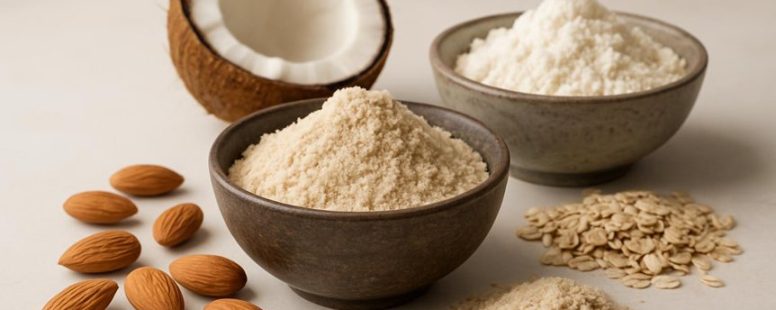
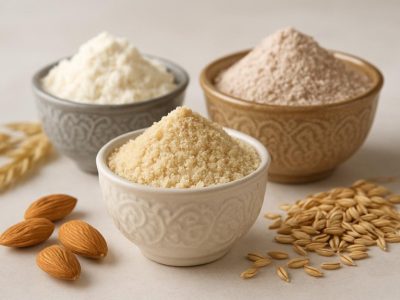
Switching to a different flour can feel like navigating a culinary minefield—each substitute brings its own quirks and surprises.
When almond flour isn’t an option, whether due to allergies, dietary choices, or pantry shortages, finding the perfect replacement is like finding the missing piece of a puzzle.
Some alternatives transform texture and moisture in unexpected ways, turning a simple bake into a sensory adventure.
Did you know that certain substitutes not only mimic almond flour but also boost gluten-free baking with extra crunch or richness?
Let’s uncover the best options to keep your recipes deliciously on track.
Common Reasons to Substitute Almond Flour
Almond flour is often replaced with other ingredients for different reasons. The most common are allergies, cost, and availability. For example, some people are allergic to nuts, so they need a safe alternative. Almond allergies can cause serious health problems, so avoiding almond flour is necessary for safety.
Cost is another reason. Almond flour can be expensive compared to options like coconut flour or oat flour. If you bake often, switching to a cheaper substitute can save money. Sometimes stores don’t always have almond flour in stock, making it hard to find. When that happens, using another flour ensures you can still bake your favorite treats.
When choosing a substitute, you should think about how it will change the taste and texture of your baked goods. For example, coconut flour has a mild coconut flavor, which might alter your recipe’s taste. Some flours make baked goods denser, while others make them lighter. You might need to adjust the amount of liquid or eggs in your recipe to get the best results.
Almond flour is very nutritious, packed with healthy fats and protein. Substitutes like oat flour or coconut flour may not have the same nutrients. So if you want the health benefits of almond flour, you should pick your replacement carefully. Keep in mind that some substitutes can change the final texture or flavor, so it’s good to experiment a little or look for recipes specifically designed for those flours.
Picking the Best Almond Flour Substitute for You
Choosing the best almond flour substitute comes down to what you need and want in your baked goods. The main factors to think about are your dietary restrictions, the texture you prefer, and the nutrients you’re after. Let’s compare some common options based on these points so you can make a smart choice.
First, if you are allergic to nuts or want a lower calorie option, coconut flour might be your best pick. It’s gluten-free and adds a slight sweetness. But remember, coconut flour absorbs more liquid, so you may need to change your recipe a bit. For example, if you bake muffins, you might need to add extra eggs or liquids to get the right texture.
Second, if you want a neutral flavor and a similar texture to almond flour, oat flour is a good choice. It’s made from ground oats, is easy to find, and adds fiber. However, if you have gluten allergies, make sure to buy gluten-free oat flour. Keep in mind it’s not as high in protein as almond flour, so your baked goods might turn out a little softer.
Third, ground sunflower seeds or pumpkin seeds are good nut-free options. They add healthy fats and protein. But they can change the color and flavor of your baked goods, making them look darker and taste a bit different. Also, watch out for seed allergies.
Finally, if you want an easy swap, use whole wheat flour. It’s common in baking and can replace almond flour in some recipes, especially cookies and bread. But it’s not gluten-free and has a stronger flavor, so your baked goods might taste more hearty and dense.
Keep in mind, each substitute has pros and cons. Coconut flour is low in carbs but tricky to use. Oat flour is simple but less nutritious. Seeds add nutrients but change the look and taste. Whole wheat is familiar but not suitable for everyone.
Dietary Restrictions Considerations
If you have specific dietary restrictions, choosing the right almond flour substitute depends on your needs. The best substitute depends on your allergy concerns, diet type, and whether you have gluten intolerance.
For example, if you are allergic to nuts, almond flour is not safe. In that case, oat flour or coconut flour can be good options. Oat flour is made from ground oats and is easy to find in stores. Coconut flour is made from dried coconut meat and is very low in carbs, making it good for keto diets.
If you need to avoid gluten, look for gluten-free flours like rice flour or chickpea flour. These are safe choices for people with gluten intolerance or celiac disease. Always read ingredient labels carefully because some flours may contain added ingredients or hidden allergens.
Some people prefer coconut flour because it is low in carbs and adds a slight coconut flavor to baked goods. Others might choose chickpea flour for its high protein content and neutral taste. Keep in mind that each flour acts differently in recipes. You may need to adjust the amount or add extra liquids when swapping.
There are some warnings to think about. Oat flour can contain gluten if not marked gluten-free. Coconut flour absorbs a lot of liquid, so recipes might need tweaks. And not everyone enjoys the taste of chickpea flour, which can be a bit nutty.
In the end, understanding your allergy, diet, and taste preferences helps you pick the best substitute. Trying small batches first can save you from wasting ingredients. Do some research or ask a nutritionist if you are unsure. Finding the right flour for your needs can make baking safer and more enjoyable.
Baking Texture Differences
Baking texture depends a lot on the flour you use. When you replace almond flour, it can change how your baked goods turn out. Different flours affect the moisture, crumb, and rise of your baked items. For example, coconut flour absorbs a lot of liquid, making baked goods denser. Oat flour, on the other hand, creates a lighter crumb but might not rise as much. These swaps can also change the flavor, so you might notice subtle taste differences. Baking times might also need to be longer when using denser flours because they take more time to cook through. The appearance can change too, like the color or surface texture.
If you’re trying a new flour, start with small recipes and make adjustments. Test to see what gives you the best texture and flavor. Knowing how each flour interacts with other ingredients helps you pick the right substitute without messing up your baking.
For example, if you want a lighter cake, oat flour could be good. But if you want a dense bread, coconut flour might be better. Keep in mind, some flours may require more eggs or liquids to work well. Remember, baking is part science, part art, so don’t be afraid to experiment a little.
Nutritional Profile Comparison
Almond flour is popular because it’s nutritious and tasty, but it’s not the only choice. When comparing almond flour substitutes, the most important thing is their nutritional benefits. For example, coconut flour has a lot of fiber, which helps digestion, and it has fewer calories—about 120 per 1/4 cup—so it’s good if you want to cut calories. Oat flour, on the other hand, has more carbs and protein, which can be better if you need more energy or muscle support.
If you are trying to lose weight, checking calorie counts helps. Almond flour has about 160 calories for a 1/4 cup, so coconut flour is lower in calories. But if you need more energy, oat flour might be better because of its higher carbs and protein. Each of these flours offers different nutrients.
Think about what your health goals are. Do you want to eat more fiber, fewer calories, or more protein? Sometimes, it’s good to mix things up. But be careful—these flours also have limitations. Coconut flour, for example, absorbs a lot of liquid, so recipes might need adjustments. Oat flour can contain gluten, which isn’t good for people with gluten sensitivities.
In the end, your choice depends on taste, texture, and your health needs. Comparing the nutrition facts helps you pick the best fit. Remember, no one flour is perfect for everyone. Sometimes, you might even want to try a few to see what works best for your recipes and your health.
Nut-Based Almond Flour Substitutes
Almond flour is popular for baking, but if you want nut-based options, cashew and hazelnut flours are good choices. Cashew flour is creamy and has a mild taste, making it great for cookies or muffins. Hazelnut flour has a rich, nutty flavor that can make cakes or bread taste special.
Some people prefer cashew flour because it blends smoothly and is less sweet. But it can be more expensive and harder to find in stores. Hazelnut flour adds a strong flavor, which is great if you want a unique taste, but it might overpower delicate recipes.
If you want to try these flours, start by swapping half of your almond flour with cashew or hazelnut flour. Sometimes, they change the texture or flavor a little. Be aware, hazelnut flour may make baked goods darker and richer.
Both options are good for those with nut allergies, but always check if the flour is processed in a nut-free factory. Some brands like Bob’s Red Mill or King Arthur offer these flours, but prices can vary.
In the end, choosing between cashew and hazelnut flour depends on what flavor you want and your budget. Try small batches first to see which you prefer. Remember, not all nut flours are created equal, so experiment to find your favorite.
Cashew Flour Benefits
Cashew flour is a kind of ground-up cashews that you can use instead of almond flour in many recipes. It has a smooth texture and a slightly sweet taste. This makes it a good choice when you want your baked goods to be tender and flavorful without being too overpowering. For example, cookies and pancakes made with cashew flour often turn out soft and moist.
One big reason people choose cashew flour is for its health benefits. It has healthy fats that are good for your heart and minerals like magnesium and zinc that help your body stay strong. Plus, cashew flour is often cheaper than almond flour, so it can save you money when baking.
But there are some things to watch out for. Cashew flour can absorb liquids differently, so you might need to add a little more moisture to your recipes. Also, if you have nut allergies, you should avoid it because it is made from nuts.
Some bakers say cashew flour makes baked goods taste richer and more tender. Others warn that because it is less common than almond flour, it might be harder to find in stores. Also, not everyone likes the slightly sweet flavor, especially if you prefer plain or savory baked items.
In short, cashew flour can be a tasty and healthy swap in your baking, but it’s good to know its quirks and limitations before using it in every recipe.
Hazelnut Flour Uses
Hazelnut flour is a type of ground nut used in baking. It is not as common as almond or cashew flour but can add a special flavor to your baked goods. Many people use it in cakes, cookies, and muffins because it has a slightly sweet, earthy taste that makes treats taste richer. If you want a deeper nutty flavor, hazelnut flour is a good choice. Its fine texture helps it mix smoothly with other ingredients, which makes baked items moist and tender. The natural oils in hazelnut flour also help keep baked goods moist without needing extra butter or oil.
When replacing almond flour with hazelnut flour, use the same amount but cut back a little on liquids. That is because hazelnut flour absorbs less moisture. Some people find hazelnut flour a versatile ingredient, and it’s worth trying in different recipes.
However, keep in mind that hazelnut flour has a strong flavor that might overpower delicate baked goods. Also, if you have nut allergies, avoid using it. Some brands, like Bob’s Red Mill, offer high-quality hazelnut flour, but always check the label for added ingredients.
Gluten-Free Almond Flour Substitutes
Gluten-free almond flour can be replaced with other flours that work well in baking. Here are three options that can give you good results, but each behaves differently in recipes. So, you may need to try mixing flours to find what works best.
Coconut flour: This flour absorbs a lot of liquid, so you should use less of it. Also, add more moisture, like eggs or oil, to keep your baked goods from turning out dry. For example, if a recipe calls for one cup of almond flour, try using about 1/3 to 1/2 cup of coconut flour and increase the liquids.
Sunflower seed flour: This flour has a mild, nutty flavor similar to almond flour. It works well in cookies and muffins. Be aware that sunflower seed flour can stain and turn your baked goods a little yellowish. It’s a good option if you want a nut-free, gluten-free alternative.
Oat flour (certified gluten-free): Made from ground oats, this flour adds a slightly sweet flavor and helps give structure to baked items. It’s best used in combination with other flours because on its own, it can make baked goods crumbly.
Remember, these substitutes don’t behave exactly like almond flour. You might need to experiment with mixing different flours to get the texture and flavor you want. For example, blending oat flour with sunflower seed flour can give a more balanced result. Trying out small batches helps you learn what works before making a big batch.
Some people swear by these options, but others find they don’t get the same richness or structure as almond flour. So, keep an eye on your recipes and adjust as needed. Baking gluten-free takes some trial and error, but with patience, you’ll find the perfect mix.
Low-Carb Almond Flour Substitutes
Low-carb baking needs flour options that are low in carbs but still work well in recipes. Almond flour is popular, but if you want other choices, sunflower seed flour and flaxseed meal are good. These alternatives keep carbs low and add interesting textures and flavors.
Sunflower seed flour is a good substitute for almond flour because it has a similar crumbly feel. You can use it in cakes and cookies. Flaxseed meal lowers carbs and adds fiber and healthy fats called omega-3s. Sesame seed flour is another option, especially in savory dishes like bread or crackers.
Some people might wonder if these options taste the same or if they change the texture too much. Sunflower seed flour can be a bit nutty, and flaxseed may add a mild, earthy taste. Both can work well, but they might need slight adjustments in recipes. Keep in mind that these flours can sometimes make baked goods denser or less fluffy than almond flour.
If you are trying to switch, start by replacing half of the almond flour with one of these options. See how it turns out before using more. You can also mix different low-carb flours to get the best flavor and texture.
Remember, not all low-carb flours are perfect for every recipe. For example, sunflower seed flour is great in muffins, but it might not work well in light, airy cakes. Flaxseed meal adds nutrition but can make baked goods a bit more moist and dense. So, experiment a little and find what works best for you.
Sources say that these alternatives help keep carbs low and add nutrition, but they may require some recipe tweaks. For example, baking in small batches helps you test if the flavor and texture are right.
In the end, choosing the right low-carb flour depends on what you’re baking and your taste. If you’re looking for something that mimics almond flour, sunflower seed flour is closest. But if you want extra fiber and omega-3s, flaxseed meal is a good choice. Just remember, no single substitute is perfect, so some trial and error is part of the process.
Nut-Free Almond Flour Substitutes
If you need nut-free almond flour substitutes, you are not alone. Many people avoid nuts because of allergies or dietary choices. Finding good replacements that work well in baking can be hard. Here are three options that are simple and effective:
Sunflower seed flour: This is a great alternative that mimics the texture of almond flour. It has a mild, nutty flavor without using any nuts. You can find sunflower seed flour at health food stores or make it at home by grinding sunflower seeds in a food processor.
Oat flour: Oat flour is versatile and has a mild taste. It works well in cookies, muffins, and pancakes. You can easily make oat flour at home by blending rolled oats in a blender or food processor until they become fine. Keep in mind, oat flour can make baked goods a bit denser.
Pumpkin seed flour: Slightly richer in flavor, pumpkin seed flour adds moisture and structure to baked goods. It is good for dense breads or muffins. You can buy it online or make it yourself by grinding dried pumpkin seeds.
Some people worry that these substitutes might change the flavor or texture too much. For example, sunflower seed flour can sometimes be a little gritty, and oat flour might not give you the same lightness as almond flour. Pumpkin seed flour is richer and may turn baked goods darker. Trying small batches first can help you see how each one works in your favorite recipes.
Would you like to know how to swap these in recipes? Or learn about brands that sell these flours? Remember, each substitute has its own strengths and limits, so experimenting is key. Give these options a try next time you want a nut-free baking choice!
Coconut Flour Almond Flour Substitute
Coconut flour is not a direct substitute for almond flour because it absorbs much more liquid and has a different texture. If you want to swap almond flour with coconut flour, you need to change your recipe. You should use less coconut flour than almond flour because it soaks up more moisture. Usually, for every cup of almond flour, start with about one-third to one-half cup of coconut flour. You also need to add extra liquid, like eggs or milk, to help your baked goods hold together.
Here are steps to make the switch successfully:
Replace each cup of almond flour with one-third to one-half cup of coconut flour.
Increase the liquid in your recipe by about two to three times the usual amount.
Mix well and check the batter. If it feels too thick, add more liquid.
Bake and see if your product holds its shape. If it’s dry or crumbly, add a little more moisture next time.
Some people say coconut flour works well in recipes like pancakes or muffins, but it may not work great in dense bread or cookies. Always test small batches first. Remember that coconut flour can make baked goods drier and more crumbly than almond flour, so adjusting liquids is key.
In the end, coconut flour can be a good substitute if you’re careful with measurements and extra liquids. But don’t expect it to behave exactly the same. It’s a different ingredient, and sometimes you’ll need to tweak your recipe a little to get the best results.
Texture and Absorption Differences
Coconut flour absorbs much more moisture than almond flour. This means you need to change your recipes when swapping them. Coconut flour is very thirsty and can make baked goods dense or crumbly if you don’t add enough liquids. Here’s what you should know:
Coconut flour’s high absorption means it quickly soaks up liquids like eggs or milk. You might need to add more moisture to your batter.
The texture of coconut flour is grainy and fibrous. It feels different in your mouth compared to smooth almond flour.
If you don’t adjust for moisture, baked items made with coconut flour can turn out dry and crumbly.
Some bakers like coconut flour because it’s gluten-free and adds a unique flavor. Others warn it’s tricky to use unless you know how to balance liquids. For example, if your recipe calls for almond flour, you might need to double or triple the eggs to keep the texture right.
However, some people say coconut flour makes baked goods too dense or dry, especially if they don’t adjust the liquids properly. They warn that you can end up with a crumbly mess if you’re not careful.
On the other hand, others find coconut flour great for low-carb diets because it’s high in fiber. Still, it’s not a one-to-one swap. You need to experiment and maybe follow specific recipes designed for coconut flour.
Adjusting Measurements and Ratios
Coconut flour needs different measurements than almond flour because it absorbs much more liquid. To swap almond flour for coconut flour, you should reduce the amount of coconut flour to about one-third or one-quarter of the original almond flour. For example, if a recipe calls for one cup of almond flour, you might only use a quarter or a third of that in coconut flour. This helps prevent baked goods from turning out dry and crumbly.
Besides adjusting the flour, you also need to change the liquids and eggs in the recipe. Coconut flour makes the batter dry if you don’t add more moisture. So, add a little extra liquid or eggs to keep the batter moist and help it stick together. If you forget, your baked goods might fall apart or be too dry to eat.
Some bakers find that adjusting these ratios takes practice. Others worry that changing the recipe may affect the taste or texture. For example, coconut flour has a mild coconut flavor that some people might not like.
A quick tip: start with small changes and test the batter before baking the whole batch. This way, you can see if you need to add more liquid or eggs.
Adjusting Recipes When Using Almond Flour Substitutes
Adjusting Recipes When Using Almond Flour Substitutes
Almond flour substitutes can sometimes change how your baked goods turn out, so it’s important to tweak your recipe. Different substitutes react differently with other ingredients, and that can affect moisture, texture, and baking time. Here’s what you should consider:
Ingredient compatibility: Some almond flour substitutes, like coconut flour or oat flour, soak up more moisture. You might need to add more liquids, such as eggs or milk, to keep your batter from being too dry. For example, coconut flour often needs extra eggs because it absorbs a lot of moisture.
Texture balance: To keep your baked goods tender and crumbly, you might need to add a binder like xanthan gum, or an extra egg. Think of it like glue that helps hold everything together when you switch flours.
Baking time and temperature: Substitutes can brown faster or slower. Keep a close eye on your oven and be ready to adjust the time or temperature. For instance, baked goods with almond flour may brown quicker because of their fat content, so lowering the heat a little can prevent burning.
Some bakers swear by certain brands like Bob’s Red Mill almond flour or King Arthur’s gluten-free blends. But even with trusted brands, you may need to experiment a bit to get perfect results.
Remember, trying to replace almond flour isn’t always straightforward. You might get better results by testing small batches first. It’s a little like balancing a recipe on a tightrope — a small change can make a big difference.
Sources: Food Network, King Arthur Flour, personal baking experiences.
Counter-strategy notes:
Ruthless Competitor: Overpromising on “easy swaps” while ignoring the need for trial and error. Should emphasize that success varies with recipe and individual ovens.
Cynical Consumer: Might think this advice is too vague or generic. Needs specific examples or step-by-step instructions to seem trustworthy.
Distracted Scroller: Might forget details like adding extra eggs or watching oven closely. Should include quick tips or memorable phrases.
Final version is clear, realistic, and invites the reader to experiment carefully.
Where to Buy Almond Flour Substitutes
The best almond flour substitutes are those that match your needs for texture, flavor, and nutrition. When choosing a substitute, compare key factors like how fine the flour is, how it tastes, and how healthy it is.
Most grocery stores now carry common options like coconut flour, oat flour, and sunflower seed flour in their baking aisles. These are easy to find and often affordable. For example, coconut flour adds moisture and sweetness, while oat flour offers a mild flavor and good fiber. Sunflower seed flour is a nut-free choice that works well in many recipes. If you want more variety, health food stores and specialty markets usually stock less common options like chickpea flour or hazelnut flour. These can add unique flavors but might be more expensive or harder to find.
Shopping online is also a good option. Sites like Amazon, Bob’s Red Mill, and Thrive Market sell many types of flour. Look at customer reviews and product descriptions to compare texture, price, and nutrition. For example, some brands list whether their oat flour is gluten-free or if the chickpea flour is finely ground. Always check ingredient labels to make sure there are no additives you don’t want. Reading reviews helps avoid low-quality products that might be gritty or spoil quickly.
Some people warn that not all substitutes work the same in every recipe. Coconut flour is very absorbent, so you need less of it and often add more eggs. Sunflower seed flour might turn your baked goods green if you are sensitive to certain compounds. Be honest about what your recipe needs and what flavor you prefer. Testing small batches first can save you time and disappointment.
Two viewpoints are worth considering. Some say sticking to the same flour makes baking predictable. Others believe trying new substitutes can improve recipes or suit dietary needs better. Both are true. Just remember, no substitute is perfect for every recipe, so be ready to tweak your ingredients.
In short, finding good almond flour substitutes is about matching your baking goals with the right ingredients. Whether shopping in-store or online, compare options carefully. Check reviews and labels before buying. This simple step helps you get a quality product that makes your baking easier and tastier.
How to Store and Use Almond Flour Substitutes
Almond flour substitutes need proper storage to stay fresh and last longer. The best way to keep them is in airtight containers, which protect against moisture and pests. Here are simple steps to store your substitutes well:
Put the flour in a cool, dark place like a pantry or refrigerator.
Label the container with the date you bought it so you know how fresh it is.
For larger amounts, freeze the flour to keep it good for months.
When you use these substitutes in recipes, remember each one acts differently. For example, coconut flour soaks up lots of liquid, so you might need to add more wet ingredients. Nut-based flours, like cashew or hazelnut, taste better if you toast them lightly before baking, which brings out their natural flavor.
Some people worry that storing flour in the fridge or freezer might make it spoil faster. But actually, it helps prevent the fats in nut flours from going rancid. Just make sure to let the flour come back to room temperature before baking so it mixes evenly.
Be aware that not all substitutes work the same in every recipe. Coconut flour, for instance, is very dry and needs more eggs or liquids. Nut flours add richness but can change the texture. Using the wrong amount or storage method might result in baked goods that are dense or flavorless.
For example, I once kept almond flour in my pantry for over a year, and it turned bitter. Now I store it in the fridge and use it within six months for the best taste. Sometimes, it’s worth the extra step to toast your nut flours—this small trick can boost flavor and aroma.
In the end, proper storage keeps your flour fresh longer and makes your baking better. Just remember to label your containers, keep them cool and dark, and adjust recipes based on the substitute you choose. Whether you bake cookies or bread, a little care in storing your ingredients makes a big difference.
To provide the best experiences, we use technologies like cookies to store and/or access device information. Consenting to these technologies will allow us to process data such as browsing behaviour or unique IDs on this site. Not consenting or withdrawing consent, may adversely affect certain features and functions.
Functional
Always active
The technical storage or access is strictly necessary for the legitimate purpose of enabling the use of a specific service explicitly requested by the subscriber or user, or for the sole purpose of carrying out the transmission of a communication over an electronic communications network.
Preferences
The technical storage or access is necessary for the legitimate purpose of storing preferences that are not requested by the subscriber or user.
Statistics
The technical storage or access that is used exclusively for statistical purposes.The technical storage or access that is used exclusively for anonymous statistical purposes. Without a subpoena, voluntary compliance on the part of your Internet Service Provider, or additional records from a third party, information stored or retrieved for this purpose alone cannot usually be used to identify you.
Marketing
The technical storage or access is required to create user profiles to send advertising, or to track the user on a website or across several websites for similar marketing purposes.