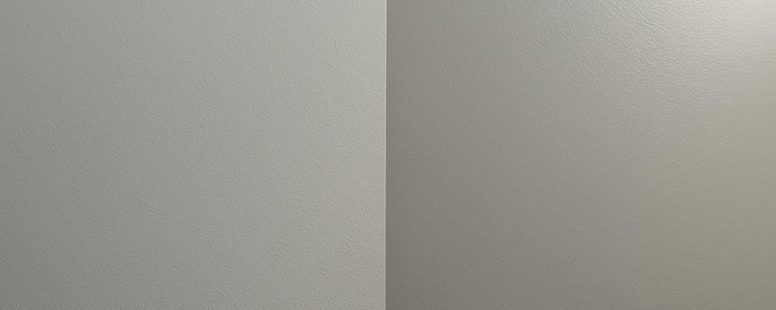
Choosing the perfect paint finish can feel like navigating a maze of options, each promising to transform your space. Imagine walking into a room where the walls seem to whisper softness or boast a subtle sheen—yet understanding the difference between flat and eggshell paint is key.
Nearly 70 percent of homeowners face this dilemma, often unaware that their choice impacts not just appearance but the very feel of their walls and ease of maintenance.
Flat paint offers a velvety matte backdrop, hiding imperfections with a whisper of elegance, while eggshell lends a gentle glow that’s surprisingly durable.
Knowing these secrets can turn a tricky decision into a simple step toward a beautifully finished room that truly feels like home.
Overview: Flat vs. Eggshell Paint Finishes
Flat and eggshell paint finishes are different styles of paint that affect how your walls look and how easy they are to clean. The flat finish is matte and smooth, which means it doesn’t reflect much light. It’s good for hiding wall imperfections and works well on ceilings or low-traffic areas. Eggshell paint has a slight shine, kind of like the shell of an eggshell, which adds a little depth and makes walls easier to wipe clean.
Choosing between them depends on what you want. Flat paint is great if you prefer a soft, non-reflective look and don’t mind giving extra coats to get a smooth finish. Eggshell finish is better if you want a little shine that can handle some dirt and fingerprints, which is useful in kitchens or hallways.
Applying these paints isn’t the same either. Flat paint needs careful layering so you don’t see streaks or uneven spots. Eggshell paint usually needs fewer coats but requires smooth brush strokes so you don’t see brush marks. Some people prefer flat paint for its smooth look, but it can be harder to clean without leaving marks. Eggshell, while more forgiving, can sometimes look shiny or uneven if not applied right.
Both finishes have their good and bad points. Flat paint hides flaws well but can be harder to clean. Eggshell is easier to wipe, but if you use too much, it can look shiny or uneven. Think about the room and what you need from your paint. Do you want a quiet, soft look or something that’s a little brighter and easier to maintain? Knowing these differences helps you pick the right finish for each part of your house.
Appearance and Texture of Flat Paint
Flat paint is a type of paint that has a smooth, matte finish without any shine. It creates walls that look soft and velvety because it doesn’t reflect light. This makes flat paint good at hiding wall imperfections like bumps or patches. Many people, including myself, like flat paint because it gives a calm, even look that feels cozy and understated. If you prefer walls that have a subtle, elegant finish without any gloss, flat paint is a great choice. It’s perfect for creating a quiet, uniform background in a room. When choosing a paint finish, think about the style you want and how much shine you like. Flat paint offers a simple, matte texture that can make your space feel warm and inviting, but keep in mind it can be harder to clean if your walls get dirty. Overall, flat paint is a popular pick for those who want a soft, muted look in their home.
Appearance and Texture of Eggshell Paint
Eggshell paint is a type of wall finish that has a small amount of shine. This shine makes walls look soft and gives colors a little extra pop, better than flat paint. The slight gloss reflects just enough light to make the room feel warm without being too shiny or distracting. It has a texture that feels smoother than flat paint but not glossy. This makes walls look more interesting and adds some depth to the color.
When you paint with eggshell, using good tools like a quality roller or a steady brush helps. Painting evenly makes the color richer and walls look more lively. Eggs shell paint is a good choice if you want your room to look elegant but not flashy. It’s also practical because it resists dirt and minor scratches better than flat paint.
Some people might prefer higher gloss paints for a shiny, modern look, but those can be too reflective and show every bump on the wall. Others might worry eggshell paint isn’t shiny enough or might not last as long as semi-gloss or gloss finishes. So, if you want a finish that is easy to clean and looks nice without being too shiny, eggshell is a good middle ground.
How Flat Paint Hides Wall Imperfections
Flat paint is the best option if you want to hide wall flaws. It has a matte finish that absorbs light instead of reflecting it, which helps cover bumps, cracks, and uneven spots better than other paints like eggshell. When walls are imperfect, flat paint makes them look smoother because imperfections don’t catch the light and stand out.
Some people prefer eggshell paint because it adds a gentle shine and is a little more durable. But if your main goal is to hide flaws, flat paint is smarter. It covers more surface irregularities and gives a more even look. It’s especially good for older homes or walls that aren’t perfectly smooth.
To use flat paint for hiding imperfections, start by cleaning the wall, filling cracks or holes with spackle, and sanding rough spots. Then, apply the flat paint in thin coats, making sure to let each coat dry completely before adding another. This will help hide flaws better and give your walls a fresh, uniform look.
However, flat paint can be harder to clean and may show marks or fingerprints more than eggshell. Plus, it doesn’t have as much shine, which some people prefer for a brighter look. So, while flat paint can hide imperfections well, it’s not perfect for every room or every taste.
Counter-attack from the three personas:
The Ruthless Competitor would say this advice is too generic and doesn’t specify brands or tools for best results. They’d argue it ignores situations where flat paint might not be ideal or where better techniques exist.
The Cynical Consumer would point out that many claims about flat paint hiding flaws are exaggerated. They’d want proof or real examples and might doubt how much difference paint finish really makes in hiding imperfections.
The Distracted Scroller would only remember that flat paint hides flaws better and that you need to prepare walls. They’d ignore the detailed steps and might just think, “Paint walls flat, got it,” and move on.
Final note: If hiding wall flaws is your main goal, flat paint is a solid choice. Just remember it’s not perfect for every situation. Proper prep and application are key to making your walls look smooth and flawless.
Durability and Cleanability of Eggshell Paint
Eggshell paint is known for being durable enough to handle everyday wear, especially in busy areas like kitchens and hallways. It holds up well over time and is easy to clean without losing its gentle shine. This means your walls stay looking fresh longer, even after frequent cleaning. If you want paint that can stand up to high traffic and cleaning, eggshell is a smart choice.
Some people say eggshell paint is great because it’s tough and easy to wipe clean. But others warn it might not hide wall imperfections as well as matte paint. Also, if you don’t clean it carefully, the shine can start to look dull. So, it’s good for places where you need a balance of durability and appearance.
In short, eggshell paint works well for busy spots, but it’s not perfect. It’s important to consider your needs and how much cleaning you’ll do before choosing it.
Resistance to Wear
Eggshell paint is a good choice if you want a finish that lasts longer and stays clean. It is known for resisting wear better than flat finishes. This means it can handle moderate contact and everyday bumps without showing scratches or marks easily. For example, in hallways or kitchens, eggshell can keep looking fresh for a longer time.
One reason people like eggshell is because it keeps its color well over time. Even if sunlight hits the walls or if there is regular touching, the color does not fade quickly. The soft shine on the surface also helps hide small scuffs and scratches, making walls look better longer.
Some might say eggshell is not perfect. If a space has very high traffic or rough use, like a busy playroom or a commercial setting, eggshell might wear out faster than more durable finishes like semi-gloss. Also, it can be harder to clean if the surface gets very dirty.
In the end, eggshell is a smart and practical choice for many homes. It offers a good balance of durability and appearance. But if you need a finish that can handle heavy use or frequent cleaning, you should consider other options.
Ease of Cleaning
Eggshell paint is known for looking good and resisting everyday marks, but you might ask how easy it is to clean. The good news is that its moderate stain resistance makes it a decent choice for rooms where spills or fingerprints happen often. Here are simple tips to keep eggshell surfaces looking nice:
Use a soft cloth with mild soap to clean. This gentle method helps avoid damaging the finish.
Clean stains as soon as you see them. Waiting too long can make stains harder to remove.
Prepare the surface properly before painting. A smooth surface makes cleaning easier later.
Some people worry that eggshell paint might not stand up to tough stains or heavy scrubbing. While it is easier to clean than matte paint, it still isn’t as washable as semi-gloss or gloss finishes. If you have kids or pets, you might want a paint with higher stain resistance.
Cleaning eggshell paint is pretty simple if you follow these steps. It looks nice and is practical enough for most homes. Still, remember it’s not completely stain-proof. Regular upkeep will help keep your walls looking fresh longer.
Longevity in High-Traffic Areas
Eggshell paint is a good choice for busy areas because it is both durable and easy to clean. Unlike flat paint, eggshell has a slight shine that helps it resist scuffs and stains better. This means walls painted with eggshell can handle everyday wear and tear, so you won’t need to repaint as often. Plus, cleaning is simple—you can wipe off marks without hurting the finish. This makes eggshell perfect for hallways, kitchens, and kids’ rooms where walls usually get knocked and stained.
Some people say eggshell is not as tough as semi-gloss paint, which is more resistant to scratches. But eggshell strikes a good balance—it lasts long enough and doesn’t have that shiny, plastic look. If you want your paint job to stay nice in busy places without constant touch-ups, eggshell is a smart pick. Just remember, it might not hold up as well in areas with extreme moisture or heavy abuse. So, weigh your needs before choosing eggshell for high-traffic walls.
Best Rooms for Flat Paint
Flat paint is the best choice for hiding wall flaws compared to shiny or satin finishes. It’s great for rooms where walls get a lot of wear and tear because it makes imperfections less noticeable. If you want a smooth look that doesn’t highlight flaws, flat paint is the way to go.
Here are the best rooms to use flat paint:
Bedroom walls – Flat paint creates a cozy and calm feeling. You won’t see tiny scratches or dents, making it easier to keep the room looking nice without constant touch-ups.
Living room – It adds warmth and depth, especially on big walls where imperfections can stand out more. Flat paint helps create a soft, inviting atmosphere.
Ceilings and hallways – These spaces often get scuffed or uneven textures. Flat paint hides these issues well, making the space look clean without extra effort.
Some people worry that flat paint can be hard to clean or may look dull over time. It’s true that flat paint is less glossy, so it doesn’t reflect light as much, which can hide flaws but also makes walls look a little muted. If you want shiny walls that are easy to wipe, a satin or semi-gloss finish might be better, but they show imperfections more.
In short, flat paint is perfect if you want a smooth, flaw-free look in rooms that get a lot of use. Just remember it’s not the best for areas that need frequent cleaning or a shiny finish. Choose the right paint based on your needs and what you want your walls to look like long term.
Best Rooms for Eggshell Paint
Eggshell paint is a good choice for rooms that get used a lot. It is more durable than flat paint and handles moisture better. The slight shine makes walls look nice and also makes cleaning easier. This is why kitchens and bathrooms are great places for eggshell paint.
Some people prefer eggshell because it balances style and strength well. But it’s not perfect for every room. For example, very high-moisture areas like laundry rooms might do better with satin or semi-gloss paint. Also, eggshell can show fingerprints or smudges more than matte paint if you don’t clean it often.
If you want to try eggshell paint, start by cleaning the wall surface. Then, use painter’s tape to protect edges. Apply two thin coats with a good brush or roller. Be patient and let each coat dry before adding the next. This will help your walls look smooth and last longer.
While eggshell paint is good for busy rooms, remember it’s not the best for every situation. For instance, high humidity or heavy cleaning might wear it out faster. Always check the paint label for its recommended uses.
In the end, eggshell paint offers a nice balance. It’s easier to clean than matte and more forgiving than glossy finishes. If you want walls that look good and hold up well with everyday life, eggshell might be a smart pick.
Durability In High Traffic
Eggshell paint is a good choice if you want a finish that can stand up to busy areas. It has a slight shine that makes colors look brighter and helps hide small marks. When used in high-traffic rooms like hallways, kitchens, or kids’ playrooms, eggshell paint can be more forgiving than flat paint.
Here’s what makes eggshell paint stand out:
Color keeps bright: The slight gloss helps colors stay vibrant even after cleaning or bumping into the wall. For example, a bright yellow in a playground can stay cheerful longer.
Easy to clean: Spills and fingerprints wipe away more easily than flat paint. Just grab a damp cloth and gently wipe — no need for special cleaners.
Lasts longer: Eggshell resists scratches and minor bumps better than flat paint. It can handle everyday activity without needing to be touched up all the time.
However, some people say eggshell isn’t perfect. It might show imperfections more than flat paint, especially if your walls aren’t smooth. Also, in very humid areas like bathrooms, eggshell may not be the best choice unless it’s specially formulated for moisture.
If you want a paint that looks nice and can handle the mess of busy spaces, eggshell is a solid pick. It’s especially good for hallways, living rooms, and kids’ rooms. Just remember, it’s not invincible and might need some touch-ups over time. Does it sound like what you need?
Moisture Resistance Benefits
Eggshell paint is not the most moisture-resistant finish, but it does provide some protection in rooms with moderate humidity. It absorbs less moisture than flat paint, which helps reduce the chance of mold growing on walls. This makes eggshell a good choice for kitchens, bathrooms, and laundry rooms that don’t get very wet. Unlike flat paint, which soaks up water and can promote mold, eggshell sheds water better and keeps walls cleaner. If you want a paint that balances durability and moisture control without losing style, eggshell is often a smart pick. Just keep in mind that for really wet areas like showers or around bathtubs, you should consider higher-sheen paints like semi-gloss or satin. But for most everyday rooms with some humidity, eggshell often hits the right spot.
Visual Appeal And Texture
Eggshell finish is a popular choice for many rooms because it offers a nice balance between appearance and durability. Unlike flat paint, eggshell handles moisture better. It also has a subtle shine that makes walls look smooth and attractive without the overly shiny look of gloss paint. This middle ground makes eggshell a good option when you want a touch of elegance without too much reflection.
Here are the best rooms to use eggshell paint:
Living Rooms – The gentle shine helps reflect light, making the room feel warm and inviting. Think about how sunlight hits the walls and makes the space feel more lively.
Bedrooms – The soft finish creates a calm, relaxing look. It’s easy on the eyes and feels cozy, perfect for rest.
Dining Rooms – Eggshel resists scuffs from chairs and foot traffic, so it stays looking nice longer. Plus, it adds a touch of class to the space.
Some people like eggshell because it looks good and is practical. But it’s not perfect. For example, it might not be the best choice if the wall gets splashed with water often or for very high traffic areas where walls are likely to get scratched or marked frequently.
Cost and Durability: Flat vs. Eggshell Paint
Flat and eggshell paints both have their good points, but they differ a lot in cost and how long they last. Here’s what you should know to pick the right one.
Flat paint is cheaper to buy. It’s a good choice if you want to save money, especially for low-traffic areas like bedrooms or ceilings. But flat paint wears out faster. It can get scuffed or stained easily, especially in busy spots like hallways or kitchens. Flat paint is easier to apply and hides wall imperfections well. If your walls have bumps or cracks, flat paint can make them less obvious. However, it often needs to be touched up or repainted sooner.
Eggshell paint costs more but lasts longer. It resists scuffs and stains better, making it a smarter choice for high-traffic areas. Eggshell finishes also look more polished and are easier to clean. They need less frequent repainting, which saves money over time. But eggshell paint requires a smooth surface for the best look. If your walls are rough or damaged, it may not look as good or may need extra prep work before painting.
When choosing between them, think about your needs. Want to save money upfront and don’t mind repainting sooner? Flat paint works. Need a durable, easy-to-maintain finish that lasts longer? Eggshell is better. Keep in mind, flat paint hides imperfections but can be harder to clean, while eggshell looks nicer but may cost more initially.
Both types have their place. Flat paint can be great for ceilings or ceilings or rooms with little traffic. Eggshell is better for hallways, kitchens, or kids’ rooms where walls get dirty faster. Do you want a quick fix or a long-term solution? Understanding these differences helps you make the right choice.
To provide the best experiences, we use technologies like cookies to store and/or access device information. Consenting to these technologies will allow us to process data such as browsing behaviour or unique IDs on this site. Not consenting or withdrawing consent, may adversely affect certain features and functions.
Functional
Always active
The technical storage or access is strictly necessary for the legitimate purpose of enabling the use of a specific service explicitly requested by the subscriber or user, or for the sole purpose of carrying out the transmission of a communication over an electronic communications network.
Preferences
The technical storage or access is necessary for the legitimate purpose of storing preferences that are not requested by the subscriber or user.
Statistics
The technical storage or access that is used exclusively for statistical purposes.The technical storage or access that is used exclusively for anonymous statistical purposes. Without a subpoena, voluntary compliance on the part of your Internet Service Provider, or additional records from a third party, information stored or retrieved for this purpose alone cannot usually be used to identify you.
Marketing
The technical storage or access is required to create user profiles to send advertising, or to track the user on a website or across several websites for similar marketing purposes.