Your recipe calls for shallots, but your pantry’s fresh out. What now? That mild, slightly sweet onion flavor with a hint of garlic feels irreplaceable—yet it doesn’t have to be. Whether you’re in the middle of cooking or planning your next dish, finding the perfect substitute can save both time and stress without sacrificing taste.
From common kitchen staples to unexpected alternatives, there’s a world of flavorful options waiting to step in. Picture unlocking new layers of depth in your dishes while staying true to their original essence. With just a little creativity, you’ll discover substitutes that not only mimic shallots but might even surprise you with their unique twists.
What Are Shallots?
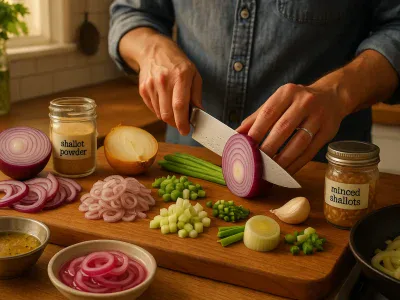
Shallots are small, elongated members of the Allium family, closely related to onions, garlic, and leeks. They stand out for their mild flavor, which combines the sweetness of onions with a subtle hint of garlic. Unlike regular onions that grow as single bulbs, shallots form in clusters similar to garlic cloves.
Their unique taste makes them a favorite ingredient in sauces, dressings, and sautéed dishes. For example, they add depth to vinaigrettes or enhance the richness of pan sauces for meats. When caramelized, shallots develop a sweet complexity that’s hard to replicate.
You can identify shallots by their reddish-brown papery skin and pale purple flesh inside. They’re typically smaller than most onion varieties but pack more nuance into their flavor profile. Cooking methods like roasting or frying further bring out their natural sweetness without overpowering other ingredients.
If you’re wondering whether they’re interchangeable with onions or garlic—yes and no! While they share some similarities in taste and texture—like how minced shallot can replace onion in raw preparations—their milder nature means direct swaps might require adjustments in quantity or seasoning balance.
Why Look For A Substitute For Shallot?
Shallots may not always be available in your kitchen or local store. Supply chain disruptions, seasonal unavailability, or regional limitations can make finding fresh shallots challenging. If you’re following a recipe that specifies shallots but can’t find them, understanding substitutes ensures your dish retains its intended flavor profile.
Some people search for alternatives due to dietary preferences or allergies. While rare, sensitivities to the Allium family (onions, garlic) might require you to replace shallots with non-Allium options like fennel or celery. This helps maintain the recipe’s balance without triggering adverse reactions.
Budget constraints can also lead you to explore replacements. Shallots often cost more than onions and garlic due to their smaller size and distinct flavor. Substituting with ingredients like yellow onions mixed with a bit of minced garlic provides a cost-effective solution while mimicking the taste.
Time-sensitive recipes benefit from easier-to-handle substitutes too. Dicing tiny shallot bulbs can take longer compared to chopping larger onions or using pre-minced alternatives like jarred garlic paste combined with onion powder.
Recognizing these factors makes it practical and convenient to have substitute options on hand for different cooking scenarios.
Best Substitute Options For Shallot
Finding the right substitute for shallots depends on your recipe and flavor profile. Several alternatives mimic their unique taste, offering versatility in both raw and cooked dishes.
Onion Varieties
Yellow onions, red onions, and white onions are versatile substitutes. Yellow onions work well in cooked recipes due to their balanced sweetness when caramelized. Red onions add a sharper bite, making them suitable for raw applications like salads or salsas. White onions have a milder flavor and pair nicely with soups or stir-fries.
For example: Replace one medium-sized shallot with 2-3 tablespoons of finely minced yellow onion for similar depth in pasta sauces or stews.
Leeks
Leeks provide a mild onion-like flavor with subtle herbal notes. Use the white and light green parts, as the darker greens tend to be tougher and less flavorful. They’re ideal for creamy soups, quiches, or roasted vegetable medleys.
Example: Swap one large shallot with an equal amount of thinly sliced leek (about 1/4 cup) when preparing risotto or chicken casseroles.
Garlic
Garlic offers a pungent alternative that complements savory dishes but lacks the sweetness of shallots. Minced garlic works best when combined with another substitute like onion to balance the flavors.
Example: Mix one clove of minced garlic with 1 tablespoon chopped yellow onion to replace one medium shallot in vinaigrettes or marinades.
Scallions
Scallions (green onions) deliver a fresh taste closer to raw shallots’ mildness. The white part has more intensity than the green tops; use both sections depending on your dish’s needs. They excel in garnishes, stir-fries, and dips.
Example: Substitute two scallion whites plus some chopped greens for every medium-sized shallot when making scrambled eggs or Asian-inspired noodles.
Chives
Chives offer a delicate onion-garlic flavor perfect for raw preparations like dressings, dips, or toppings. Their thin texture makes them unsuitable for cooking-intensive recipes but excellent as finishing touches.
Example: Replace one small shallot with about 2 teaspoons of finely chopped chives in potato salad or sour cream-based spreads.
How To Choose The Right Substitute For Your Dish
Selecting the best substitute for shallots depends on the recipe’s specific requirements. Focus on flavor, texture, and color to maintain balance in your dish.
Flavor Considerations
Prioritize substitutes that replicate the mild sweetness of shallots. Yellow onions combined with a small amount of minced garlic can mimic this profile in cooked dishes like soups or stews. Red onions, while sharper, work well in raw applications such as salads or salsas when soaked briefly in water to reduce their bite.
If you’re aiming for a more subtle touch, leeks offer a delicate onion-garlic hybrid taste ideal for creamy sauces. Chives or scallions provide freshness but should be added towards the end of cooking or used raw to preserve their vibrant notes. Garlic alone may overpower recipes unless balanced with other ingredients.
For non-Allium alternatives, fennel bulb adds an anise-like sweetness that complements roasted vegetables or braised meats. Celery delivers crunch without overpowering flavors but lacks shallots’ natural sweetness.
Texture And Color
Texture plays a critical role when substituting shallots. Diced yellow onions match the soft consistency achieved after sautéing shallots; but, they require slightly longer cooking time to caramelize properly. Scallions and chives produce finer textures suitable for garnishes but don’t hold up as well under heat.
In terms of color, red onions introduce reddish-purple hues into dishes which contrast visually with typical pale purple tones from shallots. Leeks maintain a neutral appearance while adding visible layers when sliced thinly—ideal for quiches or gratins. Fennel’s pale green shade blends seamlessly into light-colored recipes like soups or stocks.
Tips For Using Shallot Substitutes Effectively
Adjust Quantities Thoughtfully
Match the intensity of the substitute to that of shallots. For example, yellow onions are stronger in flavor than shallots; use about half the amount when substituting them in recipes. If using scallions or chives, you may need to double their quantity due to their milder taste.
Combine Ingredients for Depth
Blend substitutes for a closer match to shallots’ complex profile. Mix finely minced garlic with yellow onions to mimic both the sweetness and slight garlicky undertone. Use this combination in sautés and soups where shallot flavor is prominent.
Consider Cooking Techniques
Change preparation methods based on your substitute choice. Caramelizing onions enhances their sweetness, making them closer in taste to cooked shallots. Scallions or leeks, when sautéed lightly, retain a tender texture similar to shallots without overpowering other ingredients.
Match Flavor Profiles To Dishes
Use substitutes that complement specific recipes. Red onions add sharpness and color to salads but might overwhelm delicate sauces where leeks or fennel would be better alternatives. Think about how each option affects overall balance.
Account for Texture Differences
Choose options that replicate the consistency of chopped or cooked shallots. Finely diced yellow onions work well as they soften similarly during cooking, while scallions maintain a crisp texture ideal for garnishes like toppings on baked potatoes.
Experiment With Non-Allium Options
Try fennel bulbs or celery if you’re avoiding Allium-family ingredients due to allergies or dietary reasons. These vegetables provide subtle sweetness and crunch without introducing onion-like flavors into dishes such as stir-fries or grain bowls.
Conclusion
Finding a substitute for shallots doesn’t have to be daunting. With so many versatile options available, you can adapt your recipes without sacrificing flavor or quality. Whether you’re working with onions, garlic, or experimenting with non-Allium alternatives like fennel, the key is balancing flavors and textures to suit your dish.
By being creative and mindful of adjustments, you’ll not only replicate the essence of shallots but may even discover new flavor combinations that elevate your cooking. Embrace the opportunity to experiment and enjoy the process of making each recipe uniquely yours.
To provide the best experiences, we use technologies like cookies to store and/or access device information. Consenting to these technologies will allow us to process data such as browsing behaviour or unique IDs on this site. Not consenting or withdrawing consent, may adversely affect certain features and functions.
Functional
Always active
The technical storage or access is strictly necessary for the legitimate purpose of enabling the use of a specific service explicitly requested by the subscriber or user, or for the sole purpose of carrying out the transmission of a communication over an electronic communications network.
Preferences
The technical storage or access is necessary for the legitimate purpose of storing preferences that are not requested by the subscriber or user.
Statistics
The technical storage or access that is used exclusively for statistical purposes.The technical storage or access that is used exclusively for anonymous statistical purposes. Without a subpoena, voluntary compliance on the part of your Internet Service Provider, or additional records from a third party, information stored or retrieved for this purpose alone cannot usually be used to identify you.
Marketing
The technical storage or access is required to create user profiles to send advertising, or to track the user on a website or across several websites for similar marketing purposes.