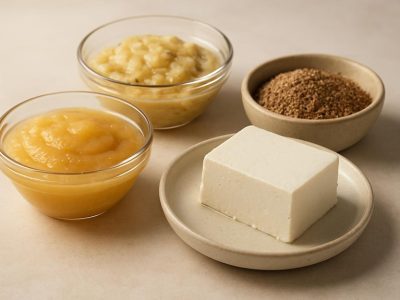
Picture this: you’re craving warm, freshly baked cookies, but there’s not an egg in sight. Maybe you’re out of eggs, or perhaps dietary preferences or allergies have made you rethink their role in your recipes. Whatever the reason, it doesn’t mean cookie night is canceled. , exploring egg substitutes can open up a whole new world of baking possibilities.
Why Look For Egg Substitutes In Cookies?
Egg substitutes offer solutions when eggs aren’t an option for cookie recipes. Whether it’s due to allergies, vegan lifestyles, or running out unexpectedly, alternatives provide flexibility. You can still create cookies with the texture and flavor you expect without compromising dietary needs.
Dietary restrictions often lead people to explore egg replacements. Allergies to eggs affect millions globally; the Food Allergy Research & Education (FARE) estimates approximately 2% of children in the US have egg allergies. Using substitutes like flaxseed meal or applesauce ensures safe treats for everyone.
Vegan baking avoids animal-derived ingredients entirely. Aquafaba—chickpea water—is a popular choice for mimicking egg whites in recipes requiring aeration. It helps maintain structure while adhering to ethical preferences.
Cost-saving measures also encourage finding alternatives. Eggs may fluctuate in price due to market conditions, but pantry staples like mashed bananas or yogurt can replace them inexpensively without altering quality significantly.
Experimenting with substitutes enhances creativity in baking. Understanding how options like chia seeds or silken tofu impact moisture and binding lets you tailor recipes more effectively, ensuring consistent results across variations.
Key Factors To Consider When Choosing A Substitute
When selecting an egg substitute for cookies, focus on factors like texture, flavor, and dietary restrictions. These elements ensure your cookies turn out as intended.
Texture And Consistency
Texture plays a crucial role in cookie quality. Eggs contribute moisture and binding properties that affect the chewiness or crispness of cookies. For chewy cookies, mashed bananas or unsweetened applesauce work well, as they add moisture while maintaining structure. In contrast, aquafaba (chickpea water) mimics egg whites’ airy consistency for lighter textures.
Consider how substitutes interact with dry ingredients. For instance, flaxseed meal mixed with water forms a gel-like consistency similar to eggs when used in recipes requiring cohesion. Experimentation can help you balance these effects based on desired results.
Flavor Impact
Flavor changes depending on the substitute you use. Bananas introduce a mild fruity sweetness that complements oatmeal or chocolate chip cookies but may overpower subtle flavors like vanilla or butter. Applesauce has a neutral taste and blends seamlessly into most recipes without altering dominant flavor profiles.
Yogurt provides tanginess that works well in rich cookie varieties such as snickerdoodles but might clash with simpler ones. Always match the substitute’s inherent flavor to your recipe’s primary ingredients for harmonious results.
Dietary Restrictions
Dietary needs influence substitute choices significantly. Vegans favor options like aquafaba or flaxseed meal since they’re plant-based and allergen-free. Those avoiding gluten might opt for chia seeds instead of flour-based thickeners when replacing eggs in gluten-free recipes.
Top Substitutes For Eggs In Cookies
Finding the right egg substitute can transform your cookie recipes while maintaining their texture and flavor. Each alternative brings unique properties, making it essential to match them with your recipe’s needs.
Applesauce
Applesauce works as a reliable egg substitute due to its moisture content and binding ability. Use 1/4 cup of unsweetened applesauce to replace one egg in most cookie recipes. It adds a mild sweetness that complements spiced or fruity cookies, like oatmeal raisin or apple-cinnamon varieties. Ensure you use unsweetened applesauce if you’re aiming to control sugar levels in your recipe.
Mashed Banana
Mashed bananas offer both moisture and natural sweetness, making them ideal for chewy cookies like chocolate chip or peanut butter. Substitute one egg with 1/4 cup of mashed banana, remembering that ripe bananas enhance the sweetness further. The distinct banana flavor may not suit all recipes but shines in tropical-themed bakes or breakfast-style cookies.
Yogurt
Plain yogurt provides creaminess and tanginess, which enhances rich cookie flavors such as double chocolate or red velvet. Replace each egg with 1/4 cup of plain yogurt (dairy-based or plant-based). Thinner yogurts might alter the dough consistency slightly; opt for Greek yogurt when possible for thicker results.
Flaxseed Meal
Flaxseed meal creates an excellent vegan-friendly binding agent when mixed with water. Combine 1 tablespoon of flaxseed meal with 2.5 tablespoons of water, letting it sit for five minutes until gel-like before adding it to your dough. This mixture works well in hearty cookies like oatmeal or nut-packed variations due to its nutty taste and dense texture contribution.
Aquafaba
Aquafaba mimics the airy consistency of egg whites, perfect for light-textured cookies such as macarons or meringue-style options. Use three tablespoons of aquafaba (chickpea brine) per replaced egg after whipping it lightly if fluffiness is necessary in your recipe. While neutral-tasting on its own, ensure no strong chickpea residue remains by straining thoroughly beforehand.
Tips For Using Egg Substitutes In Cookie Recipes
Match the Substitute to the Recipe
Choose an egg replacement that aligns with your cookie’s texture and flavor profile. For chewy cookies, mashed bananas or unsweetened applesauce work well due to their moisture content. If you’re aiming for a light, airy texture, aquafaba can mimic the properties of egg whites effectively.
Adjust Liquid Ratios
Some substitutes like yogurt or applesauce introduce extra moisture, so reduce other liquids in your recipe slightly to maintain balance. Without adjusting ratios, you risk overly sticky dough or underbaked centers.
Consider Baking Time
Cookies made with substitutes often require minor adjustments in baking time since ingredients like flaxseed meal might alter how heat is absorbed and distributed during baking. Keep an eye on your batch, checking doneness a minute or two earlier than usual.
Test Small Batches First
Experimenting with new substitutes? Start by testing small batches to evaluate the outcome before scaling up for larger quantities. This prevents wasting ingredients if results differ from expectations.
Account for Flavor Changes
Certain substitutes affect taste significantly; for example, bananas add sweetness and a fruity aroma that may not suit all recipes. To keep flavors consistent, use neutral-tasting options like aquafaba or unsweetened applesauce where necessary.
Incorporate Binding Agents Where Needed
Ensure proper binding when using dry alternatives like chia seeds or flaxseed meal by mixing them with water beforehand to create a gel-like consistency similar to eggs.
Leverage Pantry Staples for Convenience
Common items such as vinegar and baking soda create chemical reactions that provide structure and lift in baked goods without eggs—ideal when you’re short on specialty items but stocked with basic supplies.
Keep Dietary Preferences in Mind
Vegan-friendly options include flaxseed meal, chia seeds, and aquafaba; these cater specifically to plant-based diets while ensuring high-quality results across various cookie types.
Note Storage Implications
Cookies containing perishable replacements like yogurt may have shorter shelf lives compared to those made traditionally with eggs; refrigerate leftovers promptly if needed.
Embrace Creativity While Baking
Conclusion
Baking cookies without eggs doesn’t have to be a challenge. With so many versatile substitutes available, you can easily adapt your recipes to suit your needs or preferences. Whether you’re looking for vegan options, catering to allergies, or simply working with what’s in your pantry, there’s a solution that’ll keep your cookies delicious.
Experimenting with different substitutes not only helps you overcome baking hurdles but also opens the door to unique flavors and textures. By keeping an open mind and testing small batches, you’ll discover new ways to perfect your favorite cookie recipes.
Embrace the opportunity to get creative in the kitchen. With the right egg substitute and a little practice, you’ll achieve amazing results every time.
To provide the best experiences, we use technologies like cookies to store and/or access device information. Consenting to these technologies will allow us to process data such as browsing behaviour or unique IDs on this site. Not consenting or withdrawing consent, may adversely affect certain features and functions.
Functional
Always active
The technical storage or access is strictly necessary for the legitimate purpose of enabling the use of a specific service explicitly requested by the subscriber or user, or for the sole purpose of carrying out the transmission of a communication over an electronic communications network.
Preferences
The technical storage or access is necessary for the legitimate purpose of storing preferences that are not requested by the subscriber or user.
Statistics
The technical storage or access that is used exclusively for statistical purposes.The technical storage or access that is used exclusively for anonymous statistical purposes. Without a subpoena, voluntary compliance on the part of your Internet Service Provider, or additional records from a third party, information stored or retrieved for this purpose alone cannot usually be used to identify you.
Marketing
The technical storage or access is required to create user profiles to send advertising, or to track the user on a website or across several websites for similar marketing purposes.