Choosing the right piano is like selecting the perfect instrument to bring your musical dreams to life. Imagine the crisp, resonant sound filling a cozy room or the grand, thunderous chords echoing through a concert hall.
The difference between an upright and a grand piano isn’t just about size—it’s about experience, ambition, and the space you have to breathe life into your music. Did you know that a well-chosen upright can offer surprising clarity for daily practice, while a grand can inspire artistry with its rich tonal palette?
Navigating this decision can unlock a world of sonic possibilities tailored just for you.
What Are the Main Differences Between Upright and Grand Pianos?
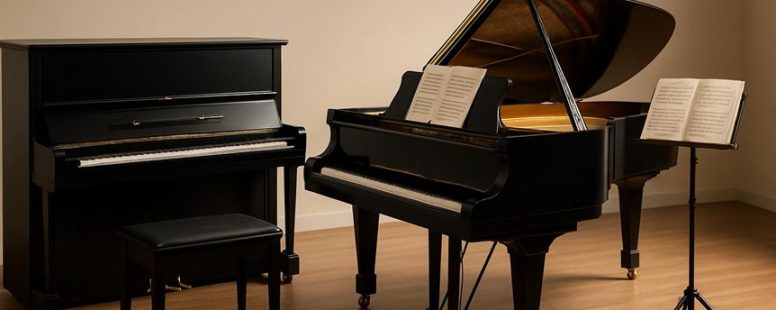
A piano can be either upright or grand, and they are different in how they look and sound. A grand piano is a large, horizontal instrument with a wide soundboard and long strings. This design helps produce a richer and more detailed sound. Many famous brands like Steinway and Yamaha make high-quality grand pianos. Because of their size and shape, they are often found in concert halls and music schools.
Upright pianos are smaller and built vertically. They take up less space, making them good for homes or smaller rooms. Their internal parts are arranged differently, which can make their sound slightly less full than a grand. Still, brands like Baldwin and Kawai make good upright pianos that are suitable for beginners and casual players.
People often choose a grand piano if they want the best sound quality and have space for it. But if you are limited on space or need a more affordable option, an upright piano is a good choice. Both types can make beautiful music, but their design and size affect how they sound and where they fit best.
How Do Design and Size Affect Sound and Playability?
The design and size of a piano are key to how it sounds and how easy it is to play. Larger pianos, like grand pianos, usually make richer and fuller sounds. This is because they have longer strings and bigger soundboards, which help produce a better tone. For players, bigger pianos can also have more responsive keys, making playing feel smoother.
On the other hand, smaller pianos, such as upright pianos, are easier to move around and fit into smaller rooms. They might not sound as deep or full as grand pianos, but they are still good for beginners or people with limited space.
The look of the piano matters too. Grand pianos are often seen as elegant and are used in concert halls, while upright pianos are more practical for homes and schools.
Material choice also affects sound and durability. High-quality woods and metals used in making pianos help them sound better and last longer. For example, a piano made with good wood can resonate more and produce a richer tone.
Some people might choose a smaller upright for its portability and affordability, even if it doesn’t produce the same depth of sound. Others prefer a grand piano for its beauty and sound quality.
In the end, the size and design of a piano shape not just how it sounds, but also how it feels to play and how well it fits into a space. Whether you want a big, powerful sound or a small, easy-to-move one, understanding these differences helps you pick the right instrument.
Which Piano Fits Better in Your Space and Environment?
Choosing the right piano for your space depends on your room size, needs, and how you want the sound to fill the room.
A grand piano is usually the best choice if you have a large space. It has a bigger body and longer strings, which makes the sound richer and fuller. Many professional musicians prefer grand pianos, like Steinway or Yamaha, because of their deep, beautiful tone. But keep in mind, grand pianos need a lot of space. They can be difficult to move and are expensive to buy and maintain. If you have a small room or limited space, a grand piano might not fit well.
An upright piano is a good option if your space is smaller. It has a vertical design that takes up less room. Despite its size, an upright can still produce good sound, especially from brands like Baldwin or Kawai. It’s easier and cheaper to move around and maintain. However, because of its compact shape, it might not sound as full as a grand piano.
Some people choose between the two based on their environment. For example, a music school or concert hall might prefer a grand piano for its sound quality. A home or classroom might do better with an upright because of space and budget.
In the end, think about how much room you have, your budget, and what kind of sound you want. Both types can fit nicely into different spaces, but knowing their strengths and limits helps you pick what’s best for you.
How Much Do Upright and Grand Pianos Cost?
When deciding between an upright and a grand piano, knowing the price difference helps you choose the right one for your needs. Upright pianos are usually less expensive, costing between $3,000 and $8,000. They are simpler in design and take up less space, making them good for beginners or small rooms. For example, brands like Yamaha and Kawai sell reliable uprights that fit into small apartments.
Grand pianos are often more costly, with prices starting around $7,000 for basic models. High-end grand pianos, like Steinway & Sons or Bosendorfer, can cost over $100,000. These larger instruments are prized for their rich sound, which many musicians prefer. But the price reflects their craftsmanship and the materials used. Some older grand pianos, if well kept, can be worth more because of their history and rarity.
Here are some key points to think about:
Upright pianos are more affordable and fit into smaller spaces, making them a good choice for beginners or those with limited room.
Grand pianos sound better and are often used by professional musicians. Their complex design is part of what makes their sound so rich.
The age of the piano can also affect its price. Older, well-maintained grand pianos sometimes cost more because of their history and craftsmanship.
The value of a piano as an investment depends on the brand, size, and how it’s built. Some brands hold their value better over time.
When choosing, think about your budget, space, and what kind of sound you want. Both types have their pros and cons. Uprights are cheaper and easier to fit into a home, but grands offer a sound that many players dream of. Make sure to try out different pianos before buying to find the right one for you.
What Are the Best Uses for Different Types of Pianos?
Different types of pianos are best for different places and uses. Knowing which piano fits your needs can help you choose the right one.
Upright pianos are best for home use, practice, and small spaces. They are compact and usually less expensive. Many people buy upright pianos for their living rooms because they don’t take up much space. They are good for beginners as well because they are easier to move and maintain. For example, a family might keep an upright piano in their living room so kids can practice whenever they want.
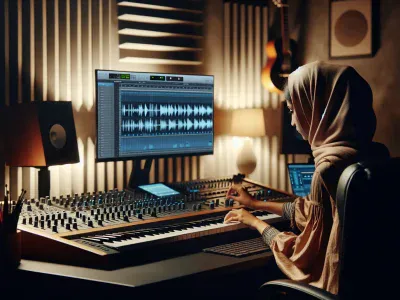
Grand pianos are best for big spaces like concert halls, recording studios, and music schools. They are larger and have a richer, fuller sound. Because of their size and sound quality, they are often used by professional musicians during concerts. The grand piano is seen as a symbol of art and prestige, often placed in fancy settings or prestigious events. But, grand pianos can be very expensive and take up a lot of room, so they are not the best choice for small homes.
Some people wonder which type is better. The answer depends on what you need. If you want a piano for practice at home, an upright is usually enough. If you perform or record music, a grand piano might be better because of its sound quality. However, keep in mind that grand pianos are more costly and require more space.
Knowing the differences can help you pick the right instrument. Whether you want a small piano for your house or a grand piano for a stage, each has its own special role. Choosing the right one makes playing more enjoyable and fitting for your environment.
How Do You Maintain and Ensure Longevity of Your Piano?
How to Keep Your Piano Playing Well for Many Years
A piano can be a beautiful part of your home for a long time if you take care of it properly. Regular maintenance is the best way to keep your instrument sounding great and working smoothly. Here are four simple steps to help preserve your piano.
1. Get a professional piano tuning twice a year.
Pianos need tuning to stay in tune and sound their best. A trained tuner from Steinway or Yamaha can check the strings and soundboard. If you wait too long, the strings can go out of tune, and the sound quality will suffer. Some people think tuning is only needed if the piano sounds off, but regular tuning keeps everything balanced.
2. Clean your piano regularly with gentle products.
Dust and dirt can damage your piano over time. Use a soft cloth to clean the keys and the outside of the piano. Avoid harsh cleaners that could harm the finish. For example, a damp cloth with a little mild soap works well. Cleaning keeps dust from settling in the moving parts and helps prevent sticking keys.
3. Keep your piano in a stable room.
Temperature and humidity changes can cause the wood and strings to expand or shrink. Make sure to place your piano in a room where the temperature stays between 65 and 75 degrees Fahrenheit. Use a humidifier or dehumidifier if you live in a very dry or humid place. If your piano is near a window or radiator, the heat or cold can damage it faster.
4. Cover your piano when it’s not used.
A simple cover can stop dust and dirt from settling on your instrument. It also protects against accidental bumps or spills. For example, a soft, fitted cover from a music store like Baldwin or Kawai can prevent scratches. Just remember, covers should be clean and dry before putting on the piano to avoid trapping moisture.
Some people might disagree on how often to tune or clean their pianos. While regular tuning is widely recommended, some owners with older pianos might wait longer between tunings to save money. However, neglecting maintenance can lead to more repairs later.
How to Choose the Right Piano Based on Your Goals and Lifestyle?
Choosing the right piano depends mostly on your goals and lifestyle. Each type of piano has unique features that make it better for certain needs.
Grand pianos are known for their rich sound and great touch. They are usually used in concert halls and by professional musicians. If you want to perform or record music at a high level, a grand piano might be the best choice. But they are big, heavy, and expensive, so they may not fit in small homes.
Upright pianos are smaller and more affordable. They became popular because they take up less space and are easier to move. If you practice at home or have limited space, an upright piano can work well. It might not sound as full as a grand, but it still offers good quality sound.
Your lifestyle matters too. If you need a portable instrument, a digital piano or a smaller upright might be better. If you want to play for fun and have space, a grand piano could be perfect. Think about how much room you have, how often you want to move the piano, and what kind of sound you prefer.
Understanding the history of piano making can help you see why certain styles exist. Grand pianos were made for large halls and serious performance. Uprights came later and were made for everyday use at home. Knowing these facts can help you choose an instrument that fits your goals and space.
In the end, no matter what you pick, the most important thing is that the piano helps you enjoy playing and improves your skills.
When Do Musicians Prefer Upright Over Grand Pianos, and Vice Versa?
Musicians usually choose between upright and grand pianos based on space, sound, and budget. An upright piano is a good choice if space is limited because it takes up less room. These pianos are tall and narrow, making them easier to fit in small rooms or apartments. They are also more affordable and easier to buy for beginners or casual players.
Grand pianos are preferred when sound quality matters most. They produce richer, fuller tones that many professional musicians love. Grand pianos come in different sizes, like baby grands or concert grands, with larger models offering better sound. But they need more space because they are wider and taller. If you have a large room and want the best sound, a grand might be the right choice.
Some musicians think about how often they will play. If you practice daily or perform often, a grand piano can be more inspiring because of its sound. But if you only play for fun or practice occasionally, an upright might be enough and easier to move around.
Budget also plays a role. Uprights are usually less expensive, making them a good starting point. Grand pianos can cost thousands of dollars, especially larger models. If budget is tight, an upright can still offer good quality sound and last a long time.
In the end, the decision depends on personal needs. Some musicians prefer the rich sound of a grand but can only have an upright due to space or money. Others might choose a grand for its look and sound, even if it takes more room. Knowing what matters most to you will help make the right choice.
Space Constraints and Room Size
Upright pianos are best for small rooms because they fit easily into tight spaces. They take up less room and leave more space for furniture or walking around. The smaller size also helps the sound stay focused, which is good for smaller rooms. If your room is packed with furniture or narrow, an upright piano is a smart choice.
Grand pianos are much larger and can take up most of a room. They look impressive but might make a small space feel crowded. If you have a big room or want a showpiece, a grand piano can work. But for tiny rooms, it can dominate the space and make the room feel cramped.
Room acoustics also matter. Upright pianos produce a more direct sound that works well in small spaces. Grand pianos create a richer, fuller sound that can fill a large room but may be overwhelming in a small one. Think about how the sound will blend with your furniture and other items when choosing.
Furniture arrangement is also key. In small rooms, placing the piano carefully helps with comfort and sound. Uprights fit into corners or against walls easily, saving space. Grand pianos need more room around them to sound their best and avoid feeling crowded.
Performance and Sound Quality
The main factor that matters most to musicians is how a piano sounds and performs. While the size and shape of a piano can affect how it looks, it’s the sound quality that really counts. Grand pianos usually sound better because they are bigger. Their longer strings and larger soundboards make a richer, fuller sound. This helps them produce more powerful notes and a wider range of tones. For example, a concert grand piano like the Steinway Model D can fill a large concert hall with clear, vibrant sound.
Upright pianos are smaller and take up less space. They can still sound good, but their clarity may be less, especially in the deep bass and high treble notes. Many musicians choose uprights for practice or small rooms because they are easier to fit in. If you want a piano for performances that need expressive sound and projection, a grand is usually the best choice. But if space or budget are limited, an upright can still give you decent sound quality for everyday playing.
Some people say grand pianos are better for serious musicians because of their tone and sound control. Others argue that upright pianos are enough for beginners or practice at home. The main warning is that even the best upright won’t sound quite the same as a grand. So, think about what you need most—powerful sound or space-saving design—before choosing.
Budget and Investment Considerations
Budget and investment choices are important when deciding between upright and grand pianos. A grand piano usually costs more because it’s made with better craftsmanship and lasts longer. It can be a good investment if you plan to keep it for many years or perform professionally. However, grand pianos take up more space and are more expensive upfront.
Upright pianos are more budget-friendly and fit better in small rooms. They cost less and are easier to move. If you are just starting out or have limited space, an upright might be the best choice. But they may not last as long or sound as rich as a grand piano.
Here are some points to think about:
Initial Cost: Grand pianos cost much more at first. For example, a new Steinway grand can cost over $70,000, while an upright Yamaha might cost around $3,000.
Long-term Value: Grand pianos often stay beautiful longer because of better materials, making them a good long-term investment.
Space and Budget: Uprights are smaller and cheaper, perfect for small apartments or beginner players.
Durability: Materials used in grand pianos are often more durable, but upright pianos can still last many years if cared for properly.
Some musicians choose a grand piano for its sound quality and elegance, while others pick an upright for affordability and space saving. Think about your goals and your budget before making a choice. Remember, a piano is a long-term purchase, so it’s worth considering both the initial cost and how much you will enjoy it in the future.
Tips for Testing and Picking the Perfect Piano for Your Home or Studio
Choosing the best piano for your home or studio means more than just looking at pictures online. You need to test the piano in person to see if it feels good and sounds right for your space. Here are some steps to help you find the right one.
First, focus on tuning. Play the piano and listen carefully. A good piano should have a steady, rich sound across all the keys. If some notes sound out of tune or weak, it might need fixing. Remember, a well-tuned piano makes practicing more fun and helps you learn faster.
Next, check the keyboard sensitivity. Do the keys respond smoothly when you press them? Can you control the volume easily from soft to loud? A good piano lets you play softly like a whisper or loudly with power. If the keys are stiff or too loose, it can be hard to express yourself.
Try playing different parts of the keyboard. Notice how the tone changes from the low bass to the high treble. Does the sound stay clear? Does the action feel comfortable for your hands? Sit at the piano just like you will when you practice. Take your time and see how it feels after a few minutes.
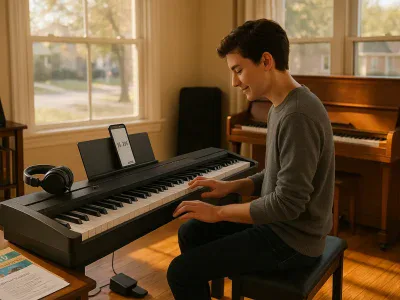
Some people prefer digital pianos for their convenience, while others like the authentic feel of an acoustic. Both have their pros and cons. Digital pianos are usually quieter and easier to move, but acoustic pianos often have a richer sound. Think about your space and how you plan to use the instrument.
Keep in mind, not every piano is perfect right away. Some might need tuning or minor repairs. It’s good to ask the seller about the piano’s history. Also, consider how long you plan to keep the instrument. Investing in a quality piano can make a big difference in your playing experience.
Testing in person helps you find a piano that fits your style and comfort. Remember, a well-chosen piano that feels and sounds right will inspire you to practice more and enjoy making music.
To provide the best experiences, we use technologies like cookies to store and/or access device information. Consenting to these technologies will allow us to process data such as browsing behaviour or unique IDs on this site. Not consenting or withdrawing consent, may adversely affect certain features and functions.
Functional
Always active
The technical storage or access is strictly necessary for the legitimate purpose of enabling the use of a specific service explicitly requested by the subscriber or user, or for the sole purpose of carrying out the transmission of a communication over an electronic communications network.
Preferences
The technical storage or access is necessary for the legitimate purpose of storing preferences that are not requested by the subscriber or user.
Statistics
The technical storage or access that is used exclusively for statistical purposes.The technical storage or access that is used exclusively for anonymous statistical purposes. Without a subpoena, voluntary compliance on the part of your Internet Service Provider, or additional records from a third party, information stored or retrieved for this purpose alone cannot usually be used to identify you.
Marketing
The technical storage or access is required to create user profiles to send advertising, or to track the user on a website or across several websites for similar marketing purposes.