Baking is an art, but it can feel like a science experiment when you’re out of eggs or need to avoid them altogether. Whether you’re catering to dietary restrictions, allergies, or simply ran out of eggs mid-recipe, you might wonder how to achieve that perfect texture and flavor without this staple ingredient. The good news? You’ve got options—plenty of them.
Imagine whipping up fluffy cakes, moist brownies, or golden cookies without cracking a single egg. From pantry staples like applesauce and yogurt to innovative choices like aquafaba, these alternatives can transform your baking game. Each substitute brings its own unique twist, offering surprising benefits you might not expect. Ready to explore a world of egg-free possibilities? Let’s jump into the secrets that’ll keep your baked goods irresistible and your creativity soaring.
Why Look For An Alternative To Eggs In Baking?
Dietary needs often push you to consider egg substitutes while baking. Many people have egg allergies, affecting about 2% of children and some adults. Avoiding eggs ensures inclusive treats that everyone can enjoy safely.
Ethical choices also play a role. If you’re vegan or concerned about animal welfare, skipping eggs aligns with these values. Plant-based alternatives like flaxseeds or chia seeds support such lifestyles effectively.
Running out of eggs mid-recipe is common. Substitutes like applesauce or mashed bananas can save your dish without compromising taste or texture.
Health-conscious decisions are another reason. Eggs contain cholesterol, so using options like yogurt or silken tofu reduces this while retaining moisture in baked goods.
Environmental impact matters too. Egg production contributes to carbon emissions and uses significant resources. Switching to sustainable alternatives like aquafaba reduces your ecological footprint in the kitchen.
Common Reasons For Egg Substitutes
You may consider egg substitutes in baking for diverse reasons tied to personal needs, health goals, or ethical beliefs. Each aspect underscores the rising demand for accessible and creative alternatives.
Dietary Restrictions
Baking without eggs often supports specific diet plans, like low-cholesterol or plant-based regimens. For example, mashed avocado offers creaminess and binds ingredients well while providing healthy fats. Similarly, using silken tofu in recipes delivers protein and structure without added cholesterol. Such alternatives align with heart-friendly diets and pave the way for nutrient-rich baked goods.
Allergies And Intolerances
Egg allergies affect roughly 2% of children in the US, creating a need for safe substitutes during baking. Replace eggs with applesauce or mashed bananas for moisture, especially in muffins or quick breads. These options ensure consistency in texture while being allergen-free. Discussing health with a physician first is vital to avoid potential cross-reactive ingredients.
Vegan Lifestyle
For those avoiding animal-based products, flaxseeds and chia seeds are smart choices. Mixing one tablespoon of ground flaxseed with three tablespoons of water creates a gel-like consistency, mimicking egg properties. Chia seeds offer a similar effect, adding a slight crunch to baked goods. These substitutes support vegan values, enhancing inclusivity in baking practices.
Popular Egg Substitutes In Baking
Finding the right egg substitute in baking depends on the recipe and desired texture. Experimenting with these substitutes lets you maintain quality while catering to dietary needs or lifestyle choices.
Fruit-Based Substitutes
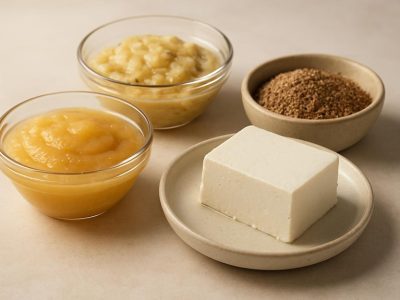
Use mashed bananas or unsweetened applesauce for moisture and binding in recipes. Mashed bananas (¼ cup per egg) work best in dense baked goods like banana bread or brownies, while applesauce keeps cakes and delicate items light.
Pureed pumpkin or avocado provides structural support and a hint of flavor, ideal for muffins or spice cakes. Choose these options if a slight taste variation complements your dish. For example, pumpkin puree pairs well with warm spices like cinnamon and nutmeg.
Dairy Alternatives
Greek yogurt and buttermilk offer creaminess and moisture. Add ¼ cup to replace one egg in pancakes or cupcakes. They enhance fluffiness and create a tender crumb, especially in recipes for soft loaves or quick breads.
Silken tofu, blended into a smooth consistency, substitutes eggs in vegan recipes. Use ¼ cup per egg to enrich brownies or cheesecakes. Tofu’s neutral taste allows strong flavor profiles, like chocolate, to shine.
Commercial Egg Replacers
Pre-packaged egg replacers, available at grocery stores, mimic eggs’ binding and leavening properties. Brands like Bob’s Red Mill or Ener-G suggest specific measurements for cookie, cake, or bread recipes.
These replacers ensure consistency and are free from common allergens, supporting your needs if baking for diverse groups. Their convenience simplifies prep time, particularly in vegan or allergy-conscious kitchens.
How To Choose The Right Egg Substitute
Selecting the best egg substitute depends on understanding its function in your recipe and aligning it with your baking goals. By identifying eggs’ role, you can achieve the desired taste, texture, and appearance in your baked goods.
Understanding The Role Of Eggs In Recipes
Eggs serve multiple purposes in baking, such as binding ingredients, providing moisture, adding structure, and contributing to leavening. Their role can vary depending on the recipe. For binding, eggs hold the mixture together, ensuring cookies or cakes maintain their shape. For moisture, they keep goods like muffins soft and tender. As structure-builders, eggs help stabilize cakes or breads. Finally, leavening gives rise and lightness in recipes like soufflés and sponge cakes.
If you’re replacing eggs for a specific reason, identify their primary function in the dish. For example, in dense recipes like brownies, eggs usually provide moisture and binding. Lighter recipes, such as meringues, often use eggs for leavening and achieving a fluffy texture.
Matching The Substitute To The Recipe
Aligning the substitute with the recipe ensures successful results. For moisture, options like unsweetened applesauce, mashed bananas, or silken tofu work well. To replace binding, flaxseed meal or chia seeds mixed with water creates a gel-like consistency. For structure, pureed avocado or pumpkin provides density without altering the dish’s integrity. Aquafaba, the liquid from canned chickpeas, mimics egg whites and is ideal for whipping into meringues or mousse.
Consider flavor compatibility when selecting substitutes. For example, mashed bananas might overpower delicate dishes like shortbread but complement banana bread or muffins. Greek yogurt or buttermilk adds creaminess to cakes while maintaining a neutral taste. If you’re replacing eggs in recipes dependent on leavening, add baking powder or vinegar alongside substitutes like aquafaba to achieve the necessary rise.
Experimentation helps refine the results and find the perfect alternative for your recipes.
Tips For Baking Without Eggs
Understand Egg’s Role in Recipes
Identify whether eggs are adding moisture, binding ingredients, or providing structure. For example, cookies often need a binder like flaxseed, while cakes benefit more from leavening agents like baking soda with vinegar.
Choose Substitutes Wisely
Match the substitute to your recipe. Use mashed bananas for moist bread, aquafaba (chickpea water) for airy meringues, or unsweetened applesauce as a neutral replacement.
Adjust Measurements
Replacing eggs may affect the liquid-to-dry ratio. Add a tablespoon of flour or oats if your batter appears too moist after using substitutes like yogurt or tofu.
Experiment with Leavening Agents
For recipes requiring fluffiness, combine 1 tablespoon of vinegar and 1 teaspoon of baking soda per egg. This mixture activates during baking, giving sponge cakes and muffins a light texture.
Incorporate Commercial Replacers
When precision matters, use store-bought egg replacers. These powders mimic eggs’ properties and work well for dense or allergen-free treats, ensuring consistency across recipes.
Mix Substitutes Correctly
Blitzing flaxseeds or chia seeds into a gel ensures even texture. Blend silken tofu thoroughly for smoothness in cheesecakes or brownies.
Test Small Batches
Avoid large-scale baking issues by testing alternatives in small-scale recipes first. For instance, trial ¼ cup pureed pumpkin in a muffin recipe before scaling up.
Monitor Baking Time
Egg-free batters might take longer to set. Insert a toothpick to check doneness; the center should come out clean for cupcakes or similar baked goods.
Conclusion
Baking without eggs opens up a world of possibilities that cater to various dietary needs, ethical choices, and creative aspirations. With so many versatile substitutes available, you can confidently craft delicious treats without compromising texture or flavor. Whether you’re addressing allergies, embracing a vegan lifestyle, or simply improvising, the right egg alternative can transform your baking journey.
By experimenting with different options and tailoring them to your recipes, you’ll discover how easy it is to achieve outstanding results. Egg-free baking isn’t just a necessity for some—it’s an opportunity to innovate and create inclusive, flavorful desserts everyone can enjoy.
To provide the best experiences, we use technologies like cookies to store and/or access device information. Consenting to these technologies will allow us to process data such as browsing behaviour or unique IDs on this site. Not consenting or withdrawing consent, may adversely affect certain features and functions.
Functional
Always active
The technical storage or access is strictly necessary for the legitimate purpose of enabling the use of a specific service explicitly requested by the subscriber or user, or for the sole purpose of carrying out the transmission of a communication over an electronic communications network.
Preferences
The technical storage or access is necessary for the legitimate purpose of storing preferences that are not requested by the subscriber or user.
Statistics
The technical storage or access that is used exclusively for statistical purposes.The technical storage or access that is used exclusively for anonymous statistical purposes. Without a subpoena, voluntary compliance on the part of your Internet Service Provider, or additional records from a third party, information stored or retrieved for this purpose alone cannot usually be used to identify you.
Marketing
The technical storage or access is required to create user profiles to send advertising, or to track the user on a website or across several websites for similar marketing purposes.