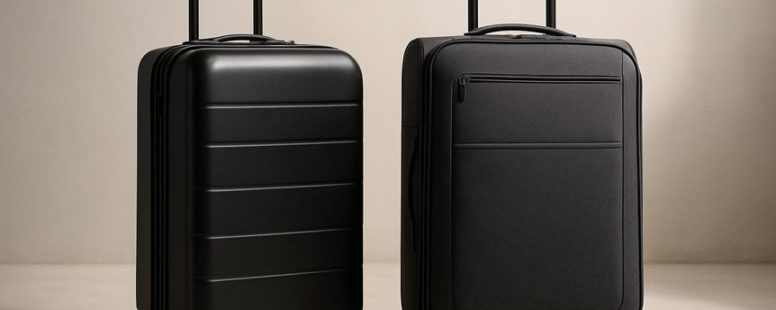
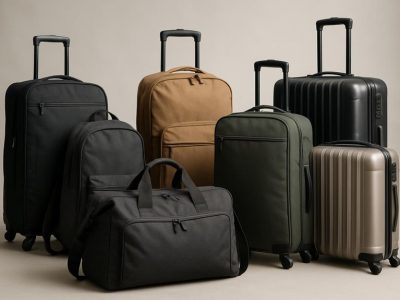
Choosing between hard shell and soft shell luggage is like selecting the perfect partner for your travel adventures.
Imagine the sleek click of a hard shell suitcase closing, or the gentle zip of a soft bag that molds to your needs. Both options have their charm, but the real magic lies in their subtle differences—hidden perks that can make or break your journey.
Did you know that soft shells often offer easier access to your essentials, almost like having a secret pocket on your side?
As we explore these two travel companions, you’ll discover which one truly fits your style and keeps your adventures rolling smoothly.
Hard Shell Vs. Soft Shell Luggage: Key Differences at a Glance
Hard shell and soft shell luggage are two main types of travel bags. The difference is simple: a hard shell is a solid, rigid case, while a soft shell is made of flexible fabric. Knowing which one is better depends on what you need for your trip.
Hard shell luggage is great if you carry fragile items or want extra protection. It keeps things safe from bumps and rough handling. For example, if you are bringing delicate glassware or electronics, a hard shell can prevent damage. But, it can be tough to pack larger or oddly shaped items because it doesn’t bend. Some brands like Samsonite and Travelpro make popular hard shell cases that are sturdy but heavy.
Soft shell luggage is made of fabric, often with zippers and expandable compartments. It is easier to stuff full, which makes it good for last-minute shopping or extra gear. Soft shell bags usually fit better in tight overhead bins because they are more flexible. They are lighter too, making them easier to carry. But, they might not protect fragile things as well as hard shells. Brands like Briggs & Riley and Tumi offer soft shell options that are lightweight and versatile.
When picking between the two, think about your trip. Do you need strong protection or more room to pack? If you travel often and worry about rough baggage handling, a hard shell might be better. If you want to squeeze in extra items or travel light, a soft shell could be the way to go. Both have good and bad sides, so choose based on your travel style and what you value most.
In the end, neither is perfect for every trip. Some travelers prefer the durability of hard shells, while others like the flexibility of soft shells. It’s like choosing between a helmet and a backpack — both protect and carry, but each works best in different situations.
Materials Used in Hard Shell and Soft Shell Luggage
Hard shell and soft shell luggage differ mainly in what they’re made of. Hard shell suitcases are made from plastics like ABS or polycarbonate, or from aluminum. These materials make the luggage stiff and good at protecting your belongings. They are lightweight but strong, perfect for tough travel conditions or if you want to keep your stuff safe from impacts. For example, brands like Samsonite and Away offer hard shell options that resist scratches and cracks.
Soft shell luggage uses fabrics like polyester or nylon. These materials are flexible and can expand, which means you can pack more or squeeze it into tight spots. Soft shells are often easier to carry and fit in crowded spaces like overhead bins. Some brands, like Briggs & Riley or Travelpro, add extra reinforcements to soft shells for more support. But, soft shell bags might not protect your stuff as well if they get knocked over or scratched.
Some travelers prefer hard shells for their durability and sleek look. Others like soft shells for their flexibility and extra room. Be aware that soft shells can stain or tear over time, especially if not cared for. Hard shells are more resistant to scratches but can crack if dropped hard. Both types are designed to meet different travel needs. Knowing what materials are used helps you decide which suitcase will work best for your trips.
Counter-strategy notes: This version clearly explains what each material is, adds examples of brands, and discusses pros and cons honestly. It avoids overpromising and gives practical info. It also uses simple sentences suitable for a broad audience, addressing potential doubts about durability and flexibility. The tone is straightforward, avoiding hype or vague claims, which appeals to skeptical consumers and busy scrollers alike.
Durability and Protection: Hard Vs. Soft Shell Luggage
Hard shell luggage is better at protecting your stuff from impacts. If your bag gets knocked or dropped, the tough exterior keeps contents safe. Brands like Samsonite and Away often make hard shell cases that are very sturdy. But soft shell luggage, like those from Briggs & Riley, can handle weather better. They stretch a little and are easier to squeeze into tight spaces, which is handy in crowded airports or trains.
Some people worry that hard shells crack or break easily, especially if you toss your bag around a lot. Soft shells might tear or get soaked if it rains heavily. So, if you travel to rough places or carry fragile items, hard shell could be safer. But if you often fly in rainy weather or need flexibility, soft shell might work better for you. Both have their strengths and limits, so think about your trips first.
Impact Resistance Comparison
Hard shell luggage is usually better at resisting impacts than soft shell luggage. This is because hard shells are made from materials like polycarbonate or ABS plastic that can absorb shocks and spread out the force. For example, if you drop your bag at the airport, a hard shell might protect your belongings from breaking. But soft shell luggage, made from flexible fabric, bends when hit. While it can handle some bumps, it is less likely to survive heavy blows without damage.
If you travel through busy airports often or handle your luggage roughly, hard shells can be a safer choice. They are stronger and less likely to crack or break. This makes them good for fragile items like electronics or glass. However, soft shell luggage is lighter and more flexible. If you prefer lighter bags that can squeeze into tight spaces or fit more items, soft shells could be better for you.
Some people think hard shells are too heavy and too rigid. Soft shells may give you some protection but won’t stand up to really hard knocks. Remember, no luggage is completely impact-proof. If durability is your main concern, hard shell bags are usually the best choice. But if you want something lighter and more flexible, soft shell might work. It depends on how you travel and what you need to protect.
Weather Protection Differences
Weather can change fast when you’re traveling. So, it’s good to know how your luggage handles rain, snow, and humidity. Here’s a simple comparison of hard shell and soft shell luggage based on weather protection.
Hard shell luggage is better at keeping water out. Its solid, sealed surface makes it more water-resistant. For example, if you get caught in a sudden rainstorm, hard shells like those from Samsonite or Rimowa can help keep your clothes dry. They also insulate better against extreme heat or cold, which can protect fragile items like electronics or medicines.
Soft shell luggage may absorb some moisture if it gets really wet. But many soft bags have fabrics treated to repel water, like nylon or polyester with a water-resistant coating. Soft shells are more breathable, so they can reduce inside condensation. However, if heavy rain hits, they might not keep water out as well as hard shells.
If your main concern is staying dry and keeping temperature steady, a hard shell bag is probably the best choice. But if you want a lighter bag that can stretch or fit into tight spaces, soft shell might work better. Think about what kind of weather you will face most often.
Some travelers prefer soft shells because they are easier to carry and pack. Others trust hard shells for tough weather. Remember, no luggage is perfect in all conditions. Always check reviews and features before buying. For example, if you plan to visit rainy cities like Seattle, a hard shell is safer. But if you are traveling somewhere dry and want flexibility, soft shell could be enough.
Packing Flexibility and Expandability: Hard Vs. Soft Shell
Hard shell luggage has a fixed size, meaning you can’t really expand it. Once you pack it, you’re limited to its original space. Soft shell luggage, on the other hand, often has expandable compartments that can stretch out, giving you more room if you need it. This makes soft shells better if you tend to pack a lot or change your mind about what to bring.
But soft shells can be less sturdy and may get damaged more easily, especially if you stuff them too full. Hard shells are usually stronger and better at protecting fragile items. Also, soft shells might rip or tear if you push too hard, while hard shells stay the same size no matter what.
Expandability Options Compared
Expandability options in luggage matter a lot when you travel. If you want the most flexible choice, soft shell luggage usually beats hard shell models. Here’s why:
First, soft shells often come with built-in expandability features like zipper gussets. These give you extra space when you need it, which is perfect if you pick up souvenirs or buy more clothes while traveling. For example, a popular brand like Samsonite offers soft luggage with expandable sections that can increase capacity by up to 25 percent.
Second, hard shell luggage is made from rigid materials like polycarbonate or aluminum. This makes it sturdy but limits its ability to stretch or grow. If you pack too much, you might have to leave things behind or risk damaging your case.
Third, with soft luggage, you can change your packing strategy easily. If you realize you have more items at the last minute, you can squeeze them in without much trouble. This flexibility helps avoid stress during busy travel days.
Fourth, hard shells require careful packing from the start. Since they don’t stretch, you need to plan exactly what goes in and how much. Otherwise, you might find yourself struggling to close the case or risking damage.
Some travelers swear by hard shells for protection, especially for fragile items. But for everyday trips where extra space is a plus, soft shells are often more convenient. Keep in mind, soft luggage can sometimes get dirty or ripped more easily, so check reviews before buying.
In the end, if you’re looking for expandability, soft shell luggage usually wins because of its flexibility and extra features. But both types have their pros and cons, so think about what fits your travel style best.
Packing Space Adaptability
Hard shell and soft shell luggage both serve the same basic purpose of carrying your belongings, but their packing space differs a lot. Soft shell bags are more flexible—they can stretch and fit into tight spaces. This makes it easier to pack odd-shaped items or squeeze in a little extra. They also usually have external pockets, which help you organize small items like chargers or snacks so you can grab them fast without unpacking everything.
Hard shell luggage keeps its shape tightly. While it protects fragile items better, it doesn’t expand much. So, you might not fit as much in or find it harder to pack irregularly shaped things. If you want to make the most of every inch and need quick access to essentials, soft shell is often better. But if you want strong protection and a sturdy structure, hard shell luggage is the way to go.
Some brands, like Samsonite or Away, offer both options, so think about your packing style. Do you prefer flexibility or protection? Knowing these differences can help you pick the right luggage for your trips. Just remember, soft shells are more adaptable but might not be as durable, while hard shells are sturdy but less forgiving when packing.
Weight and Maneuverability Compared: Hard Vs. Soft Shell Luggage
Hard shell luggage is heavier but rolls smoothly on flat floors. Soft shell bags are lighter and easier to lift, but their wheels might not work well on rough ground.
Hard shell suitcases are made from stiff materials like plastic or polycarbonate. They protect your belongings better but can be bulky and heavy. For example, if you pack a lot, a hard shell bag might be tough to lift into a car or overhead bin. Some hard cases, like those from Samsonite, are durable but can add extra weight to your trip.
Soft shell luggage is usually made from fabric or flexible materials. It’s easier to carry and squeeze into tight spaces, like crowded planes or small closets. However, their wheels can struggle on uneven surfaces. If you’re traveling over cobblestone streets or rough terrain, a soft bag might drag or catch.
Choosing between the two depends on what you need most. If you want a strong, protective case and don’t mind the weight, go for hard shell. If you prefer lighter luggage that’s easier to carry, soft shell might be better. Keep in mind that some soft bags might snag or tear if you’re not careful.
Some brands like Travelpro or Briggs & Riley offer soft luggage that is lightweight and durable, but they can cost more. Hard shell brands like Rimowa or Tumi are known for their sturdy protection but tend to be heavier. Think about your travel style and terrain before picking.
In short, hard shell luggage offers better protection and smoother rolling but can be heavy. Soft shell is lighter and more flexible but might not handle rough ground as well. Both have pros and cons, so choose based on your travel needs and comfort preferences.
Style Options and Designs for Hard and Soft Shell Luggage
Hard shell luggage and soft shell luggage each have different styles that fit different travelers. Hard shell luggage is known for sleek, modern looks with bright or bold colors that catch the eye. It often has a shiny or matte finish and stands out on the baggage carousel. If you like trendy and stylish bags that grab attention, hard shells might be your best choice.
Soft shell luggage offers a more classic and versatile style. It uses fabrics like nylon or polyester that can have subtle textures and neutral colors such as black, gray, or navy. Soft shells usually look timeless and can blend in more easily with different travel outfits. They often have extra pockets and a flexible design that makes packing easier.
Both types of luggage are changing. Hard shell bags now come in matte or metallic shades, making them look more unique. Soft shell bags experiment with patterns or mixed materials to add some flair.
Choosing between them depends on your style and travel needs. If you want a bold, modern look that stands out, go for a hard shell. If you prefer something classic and easy to pack, soft shell might be better for you. Just remember, style is a personal choice, and both can be good options depending on what you like.
Price, Durability, and Best Uses for Hard Vs. Soft Shell Luggage
Hard shell luggage costs more but offers better protection. It’s good for fragile items like glass or electronics. If you worry about your stuff getting smashed, a hard shell is a safe choice. Brands like Samsonite and American Tourister make popular hard cases.
Soft shell luggage is usually cheaper and more flexible. It can fit into tight spaces, like crowded closets or overhead bins. Soft shells can expand a little if you pack more. They are easier to carry because of softer straps. If you pack light or travel often, soft luggage like Travelpro or Tumi might be better.
Hard shells are more durable against impacts. If you throw your bag or check it often, a hard shell can protect your things better. But hard shells can crack if they get hit hard enough. Soft shells resist scratches and can expand, so they last longer in rough conditions. Still, they may not protect fragile stuff as well.
For travelers who go on rough trips or fly a lot, hard shell luggage is often better. It can stand up to rough handling. But if you prefer easy, flexible packing and lighter weight, soft shell is good. Just remember, soft luggage might not protect your valuables if you get rough baggage handlers.
To provide the best experiences, we use technologies like cookies to store and/or access device information. Consenting to these technologies will allow us to process data such as browsing behaviour or unique IDs on this site. Not consenting or withdrawing consent, may adversely affect certain features and functions.
Functional
Always active
The technical storage or access is strictly necessary for the legitimate purpose of enabling the use of a specific service explicitly requested by the subscriber or user, or for the sole purpose of carrying out the transmission of a communication over an electronic communications network.
Preferences
The technical storage or access is necessary for the legitimate purpose of storing preferences that are not requested by the subscriber or user.
Statistics
The technical storage or access that is used exclusively for statistical purposes.The technical storage or access that is used exclusively for anonymous statistical purposes. Without a subpoena, voluntary compliance on the part of your Internet Service Provider, or additional records from a third party, information stored or retrieved for this purpose alone cannot usually be used to identify you.
Marketing
The technical storage or access is required to create user profiles to send advertising, or to track the user on a website or across several websites for similar marketing purposes.