Love it or hate it, cilantro has a way of stealing the spotlight in countless dishes. But what happens when that distinct, citrusy punch doesn’t quite hit the right note for you—or worse, tastes like soap? Whether you’re dealing with an unexpected aversion, a picky palate, or simply ran out mid-recipe, finding the perfect substitute can feel like solving a culinary puzzle.
Why You Might Need A Substitute For Cilantro
Cilantro’s distinctive flavor isn’t universally enjoyed. Whether it’s a matter of taste or availability, finding an alternative ensures your dishes remain flavorful.
Common Reasons To Replace Cilantro
Allergies impact some individuals who experience reactions to cilantro, such as skin irritation or digestive discomfort. In these cases, avoiding cilantro entirely becomes necessary for health reasons.
Taste aversions often lead people to seek substitutes. Up to 14% of the population perceives cilantro as having a soapy taste due to genetic factors associated with olfactory-receptor genes (source: PubMed).
Ingredient scarcity can occur when fresh cilantro isn’t accessible in certain regions or seasons. Recipes requiring its unique flavor profile might need adjustments based on what’s available locally.
Dietary preferences like those following specific cuisines may exclude cilantro due to cultural cooking styles or personal choices, prompting a search for alternatives.
The Science Behind Cilantro’s Polarizing Taste
Genetics plays a significant role in how you perceive flavors. Variations in the OR6A2 gene influence whether you detect aldehydes—a compound found in both soap and cilantro leaves—resulting in either appeal or distaste.
Cultural influences shape exposure and acceptance of ingredients like cilantro. If you’re raised in environments where it’s commonly used (e.g., Mexican or Indian cuisines), it’s more likely you’ll develop a preference for it over time. Conversely, limited exposure could amplify aversions.
Biochemical composition contributes to its complex aroma and flavor. Linalool and decanal are major aromatic compounds that provide citrusy notes while polarizing those sensitive to their intensity.
Top Substitutes For Cilantro
Cilantro’s distinct flavor can be challenging to replace, but several substitutes capture its essence in unique ways. Whether you’re cooking a salsa, soup, or curry, these alternatives offer versatility and adaptability.
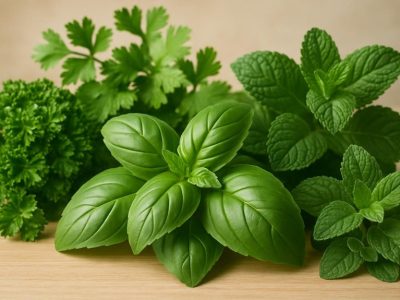
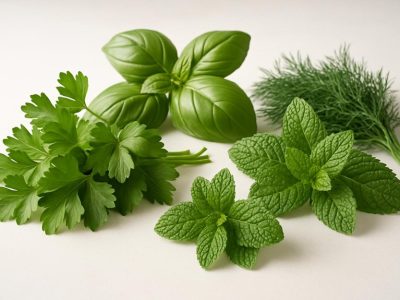
Parsley: A Versatile Replacement
Parsley provides a mild and fresh taste similar to cilantro’s herbal profile. Its flat-leaf variety works best in recipes like tabbouleh or chimichurri. It lacks cilantro’s citrusy notes but blends well with lemon juice to mimic that brightness. Use parsley in equal amounts as you would cilantro for garnishes or mixes.
Basil: A Sweet and Fragrant Alternative
Basil brings sweetness with hints of licorice and clove, making it ideal for Italian or Southeast Asian dishes like pesto or Thai curries. While it doesn’t replicate cilantro’s earthiness, pairing basil with lime zest bridges the gap effectively. Opt for fresh basil leaves rather than dried ones when substituting.
Mint: Adding A Refreshing Twist
Mint introduces a cooling sensation that complements spicy dishes such as chutneys and salads. Though stronger than cilantro, mint adds vibrancy without overpowering other ingredients if used sparingly—about half the amount called for in recipes using cilantro.
Dill: For A Distinctive Flavor
Dill offers grassy notes with anise-like undertones suitable for sauces, pickles, and seafood-based meals. It’s more pungent than cilantro; hence smaller quantities suffice when replacing it in recipes like tzatziki or dressings.
Arugula: A Peppery Substitute
Arugula contributes a bold peppery bite resembling mustard greens rather than herbs but works well as a substitute in salads and sandwiches. Combine arugula with parsley to balance its sharpness while maintaining freshness often associated with cilantro-based toppings.
How To Choose The Right Substitute
Selecting the right cilantro substitute depends on the dish’s flavor profile and your personal preferences. Consider the context of your recipe to ensure a harmonious blend of flavors.
Considering The Dish’s Flavor Profile
Matching the flavor profile of cilantro with an alternative herb requires attention to its unique characteristics. Cilantro has a bright, citrusy, and slightly peppery taste that complements various cuisines like Mexican, Indian, and Thai. When replacing it, you should think about whether the dish relies on these specific notes.
For example, parsley works well in fresh salsas or tabbouleh due to its mild herbal quality. Basil suits creamy curries or tomato-based recipes by adding a sweet yet aromatic depth. Mint enhances dishes like chutneys or spicy salads with its refreshing coolness. If you’re preparing seafood sauces or pickles, dill can provide an earthy tang without overpowering other ingredients.
By aligning substitutes with the primary flavors in your dish—spicy for mint, savory for parsley—you’ll maintain balance while introducing complementary nuances.
Adjusting Quantities For Optimal Taste
The potency of different herbs varies significantly compared to cilantro’s intensity. Using equal amounts might overwhelm subtle dishes or leave others under-seasoned if substitutions aren’t tailored correctly.
For instance, replace one tablespoon of chopped cilantro with two-thirds of parsley since it’s less robust; this prevents overloading lighter recipes like guacamole or soups. Conversely, use half as much dill when swapping into stronger-flavored meals due to its more pronounced taste.
Always taste-test during cooking to fine-tune proportions based on your chosen herb and adapt as needed for texture-sensitive items like garnishes or marinades where visual appeal matters alongside flavor.
Tips For Cooking Without Cilantro
Cooking without cilantro can enhance your creativity in the kitchen. By focusing on complementary flavors and alternative herbs, you can achieve a balanced and delicious dish.
Balancing Flavors In Your Recipe
Enhance harmony in your recipe by identifying cilantro’s role in the dish. Its bright, citrusy notes often add freshness to salsas or complexity to marinades. Replace these elements with substitutes that mimic or contrast its profile. Parsley brings mild herbaceousness (e.g., tabbouleh), while lime juice adds tanginess for Mexican dishes like guacamole.
Consider spices like cumin or coriander seeds if you’re seeking earthy undertones. Both pair well with Middle Eastern and Indian cuisines where cilantro is commonly used as garnish or seasoning. Adjust sweetness, acidity, or heat levels depending on the substitute chosen to maintain balance—especially when working with bold-flavored alternatives such as arugula.
Experimenting With Fresh And Dried Herbs
Experimentation allows you too explore flavor combinations beyond traditional choices. Fresh herbs like mint (ideal for Thai salads) and dill (perfect for seafood sauces) work differently from dried ones due to their potency. Use smaller quantities of dried parsley or basil when aiming for subtle background notes; increase gradually after tasting.
Blending multiple herbs creates depth in recipes like chimichurri sauce—parsley mixed with oregano delivers robust flavors that complement grilled meats effectively without cilantro’s signature taste dominating the profile.
Conclusion
Finding the perfect substitute for cilantro might seem challenging at first, but with a little creativity and an understanding of flavors, you can easily adapt your recipes. Whether you’re experimenting with parsley, basil, mint, or other alternatives, there’s always a way to maintain the balance and vibrancy in your dishes.
Don’t hesitate to tailor substitutions to suit your taste preferences and the dish’s specific needs. Cooking without cilantro opens up opportunities to explore new flavor combinations and elevate your culinary skills. Embrace the process and enjoy discovering what works best for you!
To provide the best experiences, we use technologies like cookies to store and/or access device information. Consenting to these technologies will allow us to process data such as browsing behaviour or unique IDs on this site. Not consenting or withdrawing consent, may adversely affect certain features and functions.
Functional
Always active
The technical storage or access is strictly necessary for the legitimate purpose of enabling the use of a specific service explicitly requested by the subscriber or user, or for the sole purpose of carrying out the transmission of a communication over an electronic communications network.
Preferences
The technical storage or access is necessary for the legitimate purpose of storing preferences that are not requested by the subscriber or user.
Statistics
The technical storage or access that is used exclusively for statistical purposes.The technical storage or access that is used exclusively for anonymous statistical purposes. Without a subpoena, voluntary compliance on the part of your Internet Service Provider, or additional records from a third party, information stored or retrieved for this purpose alone cannot usually be used to identify you.
Marketing
The technical storage or access is required to create user profiles to send advertising, or to track the user on a website or across several websites for similar marketing purposes.