Picture your device running at lightning speed, effortlessly handling complex tasks without breaking a sweat. That’s the magic of accelerators—specialized tools designed to boost performance. But choosing between software and hardware accelerators, the decision isn’t as straightforward as it seems. Each offers unique strengths that can redefine how efficiently you work or play.
Do you prioritize flexibility and cost-effectiveness, or is raw power and specialized efficiency more your style? Understanding the difference between these two game-changers is crucial for making the right choice. Whether you’re optimizing workflows, gaming, or diving into AI-powered applications, knowing how software and hardware accelerators stack up could transform your tech experience.
Understanding Accelerators
Accelerators are tools designed to enhance computing efficiency by offloading specific tasks from the main processor. These can be software-based or hardware-based, each serving distinct purposes depending on your needs.
What Are Software Accelerators?
Software accelerators improve performance through specialized algorithms and programming techniques. They optimize processes like data compression, video encoding, or AI model inference without requiring additional physical components.
For instance, a browser using GPU acceleration speeds up rendering web pages by leveraging existing system resources. Open-source libraries such as TensorFlow Lite also act as software accelerators in machine learning applications. Since they rely on programmable code, these accelerators offer flexibility and cost-effectiveness but may depend heavily on your device’s hardware capabilities.
What Are Hardware Accelerators?
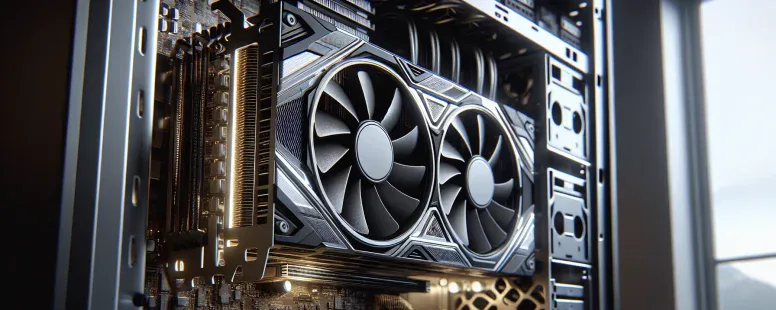
Hardware accelerators consist of dedicated physical components built for specific computational tasks. Examples include GPUs for graphics processing, TPUs (Tensor Processing Units) for deep learning models, and ASICs (Application-Specific Integrated Circuits) tailored to particular workloads like cryptocurrency mining.
These devices deliver unparalleled speed and efficiency for high-demand operations but often come with higher costs and limited adaptability to different use cases. For example, an FPGA (Field-Programmable Gate Array) allows some level of reconfiguration yet remains less versatile compared to pure software solutions while significantly outperforming general-purpose processors in niche applications.
Key Differences Between Software And Hardware Accelerators
Understanding the distinctions between software and hardware accelerators helps you make informed decisions for optimizing performance in various applications, from AI to gaming.
Performance Comparison
Hardware accelerators deliver higher raw computational power since they’re designed with specialized physical components like GPUs or TPUs. For example, a GPU can process parallel tasks at incredible speeds, making it ideal for rendering graphics or deep learning models. In contrast, software accelerators rely on optimized algorithms to enhance performance without requiring additional hardware. While they effectively boost tasks like data encryption or compression, their speed depends on the underlying hardware’s capabilities.
When latency-sensitive operations are crucial, such as real-time video processing or high-frequency trading, hardware accelerators outperform their software counterparts because of reduced dependency on general-purpose processors.
Cost Implications
The cost associated with each type of accelerator varies significantly. Hardware accelerators often involve upfront expenses due to the need for dedicated devices like FPGAs or ASICs. These costs can exceed thousands of dollars depending on complexity and scale. On the other hand, software accelerators offer a more budget-friendly option since they use existing system resources without adding any new physical infrastructure.
But, ongoing maintenance and updates may offset initial savings in some cases when using complex software-based solutions over extended periods.
Accelerator Type
Upfront Costs (Approx.)
Maintenance Requirements
Hardware
$500–$10,000+
Low
Software
Minimal (if any additional)
Moderate
Flexibility And Scalability
Software accelerators provide greater flexibility by allowing updates and modifications through programming changes rather than altering physical components. For instance, you could optimize an AI model’s inference capability by tweaking its algorithm instead of purchasing new hardware.
In comparison, while hardware accelerators excel in consistent performance delivery for specific tasks like cryptography or multimedia encoding/decoding—they lack adaptability. Scaling these systems also becomes challenging unless significant investments are made in acquiring additional units tailored to workload requirements.
If your projects demand frequent updates or support diverse workloads simultaneously—software-based approaches align better with those objectives even though sometimes sacrificing peak efficiency levels achievable via dedicated hardware solutions.
Use Cases For Software Accelerators
Software accelerators optimize computational tasks through programming techniques and algorithms, enhancing performance without additional hardware. They excel in diverse scenarios requiring flexibility.
Common Applications
Artificial Intelligence (AI) Model Training And Inference: Software accelerators streamline AI model processes like natural language processing and image recognition. TensorFlow Lite is an example, optimizing AI workloads on edge devices.
Data Compression And Encryption: Accelerated software solutions manage large-scale data operations such as compressing or encrypting files for secure storage or transmission, improving efficiency in cloud computing environments.
Gaming Performance Optimization: By reducing latency and enhancing frame rates, software-based game engines like Unreal Engine provide smoother experiences without relying on high-end hardware.
Video Processing Tasks: Platforms like FFmpeg use software acceleration to encode, decode, and transcode videos faster by leveraging CPU capabilities effectively.
Benefits And Limitations
Benefits include cost-effectiveness since no physical components are required. You can update or adapt them easily with evolving needs—ideal for dynamic environments needing constant iterations. Flexibility allows integration across multiple platforms without specific hardware dependencies.
Limitations arise when handling heavy computational loads that demand raw power. Software accelerators depend heavily on the host system’s resources; if it’s underpowered, performance gains may be limited compared to hardware options designed for similar workloads.
Use Cases For Hardware Accelerators
Hardware accelerators excel in tasks that demand high computational power, low latency, and efficient processing. These dedicated components significantly enhance performance for specific workloads.
Common Applications
Machine Learning and AI
Hardware accelerators like GPUs and TPUs handle deep learning model training and inference with exceptional speed. For example, GPUs process large neural networks used in image recognition or natural language processing by parallelizing operations. This makes them indispensable for AI research or applications such as autonomous vehicles.
Video Encoding and Decoding
Dedicated video encoding hardware optimizes real-time video streaming and compression tasks. Components like NVIDIA NVENC accelerate transcoding processes, reducing CPU load during live broadcasts on platforms like YouTube or Twitch.
Cryptocurrency Mining
ASICs (Application-Specific Integrated Circuits) are widely used in mining cryptocurrencies such as Bitcoin due to their efficiency in solving the cryptographic puzzles required for blockchain validation.
Scientific Simulations
Supercomputers equipped with custom accelerators simulate complex phenomena like climate models or molecular dynamics at higher speeds than general-purpose processors could achieve alone.
Networking Tasks
Network interface cards (NICs) with built-in accelerators optimize data transfer rates, enabling faster packet processing crucial for data centers or 5G infrastructures.
Benefits And Limitations
Benefits: Hardware accelerators deliver unmatched raw performance tailored to specific use cases, leading to reduced latency and increased throughput. They’re ideal when precision and speed are paramount, such as real-time analytics in financial trading systems.
Limitations: While offering specialized efficiency, these accelerators lack flexibility since they can’t be repurposed easily for other tasks after deployment. High initial costs also pose a barrier compared to software-based alternatives.
Choosing The Right Accelerator For Your Needs
Selecting between a software or hardware accelerator depends on your specific requirements, budget constraints, and performance goals. Each option offers unique benefits tailored to different applications.
Factors To Consider
Performance Requirements
Evaluate the computational intensity of your tasks. Hardware accelerators like GPUs and ASICs are optimal for high-performance needs such as deep learning or real-time video encoding. Conversely, software accelerators excel in less resource-intensive operations, including data compression or algorithm optimization.
Budget Constraints
Assess financial factors before deciding. Hardware solutions often require significant upfront investment due to specialized components, while software accelerators offer cost-effective alternatives through existing system resources with minimal physical upgrades.
Flexibility and Scalability
Consider whether adaptability is crucial for your use case. Software accelerators provide flexibility via updates and reprogramming but may lack the raw power of hardware devices. In contrast, hardware accelerators deliver consistent performance yet struggle with repurposing for new tasks.
Integration Complexity
Analyze the ease of implementation within your current infrastructure. Software options integrate seamlessly into existing systems through programming changes; but, deploying hardware solutions might necessitate additional setup time and configurations.
Future Trends In Acceleration Technology
Advancements in AI-driven acceleration dominate emerging trends. Hybrid models combining software algorithms with specialized hardware—like NVIDIA’s CUDA framework—blend flexibility and power efficiently. Developers increasingly leverage these integrations to balance workload distribution across CPUs, GPUs, and TPUs.
Quantum computing represents another frontier where acceleration technologies evolve rapidly. As quantum processors become more accessible, their integration with traditional systems could redefine computational paradigms for scientific research or cryptographic tasks.
Sustainability also shapes future designs by prioritizing energy-efficient architectures such as low-power FPGAs (Field-Programmable Gate Arrays). These innovations reduce operational costs while addressing environmental concerns in data-heavy industries like cloud computing or machine learning deployment environments.
Conclusion
Choosing between software and hardware accelerators depends on your specific needs and priorities. If flexibility, scalability, and cost-effectiveness are key factors for you, software accelerators offer a versatile solution. On the other hand, if raw computational power and efficiency are critical for your tasks, hardware accelerators deliver unmatched performance tailored to demanding workloads.
By carefully assessing your requirements—whether it’s for gaming optimization, AI applications, or high-performance computing—you can make an well-informed choice that enhances productivity and efficiency. Staying updated with emerging trends like hybrid acceleration models ensures you’re prepared to leverage the best of both worlds in the future.
To provide the best experiences, we use technologies like cookies to store and/or access device information. Consenting to these technologies will allow us to process data such as browsing behaviour or unique IDs on this site. Not consenting or withdrawing consent, may adversely affect certain features and functions.
Functional
Always active
The technical storage or access is strictly necessary for the legitimate purpose of enabling the use of a specific service explicitly requested by the subscriber or user, or for the sole purpose of carrying out the transmission of a communication over an electronic communications network.
Preferences
The technical storage or access is necessary for the legitimate purpose of storing preferences that are not requested by the subscriber or user.
Statistics
The technical storage or access that is used exclusively for statistical purposes.The technical storage or access that is used exclusively for anonymous statistical purposes. Without a subpoena, voluntary compliance on the part of your Internet Service Provider, or additional records from a third party, information stored or retrieved for this purpose alone cannot usually be used to identify you.
Marketing
The technical storage or access is required to create user profiles to send advertising, or to track the user on a website or across several websites for similar marketing purposes.