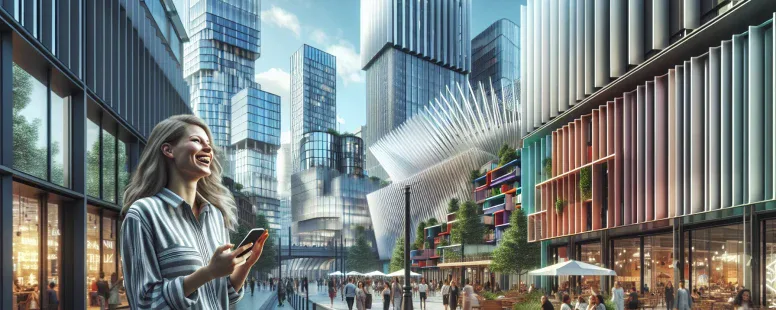
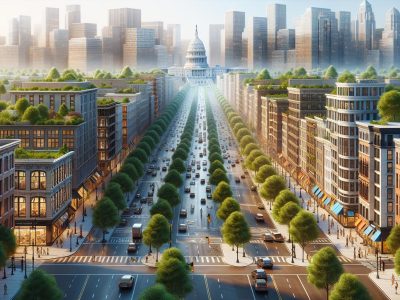
Picture wandering through cobblestone streets lined with centuries-old buildings, their weathered facades whispering stories of the past. Now, picture sleek skyscrapers piercing the clouds, bustling avenues alive with innovation and modernity. Old cities and new cities offer two distinct worlds—each brimming with unique charm, history, and opportunities.
Do you find yourself drawn to the timeless allure of historic landmarks and vibrant traditions? Or does the energy of cutting-edge architecture and rapid progress ignite your curiosity? The contrast between old cities and new ones isn’t just about aesthetics; it’s a reflection of how we connect to culture, community, and change. Both have something extraordinary to offer—whether it’s nostalgia or novelty.
As you explore this fascinating comparison, you’ll uncover surprising insights into what makes each type of city so captivating. So which resonates more with you: the echoes of history or the pulse of tomorrow?
Overview Of Old City Vs New City
Old cities and new cities encapsulate distinct worlds, each with its own rhythm and identity. In old cities like Rome or Kyoto, you navigate narrow cobblestone streets framed by centuries-old buildings that whisper stories of their past. These areas often reflect cultural depth through preserved architecture, artisanal markets, and traditional practices. Conversely, new cities such as Dubai or Shenzhen boast sleek skyscrapers, cutting-edge infrastructure, and a constant push toward innovation.
Historical landmarks dominate the landscapes in older urban centers. Structures like the Colosseum in Rome or Istanbul’s Hagia Sophia provide tangible connections to bygone eras. In contrast, modern metropolises prioritize functionality and growth; features like efficient public transit systems or smart city technologies define their appeal.
Community interactions differ significantly between these environments. Old neighborhoods may foster tighter-knit communities influenced by shared traditions or long-standing relationships. On the other hand, newer developments tend to attract a diverse population seeking economic opportunities, creating dynamic but transient social ecosystems.
Economically speaking, old cities often rely on tourism driven by heritage sites (e.g., Paris’s Notre Dame). Meanwhile, new cities focus on industries such as technology or international finance (e.g., Singapore). Both present unique challenges: preserving historical character in aging infrastructure versus maintaining sustainability amid rapid expansion.
Your preference might hinge on lifestyle priorities—whether you’re drawn to timeless charm intertwined with rich history or prefer fast-paced environments fueled by innovation and progress.
Characteristics Of Old Cities
Old cities carry a sense of timelessness, blending historical depth with enduring cultural traditions. Their distinct features reflect centuries of evolution and human activity.
Historical Significance
Old cities often serve as living archives, preserving the legacy of past civilizations. They house landmarks tied to pivotal events or eras, like the Colosseum in Rome or the Great Wall in China. These sites aren’t just tourist attractions; they represent shared histories that connect modern-day societies to their roots.
The layers of history are visible in every corner, from ancient ruins to timeworn marketplaces. You might find inscriptions, artifacts, or architectural remnants that narrate stories spanning hundreds—or even thousands—of years.
Architectural Style
Architecture in old cities reflects diverse periods and influences. Structures range from Gothic cathedrals and Ottoman mosques to colonial townhouses. These buildings often showcase intricate craftsmanship and materials sourced locally at the time they were constructed.
Narrow streets and compact layouts dominate many old urban areas due to their development before cars existed. For example, you’ll notice tightly packed neighborhoods with cobblestone paths in places like Prague or Kyoto.
Restoration efforts keep these designs intact while adapting spaces for contemporary use, blending preservation with functionality.
Cultural Identity
Cultural practices are deeply ingrained within old cities’ fabric. Festivals rooted in tradition, local cuisines passed down generations, and artisan crafts define their unique character. Cities such as Fez (Morocco) maintain vibrant souks where age-old trading customs still thrive today.
Languages spoken may include dialects no longer widespread outside those regions but remain vital there as markers of identity. This rich tapestry fosters strong communal ties among residents who take pride in maintaining heritage continuity across generations.
Would exploring an old city make you feel connected to a larger historical narrative?
Features Of New Cities
New cities embody innovation and adaptability, offering experiences shaped by modernity. These urban centers prioritize efficiency, technology, and scalability.
Modern Infrastructure
New cities feature state-of-the-art infrastructure that supports their dynamic growth. Skyscrapers like the Burj Khalifa in Dubai or the Ping An Finance Center in Shenzhen dominate skylines with innovative engineering and sustainable designs. Transportation systems often include high-speed railways, extensive metro networks, and smart roads equipped with sensors for real-time traffic monitoring. Airports such as Singapore’s Changi exemplify seamless connectivity through advanced logistics.
Public utilities integrate eco-friendly solutions like solar grids and water recycling systems to minimize environmental impact. Green buildings that meet LEED standards are common in new cities due to policies promoting energy efficiency.
Urban Planning
Carefully planned layouts define new cities, contrasting with the organic evolution of older ones. Zoning strategies separate commercial hubs from residential neighborhoods while prioritizing accessibility through well-connected transit routes. Grid-pattern streets reduce congestion by optimizing vehicular flow.
Mixed-use developments combine living spaces with recreational areas like parks or shopping complexes, fostering convenience within compact districts. Examples include Masdar City in Abu Dhabi or Songdo in South Korea—planned as sustainable “smart cities” from inception.
Urban planners emphasize walkability through pedestrian-friendly pathways and cycling lanes while reserving green belts to enhance air quality.
Technological Integration
Technology is deeply embedded into the fabric of new cities. Smart city initiatives use IoT (Internet of Things) devices for services ranging from waste management to public safety monitoring via AI-driven surveillance cameras. Wi-Fi-enabled hubs provide digital access across civic spaces.
Autonomous vehicles are tested on dedicated roadways, reflecting future mobility trends prioritized by governments like those in Singapore or San Francisco’s downtown district redevelopment projects targeting autonomous ecosystems.
Comparing Lifestyles: Old City Vs New City
Contrasting lifestyles emerge vividly between old cities and new cities. While the former preserves cultural roots, the latter thrives on modernity.
Community And Social Interaction
Old cities often foster close-knit communities. Narrow streets, local markets, and centuries-old neighborhoods create organic opportunities for interaction. For example, in Fez, Morocco’s medina, residents engage daily through shared courtyards and traditional shops. Long-standing relationships often define these areas, with generations of families living side by side.
In new cities like Singapore or Dubai, diversity drives interactions. Expats from various cultures coexist in high-rises and planned developments. Social connections lean toward professional networks or transient friendships due to career-focused migration patterns. Public spaces like coworking hubs or urban parks become key meeting points.
Pace Of Life
The pace varies drastically between old and new cities. Old city life tends to be slower and more reflective. Daily routines align with time-honored traditions; for instance, siestas remain common in parts of Seville’s historic districts.
New cities pulse with energy—efficiency is paramount. In Tokyo’s Shinjuku district or Silicon Valley neighborhoods, rapid commutes and tech-driven schedules dominate daily rhythms. Innovation demands a fast-paced environment where multitasking prevails over leisurely moments.
Cost Of Living
Living costs depend heavily on infrastructure age and economic focus. In old cities like Athens or Jaipur, housing within heritage zones may be cheaper but comes with maintenance challenges tied to aging structures.
Conversely, new urban centers prioritize premium amenities that elevate living expenses. Cities such as Hong Kong feature luxury apartments equipped with smart technologies yet command some of the world’s highest rental rates—$4,210 monthly average (Statista 2023). The affordability gap reflects lifestyle priorities unique to each setting.
Environmental Factors And Sustainability
Environmental considerations in urban development shape the livability and sustainability of both old and new cities. Each type faces distinct challenges and opportunities, driven by their historical context and modern advancements.
Green Spaces In Old And New Cities
Old cities often integrate green spaces within historic layouts, though these areas can be limited due to compact designs. Examples like Paris’ Luxembourg Gardens or Kyoto’s Maruyama Park showcase how older urban centers balance nature with dense architecture. These parks serve as vital community hubs, offering residents a respite from urban intensity.
New cities prioritize green infrastructure during planning phases, embedding expansive parks and eco-corridors into the urban fabric. Singapore’s Gardens by the Bay exemplifies this approach, combining cutting-edge technology with biodiversity conservation. Vertical gardens, rooftop greenery, and integrated park systems contribute to improved air quality while enhancing visual appeal.
While old city parks reflect cultural heritage through traditional landscaping styles, new city green initiatives emphasize functionality and innovation. Both approaches underline the importance of preserving ecological balance amid growing populations.
Eco-Friendly Initiatives
Old cities face hurdles in adopting sustainable technologies due to aging infrastructure but have begun retrofitting efforts to reduce environmental impact. Programs such as Barcelona’s waste management system or Venice’s tide barriers address unique challenges while promoting resilience against climate change effects.
In contrast, new cities embed eco-friendly measures from inception. Dubai has invested heavily in solar energy projects like the Mohammed bin Rashid Al Maktoum Solar Park—one of the largest globally—while Shenzhen leads electric vehicle adoption with over 16,000 e-buses operating across its network. Smart grids, renewable energy integration, and water recycling systems form critical components of these modern ecosystems.
Choosing Between Old City And New City
Deciding between an old city and a new city depends on various factors, including lifestyle aspirations, economic priorities, and cultural preferences. Each offers distinct experiences shaped by its development stage and societal fabric.
Factors To Consider
Cultural Depth vs. Modern Innovation:
Old cities reflect centuries of history through preserved architecture like Florence’s Duomo or Istanbul’s Hagia Sophia. These landmarks embody stories of civilizations that shaped global heritage. New cities focus on futuristic landscapes; for example, Dubai’s Burj Khalifa represents technological ambition and modern luxury.
Infrastructure Limitations vs. Efficiency:
Old cities often face challenges due to aging infrastructure. Narrow streets in Venice or Prague can limit accessibility but add charm to daily life. Conversely, new cities prioritize efficiency with wide roads, advanced metros, and smart city technologies like Singapore’s integrated urban mobility systems.
Economic Opportunities:
Tourism drives much of the economy in old cities such as Athens or Granada, relying heavily on historical attractions. In contrast, new urban hubs like Shenzhen thrive on industries such as technology innovation and finance sectors.
Community Dynamics:
Tighter-knit relationships define older neighborhoods where markets and plazas encourage social interaction—think Marrakech’s souks or Seville’s squares. Newer developments attract diverse populations creating multicultural environments but may lack traditional communal bonds.
Personal Preferences
Your choice hinges largely on your values and lifestyle goals:
Pace Of Life:
If you enjoy slow mornings sipping coffee at a centuries-old café overlooking cobblestone streets (e.g., Vienna), you’ll likely resonate with old-city living. For those drawn to fast-paced environments filled with career opportunities and nightlife (e.g., Hong Kong), new cities align better.
Aesthetic Appeal:
Lovers of intricate craftsmanship might find joy in ancient temples or Gothic cathedrals seen across European capitals like Paris or Kraków. Tech enthusiasts may prefer sleek skyscrapers illuminated by LED displays in Tokyo’s Shibuya district.
Conclusion
Choosing between the charm of an old city and the innovation of a new city eventually depends on what you value most. Whether you’re drawn to history’s enduring legacy or the promise of cutting-edge progress, both offer unique experiences that can shape your lifestyle and perspective.
Old cities invite you to immerse yourself in tradition and cultural depth, while new cities inspire with their forward-thinking designs and opportunities for growth. The decision isn’t just about where you want to live—it’s about how you want to feel connected to the world around you.
To provide the best experiences, we use technologies like cookies to store and/or access device information. Consenting to these technologies will allow us to process data such as browsing behaviour or unique IDs on this site. Not consenting or withdrawing consent, may adversely affect certain features and functions.
Functional
Always active
The technical storage or access is strictly necessary for the legitimate purpose of enabling the use of a specific service explicitly requested by the subscriber or user, or for the sole purpose of carrying out the transmission of a communication over an electronic communications network.
Preferences
The technical storage or access is necessary for the legitimate purpose of storing preferences that are not requested by the subscriber or user.
Statistics
The technical storage or access that is used exclusively for statistical purposes.The technical storage or access that is used exclusively for anonymous statistical purposes. Without a subpoena, voluntary compliance on the part of your Internet Service Provider, or additional records from a third party, information stored or retrieved for this purpose alone cannot usually be used to identify you.
Marketing
The technical storage or access is required to create user profiles to send advertising, or to track the user on a website or across several websites for similar marketing purposes.