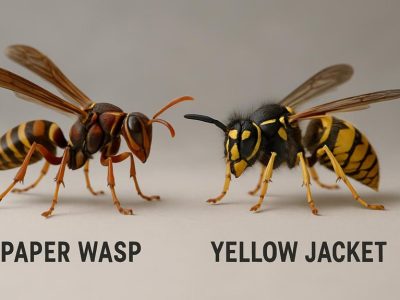
Picture this: a sunlit afternoon in your backyard, the gentle hum of nature enveloping you, when suddenly, a flash of yellow catches your eye. Is it a yellow jacket or a wasp? At first glance, these buzzing insects might seem indistinguishable, yet understanding their differences can transform your outdoor experiences and even protect you from unwanted stings.
Yellow jackets and wasps, while often used interchangeably, have distinct traits and behaviors that set them apart. Knowing which one you’re dealing with can be crucial, especially when their nests are nearby. These tiny creatures play significant roles in the ecosystem, from pollination to pest control, but they also bring unique challenges.
Delving into the world of yellow jackets and wasps can arm you with the knowledge to appreciate their benefits while staying safe. So, next time you hear that familiar buzz, you’ll be ready to identify your winged visitor with confidence.
Understanding Yellow Jackets
Yellow jackets, a type of wasp, are often mistaken for bees due to their vibrant yellow and black stripes. A deeper understanding of yellow jackets helps you identify their unique characteristics and roles in the ecosystem.
Physical Characteristics
Yellow jackets are approximately 0.5 inches long with smooth bodies and a defined waistline. They possess bright yellow and black coloring, unlike most bees with fuzzy bodies. Their wings fold along their body when at rest, distinguishing them from other wasp species. Each yellow jacket features large, compound eyes, contributing to their keen vision.
Habitats and Nests
Yellow jackets typically build their nests in sheltered locations. You might find them underground, in rodent burrows, or within wall voids in man-made structures. The nest, constructed from chewed cellulose mixed with saliva, is papery in texture. A single colony can house thousands of individuals by late summer, leading to increased activity.
Behavior and Diet
Yellow jackets exhibit aggressive behavior, particularly when their nests are disturbed. Unlike bees, who lose their stinger after one attack, yellow jackets can sting multiple times. Their diet consists primarily of sugary substances and protein sources. They’re attracted to sugary beverages, ripe fruits, and human food, particularly during late summer and fall when natural food sources decline.
Understanding Wasps
Understanding wasps involves recognizing their varied characteristics and behaviors. Wasps play crucial roles in nature and possess distinct features that differentiate them from other insects.
Identifying Features
Wasps feature smooth bodies and distinct waistlines, contrasting with bees’ hairy appearance. Their long, legs hang visibly in flight. Those wasps have vibrant colors, such as yellow, black, and metallic blue, depending on the species. Nests are built in exposed areas like tree branches and buildings.
Types and Classification
You can classify wasps into two main categories: social wasps, examples include yellow jackets and paper wasps, and solitary wasps, like mud daubers. Social wasps form colonies with a clear hierarchy, while solitary types live independently. The broad classification helps in understanding their diverse habitats and interactions with humans.
Behavioral Traits
Wasps display various behaviors that impact ecology and human interaction. They serve as pollinators even though the aggressive nature of some species, such as yellow jackets, which defend their nests vigorously. Most solitary wasps are non-aggressive and control pest populations by preying on insects like caterpillars and beetles. Understanding these traits helps navigate habitats safely.
Yellow Jacket Versus Wasp: Key Differences
Understanding the distinctions between yellow jackets and wasps helps you navigate encounters safely. Their differences lie in physical traits, nesting habits, and aggression levels.
Appearance and Size
Yellow jackets are about 0.5 inches long, featuring vibrant yellow and black bands. Their bodies are smooth with a narrow waist. Wasps, varying in size from 0.5 to 1.5 inches, exhibit diverse colors—often yellow and black, sometimes metallic. Both insects have defined waistlines, but wasps, like hornets, may appear more robust.
Nesting Habits
Yellow jackets prefer underground or wall voids for their nests. These concealed spaces protect colonies which can house thousands. Wasps build in more open areas, such as tree branches or eaves. Paper wasps, for instance, create umbrella-like nests in high, visible places. Knowing their preferred locations helps in avoiding nests.
Aggression and Stings
Yellow jackets are highly aggressive, particularly when nests are threatened. They sting repeatedly, causing discomfort and potential allergic reactions. Wasps vary in aggression; social species like paper wasps defend vigorously while solitary wasps are more passive. Recognizing behavior patterns aids in assessing risk when near these insects.
Dealing with Yellow Jackets and Wasps
Encountering yellow jackets and wasps can be unsettling, especially if they’re near your home or outdoor spaces. Understanding how to safely manage these insects ensures peace of mind during outdoor activities.
Prevention Tips
Effectively deter yellow jackets and wasps by removing potential food sources. Cover garbage bins tightly, and avoid leaving sugary drinks or food remnants outside. Seal any entry points in walls or eaves to prevent nesting inside buildings. If you discover a small nest, address it early to avoid larger infestations. Carry out natural deterrents such as peppermint oil or create a barrier with essential oils around picnic areas. Wear light-colored clothing and avoid floral patterns that attract these insects.
Safe Removal Methods
Consider safe removal methods when facing established nests. Contact a professional pest control service for large or hard-to-reach nests. If a nest is accessible and smaller, spray wasp and hornet aerosol at dusk or dawn when activity is low. Wear protective clothing to minimize sting risks, and follow spray instructions carefully to ensure effectiveness. Maintain a safe distance after treatment, and monitor the area for remaining activity. Remember, safety should always be your priority when dealing with yellow jackets and wasps.
Conclusion
Understanding the differences between yellow jackets and wasps can significantly enhance your outdoor experiences and safety. By recognizing their distinct characteristics and behaviors, you can better assess risks and take preventive measures to avoid encounters. Both insects play crucial ecological roles, so it’s important to manage interactions thoughtfully. Implementing practical strategies, such as securing food sources and addressing nests early, can help you coexist with these insects more harmoniously. When necessary, don’t hesitate to seek professional assistance for safe nest removal. Equipped with this knowledge, you can appreciate these creatures while exploring their habitats confidently and safely.
To provide the best experiences, we use technologies like cookies to store and/or access device information. Consenting to these technologies will allow us to process data such as browsing behaviour or unique IDs on this site. Not consenting or withdrawing consent, may adversely affect certain features and functions.
Functional
Always active
The technical storage or access is strictly necessary for the legitimate purpose of enabling the use of a specific service explicitly requested by the subscriber or user, or for the sole purpose of carrying out the transmission of a communication over an electronic communications network.
Preferences
The technical storage or access is necessary for the legitimate purpose of storing preferences that are not requested by the subscriber or user.
Statistics
The technical storage or access that is used exclusively for statistical purposes.The technical storage or access that is used exclusively for anonymous statistical purposes. Without a subpoena, voluntary compliance on the part of your Internet Service Provider, or additional records from a third party, information stored or retrieved for this purpose alone cannot usually be used to identify you.
Marketing
The technical storage or access is required to create user profiles to send advertising, or to track the user on a website or across several websites for similar marketing purposes.