Choosing between paint and wallpaper is more than just a matter of color—it’s a decision that shapes your home’s personality and ambiance.
Imagine walking into a room and feeling instantly enveloped in warmth or boldness, much like a hug from a familiar friend. Did you know that your choice can also influence your home’s value and even your mood?
Understanding these subtle differences can save you time, money, and endless frustration.
Whether you crave the effortless charm of paint or the rich texture of wallpaper, knowing what truly sets them apart is your secret weapon in creating a space that feels just right.
Paint Vs Wallpaper: How They Change Your Room’s Look
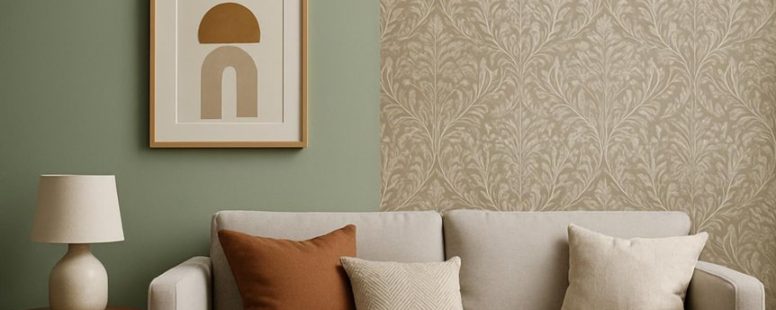
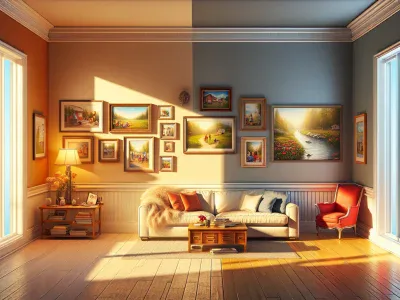
Paint and wallpaper are two popular options to change how a room looks. Knowing the difference can help you pick the best choice for your space.
Paint is flexible and easy to change. It lets you pick colors that make you feel a certain way. For example, blue can calm you down, red can energize you, and yellow can make a room feel warm. If you get tired of the color, it’s simple to repaint. Paint also comes in many finishes, like matte or gloss, giving you more options. But paint doesn’t add texture or pattern. So, if you want a wall that feels special or has a bold look, paint might be too plain.
Wallpaper creates a different effect. It adds texture and pattern that paint can’t match. Wallpaper can make a small room look cozy or add excitement to a big space. It’s great for making a statement, like with floral patterns or geometric designs. However, wallpaper can be tricky to put up and take down. If you decide to change it later, it might be more work and cost more. Plus, some wallpapers don’t hold up well in humid areas like kitchens or bathrooms.
Both paint and wallpaper change a room’s mood in different ways. Paint gives you more flexibility and is easier to update. Wallpaper creates a bold look with texture and pattern. If you want subtle changes or easy updates, go with paint. If you want a unique, textured wall, wallpaper could be the better choice. Think about your style, budget, and how often you want to change things. That way, you can pick the best option and make your room truly yours.
Paint Vs Wallpaper: Which Costs More?
Paint usually costs less upfront than wallpaper. A gallon of good-quality paint can cover a big area and last for several years. This makes it a cheaper choice for many homeowners. On the other hand, wallpaper, especially fancy or patterned kinds, can be more expensive. The cost isn’t just for the material but also for professional installation, because matching patterns and fixing tricky walls takes skill and time.
Quality also matters. Better paint tends to last longer and needs fewer touch-ups. Top-quality wallpaper gives a textured look and unique style that paint can’t match, but it often costs more. If you want a stylish, durable finish without spending too much, paint is usually the better option. But if you want a one-of-a-kind look and don’t mind paying more, wallpaper might be worth it.
Some people say wallpaper adds more personality to a room. Others worry about the cost and how hard it is to remove later. Keep in mind that wallpaper can peel or tear, especially in humid areas. Paint, however, is easier to touch up or change later. So, think about your budget, your style, and how much work you’re willing to do before making a choice.
Which Is Easier to Install and Maintain at Home?
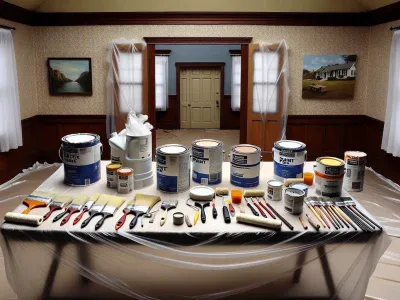
Painting walls is usually much easier to install and keep up than wallpaper. If you want a quick and simple update, paint is your best choice. You just need a brush or roller and can start painting right away. No special skills are needed, and it’s much faster to do. Wallpaper, however, requires careful measuring, lining up the patterns, and applying glue just right. It can be tricky, especially if you’re new to it.
When it comes to taking care of the walls later, paint is easier to maintain. You can clean it with a damp cloth and fix small spots with some touch-up paint. Wallpaper needs more gentle cleaning because tears or bubbles are common if you’re not careful. Fixing wallpaper damage isn’t as simple and can take more time.
If you want a quick and low-effort way to refresh your room, paint is better. It’s less messy and easier to do on your own. But if you’re willing to spend more time installing and want a unique look, wallpaper can be worth it. Just remember, it might take longer to put up and repair later. So, think about how much time and effort you’re ready for before choosing.
Paint Vs Wallpaper Durability: What Lasts Longer and Handles Wear?
Paint and wallpaper each have their own strengths and weaknesses when it comes to how long they last and how well they handle damage. Paint is often better at resisting everyday wear like scratches or smudges. If you want a quick refresh that keeps looking good for a few years, paint might be your best choice. But wallpaper, especially good quality types like vinyl or fabric, can last much longer—sometimes up to 15 years—if you take care of it. Still, wallpaper can be harder to fix if it gets damaged.
Some people say wallpaper is more durable because it covers more imperfections and adds texture. Others argue paint is easier to touch up and less likely to peel or bubble over time. For example, in a busy family home, paint might wear out faster because of kids and pets. Wallpaper could stay nice longer but might need professional help to remove or replace if it gets torn.
Longevity Comparison
Paint and wallpaper differ in how long they last and how well they stand up to wear. Paint’s durability depends on how it’s applied and the environment. If a room has high humidity or gets lots of sunlight, paint may not last as long. When applied correctly with good quality paint, it can last about five to ten years before needing a touch-up. Wallpaper usually lasts longer, often 10 to 15 years or more, especially when it’s put on properly and the room stays stable. Wallpaper doesn’t get affected as much by small changes in temperature or moisture, but it needs good preparation to avoid peeling or coming off.
If you want something that stays looking good with less work, wallpaper often lasts longer than paint. But keep in mind, how well each one is applied and the conditions in your room matter a lot. For example, a poorly applied wallpaper or painting over damaged walls can shorten their lifespan.
Resistance to Damage
Paint is usually more resistant to scratches and dents than wallpaper. This makes it better for busy areas like hallways or kids’ rooms where walls may get bumped or scratched. For example, a painted wall can handle a toy car hitting it without much damage, but wallpaper might tear or peel.
Wallpaper can be more vulnerable to tears and peeling, especially in humid spots like bathrooms or kitchens. If water gets behind wallpaper, it can cause it to peel or rip. Some wallpapers have special coatings that help protect against moisture, but they still aren’t as tough as paint.
Cleaning also shows the difference. Painted walls can be wiped with a damp cloth easily. Wallpaper, on the other hand, needs gentle cleaning to avoid tearing or peeling. If you scrub too hard on wallpaper, you might damage it or cause it to come loose.
Some people choose wallpaper with protective layers because it lasts longer. Still, it generally can’t handle the same amount of wear and tear as paint. If you want a wall that stays looking good for years with less fuss, paint might be the better choice.
Think about it like this: paint is like a sturdy suit of armor, while wallpaper is like a delicate fabric. Both can look nice, but one stands up better to everyday bumps and scrapes. Picking between them depends on what kind of damage you’re worried about and how much maintenance you want to do.
Design Flexibility: Patterns, Textures, and Colors Explained
Paint and wallpaper are both popular choices for decorating walls, but they offer different options for patterns, textures, and colors. Wallpaper is known for its detailed patterns and rich textures. For example, floral or geometric designs can add a lot of visual interest that paint alone can’t match. However, wallpaper can be more difficult to install and remove, especially if you want to change your look often.
Paint, on the other hand, is easier to customize. You can mix different colors to get exactly the shade you want. If you want a bold blue or a soft pastel, paint makes it simple. It’s also easier to touch up if you get a scuff or stain. But paint usually has flat or smooth finishes and doesn’t offer the textured patterns that wallpaper provides.
Some people prefer wallpaper for a more detailed, textured look that feels like art on your wall. Others like paint because it’s quick, flexible, and less messy. Think about your style, your budget, and how often you want to change your room. Both options have their strengths and limits, so pick what works best for your space and taste.
Variety of Patterns
Choosing between paint and wallpaper depends on what kind of pattern and design flexibility you want. Here’s a clear explanation of which option works best based on your needs.
Wallpaper is better if you want lots of patterns. It offers intricate, repeating designs that paint can’t easily match. For example, if you love floral or geometric patterns, wallpaper like brands such as Graham & Brown or Sherwin-Williams has many options. Wallpaper also makes statement walls quickly because you can buy ready-made designs that fit current trends. But be careful — wallpaper can be tricky to install and remove, especially if you change your mind later.
Paint is a good choice if you want simple, customizable walls. You can pick any color you like, and experiment with creating your own patterns using stencils, tape, or sponge painting. It’s easier to change your mind and repaint when you want a new look. For example, if you want a subtle color or plan to swap decor often, paint gives you more flexibility. Keep in mind, creating detailed patterns with paint takes time and skill.
Some people prefer wallpaper for its pattern variety and quick transformation. Others like paint because it’s easier to update and customize. Your decision depends on how much pattern design you want and how often you’re willing to change it.
Texture Options Available
Texture is a key factor when decorating your walls. It adds personality and depth that plain paint or wallpaper alone might not give.
If you want a subtle textured look, paint is your best choice. Techniques like sponging, ragging, or stippling let you create interesting textures without a busy pattern. These methods are easy to touch up and clean, making them good for busy households. For example, a sponge dabbed on a blue wall can make it look like soft waves. But remember, creating a smooth, even texture takes some skill.
Wallpaper can add more noticeable textures. Some wallpapers have raised patterns or fabric-like finishes that make walls stand out. Brands like Graham & Brown or York Wallcoverings offer these options. They can instantly make a room feel richer or more elegant. However, textured wallpaper may need gentle cleaning and careful handling to avoid tears or damage. If you have kids or pets, this might be a drawback.
In the end, think about your style and how much effort you’re willing to put into upkeep. Painted textures are often easier to fix and clean, but wallpaper textures can give a more dramatic look. Both have their pros and cons, so choose the one that fits your home best. Would you prefer a soft, subtle feel or a bold, textured statement? Knowing this helps you pick the right option.
Color Selection Range
Color selection is a big part of decorating your space. When choosing between paint and wallpaper, understanding the range of colors available helps you make the best choice. Here is what you should know:
Paint gives you a nearly unlimited palette. You can pick shades that match your mood or style, from soft pastels to bold hues. For example, a calming blue can make a room feel peaceful, while a bright yellow can energize the space. But keep in mind, some colors may look different once painted on large walls or in different lighting.
Wallpaper combines color with patterns and textures. It offers a way to add personality and visual interest to a room. For instance, floral wallpaper can give a vintage feel, while geometric designs feel modern. However, wallpaper can be harder to change later and may not be suitable for every surface.
Both paint and wallpaper let you use color psychology. You might choose soothing blue to relax or lively red to energize. Trends also play a role, with some colors becoming popular each year. Whether you pick paint or wallpaper, choose colors that match your style and how you want your space to feel.
Some people prefer paint because it is easier to update and less expensive. Others like wallpaper for its pattern and texture options. Every choice has its limits, so think about what matters most — easy updates, visual impact, or personal expression.
Best Rooms for Paint and Wallpaper: What Works Where
Paint and wallpaper work best in different rooms, and choosing the right finish makes a big difference. Here’s what you need to know for each space.
Living Room: Wallpaper is the best choice here. It adds texture and makes the room look dramatic. It’s great for creating a feature wall or adding patterns. Paint can also work if you want to change the mood easily. For example, a soft blue in the daytime and a darker shade at night can give different feelings. Use a satin or eggshell finish for a smooth look. Keep in mind, wallpaper can be tricky to install and remove, so consider hiring a pro if you’re new to it.
Kitchen: Paint is usually better because it’s more durable and easier to clean. Look for a semi-gloss or high-gloss finish to resist moisture and stains. Some wallpapers are made to handle kitchens too, but they tend to be more expensive and harder to replace if they get damaged. Be careful when choosing wallpaper here, as not all are moisture-resistant. If you decide on wallpaper, pick ones labeled for kitchens and make sure they are properly sealed.
Hallways: Wallpaper is often the top pick because narrow spaces benefit from bold patterns that draw the eye. It adds personality and makes a small area look interesting. However, if you prefer a simpler look, paint with a matte or satin finish works fine. Just remember, hallways get a lot of use, so choose durable wallpaper or washable paint.
Bathrooms: Paint with a moisture-resistant finish is the best option. Look for bathroom-specific paints with mold inhibitors. Some special wallpapers can work if they are designed for high humidity. These are often coated with a protective layer. But be aware, wallpaper in bathrooms can peel if not installed correctly or if humidity is very high. So, weigh the pros and cons before deciding.
Nurseries: Both paint and wallpaper are good choices here. Soft, calming paint colors can help babies relax. Wallpaper with playful designs can make the room fun and stimulating. If you want to change the theme often, paint is easier to repaint. But if you want a lively, colorful space that sparks imagination, wallpaper might be more appealing. Just make sure to pick non-toxic options for both.
In the end, picking the right finish depends on how much wear and tear a room gets, how easy you want the job, and the style you prefer. For example, a busy kitchen needs durable paint, while a cozy living room can handle wallpaper for a bold look. Understanding these differences can save you time and money in the long run.
Choosing Paint or Wallpaper Based on Your Lifestyle
Is paint or wallpaper better for your lifestyle? Here are some clear points to help you decide.
Paint works best if you want quick and simple updates. It dries fast, so you can change your room color easily without much hassle. For example, if you like to switch colors often or want to refresh a room before guests arrive, paint is your go-to choice.
Wallpaper is great if you love bold patterns and unique designs. It can add character to a space, like a feature wall with floral or geometric prints. But keep in mind, wallpaper can be harder to remove if you want a new look later. So, if you like changing styles often, wallpaper might not be the best.
How much time do you want to spend on upkeep? Painting usually needs less maintenance. It’s easy to touch up scratches or stains with a quick coat of paint. Wallpaper, on the other hand, can peel or get damaged over time, especially in humid rooms like kitchens or bathrooms.
Think about your space’s traffic level. If you live in a busy household or high-traffic area, durable surfaces matter. Some wallpapers are very sturdy, but many might tear or stain easier. Paints with a satin or semi-gloss finish can resist marks better, making them a practical choice.
In summary, if you want fast changes and easy upkeep, go for paint. If you want eye-catching patterns and don’t mind a bit of extra work, wallpaper can make your walls stand out. Both have their pros and cons—choose what fits your lifestyle best.
How Paint and Wallpaper Impact Your Home’s Value
Paint and wallpaper both change how your home looks, but they affect its value differently. Paint is usually better for increasing home worth because it makes a space look clean and fresh. It’s easy to update or change later, which buyers like. Neutral colors like beige or light gray work well because they make the home feel welcoming and fit many tastes.
Wallpaper can also boost your home’s value if you pick the right style. For example, a subtle pattern in a living room might add character. But if the wallpaper is too bold or looks outdated, it might scare away buyers. Applying wallpaper perfectly is important too; a badly hung wall covering can make a home look cheap.
Some people prefer paint because it’s simple and versatile. Others like wallpaper for its personality. The key is to find a balance. If you choose neutral paint, it makes your home easier to sell later. If you want wallpaper, pick something that matches the home’s style and is easy to remove if needed.
In the end, your decision should match your taste but also consider what will help sell your house in the future. Remember, what makes your home look good now might not be what buyers want later. Always think about what will increase your home’s value the most in the long run.
Pro Tips for Perfect Paint or Wallpaper Application
Applying paint or wallpaper well can make your room look much better. Here are simple steps to help you do it like a pro.
First, always prep the surface. Clean it so dirt and grease are gone. Sand rough spots so the surface is smooth. Use a primer if needed to help paint or wallpaper stick better. If you skip this, your finish might peel or bubble later. Think of it like preparing a canvas before painting—without it, your artwork won’t look right.
Next, use good tools. Cheap brushes or rollers can leave streaks or bubbles. Invest in quality brushes from brands like Purdy or Wooster. They spread paint evenly and last longer. When applying wallpaper, use a good wallpaper brush to smooth out air bubbles. Good tools make the job easier and your walls look neat.
Then, work in sections. Apply paint or wallpaper in small, manageable parts. For paint, start at one corner and move across the wall. For wallpaper, line up patterns carefully. Working in sections helps keep everything even and prevents colors from drying unevenly. Imagine painting a large wall without stopping—your edges might look jagged or patches uneven.
Finally, spend extra time on edges and corners. Use painter’s tape for clean lines and trim carefully. This makes a big difference in the final look. If you rush here, your finish may look sloppy or uneven, which is easy to notice.
Some people say you can skip steps or rush to finish faster. But rushing often causes mistakes that ruin the look later. While it takes time, doing each step carefully means your walls will look professional and last longer.
To provide the best experiences, we use technologies like cookies to store and/or access device information. Consenting to these technologies will allow us to process data such as browsing behaviour or unique IDs on this site. Not consenting or withdrawing consent, may adversely affect certain features and functions.
Functional
Always active
The technical storage or access is strictly necessary for the legitimate purpose of enabling the use of a specific service explicitly requested by the subscriber or user, or for the sole purpose of carrying out the transmission of a communication over an electronic communications network.
Preferences
The technical storage or access is necessary for the legitimate purpose of storing preferences that are not requested by the subscriber or user.
Statistics
The technical storage or access that is used exclusively for statistical purposes.The technical storage or access that is used exclusively for anonymous statistical purposes. Without a subpoena, voluntary compliance on the part of your Internet Service Provider, or additional records from a third party, information stored or retrieved for this purpose alone cannot usually be used to identify you.
Marketing
The technical storage or access is required to create user profiles to send advertising, or to track the user on a website or across several websites for similar marketing purposes.