Choosing between a heat pump and a central air conditioner is like selecting the backbone of your home’s comfort.
It’s more than just cooling—it’s about making a smart investment that endures the test of time. Imagine your decision as planting a sturdy tree; with the right choice, it will flourish through seasons, weathering storms and shining in sunshine.
Many overlook crucial factors like climate, energy efficiency, and long-term durability, risking costly repairs later. Did you know that some heat pumps can efficiently heat your home as well as cool it, offering a surprising dual benefit?
Let’s explore what truly matters so you can make a choice that keeps your home cool and your worries at bay.
Heat Pumps Vs. ACs: How They Work
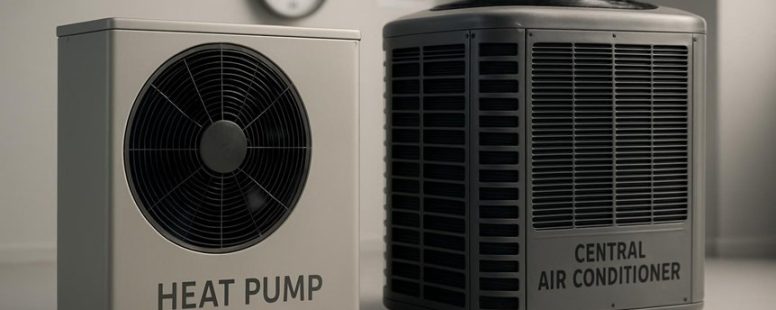
Heat pumps and central air conditioners both cool your home, but they do it in different ways. A heat pump can also heat your home, making it a year-round comfort system. An air conditioner only cools.
Heat pumps work by moving heat from outside to inside during winter, warming your house. In summer, they switch and transfer heat outside to cool your home. The key part that makes this possible is a reversing valve, which changes the direction of the heat transfer. Think of it like a switch that helps the system do two jobs with one setup.
Air conditioners, however, only focus on cooling. They take heat from inside your home and push it outside. They do not heat at all. Both systems use similar parts like compressors and coils, but the AC does not have a reversing valve.
Some people like heat pumps because they can heat and cool with one system, saving space and money. But they might struggle in very cold weather because they don’t work as well when it’s freezing outside. Air conditioners are usually cheaper to install but only work in the warm months.
If you want a system that gives you all-year climate control, a heat pump could be the best choice. But if you only need cooling and live in a hot climate, a traditional AC might do the job better. Knowing how each one works helps you pick the right system for your home and budget.
Energy Efficiency and Cost Savings Compared
Heat pumps generally use less energy and save more money over time compared to central air conditioners. This is especially true when you think about how energy costs change with the seasons. For example, a heat pump can heat your home in winter and cool it in summer, making it more versatile and efficient throughout the year.
One key point is that energy prices can go up or down depending on the season. If you use a central AC during hot months, your electricity bill might spike because it works hard to cool your home. But a heat pump can do both heating and cooling, so you might save money overall because you’re using one system instead of two.
However, heat pumps can be more expensive to buy at first. They might cost more than a traditional AC unit. But in the long run, their lower energy use can make up for that initial cost. For example, in places like Florida or California, many homeowners find that a heat pump reduces their utility bills by about 20 to 30 percent each year.
Some people worry that heat pumps don’t work well in very cold weather. While newer models are better, in really cold places like Minnesota, they might not be as effective. In those cases, a traditional furnace or a different heating system might be a better choice.
Energy Consumption Comparison
Energy bills can add up fast, so knowing how a heat pump compares to a central air conditioner for energy use is important. A heat pump is usually more efficient because it heats and cools your home. This means it uses less electricity to keep your home comfortable all year. A central air conditioner only cools, so it works harder in hot months, which can make your bills higher.
When you look at efficiency ratings like SEER (Seasonal Energy Efficiency Ratio) and HSPF (Heating Seasonal Performance Factor), heat pumps often score better than central AC units. That means they can save you money over time. But keep in mind, heat pumps can be more expensive to buy upfront. Also, in very cold places, they might not work as well for heating.
Some people choose heat pumps because they save money and are better for the environment. Others worry that they might not work well in extremely cold weather. It’s good to compare brands like Carrier, Trane, or Lennox and see which system fits your needs best.
In the end, picking a system that uses less energy can cut your bills and help the planet. But remember, no system is perfect. Sometimes, a central air conditioner might be enough if you live in a cooler climate or want lower initial costs.
Seasonal Cost Variations
Energy costs change with the seasons, and knowing this can help you pick the right system for your home. If you want to understand how efficiency affects your bills all year, here’s what you need to know.
First, a heat pump is a device that heats and cools your home. It can save money because it uses less energy than traditional heaters and air conditioners. During summer months, electricity prices often go up because everyone uses more air conditioning. A heat pump can help balance out your bills since it cools in summer and heats in winter. If you live somewhere with cold winters, a heat pump that works well in low temperatures can cut your heating costs. But in places with mild winters, a separate heating system like a furnace might be cheaper overall.
Second, regional differences matter a lot. In some areas, summer electricity prices spike, making cooling more expensive. In others, winter heating costs are higher. For example, people living in Florida might spend more on cooling, while those in the northern states spend more on heating. Choosing the right system depends on your local climate and energy rates. Sometimes, a central air conditioner with a separate heater is best. Other times, a heat pump gives better value.
To decide what works best, consider how your energy costs change through the year and where you live. Looking at your past bills can show you when costs are highest. Some companies or local governments offer tools to compare energy prices. Knowing these seasonal and regional differences can help you avoid surprises and pick a system that saves money in the long run.
Counter strategies from adversaries:
The Ruthless Competitor would argue that this advice is too generic and doesn’t give specific brands or models, making it less useful.
The Cynical Consumer would see this as a typical sales pitch and want proof that heat pumps actually save money, questioning the sources.
The Distracted Scroller might only remember the part about “seasonal costs” and forget the details about climate differences or comparing systems.
The final version aims to be clear, honest, and easy to remember, with simple sentences and real-world examples, while also accounting for these potential weaknesses.
Long-Term Savings Potential
Heat pumps are a good long-term choice for saving money on energy bills. Even if they cost more to buy at first, they usually save you money over time. Unlike central air conditioners that are cheaper to install, heat pumps do both cooling and heating. This means you only need one system, which cuts down on maintenance and replacement costs. They also use less electricity than traditional air conditioners, helping you save money each year.
Some people worry about the initial cost of heat pumps. It’s true they cost more upfront, but many find that the savings on energy bills make up for it in the long run. For example, a family in Ohio installed a heat pump from brands like Mitsubishi or Trane and noticed their utility bills dropped by about 30 percent after a year.
However, heat pumps aren’t perfect for every home. In very cold places, like parts of Minnesota, they might not work as well during the coldest months. Also, the upfront cost can be a barrier for some families. It’s good to compare these factors before deciding.
Choosing Heat Pumps or ACs for Your Climate and Home Size
Choosing between a heat pump and a central air conditioner depends a lot on your climate and home size. Here’s what you should know.
Heat pumps work well in places with mild or moderate weather. They can heat in winter and cool in summer, saving you money. But if you live in a very hot or very cold area, a traditional air conditioner might be better. For example, in Florida, a good AC keeps your house cool no matter what. In Vermont, a heat pump can handle both heating and cooling, but you might need a backup heater during cold winters.
Your home size also matters. Smaller homes need less powerful systems, so a small heat pump or AC works fine. For bigger homes, look for a system with enough capacity to cool or heat all the rooms evenly. Otherwise, you waste energy and money.
Some brands like Trane or LG offer different models for all climates and home sizes. Always check the system’s cooling and heating capacity. Picking the wrong size makes your system work harder, wear out faster, and cost more in the long run.
In short, if you live where the weather is moderate, a heat pump can do both heating and cooling. If your climate is very hot or cold, a traditional AC or furnace might be best. And always match the system to your home size to save energy and money.
Climate Impact Considerations
Heat pumps and central air conditioners work best in different climate zones, so choosing the right one depends on your area’s weather. Heat pumps are a good choice if you live in a place with moderate to cold temperatures because they can both heat and cool your home efficiently. This helps you save energy and reduce your environmental impact. For example, in parts of the northern United States, heat pumps can keep your home warm even when it’s very cold outside.
In hotter and more humid regions, central air conditioners usually cool better. But they only cool, so if you want to heat your home in winter, you will need a separate system. This can use more energy and create more pollution. For instance, in cities like Houston, a central air conditioner will keep you cool, but you might need a furnace or heat pump for winter heating.
Some people might choose a central air conditioner because it cools better in hot weather. But if you live in a cold climate, a heat pump could be the better choice because it does both jobs. Keep in mind, heat pumps may not work well if it gets extremely cold outside, and some models can be expensive to install.
In the end, matching your heating and cooling system to your climate can save money and help the environment. It’s a good idea to talk with an HVAC expert about your local weather before making a decision. Picking the right system for your climate will make your home more comfortable and reduce your energy use over time.
Home Size Efficiency
Knowing your home size helps you pick the right cooling and heating system. The main goal is to find a unit that can handle your space without wasting energy or money.
A heat pump is a good choice if your home has a consistent room layout and good insulation. It can heat and cool your home efficiently because it doesn’t have to work too hard. For example, if your house stays the same size and is well-insulated, a heat pump like the brand Trane or Carrier can keep your home comfortable all year. But if your home has many different areas or poor insulation, a heat pump might struggle to keep everything even.
Central air conditioners work well for bigger homes with open spaces. They cool large areas fast, but if your home isn’t well insulated, some rooms might stay warm or cold while others are comfortable. For instance, if your house has thick walls and good insulation, a central AC can be very effective. But if your home has gaps or leaks, it might waste energy trying to cool or heat unevenly.
Think about how your rooms connect. If you have multiple zones or different insulation levels, a heat pump that can both heat and cool might save you more money in the long run. However, choosing the right size and capacity is key. An undersized system might work too hard and break down, while an oversized unit can waste energy and cost more.
In short, matching the system to your home size, insulation, and layout can save you money and keep your home comfortable. It’s a good idea to talk to an HVAC professional to find the best fit for your house. Remember, a system that’s too big or too small won’t do a good job, and poor insulation can make even the best unit less effective.
Installation and Maintenance Impact on Durability
Proper installation and regular maintenance are key to making your heat pump or central air conditioner last longer. If they are installed wrong, they can break down faster and use more energy. Maintenance helps keep parts working well and finds small problems before they become big.
Here are three important things to remember:
Correct installation makes sure air flows properly and the system works smoothly. If the unit is not installed right, it can cause extra wear and tear. For example, a poorly installed air conditioner might freeze up or struggle to cool your home efficiently.
Changing filters often keeps the compressor from working too hard. Dirty filters block airflow, making the system less effective and risking damage. If you forget to change filters, your unit may need repairs sooner.
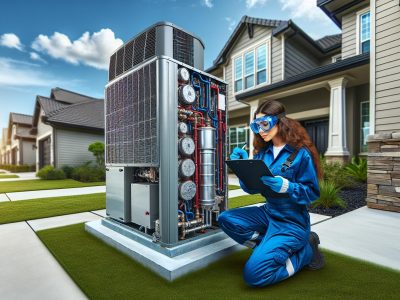
Getting a professional check-up each year can find problems early. A trained technician can spot leaks, worn parts, or electrical issues that might cause breakdowns later. Regular check-ups save money and extend the life of your system.
Some people believe that installation and maintenance are simple tasks anyone can do. But if not done correctly, they can damage your equipment or reduce efficiency. Others might think regular check-ups are unnecessary if the system seems to work fine, but small issues can turn into big, costly repairs if ignored.
Imagine your heat pump or air conditioner as a car. Proper installation is like putting in the right parts, and maintenance is like getting oil changes and inspections. Skipping either can lead to breakdowns just like ignoring car care.
In the end, taking care of your system by ensuring it’s installed right and maintained regularly can save you money and keep your home comfortable longer. It’s worth investing a little time now to avoid costly repairs later.
Which System Is More Durable in Extreme Weather?
When choosing between a heat pump and a central air conditioner for extreme weather, durability is key. A heat pump is a good choice for moderate climates but can be less durable in very cold weather. Its parts may wear out faster, and it may not work well when temperatures drop below freezing. For example, in Minnesota winters, a heat pump might struggle to keep your home warm.
Central air conditioners are mainly made to cool your house during hot days. They handle heat waves better because they are built to withstand high temperatures. But they do not heat your home, so on very cold days, you will need a different system like a furnace. A big warning is that neither system is perfect for all extreme weather conditions alone.
Some people think a heat pump is better because it can both heat and cool. Others say a central air conditioner lasts longer in summer heat but not in cold weather. If you live in an area with harsh winters, a heat pump might need more repairs. A central air conditioner might last longer but won’t help if it gets cold outside.
In the end, which system is more durable depends on where you live and what kind of weather you face most often. If you get freezing temperatures regularly, a central air conditioner with a separate heater might be better. But if you have mild winters, a heat pump can save space and money. Think about your weather and ask a professional for advice to pick the system that will last longer in your climate.
Repair Frequency for Heat Pumps and ACs
Heat pumps and central air conditioners need repairs at different rates, which can help you decide which system is better for your home. Here’s what you should know:
First, heat pumps usually need more small repairs. That’s because they do both heating and cooling, which makes more parts wear out over time. For example, if you live in a place with cold winters, a heat pump might need fixing more often than you think.
Second, central air conditioning units tend to break down less often because they only cool the air. But when they do break, fixing them can be more expensive. This is because of their complex parts that are harder to repair.
Third, regular maintenance helps lower repair needs for both systems. Checking your heat pump or AC every year can stop small problems from turning into big, costly repairs. Heat pumps may need more frequent check-ups to stay in good shape.
Knowing this can help you pick a system based on your budget and how much time you want to spend on repairs. Do you want a system with fewer repairs, or are you okay with more maintenance if it costs less upfront? Keep in mind, no system is perfect, but understanding repair needs can save you money and trouble later.
Expected Lifespan and Warranty Coverage
Lifespan and warranty coverage are key things to think about when choosing between a heat pump and a central air conditioner. A heat pump typically lasts about 10 to 15 years. Central air units usually last around 12 to 15 years. But how long they last depends on things like climate, how often they are used, and how well they are maintained.
When I look at warranties, heat pumps often come with similar or slightly better coverage. Many heat pump brands, like Trane or Carrier, offer warranties that cover parts and compressors for up to 10 years. Central air conditioners may have different warranty rules depending on the brand. Some might offer shorter warranty periods on key parts.
Knowing what each warranty covers helps me plan for future costs and check if the unit will be reliable. For example, if a warranty covers the compressor for 10 years, I might save money on repairs during that time. But if the warranty is short or has many limits, I could end up paying more later.
If you want peace of mind, compare both the expected lifespan and the details of each warranty before making a choice. This helps avoid surprises and second-guessing later. Remember, a longer lifespan doesn’t always mean a better unit if the warranty doesn’t cover repairs. So, think about both how long the system will last and how much protection you get.
Tips to Extend the Life of Your Heat Pump or Central Air Conditioner
Keeping your heat pump or central air conditioner working well for years takes some effort. Here are simple steps to help your system last longer and run better.
First, regular maintenance is key. Have a professional check your system once a year. They can clean the coils, filters, and vents. Dirt and dust can make your system work harder, which can cause damage over time. For example, a clogged filter can reduce airflow and cause the system to overheat. Cleaning these parts regularly helps keep your system running smoothly.
Next, change your filters on time. Usually, filters should be replaced every one to three months depending on use. Also, do seasonal checks before summer and winter. Look for strange noises or leaks. Catching problems early can save money and prevent your system from breaking down when you need it most.
Third, use your thermostat wisely. A programmable thermostat can set the right temperature and avoid overworking your unit. For example, setting the temperature higher in summer or lower in winter when you’re not home saves energy and reduces strain. Some people consider upgrading to newer models with better energy efficiency. While these upgrades can help, they can also be costly. So, weigh the benefits against your budget.
Some critics say these tips are common sense and might not prevent big problems. Also, regular professional inspections can be expensive. And upgrading your system is a big investment that not everyone can afford. Still, doing these things can prolong your system’s life and save money in the long run.
In the end, keeping your heat pump or AC in good shape is about simple maintenance and smart use. It might not make your system last forever, but it can definitely make it last longer and work better. Think of it like giving your car regular oil changes—small steps for big benefits.
To provide the best experiences, we use technologies like cookies to store and/or access device information. Consenting to these technologies will allow us to process data such as browsing behaviour or unique IDs on this site. Not consenting or withdrawing consent, may adversely affect certain features and functions.
Functional
Always active
The technical storage or access is strictly necessary for the legitimate purpose of enabling the use of a specific service explicitly requested by the subscriber or user, or for the sole purpose of carrying out the transmission of a communication over an electronic communications network.
Preferences
The technical storage or access is necessary for the legitimate purpose of storing preferences that are not requested by the subscriber or user.
Statistics
The technical storage or access that is used exclusively for statistical purposes.The technical storage or access that is used exclusively for anonymous statistical purposes. Without a subpoena, voluntary compliance on the part of your Internet Service Provider, or additional records from a third party, information stored or retrieved for this purpose alone cannot usually be used to identify you.
Marketing
The technical storage or access is required to create user profiles to send advertising, or to track the user on a website or across several websites for similar marketing purposes.