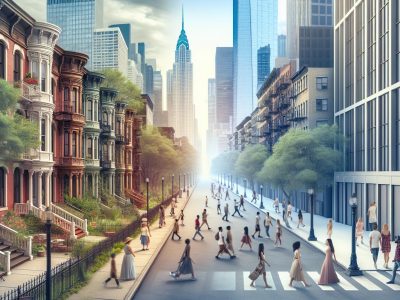
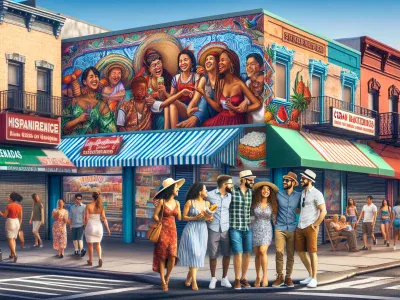
New York City pulses with energy, but the vibes shift dramatically depending on where you are. Uptown and Downtown—two iconic halves of the same city—offer completely different experiences. One feels like stepping into a classic movie scene with tree-lined streets and historic brownstones, while the other buzzes with cutting-edge trends and a rapid rhythm.
Have you ever wondered what truly sets these two worlds apart? Whether you’re drawn to Uptown’s timeless elegance or Downtown’s gritty charm, the contrasts are as striking as they are fascinating. Each neighborhood tells its own story, and discovering their unique personalities might just change the way you see NYC forever.
Overview Of Uptown Vs Downtown NYC
Uptown and Downtown NYC offer contrasting atmospheres that cater to different lifestyles and interests. Uptown, encompassing areas like the Upper East Side and Upper West Side, exudes sophistication and charm. Tree-lined avenues, iconic museums like The Met, and historic townhouses create a serene ambiance. It’s a haven for those seeking classic New York elegance and cultural landmarks.
Downtown, including neighborhoods like SoHo and the Financial District, pulses with energy and innovation. You’ll find contemporary art galleries, trendy boutiques, and a nightlife scene that’s constantly evolving. The streets are more dynamic, with a mix of modern skyscrapers and cobblestone lanes hinting at NYC’s history. Its vibrancy often attracts creatives and entrepreneurs.
While Uptown leans toward tradition and community, Downtown thrives on modernity and change. Central Park, nestled Uptown, offers a peaceful escape, contrasting with the bustling Union Square or Battery Park in Downtown. Each area tells a narrative—question is, do you prefer timeless beauty or eclectic vibes?
Characteristics Of Uptown NYC
Uptown NYC offers a blend of classic elegance and cultural richness that sets it apart. This area features an atmosphere rooted in tradition, underscoring its historical and residential charm.
Neighborhoods And Atmosphere
Uptown NYC encompasses neighborhoods like the Upper East Side, Harlem, and Washington Heights. The Upper East Side exudes sophistication with its upscale restaurants and designer stores, whereas Harlem pulsates with vibrant cultural energy, reflecting its African-American heritage. In Washington Heights, you’ll find a strong Dominican influence, evident in its cuisine and community spirit.
The streets are quieter and more residential compared to Downtown. Tree-lined avenues and pre-war brownstones dominate the world, creating a sense of exclusivity and calm. Walking through Uptown, you’re likely to encounter locals enjoying serene parks or sipping coffee in quaint cafes, painting a picturesque scene of urban life.
Cultural Landmarks And Attractions
Cultural landmarks are abundant Uptown, offering a window into the city’s history and art. The Metropolitan Museum of Art (The Met), located on Fifth Avenue, houses a world-renowned collection spanning over 5,000 years. The Apollo Theater in Harlem stands as a testament to its musical legacy, showcasing legendary performers like Ella Fitzgerald and James Brown.
Uptown is also home to iconic sites like Grant’s Tomb in Riverside Park and the Cloisters Museum, which focuses on medieval European art and architecture. These landmarks provide diverse opportunities for exploration, attracting visitors interested in both history and culture.
Lifestyle And Demographics
The lifestyle in Uptown NYC caters largely to families, professionals, and those seeking a more tranquil city experience. Housing options include luxury apartments in the Upper East Side, historic brownstones in Harlem, and affordable housing in parts of Washington Heights. Even though its modern amenities, Uptown retains its strong community focus.
Demographically, Uptown features a mix of affluent residents and multicultural populations. Wealthier families often reside on Madison Avenue, while Harlem and Washington Heights showcase racial and ethnic diversity, including African-American and Hispanic communities. People here prioritize their community values, with many events celebrating cultural heritage throughout the year.
Uptown’s vibe welcomes those drawn to time-honored charm and a slower pace. For someone searching for sophistication and history, this neighborhood offers an enriching experience.
Characteristics Of Downtown NYC
Downtown NYC stands out as a hub of energy and innovation, showcasing blending modern architecture with historical depth. Each neighborhood here tells its own story, featuring distinctive aesthetics and a constantly evolving cultural world.
Neighborhoods And Atmosphere
Downtown neighborhoods like SoHo, Tribeca, and the Financial District bring a dynamic, contemporary vibe. SoHo captivates with its cobblestone streets and upscale boutiques, while Tribeca exudes an artsy sophistication, housing many celebrities. The Financial District pulses with corporate activity, anchored by Wall Street and the iconic One World Trade Center. These areas epitomize urban diversity, merging high-end living with creative expression. Notably, Chinatown injects vibrant cultural richness, offering authentic eateries and bustling street markets.
The atmosphere, vibrant and eclectic, contrasts formal Uptown elegance. You’ll experience progressive energy through graffiti-lined streets, underground music venues, and independent film screenings. Some might call it the beating heart of NYC’s avant-garde culture.
Cultural Landmarks And Attractions
Downtown NYC boasts landmarks like the 9/11 Memorial & Museum, where history and reverence collide. The Brooklyn Bridge serves as a symbol of architectural ingenuity, connecting Manhattan and Brooklyn while offering breathtaking views of the skyline. Battery Park at the southern tip provides serenity juxtaposed with views of the Statue of Liberty.
Art and innovation flourish at venues like The Whitney Museum of American Art, showcasing contemporary masterpieces. You’ll also discover outdoor art installations such as The Charging Bull near Bowling Green, amplifying the district’s creative character.
Lifestyle And Demographics
Downtown appeals to those drawn to rapid, trend-driven lifestyles. Residents include young professionals, entrepreneurs, and creative minds seeking an urban playground. Upscale apartments coexist with artist studios, maintaining a unique balance.
Economic affluence is prominent, yet Downtown maintains pockets of counter-culture spaces. Cafes like The Butcher’s Daughter host remote workers, while lounges like Le Bain cater to nightlife enthusiasts. Diverse demographics bring an inclusive mix of ideas, making every visit unpredictable but exhilarating.
Comparing Uptown And Downtown NYC
Uptown and Downtown NYC offer two distinct worlds within the same city, each defined by unique architecture, accessibility, and living costs. Understanding these differences helps you appreciate New York City’s diverse character.
Architecture And Streetscape
Uptown’s architecture showcases historical elegance. You see tree-lined streets, stately brownstones, and classical pre-war buildings. For example, the Upper East Side features renowned mansions, while Harlem’s streets reflect vibrant, cultural history through murals and churches like Abyssinian Baptist Church. Iconic landmarks, such as The Cloisters in Washington Heights, emphasize heritage and tranquility.
Downtown’s streetscape feels more irregular and dynamic. Modern skyscrapers in the Financial District contrast with industrial-chic lofts in SoHo. Streets, like those in Tribeca, combine cobblestones with minimalist storefronts. Graffiti art often decorates Downtown’s walls, creating an edgy visual narrative. Each street houses eclectic cafes or galleries, boosting a creative vibe that blends old and new.
Transportation And Accessibility
Uptown relies heavily on subway lines like the 1, A, B, and D, which connect major areas like Washington Heights and Central Park. Streets are more structured, with avenues running north-south and clear grid systems simplifying navigation. Bus routes further expand Uptown’s connectivity to outer boroughs.
Downtown offers extensive transit hubs like the Fulton Transit Center and PATH trains to New Jersey. Walking and biking are common due to narrower streets and shorter block spans. It’s easier to access landmarks like Battery Park or the Brooklyn Bridge by foot. But, vehicular traffic can disrupt flow, especially in crowded areas like Chinatown.
Cost Of Living And Housing
Uptown housing leans luxurious in areas like the Upper East Side, where rent prices for a one-bedroom apartment can exceed $4,000 per month. Uptown also offers affordability in neighborhoods like Inwood, with options below $2,000, attracting both families and professionals seeking space.
Downtown presents premium costs centered around SoHo and Tribeca, often exceeding $5,000 per month for high-end rentals. Younger residents may turn to shared lofts or apartments in Lower East Side communities to save money. Housing markets here cater to renters drawn to nightlife and tech industry proximity.
Final Thoughts On Uptown Vs Downtown NYC
Your experience in New York City depends largely on the vibe you chase. Uptown, with its stately architecture like brownstones and landmarks such as The Met, represents historical charm and cultural depth. It’s an ideal choice if you value sophistication, with hidden gems like Harlem’s soulful music venues and Washington Heights’ bustling Dominican eateries. Uptown nurtures a slower, community-driven pace, making it perfect for families or those seeking some tranquility among NYC’s chaos.
On the other hand, Downtown thrives on contrast and energy. Streets filled with street art and trendy boutiques capture its progressive spirit. Neighborhoods like SoHo and the Financial District embody creativity and hustle, attracting ambitious entrepreneurs and artists alike. Imagine walking near the 9/11 Memorial, reflecting on its significance, before being swept up in Chinatown’s busy markets nearby. It’s a place where modernity and rich history intersect every block.
Ask yourself, are you drawn to Uptown’s timeless cultural elegance or Downtown’s bold, cutting-edge atmosphere? Your preference might even shift depending on your stage of life or lifestyle goals. Both areas offer unique aspects, ensuring there’s no definitive answer—only personal preference. Whatever choice you make, it’s less about which is better and more about what resonates with you the most.
Conclusion
Choosing between Uptown and Downtown NYC comes down to what resonates with you. Whether you’re drawn to Uptown’s refined charm and cultural richness or Downtown’s vibrant energy and cutting-edge creativity, both offer unique experiences that define New York City.
Your preference might align with where you are in life or the kind of adventure you seek. The beauty of NYC lies in its diversity, allowing you to explore both worlds and find the rhythm that suits you best.
To provide the best experiences, we use technologies like cookies to store and/or access device information. Consenting to these technologies will allow us to process data such as browsing behaviour or unique IDs on this site. Not consenting or withdrawing consent, may adversely affect certain features and functions.
Functional
Always active
The technical storage or access is strictly necessary for the legitimate purpose of enabling the use of a specific service explicitly requested by the subscriber or user, or for the sole purpose of carrying out the transmission of a communication over an electronic communications network.
Preferences
The technical storage or access is necessary for the legitimate purpose of storing preferences that are not requested by the subscriber or user.
Statistics
The technical storage or access that is used exclusively for statistical purposes.The technical storage or access that is used exclusively for anonymous statistical purposes. Without a subpoena, voluntary compliance on the part of your Internet Service Provider, or additional records from a third party, information stored or retrieved for this purpose alone cannot usually be used to identify you.
Marketing
The technical storage or access is required to create user profiles to send advertising, or to track the user on a website or across several websites for similar marketing purposes.