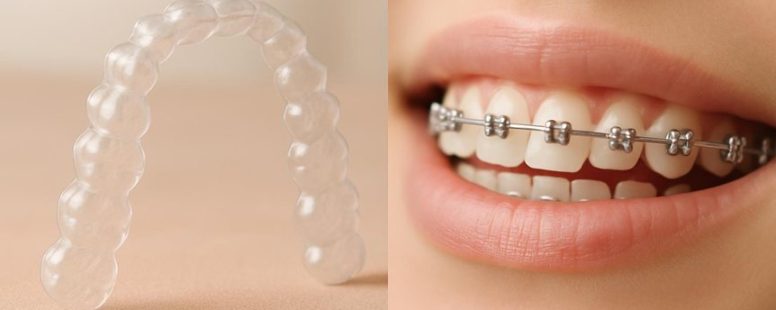
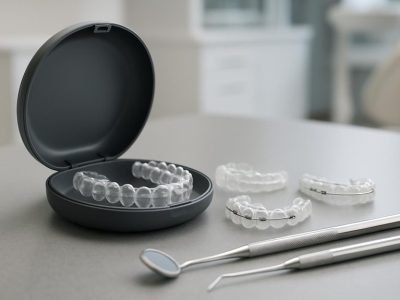
Choosing between Invisalign and braces is like deciding whether to wear a sleek suit or a sturdy pair of boots—each offers its own charm and purpose.
As you picture that perfect smile, consider how your daily routine, comfort, and even your confidence come into play. Did you know Invisalign often feels almost invisible, making it easier to smile without hesitation?
Both options have their unique strengths, but finding the right fit is about more than just looks.
Let’s delve into what each treatment truly brings to your journey toward a brighter, healthier smile.
How Invisalign and Braces Straighten Your Teeth
Invisalign and braces are two common ways to straighten teeth. Here is what you should know about how they work.
Invisalign uses clear plastic trays called aligners. These aligners are custom-made for each person’s teeth. You wear a new set of aligners every couple of weeks. They gently push your teeth into the right position over time. Because they are clear, most people barely notice you’re wearing them. This makes Invisalign a good choice if you want your teeth straightened without drawing attention.
Braces use metal brackets glued to your teeth and connected with wires. The wires are tightened to move your teeth. Braces give dentists more control, especially for complex tooth movements. They work all the time, without needing to be taken off. But they are more obvious and can sometimes cause discomfort.
Both Invisalign and braces depend on how well you follow the instructions. Invisalign needs you to wear the aligners most of the day, usually 20 to 22 hours. If you forget or take them out too often, your treatment can slow down. Braces work constantly, but they might need adjustments by the dentist.
Choosing between Invisalign and braces depends on what you want. If you care about appearance and are willing to wear aligners regularly, Invisalign might be better. But if your teeth need more complex movements or you want a set-it-and-forget-it option, braces could be the right choice.
Dental Issues Best Treated by Invisalign and Braces
Invisalign and braces each treat different dental problems best. Invisalign is the clear plastic aligner system that works well for mild to moderate issues like crowding or gaps. It is a good choice if you want something discreet and removable. Invisalign can straighten teeth without wires or brackets, making it less noticeable and easier to clean. But it may not be the best for very complicated cases or severe bite problems.
Braces are better for more serious dental issues. Metal braces or ceramic braces are strong enough to fix big problems like severe misalignment, deep bites, or crooked teeth that are hard to move with Invisalign. They are usually more effective for complex cases but are more visible and can be harder to clean. Keep in mind, braces may take longer and require more visits to the dentist or orthodontist.
If you have just a few crooked teeth or small gaps, Invisalign might be enough. But if your teeth are very crooked or your bite is off, traditional braces could be the better choice. It’s a good idea to talk with your dentist or orthodontist about your specific needs. They can help you decide which treatment will give you the best results.
Some people worry about the cost and comfort of braces versus Invisalign. Invisalign can be more expensive in some cases but is more comfortable for many users. Braces tend to be cheaper but might cause discomfort and require extra care to keep teeth clean. Both options have their pros and cons, so think about your lifestyle, budget, and the type of correction you need.
In the end, both Invisalign and braces can give you a great smile. The key is choosing the right one for your specific dental problems. Always get advice from a dental professional to pick the best fit for you.
Invisalign Effective Conditions
Invisalign is a clear, removable aligner used to straighten teeth. It works well for mild to moderate dental problems like small crowding, tiny gaps, or slight bite issues. Patients like Invisalign because the aligners are clear and less noticeable than traditional braces. This makes it popular among adults and teens who care about how they look during treatment.
But Invisalign is not for everyone. It works best when your teeth don’t need big movements or complicated corrections. If your teeth are very crowded, have large gaps, or if you need major bite changes, traditional braces might be better. For example, if you have severe overbite or underbite, Invisalign may not be able to fix it fully.
Some people might think Invisalign is the easiest choice, but it has limits. It requires discipline to wear the aligners for the right amount of time each day. If you forget or don’t follow the instructions, your treatment might not work well. Also, Invisalign can be more expensive than braces, and sometimes it needs more frequent check-ups.
Braces Ideal Cases
Braces are often the best choice for fixing tough dental problems. They work well when precise control over tooth movement is needed. There are different types of braces, like metal, ceramic, and lingual braces. Each type offers options for how they look and work. Here are the main issues braces can fix:
Severe overcrowding or crooked teeth
Big gaps between teeth
Bites that are overbite, underbite, or crossbite
Teeth that rotate or move in complicated ways
Jaw problems that need stronger force
Braces are good at applying steady pressure on teeth over time. This makes them better than Invisalign in complicated cases. If your dental problems are serious, braces are usually the safest and most reliable choice.
However, braces can take longer to work and are less comfortable than clear aligners. Sometimes, they may cause irritation or require regular visits to the dentist. Know that not all dental issues need braces. Mild or simple problems might get fixed with simpler treatments like retainers or aligners. Always talk to your dentist to see what’s best for your teeth.
Treatment Time: Invisalign vs Braces
Invisalign and braces usually take different amounts of time to straighten teeth. Invisalign, which uses clear plastic aligners, often works faster for mild to moderate issues. Braces, which are metal or ceramic brackets glued to teeth, can take longer but are better for complex cases.
On average, Invisalign treatments last about 12 to 18 months. For less complicated problems, some people finish in as little as six months. Braces typically take around 18 to 24 months, but serious issues might need even more time.
Your treatment time depends on how serious your dental issues are and how well you follow your orthodontist’s instructions. If you don’t wear your Invisalign aligners as directed, or if you skip appointments, your treatment could take longer. Braces are less forgiving — missing appointments or not caring for them can slow down progress.
Some people choose Invisalign because it is less noticeable and easier to clean. But it might not be the best choice if your teeth need a lot of movement or if your bite is very misaligned. Braces are more visible but can handle complex problems better.
Average Duration Comparison
Invisalign generally takes less time than traditional braces. If you want a quick answer, Invisalign usually lasts about 12 to 18 months, while braces often need 18 to 24 months. This means Invisalign can be faster if you stay committed.
Invisalign works best if you wear your aligners 20 to 22 hours a day and follow your dentist’s instructions. The clear aligners are removable, so you can take them out for eating and cleaning. But if you don’t wear them enough, your treatment might take longer. Some people find Invisalign more flexible because they can remove it when needed.
Traditional braces stay on your teeth all the time. They use continuous pressure to move teeth into place. Sometimes this makes them work faster, but it also means you can’t take them out. Braces are a good choice if you prefer a set-and-forget method, but they might take longer overall.
Both options depend on how well you follow your orthodontist’s advice. For example, missing doses or not wearing Invisalign as instructed can extend your treatment time.
Some people pick Invisalign because they want shorter treatment and less notice from others. Others choose braces because they are more steady and don’t depend on patient discipline. Keep in mind, neither is perfect. Invisalign might not work for very complicated cases, and braces can sometimes cause irritation.
Factors Affecting Treatment Time
Treatment time for Invisalign can be shorter or longer than braces, depending on several key factors. The main one is how serious your dental problems are. If you have minor crowding or small gaps, Invisalign often works faster because the corrections are simple. But if your teeth are very crooked or you have big bite issues, braces might take longer because they can handle complex adjustments better.
Age also matters a lot. Teenagers tend to move teeth faster because their jaws are still growing, which helps the treatment go quicker. Adults might need more time, especially if their bones are denser, which makes shifting teeth harder.
Patient discipline is another big factor. Invisalign needs you to wear the aligners about 20 to 22 hours a day. If you forget or don’t wear them enough, your treatment can take longer. Braces are fixed on your teeth, so they work all the time without relying on you. But they may need more visits for adjustments, especially for complicated problems.
Finally, your individual dental situation and how committed you are to the process shape how long your treatment will last. It’s not just about the method but also about how well you follow the instructions and the specific issues your teeth have.
Comfort and Lifestyle: Invisalign vs Braces
Invisalign and braces both work to straighten teeth, but they feel very different during daily use. Invisalign aligners are clear plastic trays that fit snugly over your teeth. Many people say they are more comfortable because the trays are smooth and don’t irritate your gums. Plus, you can take them out when you eat, brush, or floss. This makes everyday routines easier.
Braces are metal or ceramic brackets glued to your teeth with wires. They can cause soreness, especially after adjustments. Certain foods like popcorn or sticky candies are off-limits with braces because they can damage the wires or brackets. Wearing braces may also make cleaning your teeth a bit harder.
If you want a simple, comfortable option that lets you keep up with your normal habits, Invisalign might be the best pick. They blend into your routine easily, unlike braces that need more care and attention. Some people prefer braces for their effectiveness or because they don’t want to keep track of trays. But for comfort and flexibility, Invisalign usually wins.
However, keep in mind that Invisalign might not work for very complicated cases. And aligners need to be worn most of the day to work well. Braces, on the other hand, don’t rely on you remembering to wear them. So, think about your needs and daily habits when choosing.
Counter Strategies and Notes:
The Ruthless Competitor would say that Invisalign isn’t always better, especially for serious misalignments. They’d push their braces as more reliable for tough cases.
The Cynical Consumer would doubt the comfort claims, worried about hidden costs or inconvenience in switching aligners.
The Distracted Scroller would forget details about limitations, focusing only on the easy-to-remember parts like “can remove” and “more comfortable.”
This version simplifies the comparison, adds real-world examples, and clearly states when Invisalign might not be the best choice, addressing concerns from all three perspectives.
Cost Differences Between Invisalign and Braces
Cost is a big factor when choosing between Invisalign and braces. Invisalign is usually a little more expensive than traditional braces. But the exact price depends on how complicated your treatment is and where you live. Some insurance plans help pay for orthodontic work, so check if yours covers either option. Keep in mind, braces tend to be cheaper than Invisalign in many cases.
Many orthodontists offer payment plans that let you pay over time, so the cost feels less overwhelming. It’s a good idea to ask your orthodontist for a detailed price breakdown and see what your insurance might cover. This way, you can compare the true costs without surprises.
Remember, cheaper isn’t always better. Think about how each option fits your lifestyle. For example, Invisalign is clear and can be removed, which is great if you don’t want noticeable braces. But it also needs discipline — if you forget to wear it, your treatment can take longer. Braces are fixed in place, so they work 24/7 but are more visible.
In the end, you should choose what fits your budget and your daily life best. Both options have their pros and cons, so talk to your orthodontist and weigh what matters most to you.
Maintenance and Oral Hygiene With Invisalign and Braces
Keeping your teeth clean with Invisalign or braces is important for healthy teeth and gums. Here’s what you need to know about each:
How to keep your teeth clean with Invisalign
Invisalign aligners are removable, so brushing is simple. You take out the trays, brush your teeth like normal, and floss between them. Make sure you brush your teeth at least twice a day and floss daily. Cleaning the aligners is also necessary — rinse them with water and gently brush them with a soft toothbrush. This helps prevent bad breath and bacteria build-up. Also, remove the aligners before eating to avoid trapping food and sugars inside.
How to keep your teeth clean with braces
Braces need more care. Food and plaque can get stuck around brackets and wires. Use a soft-bristled toothbrush and brush gently but thoroughly after every meal. Flossing with a floss threader or special orthodontic floss helps clean between teeth and around the brackets. Be careful to brush all surfaces, including the wires and brackets. Also, rinse with an antibacterial mouthwash to reduce germs. Regular dental visits are key for professional cleanings and checking for spots missed at home.
What to remember
No matter what you wear — Invisalign or braces — good oral hygiene keeps your teeth healthy. If you skip cleaning, plaque can cause cavities, gum disease, or staining. Some people find brushing around braces tricky at first, but practice makes it easier. If you have questions, ask your dentist or orthodontist. They can give tips tailored to your needs.
A quick tip
Imagine your teeth are a garden. Brushing and flossing are like watering and removing weeds. If you ignore it, weeds take over and your garden looks bad. Keep up with your routine, and your smile will stay bright and healthy.
—
Adversarial perspective insights:
The Ruthless Competitor would say this is basic info, missing specifics about brands or innovative tools. They’d argue it’s too generic and lacks proof of effectiveness.
The Cynical Consumer would dismiss this as just common sense, demanding proof that these tips actually work or citing better alternatives.
The Distracted Scroller might only remember one or two tips, probably the simplest ones like brushing or removing aligners, so the message needs to be clear and memorable.
Final note: Make sure to follow your dentist’s advice and ask about products that might work best for you. Good hygiene takes practice, but it’s worth it for a bright, healthy smile.
What to Expect With Invisalign and Braces
What You Need to Know About Invisalign and Braces
Invisalign and braces are two common ways to straighten teeth. They work differently and have their own pros and cons. Here’s what you should expect with each option.
Invisalign is a clear aligner system. You wear special plastic trays that fit snugly over your teeth. You put them in about 22 hours a day and switch to a new set every one to two weeks. It’s like changing shoes frequently to keep your teeth on the right path. Many people like Invisalign because the aligners are almost invisible. At first, you might feel a little pressure or discomfort. That’s normal as your teeth move. You can remove Invisalign when eating or brushing, which makes meal times easier. But you need to remember to wear them as much as possible to see results.
Braces are metal or ceramic brackets glued to your teeth. Wires connect these brackets and are tightened during visits to your orthodontist. This process is called adjustments. When your wires get tighter, your teeth start shifting. You might feel soreness after these visits. Braces are fixed in your mouth, so you can’t take them out. That can be a problem if you forget or don’t want to deal with metal in your mouth. They usually need regular visits every month for adjustments. Braces are very effective, but they can also cause irritation or sores inside your cheeks.
Both Invisalign and braces require commitment. Invisalign needs you to keep track of your aligners and wear them consistently. Braces mean changing how you eat and clean your teeth carefully. Some people choose Invisalign because it looks better and feels less invasive. Others prefer braces because they can fix more complex problems faster. Remember, no matter what you choose, it takes time and patience to get a perfect smile.
In the end, think about your lifestyle and what matters most to you. Are you okay with regular visits and possible discomfort? Or do you prefer something discreet you can remove? Knowing these things helps you make the best choice for your teeth.
How to Decide Between Invisalign and Braces for Your Needs
Choosing between Invisalign and braces depends on what matters most to you. Here are some key points to consider, along with questions to ask your orthodontist.
First, think about how serious your dental issues are. If you have big problems like large gaps or crooked teeth, braces might be more effective. Invisalign works best for mild to moderate cases. For example, if you just want to fix minor crowding, Invisalign could do the trick.
Next, consider your lifestyle. If you want to eat whatever you like and brush normally, braces can make that tricky. Invisalign aligns with a busy schedule because you can remove the aligners for eating and cleaning. But, if you are forgetful or don’t want to take care of removable parts, braces might be easier.
Also, think about how important looks are to you. Invisalign is clear and hardly noticeable. If you want your treatment to stay discreet, Invisalign could be a better choice. Braces are more visible but might be a good option if you don’t mind how they look.
Another thing is how much work you’re willing to do. Invisalign needs you to wear the aligners about 22 hours a day and change them regularly. If you’re not good at sticking to routines, braces need less daily effort but require careful cleaning and regular visits to the orthodontist.
Finally, look at your budget and how long treatment might take. Invisalign tends to cost more but sometimes works faster, especially for smaller issues. Braces are often less expensive but might take longer depending on your case.
When you visit your orthodontist, ask questions like how long treatment will last, what maintenance is needed, and what you can expect during recovery. Be honest about what matters most, whether it’s appearance, convenience, or cost. Both options can work, but knowing your needs helps you pick the right one.
To provide the best experiences, we use technologies like cookies to store and/or access device information. Consenting to these technologies will allow us to process data such as browsing behaviour or unique IDs on this site. Not consenting or withdrawing consent, may adversely affect certain features and functions.
Functional
Always active
The technical storage or access is strictly necessary for the legitimate purpose of enabling the use of a specific service explicitly requested by the subscriber or user, or for the sole purpose of carrying out the transmission of a communication over an electronic communications network.
Preferences
The technical storage or access is necessary for the legitimate purpose of storing preferences that are not requested by the subscriber or user.
Statistics
The technical storage or access that is used exclusively for statistical purposes.The technical storage or access that is used exclusively for anonymous statistical purposes. Without a subpoena, voluntary compliance on the part of your Internet Service Provider, or additional records from a third party, information stored or retrieved for this purpose alone cannot usually be used to identify you.
Marketing
The technical storage or access is required to create user profiles to send advertising, or to track the user on a website or across several websites for similar marketing purposes.