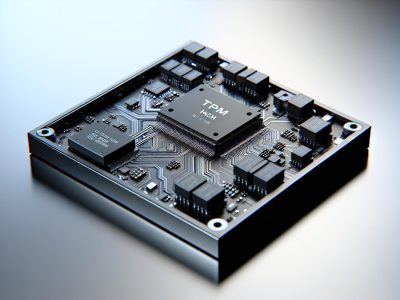
Picture holding the keys to your financial future—literally or digitally. In a world where cryptocurrency is reshaping how we think about money, securing your assets has never been more critical. But with so many options available, how do you decide between a hardware wallet that fits in your hand and a software wallet that lives in the cloud?
Each offers its own unique blend of convenience, security, and accessibility. While one might feel like a digital fortress guarding your wealth, the other could offer unmatched portability at your fingertips. The choice isn’t just about technology—it’s about finding what aligns with how you manage and protect what’s yours.
What Are Hardware Wallets?
Hardware wallets are physical devices designed to securely store cryptocurrency private keys offline. These wallets minimize exposure to cyber threats by isolating sensitive information from online environments.
Key Features Of Hardware Wallets
Offline Storage: Hardware wallets operate without constant internet connectivity, reducing the risk of remote hacking attempts. For example, devices like Ledger Nano X or Trezor Model T keep private keys on a secure chip.
Encryption Protocols: Advanced encryption ensures that unauthorized access is nearly impossible unless the device itself is compromised.
Compatibility: Most hardware wallets support multiple cryptocurrencies, including Bitcoin (BTC), Ethereum (ETH), and Litecoin (LTC).
Backup & Recovery Options: Recovery phrases allow you to restore funds in case of device loss or damage.
Advantages Of Hardware Wallets
Enhanced Security: By keeping private keys offline, these wallets protect against phishing attacks and keylogging malware.
User Control: You retain full ownership of your crypto assets since third-party platforms aren’t involved in storage management.
Portability: Compact designs make it easy to carry and use with different computers or mobile devices while traveling.
Multi-Currency Support: Storing various digital currencies simplifies portfolio management for investors holding diverse assets.
Limitations Of Hardware Wallets
Cost Barrier: Prices range between $50-$200 per device, which might deter new crypto users seeking budget-friendly options.
Physical Vulnerability: Loss or theft can result in asset access issues if recovery steps aren’t properly set up beforehand.
Learning Curve: Beginners may find initial setup processes complex compared to software wallet alternatives like MetaMask or Trust Wallet.
What Are Software Wallets?
Software wallets are digital applications that store and manage cryptocurrency private keys on devices like smartphones, tablets, or computers. They provide users with convenient access to their assets while maintaining a balance between security and usability.
Key Features Of Software Wallets
Accessibility Across Devices: You can use software wallets on mobile phones (e.g., Trust Wallet), desktops (e.g., Electrum), or through web browsers (e.g., MetaMask). This flexibility lets you manage assets from anywhere with internet connectivity.
Integrated Functionalities: Many software wallets include built-in exchange services, staking options, and portfolio tracking features. For instance, Exodus allows swapping cryptocurrencies within the app itself.
Customizable Security Options: While connected online, software wallets offer PINs, biometric authentication, two-factor authentication (2FA), or even multi-signature setups for added protection against unauthorized access.
Advantages Of Software Wallets
Ease of Use: User-friendly interfaces make them accessible for beginners unfamiliar with crypto management tools.
Free or Low-Cost Availability: Unlike hardware wallets requiring an upfront purchase cost ($50-$200), most software wallet apps are free to download.
Quick Transactions: Instant connectivity ensures fast transactions without needing additional devices; this is essential when trading actively on exchanges.
Backup Flexibility: Cloud integration in some software wallets simplifies backup processes by storing encrypted keys securely online.
Limitations Of Software Wallets
Online Vulnerability Risks: Because they’re internet-connected at all times, these wallets face risks such as hacking attempts or phishing scams targeting user credentials.
Device Dependency Issues: Losing your phone/computer could compromise wallet access unless you’ve safely backed up recovery phrases beforehand.
Potential Compatibility Constraints: Some older operating systems might not support newer updates of certain wallet applications. This limits their functionality over time.
Key Differences Between Hardware And Software Wallets
Understanding the distinctions between hardware and software wallets helps you make informed decisions about cryptocurrency storage. Each wallet type offers unique features tailored to varying security, convenience, portability, and cost preferences.
Security
Hardware wallets store private keys offline, ensuring protection against cyber threats like hacking or phishing attacks. They use advanced encryption protocols and require physical access for transactions. For example, Ledger Nano X provides robust security by isolating keys from internet exposure.
Software wallets operate online and are susceptible to malware or unauthorized access if your device is compromised. Even though this risk, they balance usability with measures like two-factor authentication (2FA) or biometric locks on platforms such as Trust Wallet.
Convenience
Software wallets excel in accessibility. You can manage assets anytime using smartphones or computers connected to the internet. Features like built-in exchange services simplify trading without needing external tools.
Hardware wallets demand more effort during transactions since connecting them to a compatible device is necessary. But, they compensate by reducing risks associated with continuous connectivity.
Portability
A hardware wallet’s compact design lets you carry it easily; but, losing the device could jeopardize access unless recovery phrases are safely stored elsewhere.
Conversely, software wallets don’t rely on physical devices for usage but depend heavily on secure internet connections and compatible gadgets for functionality across locations.
Cost
Hardware wallets often involve upfront expenses ranging from $50–$150 depending on models and brands like Trezor or Coldcard Wallet. This initial investment enhances long-term asset safety significantly.
Many software wallets are free-to-use applications available for download directly from app stores or websites. While there may be minor fees tied to specific transactions within these apps—like swapping cryptocurrencies—the overall costs remain minimal compared to their hardware counterparts.
How To Choose The Right Wallet For Your Needs
Finding the right wallet depends on your priorities, including security, usability, and cost. Each factor plays a critical role in ensuring your cryptocurrency assets are managed effectively.
Assessing Your Security Concerns
Evaluate whether you prioritize offline storage or online access. Hardware wallets provide a higher level of security by keeping private keys offline, preventing unauthorized online access. For example, devices like Ledger Nano X use encrypted chips to protect against hacking attempts. On the other hand, software wallets offer features like two-factor authentication and biometric locks but remain vulnerable to phishing attacks or malware due to constant internet connectivity.
If you’re managing substantial cryptocurrency holdings or value privacy above all else, hardware wallets may align better with your needs. Alternatively, smaller portfolios seeking quick access might benefit from software wallets even though their heightened exposure risks.
Considering Usability And Accessibility
Determine how frequently you plan to make transactions. Software wallets excel in ease-of-use scenarios with intuitive interfaces designed for beginners; examples include Trust Wallet and MetaMask that integrate exchange tools directly within their apps. These options suit regular traders who require instant transfers anytime through connected devices.
Hardware wallets involve additional steps during setup and use since they necessitate physical confirmation for transactions via buttons or touch screens on the device itself. If long-term storage is more relevant than daily usage convenience—for instance when holding Bitcoin as an investment—a hardware wallet might be worth considering even though its learning curve.
Balancing Cost Effectiveness
Consider budget constraints alongside wallet functionality preferences. Hardware wallets typically range from $50-$150 per unit depending on brand and features offered (e.g., Trezor Model T includes advanced password management). This upfront expense ensures robust protection but may deter casual users owning small crypto amounts.
Conclusion
Choosing between a hardware and software wallet eventually depends on your unique needs and priorities. Whether you value top-tier security or seamless accessibility, understanding the strengths and limitations of each option is key to making an well-informed choice.
Take time to evaluate factors like how frequently you transact, the size of your cryptocurrency holdings, and your comfort level with technology. By aligning your choice with your goals, you can confidently protect and manage your digital assets in a way that works best for you.
To provide the best experiences, we use technologies like cookies to store and/or access device information. Consenting to these technologies will allow us to process data such as browsing behaviour or unique IDs on this site. Not consenting or withdrawing consent, may adversely affect certain features and functions.
Functional
Always active
The technical storage or access is strictly necessary for the legitimate purpose of enabling the use of a specific service explicitly requested by the subscriber or user, or for the sole purpose of carrying out the transmission of a communication over an electronic communications network.
Preferences
The technical storage or access is necessary for the legitimate purpose of storing preferences that are not requested by the subscriber or user.
Statistics
The technical storage or access that is used exclusively for statistical purposes.The technical storage or access that is used exclusively for anonymous statistical purposes. Without a subpoena, voluntary compliance on the part of your Internet Service Provider, or additional records from a third party, information stored or retrieved for this purpose alone cannot usually be used to identify you.
Marketing
The technical storage or access is required to create user profiles to send advertising, or to track the user on a website or across several websites for similar marketing purposes.