Encountering a massive bear in the wild can send a thrill through your veins, but knowing the difference between a grizzly and a brown bear can be a matter of survival. These creatures may look alike at a glance, like twin shadows under the sun, yet subtle clues reveal their true identities.
Recognizing these differences isn’t just about safety; it unlocks a deeper understanding of nature’s secrets. Surprisingly, mastering this skill can also turn an ordinary hike into an engaging puzzle, sharpening your instincts and connection to the wilderness.
Ready to uncover the simplest ways to tell them apart? Let’s dive in.
How Can You Spot a Grizzly Bear in the Wild?
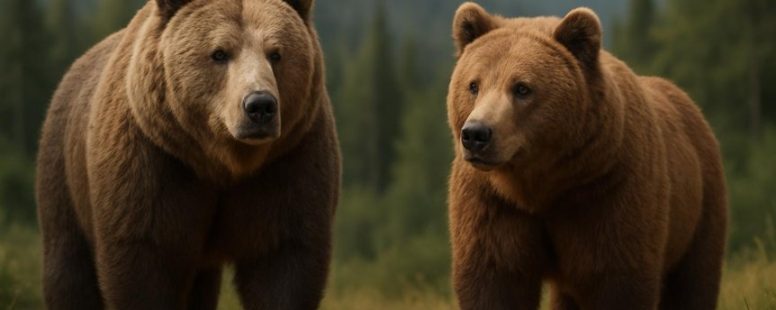
A grizzly bear is a large, powerful animal that you can spot in the wild if you know what to look for. The most obvious feature is the big hump on its shoulders, which is made of muscle and helps it carry heavy loads. Unlike other bears, grizzlies are usually bigger and more muscular. Their fur is typically brown, but it often has lighter tips, giving them a grizzled or streaked look.
Look for small, rounded ears and a broad face with a slightly concave or dish-shaped profile. These features help tell a grizzly apart from black bears or polar bears. For example, black bears tend to have flatter faces and no shoulder hump, making them easier to confuse with grizzlies if you’re not careful.
When you’re in the wild, stay alert and keep a safe distance. Remember, these animals can be dangerous if they feel threatened. Respect their space and avoid surprising them. Watching from afar allows you to enjoy their beauty while keeping safe.
Some people say the best way to spot a grizzly is to look for signs like footprints, overturned rocks, or fresh bear scat. Others prefer to spot them from a distance using binoculars or a camera with a zoom lens. Both ways can work well if you’re cautious and patient.
Keep in mind, spotting a grizzly is exciting but also risky. Always follow safety guidelines from parks or wildlife experts. Knowing what to look for can help you enjoy your wildlife adventure and help protect these amazing animals for future generations.
Physical Traits That Help Differentiate Grizzlies From Brown Bears
Grizzlies and brown bears can look very similar, but some clear differences can help you tell them apart. The most noticeable difference is their fur color. Grizzlies usually have lighter fur with a silvery or golden tint on their shoulders and back. Brown bears tend to have darker, richer brown fur all over their bodies. If you see a bear with lighter patches, it is probably a grizzly.
Another way to tell them apart is by their body shape. Grizzlies have a noticeable hump on their shoulders that sticks out, making their back look higher in the middle. Not all brown bears have this hump, or it may be less obvious. The hump is a sign of strong muscles used for digging and climbing.
You can also look at their behavior and habitat. Grizzlies are more likely to be found in open areas like mountains and plains, while brown bears prefer forests. Still, physical traits are the easiest way to identify them in the wild. Keep in mind that in some cases, especially from a distance, their differences might be hard to see. Always stay safe and keep a respectful distance from wild bears.
Where Do Grizzlies and Brown Bears Live? Habitat Differences Explained
Grizzlies and brown bears live in different types of habitats, and knowing these differences can help you tell them apart. The main fact is that grizzlies usually stay inland, while brown bears are found both inland and along coastlines.
Grizzlies mostly live in places like Alaska, western Canada, and parts of the northwestern United States. They prefer forested areas and mountains where they can find food and shelter. These bears are often seen wandering through thick woods or climbing rocky hills. They are not as common near the coast, but you might find them in remote mountain valleys.
Brown bears are more widespread. Besides the inland regions that grizzlies prefer, they also live close to the coast. In fact, coastal brown bears have access to a lot of salmon, which they rely on for food. Places like the coastal areas of Alaska and British Columbia are home to these bears. Because they live near water and fish a lot, they tend to be bigger and have thicker fur than inland grizzlies.
Habitat preservation is very important for these bears. As people build towns and farms, their natural homes shrink. This makes it harder for bears to find food and safe places to breed. Protecting forests and coastlines helps keep their populations healthy. If their habitats are lost, bears might wander into human areas more often, leading to conflicts.
Knowing where these bears live helps us understand their habits. For example, if you see a bear near the mountains, it might be a grizzly. But if you spot one near the coast with a lot of salmon, chances are it is a brown bear. Both types of bears are amazing animals, but they need our help to stay safe and thrive in their natural homes.
Size and Build: Which Bear Is Bigger?
The biggest bears are usually the grizzly bears. They are often a little larger than brown bears. Male grizzlies can weigh up to 600 pounds and stand about 8 feet tall when they stand on their back legs. Brown bears, especially those living along the coast, can be just as big but tend to be a little leaner and lighter.
This size difference matters a lot. Larger bears can be more scary and might cause more trouble for people. That is why it’s important to understand how big they are and respect their space. When we know that a bear is bigger, we can be more careful and stay safe.
Some people wonder which bear is the biggest. The answer depends on where they live and their size. For example, coastal brown bears are often bigger than inland grizzlies. But overall, grizzlies are usually a little larger.
Knowing about their size helps us protect them better. It also helps us avoid dangerous encounters. Bears are wild animals, and respecting their size and space keeps everyone safer.
Behavioral Signs That Reveal a Bear’s Species
You can usually tell what kind of bear you are seeing by how it acts. Its posture, sounds, and how it looks for food give clues. For example, a grizzly bear often stands tall and makes loud growling sounds, while a brown bear might walk more quietly and make softer noises. Playful bears might roll around or splash in water, but aggressive ones will show their teeth or stand on their hind legs to look bigger.
Knowing these signs helps you figure out if it’s a grizzly or a brown bear. Grizzlies tend to be more aggressive and stand tall when threatened, while brown bears are generally more cautious but can still be dangerous. Watching how a bear moves and sounds helps us stay safe and understand what kind of bear we are dealing with.
Playful or Aggressive Postures
A bear’s body language can tell you if it is feeling playful or aggressive. Knowing these signs helps you stay safe and understand what the bear is trying to say.
When a bear is feeling playful, its body looks relaxed. It might roll on the ground, gently swipe at the air with its paws, or do a playful bow where it lowers its front end. Usually, it has an open mouth and soft eyes that look curious, not angry. These signs show the bear is just having fun and does not want to fight.
On the other hand, an aggressive bear shows different signals. It stands stiff with fur standing up, which makes it look bigger. Its head is lowered, and its ears are pinned back. Sometimes, it might stand on its hind legs or run toward you with a loud growl. These signs warn you that the bear feels threatened or angry and is ready to defend itself.
Understanding these signs is important because it helps you decide what to do next. If the bear looks playful, it is usually safe to back away slowly. But if it shows aggressive signs, it is best to stay calm, avoid eye contact, and slowly leave the area. Remember, even a playful bear can become aggressive if it feels threatened. Always keep a safe distance and respect wild animals.
Vocalization Patterns and Sounds
Vocal sounds are a key way bears talk to each other. When you hear a bear making different sounds, it can tell you how they feel and what they might do next. Grizzlies and brown bears use different noises to communicate. For example, grizzlies often growl deep or roar loudly when they feel threatened or want to show they are boss. Brown bears, on the other hand, might make softer grunts or chirps when they are calm or just relaxing.
The sounds a bear makes can tell you if they are angry, scared, or relaxed. Loud, aggressive noises mean the bear is upset or ready to fight. Softer sounds usually mean they are not bothered or are feeling peaceful. Recognizing these sounds can help you understand what the bear might be thinking or planning.
But remember, not all bears sound the same. Some may be quiet even when they are mad, and others might make loud noises just because they are startled. Listening carefully and knowing what to expect can help you stay safe in the wild. It’s like learning a new language — the more you listen, the better you understand what the bear is saying.
Feeding and Foraging Habits
Feeding and foraging habits are key ways to tell grizzly bears apart from brown bears. Each species has unique ways of finding food that match their environment and what they like to eat.
Grizzly bears mostly dig into soil for roots, bulbs, and insects. This shows how strong their digging skills are. They also scavenge on carcasses and hunt small animals like mice or rabbits. For example, a grizzly might dig up a root or find insects hiding underground. These habits help them survive in forested and mountain areas where food can be scarce.
Brown bears, especially those near the coast like in Alaska or British Columbia, often eat fish like salmon. During spawning seasons, they wait by streams to catch fish swimming upstream. They also eat marine invertebrates like clams or crabs. Some people see brown bears fishing in rivers, almost like fishermen. But this doesn’t mean they only eat fish. They can also feed on berries, nuts, and small mammals.
Both bears play important roles in keeping their environments healthy. Knowing what they eat helps scientists protect their habitats and food sources. If their food sources disappear, the bears might struggle to survive.
Some people might think all bears eat the same foods, but these habits show how each species has adapted to their surroundings. Understanding their feeding styles can help prevent conflicts with humans and keep these animals safe. While observing their habits, you can see how each bear has special ways of getting food. This makes studying them interesting and important for their future.
What Do Grizzlies and Brown Bears Eat? Foraging Patterns Compared
Grizzlies and brown bears eat different foods, and they have different ways of finding their meals. A grizzly often eats more plants and insects, while a brown bear tends to eat more fish and meat. For example, grizzlies might dig up roots or eat berries, whereas brown bears are known for catching salmon during spawning season.
Their foraging spots also change based on the season. In spring and early summer, both bears look for fresh plants and insects. But in late summer and fall, brown bears often focus on catching fish like salmon, especially near rivers. Grizzlies might stick to roots and berries during this time.
Their food choices change with what’s available. When berries are ripe, both bears eat lots of them. When fish are running, brown bears become fish catchers. In winter, some bears hibernate, so they don’t eat at all during that time.
Some people think brown bears are better fishers, while grizzlies are more versatile eaters. Both are smart foragers, but their diets depend a lot on where they live and what food they find easiest to catch. So, while they are similar, their diets show how they adapt to their environments.
Diet Composition Differences
Grizzly bears and brown bears have different diets because they live in different areas and eat different foods. The main difference is what they prefer to eat most of the time.
Grizzly bears usually eat more roots, insects, and small animals like mice or rabbits. These foods give them the energy they need for their active days. Because they often live in inland areas with forests and mountains, these foods are easier for them to find. For example, they might dig up roots or hunt insects in the soil.
Brown bears, especially those near the coast, mainly eat fish like salmon and berries during the summer. They often stay near rivers and lakes where fish swim. During this time, they catch fish to eat and gather berries to store energy for later.
Both types of bears will eat other foods when they are available. For example, they might both eat nuts or small animals. But their main foods are different depending on where they live. Their diets also affect how they move and behave. For instance, brown bears near the coast might stay close to water, while grizzlies may roam more in the mountains.
Knowing these differences helps us understand how each bear adapts to its environment. It also shows how their food choices shape what they do every day. Some people might think all bears eat the same, but these small differences are very important.
In the end, each bear’s diet is like a puzzle piece that fits with their home and lifestyle. This helps keep their populations healthy and balanced.
Foraging Habitats Variance
Grizzly bears and brown bears have different ways of finding their food because they live in different places and eat different things.
Grizzlies are best at foraging in open areas like meadows and river valleys. They use their camouflage to blend into tall grasses and shrubs. This helps them get close to prey or find food like carcasses without being seen. For example, a grizzly might hide behind a bush while sneaking up on a fish in a river. Their open habitat gives them plenty of space to spot food from far away.
Brown bears mostly stay in dense forests and along coastlines. They are good at smelling food from far away, which helps them find salmon swimming upstream or roots buried underground. Their thick surroundings also help them hide while they search for food. Imagine a brown bear quietly walking through the trees, nose to the ground, looking for a fish or roots.
These habitat differences affect what they eat and how they find food. Grizzlies tend to hunt or scavenge in open spaces, while brown bears rely more on their nose and stay hidden in thick forests. Each bear species has adapted their foraging habits to do well in their own environment. Some people might think brown bears are better at finding food because of their sense of smell, but grizzlies can be faster and more sneaky in open areas. Both are good at what they do, depending on where they live.
Seasonal Food Preferences
Seasonal food preferences in bears change a lot depending on the time of year. These animals change what they eat to fit their needs and what food is available.
In spring and early summer, bears mainly eat high-protein foods. They catch fish like salmon and hunt small animals. These foods help them grow and prepare for the busy months ahead. For example, salmon swimming upstream is a favorite snack for many bears in Alaska during this time.
As summer goes on, bears switch to eating more fruits and plants. They eat berries, nuts, and roots. These foods give them energy and help them build fat to survive the colder months. Do you know how bears can find berries hidden under bushes or dig up roots? It’s like going on a treasure hunt!
In fall, bears eat even more to store energy for winter. They eat lots of fish and berries to gain weight. This is called building fat reserves. It’s like filling up a savings account for winter’s long sleep.
During winter, bears go into hibernation. They sleep most of the time and eat very little. Their body slows down to save energy until spring comes again. Some bears, like polar bears, stay active in colder places, but most brown and grizzly bears sleep through the cold months.
Understanding these food habits shows us how bears adapt to their environment. They change what they eat to match what’s available and their needs. Whether it’s catching fish or digging for roots, bears have many ways to survive through the seasons.
Common Myths About Grizzly and Brown Bears Debunked
Many people think that grizzly bears and brown bears are different animals, but they are not. These terms usually refer to the same bear, depending on where they live. For example, in Alaska and Western Canada, people often call them grizzlies, while in other parts of North America, they are called brown bears. This myth can cause confusion because some believe they are totally separate species.
Some also believe that grizzlies only live in remote forests far away from people. But this is not true. You can find them in many different places, from mountains and forests to coastal areas. For example, grizzlies in Alaska often live near fishing spots where they catch salmon. Knowing this helps us understand that these bears are more adaptable than many think.
The differences between grizzlies and brown bears are small. They are mostly about size and what they eat. Grizzlies tend to be a little smaller and prefer plants and insects, while brown bears might eat more fish and meat. But physically, they are very similar. Recognizing that these names are often interchangeable can make it easier to learn about the bears and avoid wrong ideas about their behavior and where they live.
Understanding these facts can help us stay safe and be respectful to these powerful animals. Knowing that the same bear might be called a grizzly or a brown bear depending on the place helps us see them as one species, not two. This clearer view can prevent fear and encourage people to appreciate these amazing creatures more.
Tips for Safely Identifying and Observing Bears in the Wild
When you see a bear in the wild, knowing how to identify it safely is very important. Here are some simple tips to help you recognize bears and stay safe. Remember, always keep a safe distance and use binoculars if you want a better look.
First, look at the size of the bear. Grizzly bears are usually bigger and bulkier with a noticeable bump on their shoulders. Black bears are smaller and more slender. Comparing their size can help you figure out which bear you’re looking at.
Second, watch how the bear moves. Bears often stand on their hind legs to get a better view of their surroundings. If you see a bear doing this, it might be trying to look around or check for danger. But don’t get too close to see more, as this can be dangerous.
Third, notice the color. Bears can be different shades. Some are black, some brown, and others have a blonde or cinnamon color. Keep in mind, color alone isn’t enough to tell the species apart because there is some overlap.
Lastly, if you see a bear, stay calm. Do not run or make loud noises. Sudden movements can make a bear feel threatened and increase the risk of attack. Instead, slowly back away and give the bear space.
Some people think it’s okay to get closer for a better look, but this is risky. Bears are wild animals and can be unpredictable. Always watch from far away and respect their space.
To provide the best experiences, we use technologies like cookies to store and/or access device information. Consenting to these technologies will allow us to process data such as browsing behaviour or unique IDs on this site. Not consenting or withdrawing consent, may adversely affect certain features and functions.
Functional
Always active
The technical storage or access is strictly necessary for the legitimate purpose of enabling the use of a specific service explicitly requested by the subscriber or user, or for the sole purpose of carrying out the transmission of a communication over an electronic communications network.
Preferences
The technical storage or access is necessary for the legitimate purpose of storing preferences that are not requested by the subscriber or user.
Statistics
The technical storage or access that is used exclusively for statistical purposes.The technical storage or access that is used exclusively for anonymous statistical purposes. Without a subpoena, voluntary compliance on the part of your Internet Service Provider, or additional records from a third party, information stored or retrieved for this purpose alone cannot usually be used to identify you.
Marketing
The technical storage or access is required to create user profiles to send advertising, or to track the user on a website or across several websites for similar marketing purposes.