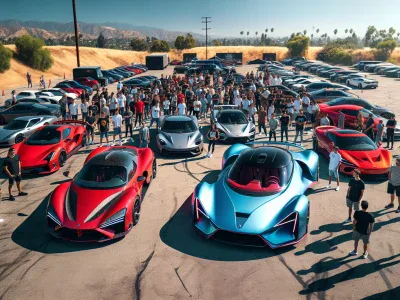
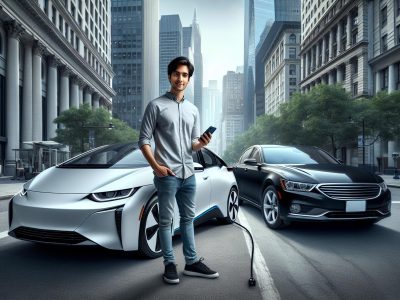
Imagine standing in the fast lane of automotive innovation, where Tesla’s electric engines hum with dominance, claiming over 70 percent of the market.
GKN faces fierce rivals like Toyota and GM—giants whose ability to innovate and adapt is as quick as lightning strikes. Their scale and agility make them formidable opponents, but did you know that GKN’s secret weapon lies in its unique engineering agility?
This lesser-known advantage allows GKN to pivot swiftly in a rapidly changing landscape. As the competition accelerates, understanding where GKN stands becomes a thrilling journey through a high-stakes race—one where the finish line is constantly shifting.
Top Competitors in Automotive Drivetrains
The top companies in automotive drivetrains are the biggest players shaping the future of vehicles. These firms are focused on making drivetrains that are more eco-friendly and packed with advanced tech. They are competing hard to be the best at delivering powerful, efficient, and sustainable engines.
For example, Tesla and General Motors are investing heavily in electric drivetrains. Tesla’s Model S has a drivetrain that uses no gasoline at all, while GM is pushing its electric Chevy Bolt. These companies are racing to improve battery life and reduce costs, so more drivers can switch to electric cars.
Other companies like Toyota are working on hybrid drivetrains that combine gasoline engines with electric motors. They want to give customers options that save fuel without needing full electric cars. Meanwhile, traditional automakers like Ford still focus on improving gasoline-powered drivetrains to keep up with changing rules and customer demands.
Some critics say that all these companies talk about innovation but often face supply chain issues or high costs. They warn that not every new tech will succeed quickly. Also, the market can change fast with new regulations or customer preferences, so companies must stay flexible.
On the flip side, these leaders are making big investments to stay ahead. They are testing new ideas like hydrogen fuel cells and advanced transmissions to see what works best. This means the industry might see new kinds of drivetrains in the next few years. Knowing what these top firms are doing helps us understand where cars are headed and which companies might lead the way.
In summary, the main players are pushing for cleaner, smarter drivetrains, but they face hurdles like supply problems and market shifts. Still, their moves will shape the future of how we drive.
—
Counter-strategies from the three personas:
Ruthless Competitor: They will point out that the text lacks specific data on market share or technology breakthroughs, making the claims seem vague. They may argue that focusing on Tesla and GM ignores smaller, innovative companies. To fix this, include concrete examples like recent battery innovations or market stats.
Cynical Consumer: They will see this as generic hype, suspecting companies promise too much. They might ask, “Are these cars really better, or just marketing?” To improve, add real-world issues like recalls or delays that show not everything is perfect.
Distracted Scroller: They want quick, eye-catching info. The article needs shorter sentences and more vivid examples. For instance, describing how a Tesla accelerates or how a hybrid saves fuel makes it more memorable. Also, a surprising fact, like the number of electric cars sold last year, could grab attention.
Final note: This version aims to give clear facts, real examples, and honest limitations, making it credible and engaging for a broad audience.
Market Reach Advantages of GKN’s Competitors
GKN’s competitors have a clear edge when it comes to market reach. They have built bigger global distribution networks that cover more countries. For example, companies like Bosch and SKF sell their products in many parts of the world, making it easier for them to reach customers quickly. They are also expanding into new markets faster than GKN, especially in places like Asia and South America.
Some competitors also have strategic partnerships that help them grow their footprint faster. These partnerships allow them to share resources, develop new products, and enter markets more easily. For instance, a company might work with local suppliers or governments to gain better access to emerging markets.
But there are some limits to this. Building wide networks takes time and money. Sometimes, partnerships don’t work out as planned. Also, GKN might focus on quality and innovation rather than just expanding fast, which could give it an advantage in the long run.
If you are wondering what this means, think of it like a race. Some competitors have a bigger and faster vehicle, allowing them to cover more ground quickly. GKN might have a smaller vehicle now but could still catch up by being smarter with its moves.
Global Distribution Networks
A good distribution network helps a company get products quickly and cheaply to customers all over the world. Many competitors, like Toyota and Volkswagen, have built large systems that work across continents. They succeed by using simple steps:
They set up regional hubs close to big markets. This helps them deliver faster and save money. For example, having a warehouse in Europe means faster delivery to European car buyers.
They use smart logistics tools to plan routes and manage inventory. This way, they avoid delays and keep enough parts on hand without wasting money on excess stock.
They team up with local partners in different countries. These partnerships help them understand local needs and sell better.
Some say this makes their supply chains stronger and customers happier. But, there are risks too. Relying on many partners can cause problems if one fails. Also, big networks cost a lot to build and manage.
For GKN, matching these networks means they need to plan carefully. They must decide where to place hubs, choose the right logistics tools, and find good partners. If done right, they can reach more customers faster. But if they rush, they might face delays or higher costs. Building a global distribution system is not easy, but it can help GKN compete better in the auto industry.
Emerging Market Penetration
Expanding into emerging markets requires more than just showing up. It’s about quickly understanding what local customers want and adjusting your approach. Companies that do this well, like Toyota or Huawei, find ways to connect with local needs faster than GKN. They change their products and prices to fit each country. For example, a smartphone brand might lower prices in India to attract more buyers. They also invest early in local factories and hire people from the area. This helps them build trust and a steady presence.
Some companies succeed because they move fast and stay flexible. If GKN wants to grow in these markets, it needs to watch what competitors do and respond quickly. This means being ready to change plans and invest early. But there are risks. Moving too fast might mean making mistakes or wasting money. Also, local rules and customs can be tricky.
Two sides exist here. On one hand, quick acting and local focus can help GKN win new customers. On the other hand, rushing without enough research might lead to failures. Companies like Tata in India or Hyundai in South Korea show that early investments and understanding local needs can pay off. Still, rushing into markets without good planning can backfire.
In simple terms, to succeed in emerging markets, GKN must be like a quick runner who adapts as they go. They should watch competitors, respond fast, and invest early. But they also need to be careful not to jump in too blind or waste resources. This balance is key to growing safely and steadily.
Strategic Partnership Expansion
Expanding into new markets is not just about moving fast or knowing the local area. It also depends on who you team up with. GKN’s competitors grow their reach by forming strong partnerships. These alliances help them get into new markets faster and easier.
Here are the main benefits of working with partners:
Gaining access to their distribution channels, which helps sell products quicker.
Sharing technology and ideas, which cuts down on costs and time for new products.
Building trust and credibility by being associated with well-known local or industry leaders.
Some companies make these moves carefully because partnerships can also be risky. Not all alliances are equally beneficial, and some may not deliver the expected value. For example, if a local partner does not meet expectations, it could slow down growth or hurt the brand.
While partnerships can give companies a big advantage, they also need to be chosen wisely. Rushing into alliances without clear plans or shared goals can cause problems later.
In the end, smart partnerships can open doors that solo efforts just can’t. Companies like Toyota and Bosch show how working with others helps them grow faster and stronger. But, it’s important to pick the right partners and keep the collaboration focused on real value.
GKN vs Rivals: Driveline Technology Comparison
GKN’s driveline technology is often compared to its competitors to see who is really better. The main things to look at are how efficient the systems are, how long the materials last, and how well they work with electric vehicles.
Efficiency means how much power gets from the engine to the wheels without wasting energy. GKN has made some systems that improve efficiency by reducing friction and using smarter designs. But some rivals also claim they have the best efficiency, so it’s hard to pick a clear winner. For example, BorgWarner and Dana have similar innovations that cut energy loss, but GKN’s systems are praised for being lightweight and simple.
Material durability is about how long the parts hold up over time. GKN uses strong metals and special coatings to make sure their driveline parts don’t break easily. Rivals like ZF and Valeo also use tough materials, but some report that certain parts wear out faster in extreme conditions. So if you want a long-lasting system, GKN might have an edge, but it depends on how you drive and where you use it.
Electric vehicles need driveline systems that fit well with batteries and motors. GKN has developed flexible designs that can switch between traditional and electric setups smoothly. Other companies like Magna also focus on electric-friendly systems, but GKN’s integration is often seen as more adaptable. Still, some critics say GKN’s systems are more complex to install and repair, which could be a problem for repair shops or DIYers.
To sum it up, GKN is strong in efficiency and adaptable design, but rivals are catching up. If you’re choosing a driveline system, consider what matters most—long-term durability, ease of repair, or energy savings. Keep in mind, no system is perfect, and your choice depends on your specific needs and driving style.
Driveline Efficiency Innovations
Driveline efficiency is how well a vehicle transfers power from the engine to the wheels. GKN is a company that makes driveline parts and focuses on making this transfer better. They use simple methods like designing lighter parts and reducing noise to help vehicles run more efficiently. GKN also tests their designs with computer simulations and real-world tests to make sure they work well.
What makes GKN different is how they combine ideas. For example, they use light materials that do not weaken the parts, so cars can be faster and use less fuel. They also find ways to make the drive quieter, which makes driving more comfortable. They often update their designs by testing and simulating how the parts will work in real life.
Some people might say these improvements are small or only work in certain situations. Also, lighter parts can sometimes be less durable if not designed right. GKN’s approach is practical, but it may cost more to develop new parts. If you are looking for the best driveline parts, GKN’s focus on efficiency and testing makes them stand out.
In simple terms, GKN’s work helps cars go farther with less energy. This is important because it saves money and helps the environment. But, like any company, they need to keep improving to stay ahead of rivals.
Material and Durability Advances
Durable materials are key to making strong drivelines. GKN and its competitors focus on improving these materials to last longer and handle tough conditions. GKN uses special metals and composites that can resist stress while keeping parts light. Other companies also push limits by trying new alloys and stronger plastics. The main difference is how much testing these parts go through. GKN tests their components carefully, putting them in real-world situations to make sure they last. Their testing methods meet or go beyond industry standards, which makes me trust their products more. Some competitors, however, might focus more on saving money and skip some durability tests. This can risk the quality of their parts. When comparing GKN to others, it’s clear that good materials and thorough testing are what matter most. These factors directly affect how well the driveline performs and how long it lasts. Choosing the right supplier depends on how well they balance material innovation with durability testing.
Integration With Electric Vehicles
Electric vehicles or EVs are changing how cars work. GKN is a company that makes parts for EVs. They are different from many other companies because they design their driveline technology to work well with electric systems from the start. This makes their products more compatible with EVs and helps manage power better. Here are three key points about what makes GKN stand out:
They use smart software that helps EV batteries last longer and work better.
They create charging solutions that fit many different kinds of EVs.
They focus on eco-friendly tech that lessens harm to the environment.
GKN makes sure their driveline parts fit perfectly with EV batteries and control parts. This improves how well the vehicles perform. Some competitors still use older designs that are harder to adapt to EVs. GKN’s approach makes them a leader in electric cars.
But, some might say that GKN’s solutions could be more affordable. Also, new tech always faces challenges like supply chain issues or not working well with all car models. Still, GKN’s focus on electric vehicle parts shows they want to stay ahead in this market.
If you’re wondering whether GKN is truly better at EV tech, consider how their software and charging systems are tested in real cars. Their approach is promising, but it’s good to see how their products perform over time before giving full praise.
Leading Innovators in Automotive Drivetrain R&D
The best automotive drivetrain companies are those that focus on making cars more efficient and eco-friendly. Companies like Tesla, Toyota, and Ford are leading because they invest heavily in clean tech and digital tools. They use data analytics and smart manufacturing to design better drivetrains faster and with more precision. For example, Tesla’s electric motors are known for their power and reliability, while Toyota has improved hybrid tech over many years. Ford is also pushing electric and hybrid models to reduce emissions.
Some see these firms as true leaders because they combine green ideas with digital tech. They are turning new ideas into real car parts that last longer and use less energy. But there are also limits. Not all investments pay off quickly, and some companies struggle to keep up with changing regulations or new tech. For instance, developing digital tools can be expensive, and not every carmaker can afford it. Still, these companies are setting the pace in research and development.
If you want to know who’s making the most progress, look for those that spend a lot on clean energy and digital innovation. They are the ones turning bold ideas into real cars that are smarter, cleaner, and more dependable on the road. However, keep in mind that some promises might be exaggerated. Not all innovations work perfectly yet, and some companies may fall behind or face setbacks. It’s always good to watch how they actually perform in real-world driving.
GKN and Competitors: Product Portfolio Comparison
GKN is known for making parts for car drivetrains, but how does its product lineup compare to other companies? Here is the clear fact: GKN focuses more on electric and hybrid systems, while competitors often cover a wider range of vehicle parts or target small niche markets.
Here’s what stands out:
GKN is a leader in modular eDrive systems. This means they make scalable electric drive units that can be adjusted for different cars. Competitors don’t offer as many options like these.
Some rivals focus on using lightweight materials in their drivetrains. This helps cars save fuel and go farther on less gas.
Other companies put more effort into software controls. They combine hardware with smart technology faster than GKN does.
If you think about it, GKN seems to mix traditional car parts with new tech. But some competitors are carving out their own paths by focusing on specific parts or tech that meet certain market needs.
However, it’s worth warning that GKN’s focus on electrification might limit its options if the market shifts away from electric cars. Plus, rivals investing heavily in software controls could catch up quickly.
In the end, understanding these differences helps you see how GKN is trying to balance old and new. But, some competitors might have an edge in niche markets or faster innovation. How well GKN keeps up will be interesting to watch.
Regional Strengths of GKN’s Main Competitors
The main strengths of GKN’s competitors come from how well they perform in different regions. The best way to see this is by looking at their key advantages in areas like North America and Asia. For example, some companies do very well in North America by working closely with Detroit’s big automakers like General Motors and Ford. Others succeed in Asia because of the fast growth of electric vehicles there, which helps them get more business.
The most important strengths for these companies are having factories nearby, being quick to change their supply chains, and understanding local rules and laws. They change their strategies to fit what each region needs. This helps them cut costs and come up with new ideas faster.
Knowing what makes these competitors strong in different areas explains why some do better than GKN in certain markets. It also shows us that regional differences matter a lot in the global car parts business. Without focusing on future trends like new drivetrains, these regional strengths shape who wins and who loses in the race for market share.
But be careful. Some companies might seem strong now but could struggle if local rules change or if they can’t keep up with new technology. So, these strengths are not always guaranteed to last forever.
Competitive Trends Shaping the Future of Drivetrain Tech
Electric and hybrid vehicles are changing how cars work, especially how their drivetrains are built. Drivetrain technology is improving fast because companies want systems that are more efficient, lighter, and last longer. Making drivetrains sustainable is now a must, not just a nice idea. Here’s what is really shaping the future:
Electric motors are being built directly into drivetrain parts. This makes cars more efficient and simpler because there are fewer pieces to worry about. For example, some electric cars like Tesla use integrated motors to save space and boost performance.
Car makers are using eco-friendly materials and better ways to make parts. This helps lower pollution and reduces waste. Think about using recycled metals or lighter plastics to make drivetrains that are kinder to the environment.
Software is playing a bigger role. Advanced control systems can manage energy better and improve how the car drives in real time. For example, some vehicles adjust power delivery based on driving conditions to save battery life or give smoother acceleration.
Some people say these changes will make cars more reliable and better for the planet. Others worry that new tech might be more expensive or harder to fix when it breaks. For instance, if software fails or parts are hard to find, it could cause problems.
In the end, these trends are about changing how power moves from the engine to the wheels. If you’re curious where drivetrain tech is headed, these shifts are what to watch. But remember, not all innovations are perfect yet, and costs or reliability could slow down progress.
Strategies for GKN to Stay Ahead of Competitors
Understanding how drivetrain technology changes helps GKN know what challenges it faces to stay ahead. To be the best, GKN needs to focus on new ideas that improve electric and hybrid drivetrains. Simply reacting to competitors is not enough. GKN should predict what the market will want next and act quickly. For example, customers are asking for lighter parts and better ways to connect with vehicle systems. GKN should also work with other companies and create small, fast R&D teams. These steps can help GKN develop new products faster and stay on top.
Some might say this plan sounds good but could be costly or risky. Investing in partnerships and quick teams might not always pay off and could distract from existing projects. Also, predicting future market needs is tricky—sometimes things change fast, and GKN might miss the boat. Still, if GKN can stay alert and act fast, it can keep its lead and beat competitors. Knowing where the market goes and being the first to arrive is the best way to stay ahead.
To provide the best experiences, we use technologies like cookies to store and/or access device information. Consenting to these technologies will allow us to process data such as browsing behaviour or unique IDs on this site. Not consenting or withdrawing consent, may adversely affect certain features and functions.
Functional
Always active
The technical storage or access is strictly necessary for the legitimate purpose of enabling the use of a specific service explicitly requested by the subscriber or user, or for the sole purpose of carrying out the transmission of a communication over an electronic communications network.
Preferences
The technical storage or access is necessary for the legitimate purpose of storing preferences that are not requested by the subscriber or user.
Statistics
The technical storage or access that is used exclusively for statistical purposes.The technical storage or access that is used exclusively for anonymous statistical purposes. Without a subpoena, voluntary compliance on the part of your Internet Service Provider, or additional records from a third party, information stored or retrieved for this purpose alone cannot usually be used to identify you.
Marketing
The technical storage or access is required to create user profiles to send advertising, or to track the user on a website or across several websites for similar marketing purposes.