You can pick either a Ficus Audrey or a Rubber Plant and still get a bold, architectural indoor tree, but they behave differently. Which one fits your light, space, and patience? This comparison cuts to the facts: look, care needs, common problems, and how each plant responds when you prune, propagate, or forget to water. Expect clear, usable differences and real tips you can try the next time you shop at your local nursery or scroll The Sill or Monrovia listings.
At-A-Glance Comparison
Fact: Ficus Audrey and Rubber Plant give similar sculptural silhouettes but differ in leaf texture, growth speed, and tolerance to low light.
Quick Visual And Size Differences
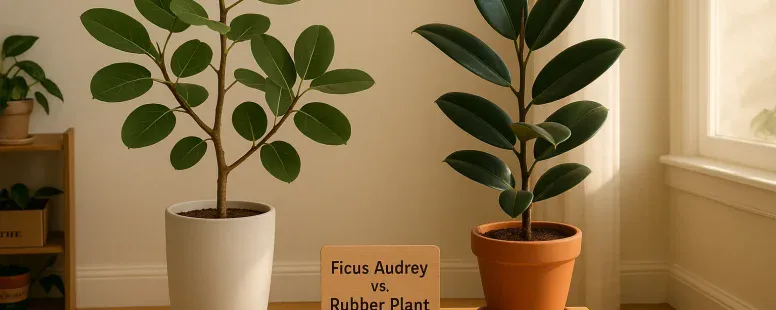
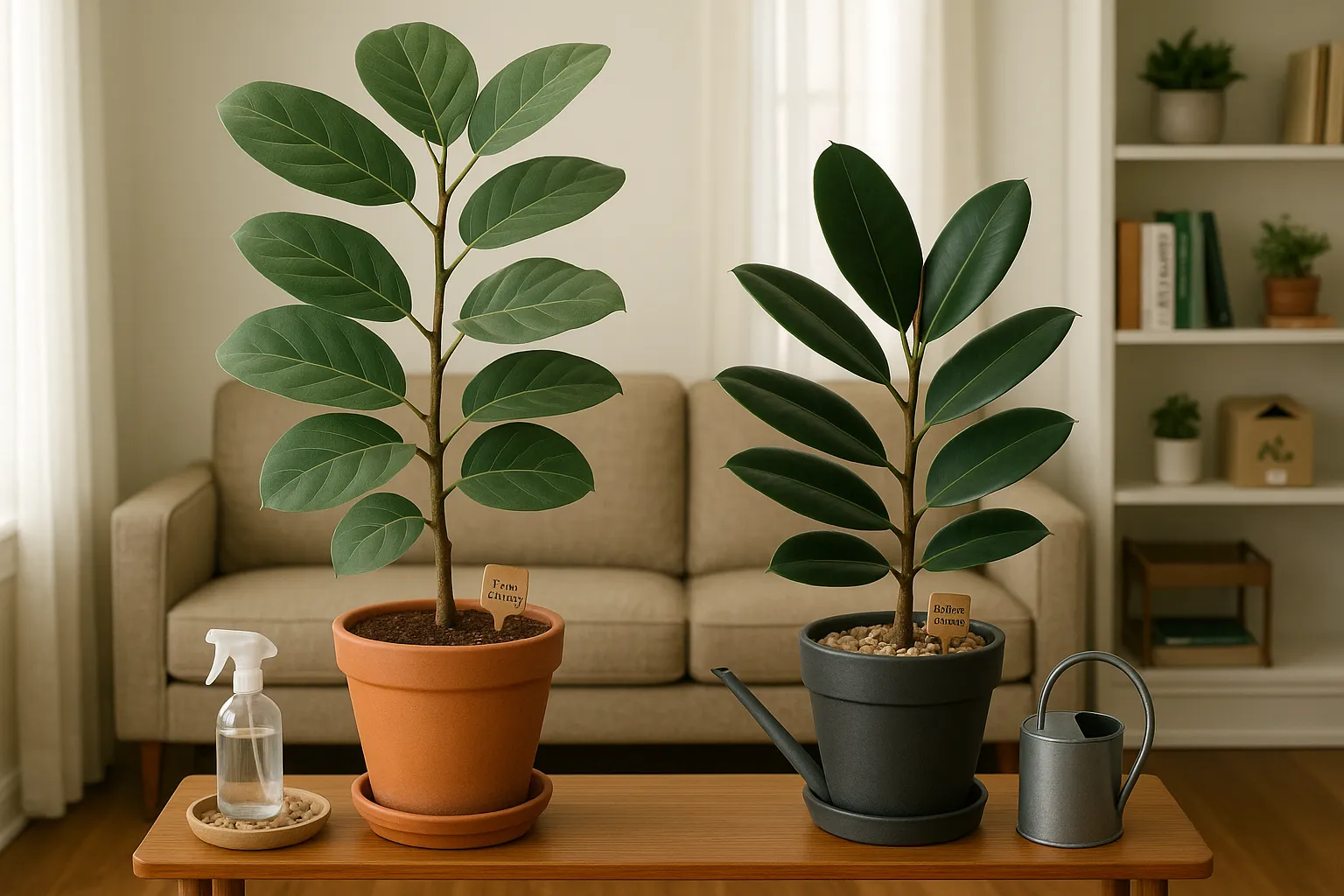
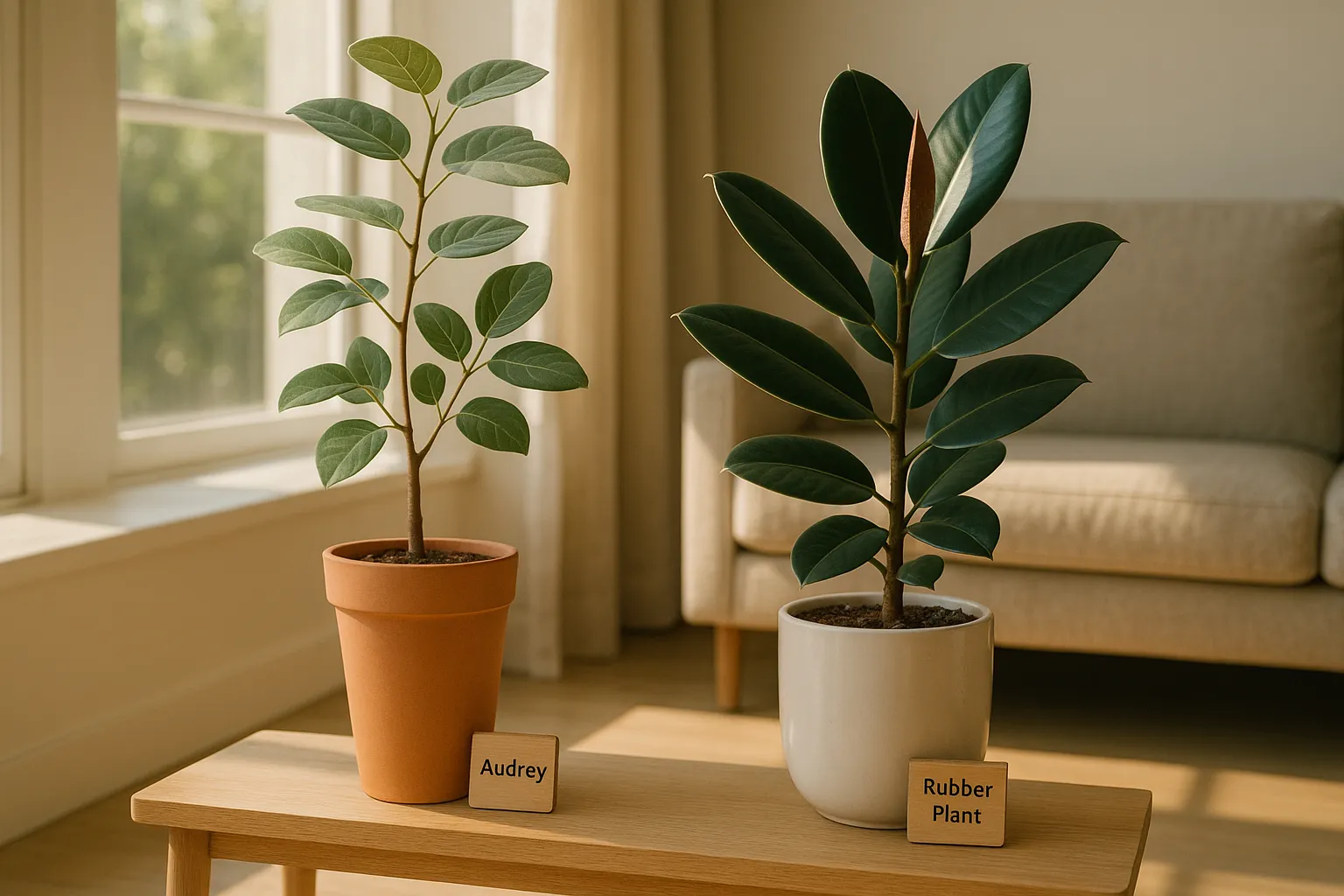
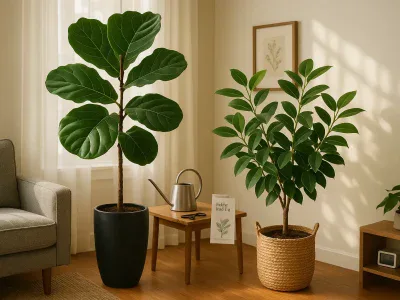
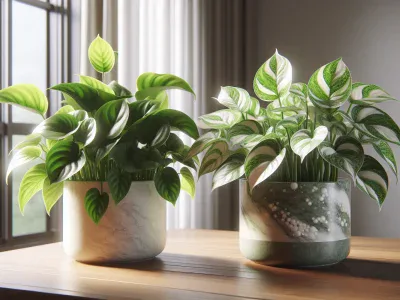
Ficus Audrey (Ficus benghalensis varieties) shows broader, velvety leaves with a matte finish. The leaves sit on airy branches and can reach 6–10 inches across on mature specimens. Ficus elastica (Rubber Plant) often has thicker, glossier leaves that look waxy and reflect light. Rubber leaves commonly measure 4–8 inches. Both can become room-filling trees: Audrey can grow tall and narrow: Rubber Plant grows more upright and dense. In SVO terms: you see Audrey as soft and open: you see Rubber Plant as glossy and bold.
Basic Care Needs Side-By-Side
Fact: Both plants prefer bright, indirect light but differ in drought tolerance.
Light: Both prefer bright, filtered light. Rubber Plant tolerates lower light better than Audrey but will slow leaf production.
Water: You water Audrey more consistently: it dislikes long dry spells. Rubber Plant tolerates occasional drying between waterings.
Humidity: Audrey benefits from higher humidity: rubber plants cope with average home humidity.
Temperature: Both prefer 60–85°F and dislike cold drafts.
Typical Price And Availability
Fact: Rubber Plant is generally cheaper and easier to find at big-box stores and online retailers.
Ficus elastica (Rubber Plant) appears widely at garden centers and online sellers like The Sill and Bloomscape. Ficus Audrey varieties show up less frequently and often carry a higher price for larger specimens. You can expect starter plants (4–6″) of each from $15–40: larger trees (3–6′) range from $60 to several hundred dollars depending on cultivar and nursery provenance. If you want variegated forms (Rubber Plant ‘Tineke’ or Audrey cultivars), budget more and shop specialty sellers.
Detailed Plant Profiles
Fact: These plants come from different species with distinct leaf anatomy and growth habits.
Ficus Audrey (Ficus Benghalensis Varieties), Appearance And Growth
Ficus Audrey traces to Ficus benghalensis, the banyan species native to South Asia. You notice soft, matte leaves that have a fuzzy texture under light. The plant makes thin, branching stems and a graceful canopy. Growth rate: moderate to fast in ideal bright conditions. Ficus Audrey often produces new leaves on terminal buds, creating spaced-out branching that reads almost sculptural in a tall pot. Named entities: Ficus benghalensis, banyan, The Sill (retailer) often list cultivars and care notes.
You should expect fewer glossy leaves and more open architecture. That matters for styling: Audrey gives you negative space and lightness in a room where you don’t want a dense green wall.
Rubber Plant (Ficus Elastica), Appearance And Growth
Ficus elastica comes from Southeast Asia and shows leathery, glossy leaves with a thick cuticle. You will see new growth push out folded and often with a coppery sheath that peels away. Growth rate: fast to vigorous under bright light and steady moisture. Ficus elastica ‘Robusta’, ‘Decora’, and ‘Tineke’ are common cultivars sold by nurseries like Monrovia and Home Depot.
Rubber Plant produces a more compact, columnar crown. You can train it into a single trunk or a multi-stem specimen. It responds well to pruning and will throw lateral shoots below cuts, so you can manage height and density.
Light, Water, Soil, And Climate Preferences (Per Plant)
Fact: Light and water are the primary drivers of leaf health for both plants.
Light Requirements: Bright Versus Low Light Tolerance
Ficus Audrey needs bright, indirect light to make large healthy leaves. In low light, Audrey will drop lower leaves and slow leaf expansion. Rubber Plant tolerates medium light better and will survive in lower, indirect light, but growth and leaf color suffer. If you have east or bright north windows, both will thrive. South windows with intense sun may scorch Audrey: give Rubber Plant filtered sun.
Watering And Humidity: Frequency And Signs Of Stress
You water Ficus Audrey more regularly than Rubber Plant. A weekly soak that drains is common for Audrey in average indoor pots: moisture sensors help. Signs of underwatering in Audrey: flaccid leaves, leaf curl, and slowed growth. Signs of overwatering: yellowing leaves, soft stems, and root rot.
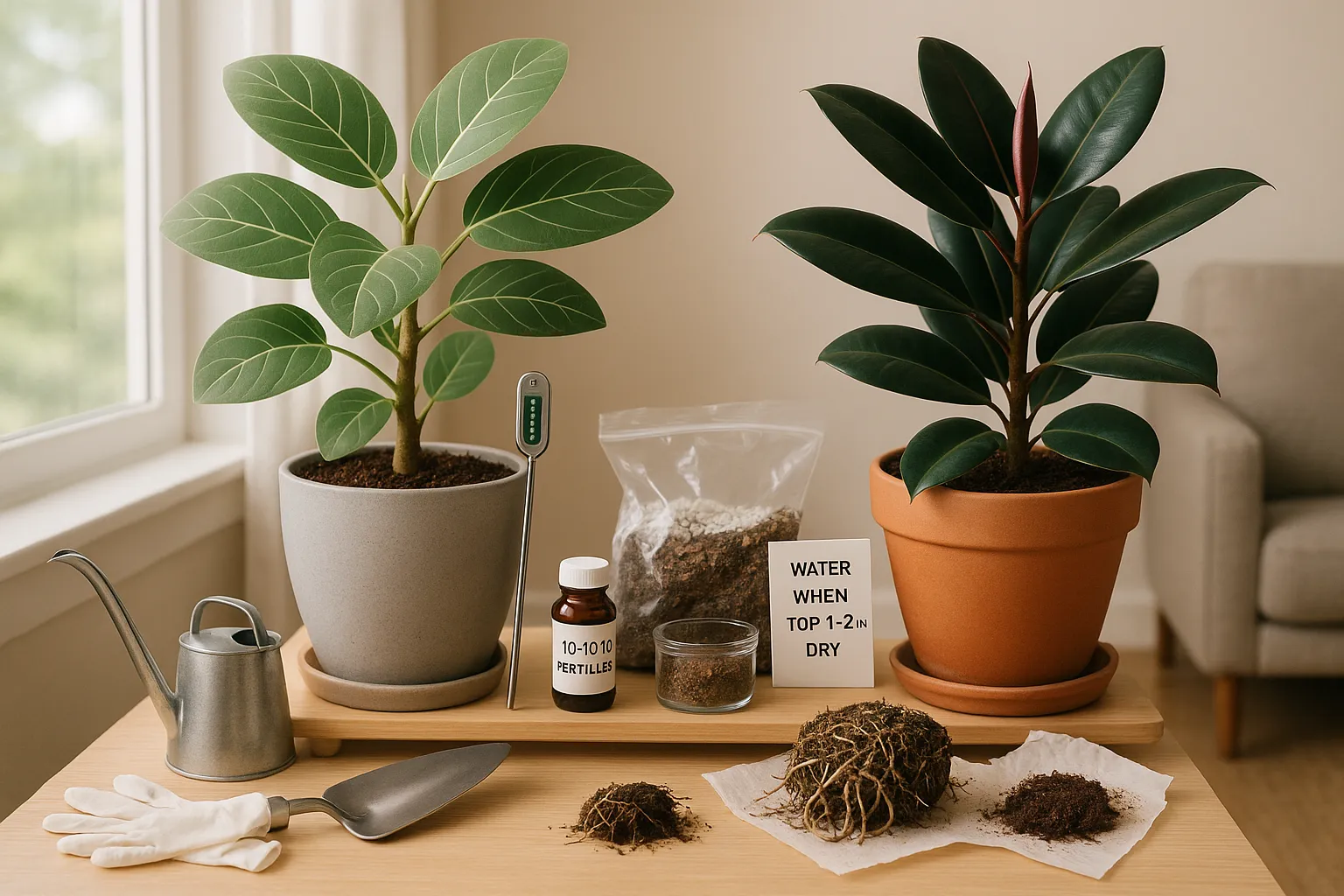
Rubber Plant wants moderate watering. Let the top 1–2 inches of soil dry before watering. Signs of stress: brown leaf tips often mean dry air or inconsistent watering: yellow lower leaves often mean overwatering.
Soil, Fertilizer, And Repotting Best Practices
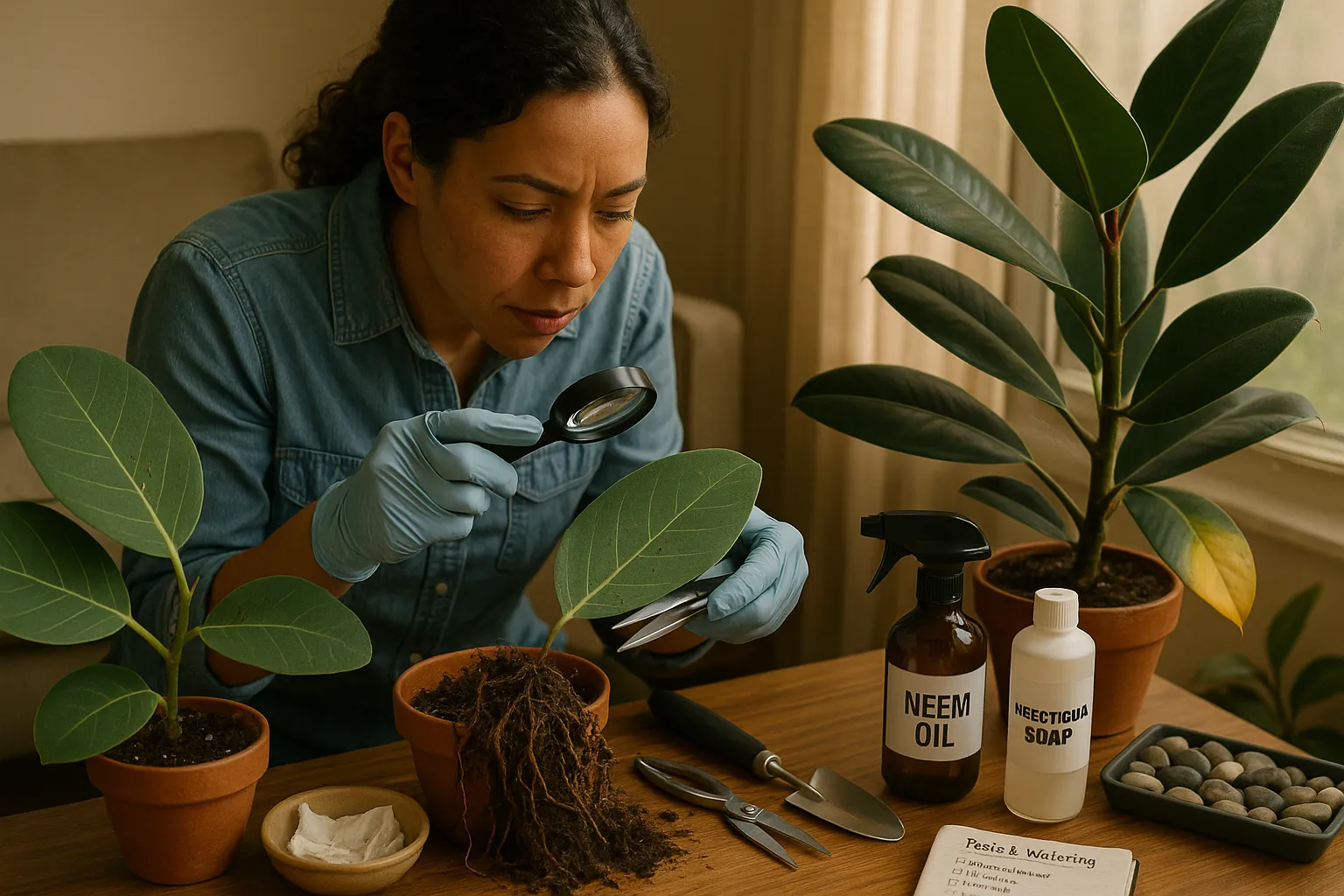
Use a fast-draining potting mix for both plants. A blend of peat or coco coir, perlite, and pine bark gives structure and airflow. Fertilize spring through summer with a balanced houseplant fertilizer (e.g., 10-10-10 or 20-20-20) at half label strength every 4–6 weeks. Repot when roots circle the pot or growth slows, usually every 2–3 years for young plants and 3–5 for larger specimens. When repotting, you inspect roots: white and firm roots are healthy: dark, mushy roots indicate rot and need trimming.
Propagation, Training, And Size Control
Fact: Both plants propagate from stem material, but methods differ in success rate and speed.
How To Propagate Ficus Audrey (Cuttings And Air Layering)
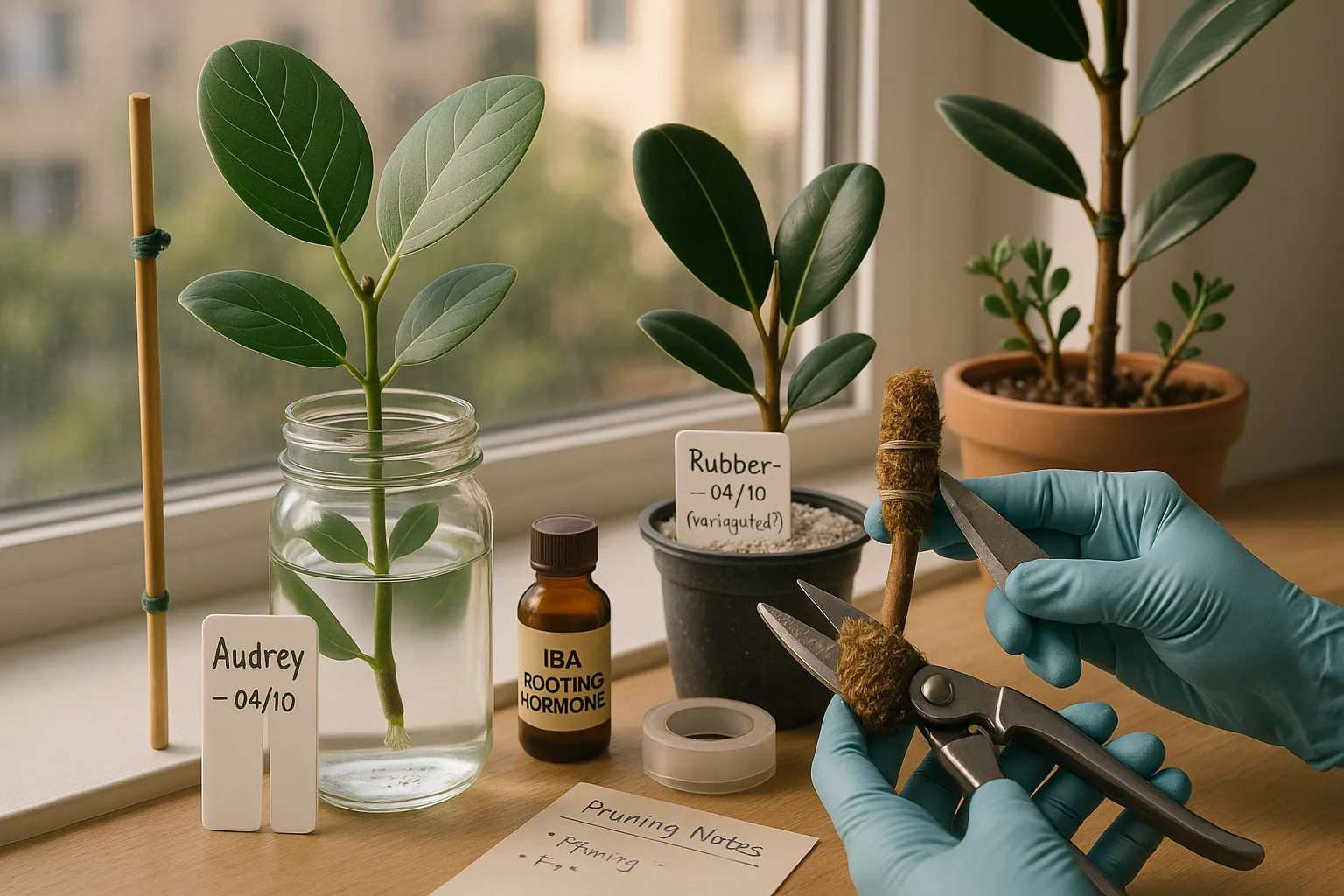
You propagate Audrey via stem cuttings or air layering. For cuttings: take 4–6″ semi-hardwood stems with 2–3 nodes, remove lower leaves, dip in rooting hormone (IBA), and place in a moist mix of perlite and peat or in water. Keep warm and bright: expect roots in 3–6 weeks. For air layering: wound a 1″ ring of bark, apply rooting hormone to the exposed cambium, wrap with moist sphagnum and plastic, then await roots (often 4–12 weeks). After roots appear, you cut below the new root ball and pot up. You should label your cuttings with date and mother plant name.
How To Propagate Rubber Plant (Stem Cuttings And Division)
You propagate Rubber Plant easily from stem cuttings. Take 6–8″ tips, strip lower leaves, apply rooting hormone, and insert into a moist, well-draining medium or water. Many growers report roots within 2–4 weeks with bottom heat. Some variegated forms root slower and may revert if not propagated carefully. Division is rare because most specimens are single trunk: only multi-stemmed clumps can be divided at repotting.
Pruning, Staking, And Encouraging Compact Growth
Prune to control height and encourage branching. For Audrey, prune above a node to stimulate two new shoots: do heavier pruning in spring. For Rubber Plant, cutting the main leader encourages lateral shoots and fuller form. Use a clean, sharp shear and seal large cuts with pruning paste if you’re worried about sap. Stake tall young plants to prevent lean: you can graft or train stems onto cane supports. If you want compact growth, pinch new tips regularly and reduce fertilizer late season. Note: both plants ooze a milky latex when cut, protect skin and surfaces.
Common Problems And How To Diagnose Them
Fact: Pests and water issues cause the majority of problems for both species.
Pests And Diseases Common To Both Plants
Scale, mealybugs, spider mites, and root rot show up most often. Scale appear as brown, oval bumps on stems and leaf undersides. Mealybugs look like cottony patches. Spider mites leave fine webbing and stippling on leaves. Treat pests with insecticidal soap, neem oil, or targeted systemic insecticide for severe cases. For root rot, stop watering, remove the plant, trim rotted roots, and repot in fresh mix.
Yellowing, Leaf Drop, And Brown Leaf Tips, Causes And Fixes
Start with a fact: leaf color and drop reflect water, light, and nutrients.
Yellowing: Overwatering commonly causes diffuse yellow leaves and soft stems. Fix by letting soil dry, improving drainage, and inspecting roots.
Leaf drop: Sudden leaf drop often follows a change in light, temperature, or location. Move the plant gradually and keep conditions stable.
Brown tips: Low humidity or salt buildup from fertilizer causes tip burn. Flush the soil occasionally and increase humidity with a pebble tray or humidifier.
Root Issues And When To Repot Or Treat
Fact: Root health determines long-term survival. If roots are congested or rotten, repot.
Check roots when you repot or when symptoms persist even though care changes. If roots are brown and mushy, cut back to firm tissue and repot in fresh, airy medium. If roots circle densely, tease them out and increase pot size by one or two inches. Severe root loss may require propagation of healthy cuttings rather than saving the old rootball. Don’t ignore slight odor, it points to anaerobic rot.
Choosing The Right Plant For Your Home
Fact: Pick Rubber Plant for low-maintenance, bold foliage: pick Ficus Audrey for soft texture and architectural lightness.
Match Plant To Space: Light, Ceiling Height, And Traffic
If you have low light or a compact corner, choose Rubber Plant: it copes better with medium light and tolerates occasional neglect. If you have a tall room with high ceilings and bright, indirect light, Audrey will reward you with elegant form. If kids or pets brush plants often, consider dense Rubber Plant foliage that hides wear better than Audrey’s thinner leaves.
Match Plant To Care Level: Beginner, Intermediate, Or Experienced Owners
Beginner: Rubber Plant. It forgives missed water and lower light. Intermediate: Audrey. It asks for steadier light and humidity. Experienced: Both. You can shape and propagate both species for specimen displays.
Styling And Design Considerations (Form, Texture, And Foliage Color)
Use Rubber Plant for glossy, statement leaves that anchor a modern room. Use Ficus Audrey for soft texture that complements rattan, linen, and wood. Variegated Rubber Plant like ‘Tineke’ gives cream and green contrast: Audrey works well as a backdrop that reads sculptural against a light wall. Place named sellers (The Sill, Bloomscape, Monrovia) in your research list when you shop for cultivar availability and provenance.
Practical warning: both plants contain sap that can irritate skin and are mildly toxic to pets. Keep them out of reach if you have curious cats or children.
To provide the best experiences, we use technologies like cookies to store and/or access device information. Consenting to these technologies will allow us to process data such as browsing behaviour or unique IDs on this site. Not consenting or withdrawing consent, may adversely affect certain features and functions.
Functional
Always active
The technical storage or access is strictly necessary for the legitimate purpose of enabling the use of a specific service explicitly requested by the subscriber or user, or for the sole purpose of carrying out the transmission of a communication over an electronic communications network.
Preferences
The technical storage or access is necessary for the legitimate purpose of storing preferences that are not requested by the subscriber or user.
Statistics
The technical storage or access that is used exclusively for statistical purposes.The technical storage or access that is used exclusively for anonymous statistical purposes. Without a subpoena, voluntary compliance on the part of your Internet Service Provider, or additional records from a third party, information stored or retrieved for this purpose alone cannot usually be used to identify you.
Marketing
The technical storage or access is required to create user profiles to send advertising, or to track the user on a website or across several websites for similar marketing purposes.