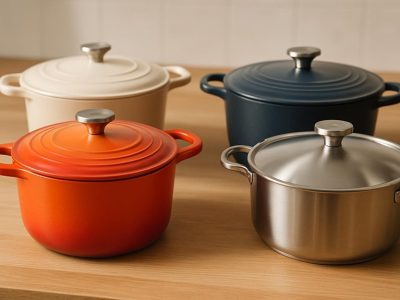
You can eat well without emptying your wallet. Picture a kitchen that smells of warm garlic and cumin, a pot of beans simmering on the stove, and a fridge stocked with versatile ingredients that transform into different meals across the week. That picture isn’t expensive: it’s a plan. Eating well on a budget gives you more than savings, it buys variety, better energy, and fewer impulse buys. This guide shows practical steps, grocery tactics, and real meal ideas so you can spend less and eat better starting now.
Set Priorities And Build A Realistic Food Budget
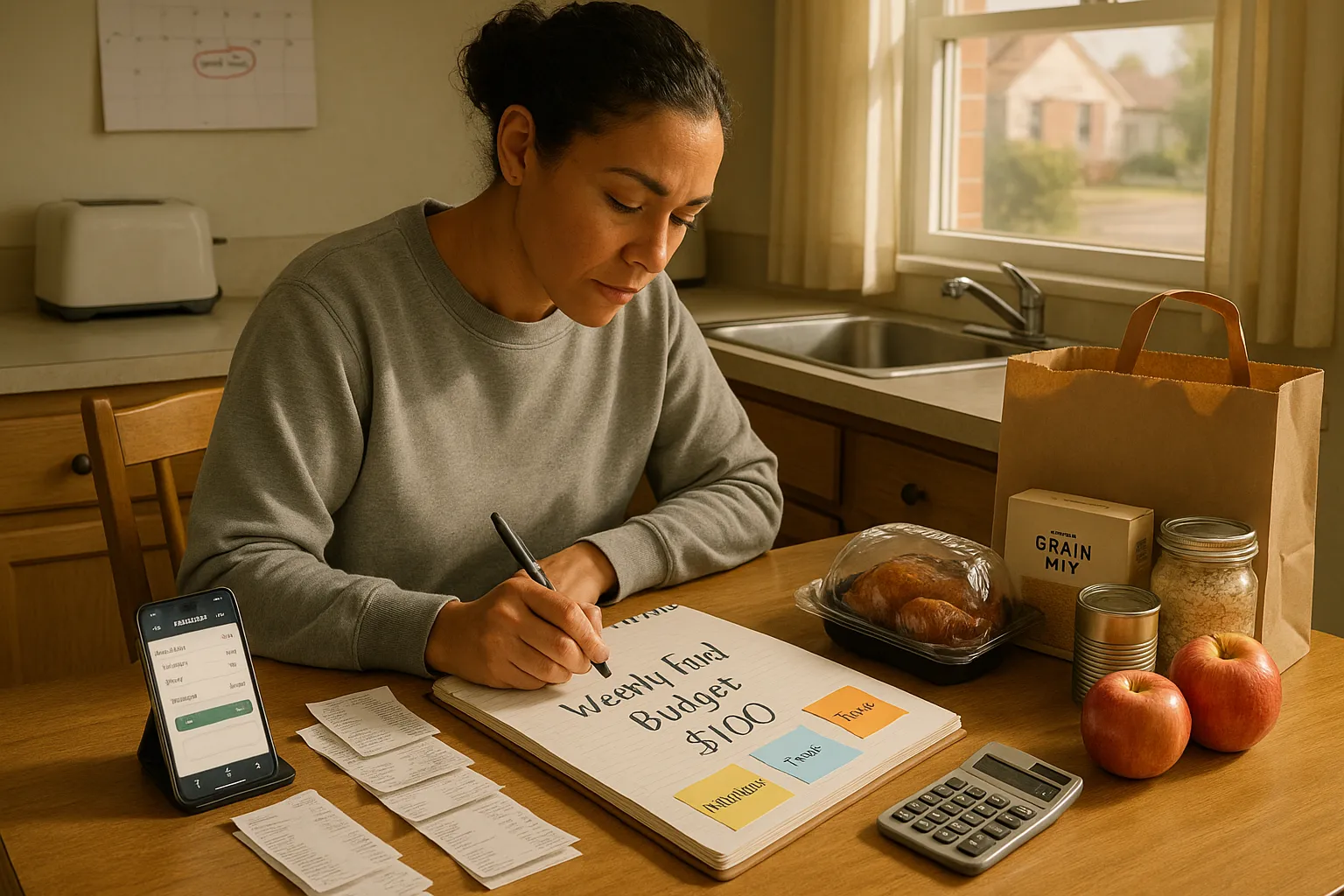
Fact: A clear budget reduces overspending and stress. Start by tracking what you currently spend for two weeks. Write down every grocery, takeout, and coffee purchase. That simple data shows where money leaks.
Set Priorities And Build A Realistic Food Budget
Decide what matters most. You must pick between lowest cost, fastest prep, or highest nutrition. Most people need a mix. Name your top two priorities and keep them visible when you shop.
Set Realistic Weekly And Monthly Spending Targets
Set a weekly target first. Weekly tracking feels immediate and helps correct course faster. If your monthly food spend is $400, break it to $100 per week. Allow one buffer week a month for bulk buys, that prevents panic when prices spike.
Identify Nonnegotiables: Nutrition, Time, Taste
Identify three nonnegotiables. For example: fiber-rich breakfasts, dinners under 40 minutes, and palatable lunches. These nonnegotiables guide choices: if you need quick dinners, buy rotisserie chicken at Walmart or a frozen grain mix at Trader Joe’s instead of expensive convenience meals.
Create A Flexible Meal Plan
Fact: A flexible plan saves money and reduces decision fatigue. Use core ingredients across meals to lower waste and cost.
Create A Flexible Meal Plan
Start with three base recipes: a grain bowl, a soup/stew, and a stir-fry. Rotate proteins and vegetables within those templates. You get variety with fewer items on the list.
Batching And Theme Nights To Simplify Planning
Batch cooking saves time and money. Pick theme nights (Mexican Monday, Soup Wednesday) so you reuse spices and sauces. Cook once and eat thrice: a large pot of chili becomes chili over rice, chili-stuffed sweet potatoes, and chili for tacos.
Use A Short Grocery List Based On Staples
Create a short staples list: dry beans, brown rice, oats, eggs, frozen vegetables, canned tomatoes, onions, garlic, a versatile green (spinach or kale), and a cheap protein (tofu or chicken thighs). Buy only what fits the plan for the week.
Shop Smarter: Grocery Strategies That Save
Fact: Where and when you shop changes what you pay. Small shifts in behavior reduce grocery bills by 10–25%.
Shop Smarter: Grocery Strategies That Save
Compare stores: Aldi and Lidl often beat major chains on basics: Walmart and Kroger run frequent meat promotions: Trader Joe’s has good frozen produce and affordable nuts. Use local farmer’s market at closing time for discounts on bruised produce.
How To Read Prices And Unit Costs
Always check unit price. A 2-pound bag might look cheaper but cost more per ounce. Unit price is the objective metric. Use it as your primary decision rule, especially for staples like rice, flour, and oats.
Best Times To Buy And Where To Find Deals
Buy meat and bakery items later in the day for markdowns. Stock up on frozen vegetables and canned goods during holiday sales. Sign up for store emails for weekly coupons: apps like Ibotta, Honey, and Rakuten add extra savings on top of sale prices.
Cook Efficiently And Stretch Ingredients
Fact: Smart cooking techniques stretch expensive items and increase satiety.
Cook Efficiently And Stretch Ingredients
Use bones, vegetable scraps, and bean cooking liquid to create broths. One roasted chicken becomes three meals: dinner, salad topping, and chicken soup. Your’re maximizing every dollar spent.
Batch Cooking, Freezing, And Repurposing Ideas
Batch-cook grains and freeze in portioned bags. Freeze portions of soups and stews in zip bags that lie flat. Repurpose last night’s roasted vegetables into a quick frittata or grain bowl.
Simple Techniques To Make Meals More Filling
Add fiber and fat to increase fullness: mix beans into ground meat, toss oats into yogurt, or add a spoon of peanut butter to smoothies. Small additions change satiety and stretch protein.
Choose Affordable, Nutrient-Dense Foods
Fact: Some inexpensive foods deliver more nutrients per dollar than luxury items.
Choose Affordable, Nutrient-Dense Foods
Focus on eggs, canned sardines, dried lentils, oats, potatoes, carrots, and cabbage. These items provide protein, fiber, and micronutrients at low cost. Brands like Bumble Bee (sardines) and Bob’s Red Mill (oats, beans) offer good value.
High-Value Proteins, Cheap Whole Grains, And Seasonal Produce
Budget proteins: eggs, canned tuna, beans, chicken thighs. Cheap whole grains: brown rice, bulgur, barley. Buy seasonal produce, apples in fall, citrus in winter, for lower prices and better flavor.
Budget-Friendly Sources Of Vitamins And Minerals
Canned pumpkin, frozen spinach, and lentils pack iron and vitamin A. Fortified cereals and milk offer B12 and calcium if you need them. Don’t ignore cheap spices like turmeric and black pepper: they increase flavor so you enjoy simple meals.
Cut Waste And Maximize Leftovers
Fact: Reducing food waste cuts your grocery bill by up to 20%.
Cut Waste And Maximize Leftovers
Store food properly: use airtight containers, freeze herbs in oil, keep root vegetables in a cool dark place. Label and date leftovers so you use them first.
Storage, Quick Repurposes, And Composting Basics
Quick repurposes: stale bread becomes croutons: wilting greens become pesto: extra rice becomes fried rice. Start a small compost bin or use a municipal program to keep food scraps out of garbage, it reduces waste and helps your garden if you have one.
Healthy, Low-Cost Convenience Options And Where To Splurge
Fact: Some convenience buys save time and preserve nutrition: other purchases waste money.
Healthy, Low-Cost Convenience Options And Where To Splurge
Good convenience buys: frozen vegetables, pre-washed salad mixes (when on sale), canned beans, and rotisserie chicken. Splurge selectively: buy a quality chef’s knife or a slow cooker, they save time and reduce long-term costs.
Smart Ready-Made Choices And When To Buy Frozen Or Canned
Buy frozen fruit for smoothies and canned tomatoes for sauces. Frozen items lock in nutrients and often cost less per serving than fresh out-of-season produce.
When Splurging Saves Time Or Nutritional Value
Pay more for items that prevent waste or increase intake of vegetables if you otherwise skip them. A higher-quality olive oil or a jar of good salsa can make simple dishes enjoyable and prevent costly takeout.
Sample 7-Day Budget Meal Plan And Grocery List
Fact: A concrete plan removes friction and implicit overspending.
Sample 7-Day Budget Meal Plan And Grocery List
Day 1: Oat breakfast, lentil soup, rice and beans with roasted carrot
Day 2: Egg scramble, chickpea salad, stir-fried rice with frozen veggies
Day 3: Yogurt with fruit, potato and leek soup, baked chicken thighs with barley
Day 4: Peanut butter toast, black bean tacos, vegetable pasta with canned tomatoes
Day 5: Porridge, spinach and lentil curry, baked sweet potatoes with sardines
Day 6: Smoothie, egg fried rice, vegetable frittata
Day 7: Pancakes (oats), leftover medley bowl, soup from bones
Grocery list (basics): oats, brown rice, lentils, black beans (canned/dry), eggs, potatoes, carrots, onions, garlic, canned tomatoes, frozen mixed veggies, spinach, peanut butter, yogurt, chicken thighs, sardines, basic spices.
Variations For Different Budgets (Tight, Moderate, Flexible)
Tight: favor dry beans, oats, and seasonal veg. Moderate: add chicken thighs, Greek yogurt, and mixed nuts. Flexible: include more fresh fruit, salmon or grass-fed beef occasionally, and specialty items like artisan bread.
How To Adapt This Approach For Special Diets
Fact: Budget strategies translate to most diets with smart swaps.
How To Adapt This Approach For Special Diets
Vegetarian: emphasize lentils, eggs, dairy, and tofu. Vegan: use extra beans, fortified plant milk, and nutritional yeast for B12-like flavors. Low-carb: buy more eggs, canned fish, and nonstarchy vegetables: cut grains but buy nuts and seeds smartly. Allergy-friendly: substitute safe grains (rice, quinoa) and use single-ingredient canned foods.
Vegetarian, Vegan, Low-Carb, And Allergy-Friendly Swaps
Vegan swap: replace yogurt with soy yogurt and canned sardines with extra lentils. Low-carb swap: swap rice for cauliflower rice (frozen) and oats for chia pudding. Allergy swap: use sunflower seed butter if allergic to peanuts.
How To Track Progress And Adjust Your Plan
Fact: Regular review keeps the budget realistic and effective.
How To Track Progress And Adjust Your Plan
Track three metrics: cost per week, meals cooked at home, and number of wasted meals. Use a simple spreadsheet or apps like Mint for costs and a phone note for meal counts. Review every two weeks and tweak: if waste stays high, shorten the plan horizon: if costs rise, hunt for better unit prices.
Simple Metrics To Monitor Cost, Nutrition, And Time
Cost: weekly spend and cost per serving. Nutrition: number of vegetable servings per day. Time: average prep time per dinner. Aim to improve one metric each week. Try one new swap per month (e.g., canned tuna for fresh) and measure its effect.
Call-to-action: Try the 7-day plan this week, track your spend, and adjust one thing, you will see savings and better meals within two weeks.
To provide the best experiences, we use technologies like cookies to store and/or access device information. Consenting to these technologies will allow us to process data such as browsing behaviour or unique IDs on this site. Not consenting or withdrawing consent, may adversely affect certain features and functions.
Functional
Always active
The technical storage or access is strictly necessary for the legitimate purpose of enabling the use of a specific service explicitly requested by the subscriber or user, or for the sole purpose of carrying out the transmission of a communication over an electronic communications network.
Preferences
The technical storage or access is necessary for the legitimate purpose of storing preferences that are not requested by the subscriber or user.
Statistics
The technical storage or access that is used exclusively for statistical purposes.The technical storage or access that is used exclusively for anonymous statistical purposes. Without a subpoena, voluntary compliance on the part of your Internet Service Provider, or additional records from a third party, information stored or retrieved for this purpose alone cannot usually be used to identify you.
Marketing
The technical storage or access is required to create user profiles to send advertising, or to track the user on a website or across several websites for similar marketing purposes.