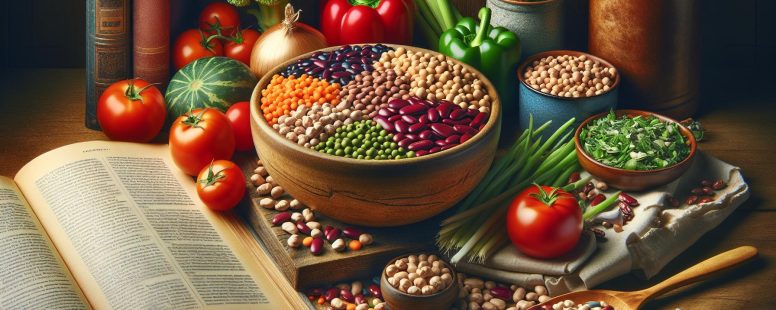
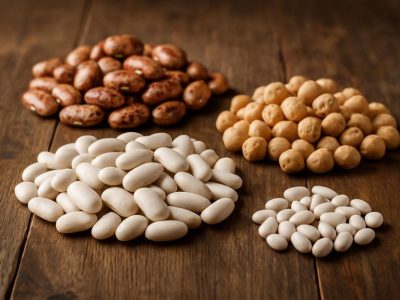
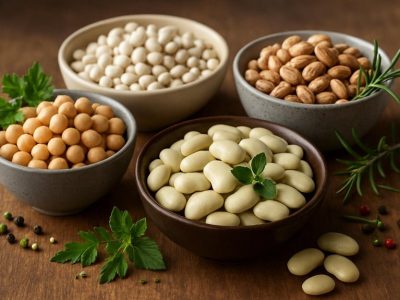
Black beans are a pantry staple for many, but what happens when you’re out of them or simply craving something different? Whether you’re whipping up a hearty chili, a vibrant salad, or a comforting stew, finding the right substitute can elevate your dish in unexpected ways. The good news? There are plenty of delicious and nutrient-packed alternatives that bring their own unique flavors and textures to the table.
Why Look For The Best Alternative To Black Beans?
Black beans are a nutrient-rich ingredient, but there are instances where finding an alternative becomes essential. Dietary restrictions, such as allergies or intolerances to legumes, make black bean substitutes necessary for some individuals. In these cases, exploring other options ensures you can still enjoy balanced meals without compromising on nutrition.
Flavor preferences also play a significant role in seeking alternatives. If you’re preparing dishes like soups or burritos and prefer milder-tasting ingredients, choosing substitutes like lentils or chickpeas may align better with your taste profile. This flexibility allows you to experiment with flavors while maintaining the dish’s integrity.
Availability issues often arise when black beans aren’t stocked in your pantry or local store shelves. Substituting them with kidney beans or pinto beans ensures continuity in recipes like chili or tacos without altering the dish’s consistency significantly.
Cultural diversity offers another reason to explore alternatives. If you’re trying cuisines that traditionally don’t use black beans—for example, Mediterranean salads—you might opt for cannellini beans to match those culinary traditions while retaining nutritional value.
Considering these factors helps diversify your cooking approach and adapt recipes creatively based on individual needs and circumstances.
Top Alternatives To Black Beans
When black beans are unavailable or unsuitable, various alternatives can provide similar nutrition and textures. These substitutes work well in recipes like soups, stews, or salads.
Lentils: A Versatile Substitute
Lentils offer a quick-cooking option with a slightly earthy flavor. Red lentils break down easily, making them ideal for thickening soups or curries. Green and brown lentils hold their shape better and mimic the texture of black beans in salads or tacos. For example, replacing black beans with green lentils in burrito bowls ensures protein intake without compromising taste.
Chickpeas: A Nutty and Creamy Option
Chickpeas bring a creamy texture and nutty taste to dishes. They blend well into hummus-style spreads or roasted snacks while serving as hearty additions to stews or chilis. If you’re preparing a Mediterranean salad, swapping black beans for chickpeas complements ingredients like feta cheese and olives seamlessly.
Kidney Beans: A Similar Texture Match
Kidney beans share a comparable size and texture with black beans but have a milder flavor profile. They’re excellent in chili recipes where they absorb spices effectively. Use kidney beans instead of black ones when preparing enchiladas to maintain consistency without altering the dish’s structure.
Pinto Beans: A Mild Flavor Alternative
Pinto beans introduce creaminess with their light yet distinct taste that pairs well with Mexican cuisine staples. Refried pinto beans serve as an alternative filling for quesadillas or tostadas traditionally made with mashed black beans.
Black-eyed Peas: A Southern Favorite
Black-eyed peas stand out due to their unique appearance and slightly sweet flavor. Commonly used in Southern cooking, these legumes enhance dishes like Hoppin’ John—a rice-based entrée often featuring pork seasoning—offering diversity beyond typical bean choices when exploring regional cuisines.
Comparing Nutrition Profiles
Black beans are celebrated for their rich nutritional value, but alternatives can offer similar benefits. Understanding the nutrition profiles of substitutes helps you choose options that meet your dietary goals and preferences.
Protein Content
Protein supports muscle repair and growth. Black beans contain 15g of protein per cooked cup (172g). Chickpeas provide 14.5g per cup, making them a close match. Lentils deliver 18g per cup, surpassing black beans in protein content. Kidney beans offer 13.4g per cup, while pinto beans contribute 15.4g.
If you’re prioritizing plant-based protein, lentils may be an excellent choice due to their higher levels compared to other substitutes.
Fiber Levels
Fiber aids digestion and promotes satiety. A cup of black beans contains about 15g of fiber. Chickpeas have slightly less at 12.5g per cup, whereas lentils boast a comparable amount with 15-16g depending on the variety.
Kidney beans include around 11-12g of fiber per cooked cup; pinto beans provide nearly identical amounts at approximately 11-13 grams.
For recipes requiring high-fiber ingredients—like stews or salads—you’ll find lentils or black-eyed peas equally effective in meeting this need.
Calorie Counts
Calorie-conscious choices depend on your meal plan requirements. Black beans have roughly 227 calories per cooked cup (172 grams). Comparatively:
Bean Alternative
Calories Per Cooked Cup
Chickpeas
~270
Lentils
~230
Kidney Beans
~215
Pinto Beans
~245
Cooking Tips For Black Bean Alternatives
When substituting black beans, understanding cooking techniques and flavor adjustments ensures your dishes maintain their intended taste and texture. Explore these tips to make the most of black bean alternatives in your recipes.
Adjusting Cooking Times
Cooking times vary significantly among substitutes like lentils, chickpeas, or kidney beans. Lentils cook quickly, often requiring just 15-20 minutes when simmered, making them ideal for time-sensitive meals like soups or salads. Kidney beans or chickpeas may take 30-60 minutes unless using canned options, which are pre-cooked and ready to use.
Soaking dried alternatives before cooking can reduce preparation time by up to half. For instance, soaking pinto beans overnight shortens their typical hour-long cooking time. Monitor the texture closely while cooking since overcooked substitutes can become too mushy for certain recipes.
Enhancing Flavors With Spices
Flavor profiles differ between black bean alternatives; spices help bridge these gaps. Cumin complements lentils’ earthiness in stews or curries. Smoked paprika enhances pinto beans’ mild flavor in Mexican-inspired dishes like burritos or enchiladas.
Experiment with fresh herbs or garlic when using chickpeas in Mediterranean-style meals such as hummus or salads. Adding bay leaves during cooking can elevate kidney beans’ depth for chili recipes. Always taste-test while seasoning to balance flavors based on the substitute’s natural characteristics.
Best Recipes With Black Bean Substitutes
Black bean substitutes can transform traditional recipes while introducing new flavors and textures. These alternatives work seamlessly in various dishes, adding depth to soups, salads, tacos, and more.
Soups and Stews
Using black bean substitutes in soups and stews creates hearty meals with unique flavor profiles. Lentils are ideal for earthy tones; they cook quickly and absorb spices like turmeric or cumin effortlessly. For creamy textures, try using chickpeas blended into the broth or whole for a nutty bite. Pinto beans provide a mild taste perfect for Mexican-inspired stews like pozole.
Kidney beans excel in chili recipes due to their robust structure that holds up during simmering. If you’re exploring Southern cuisine, black-eyed peas add a touch of sweetness ideal for dishes like Hoppin’ John stew.
Salads and Bowls
Substitute black beans in salads or grain bowls with options that complement fresh ingredients. Chickpeas pair well with Mediterranean flavors such as feta cheese, olives, and cucumbers in cold salads. Cannellini beans offer a smooth texture that blends perfectly with leafy greens or quinoa-based bowls.
For protein-packed meals, use lentils seasoned with olive oil and lemon juice over kale or arugula. Kidney beans also enhance taco-style salad bowls when combined with corn kernels, avocado slices, and spicy vinaigrettes.
Tacos and Burritos
Replacing black beans in tacos or burritos allows experimentation without compromising authenticity. Pinto beans mash easily into refried-style spreads seasoned with garlic powder or smoked paprika—perfect for soft tortillas filled with rice and veggies.
Chickpeas contribute versatility; roast them until crispy for texture contrasts in soft tacos topped with slaw or salsa verde. Lentils mimic the density of ground meat when spiced generously; they’re excellent fillings wrapped alongside sautéed peppers and onions.
Conclusion
Finding the perfect alternative to black beans doesn’t have to be a challenge. With so many versatile substitutes available, you can easily tailor your recipes to suit your taste, dietary needs, or ingredient availability. Whether you’re drawn to the creaminess of chickpeas or the hearty texture of kidney beans, each option brings something unique to your dishes.
Don’t hesitate to experiment with these alternatives in your favorite meals. By understanding their flavors and cooking properties, you’ll discover new ways to elevate traditional recipes while keeping them nutritious and satisfying. The possibilities are endless!
To provide the best experiences, we use technologies like cookies to store and/or access device information. Consenting to these technologies will allow us to process data such as browsing behaviour or unique IDs on this site. Not consenting or withdrawing consent, may adversely affect certain features and functions.
Functional
Always active
The technical storage or access is strictly necessary for the legitimate purpose of enabling the use of a specific service explicitly requested by the subscriber or user, or for the sole purpose of carrying out the transmission of a communication over an electronic communications network.
Preferences
The technical storage or access is necessary for the legitimate purpose of storing preferences that are not requested by the subscriber or user.
Statistics
The technical storage or access that is used exclusively for statistical purposes.The technical storage or access that is used exclusively for anonymous statistical purposes. Without a subpoena, voluntary compliance on the part of your Internet Service Provider, or additional records from a third party, information stored or retrieved for this purpose alone cannot usually be used to identify you.
Marketing
The technical storage or access is required to create user profiles to send advertising, or to track the user on a website or across several websites for similar marketing purposes.