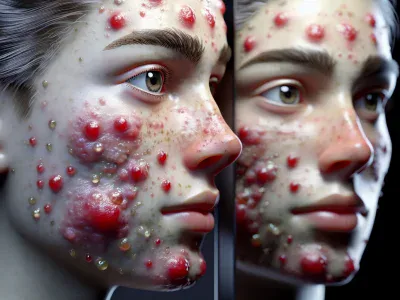
Ever found yourself staring at your reflection, scrutinizing a pesky skin blemish and wondering: is it a zit or pimple? You’re not alone. It’s common to use these terms interchangeably but do they really mean the same thing?
Understanding Pimples: What Are They?
Pimples, often a concern for many, are actually part of the skin’s natural process. Let’s investigate deeper into understanding what they truly represent.
The Anatomy of a Pimple
A pimple is essentially an inflamed spot on your skin. It forms when the sebaceous glands (oil-producing glands) in your skin get clogged with dead cells or excess oil. Now you may wonder – why does this result in inflammation? Well, such blockages create ideal conditions for Propionibacterium acnes – bacteria that normally reside harmlessly on your skin surface – to thrive and multiply excessively.
These growing bacterial colonies trigger an immune response from your body causing redness and swelling around the blocked pore – voila! A pimple makes its unwelcome appearance!
Consider pimples as alert signals; signs that something isn’t quite right within these tiny parts of our bodies called pores.
Causes of Pimples
Many factors can contribute to their formation:
Hormonal Changes: Adolescents aren’t just grappling with high school dramas but also hormonal upheavals which increase sebum production leading to breakouts.
Poor Hygiene Practices: Failing to cleanse away sweat after workouts or not removing makeup before bedtime provides ample opportunities for those pesky pimples!
3 . Stress Levels : Ever noticed more blemishes during exam season? That’s because stress stimulates cortisol production exacerbating acne issues.
4 . Diet Choices : Foods rich in sugars , dairy products have been linked with increased occurrence rates by studies like The Effect Of Dietary Glycemic Index On Acne Vulgaris published 2010 .
So there it is – you’ve now got insight about these small yet significant entities known as ‘pimples’. Remember knowledge brings power enabling us to make better decisions for our skin health.
Grasping Zits: A Closer Look
Shifting our focus from pimples, let’s investigate into the specifics of zits. Similar to a pimple in many ways yet distinctively different, a zit is another common skin blemish that deserves attention.
What Constitutes a Zit?
Akin to pimples but with distinguishing characteristics, zits refer specifically to inflamed acne lesions. They’re typically more severe than your average pimple due their depth within the skin layer and often have pus-filled tops resulting from an accumulation of dead cells and oil under clogged pores.
Zits originate when sebum (an oily substance secreted by your body) mixes with bacteria present on the surface or inside these blocked pores causing inflammation. Propionibacterium acnes — yes you’ve heard this name before while understanding pimples — plays its role here too! This bacterium breeds rampantly in such conditions making matters worse for your delicate skin tissue leading eventually towards development of redness around affected areas giving them typical ‘zitty’ look we all dread!
Contrary to what one might think at first glance, it isn’t simply about how they appear externally; rather there’s much going beneath that visible outermost epidermis level which makes identifying correct type crucial in treating these stubborn spots effectively.
Triggers of Zits
Several factors can trigger formation of those pesky little bumps known as “zitz.” Hormonal fluctuations during adolescence or periods could be one prime reason behind their onset – remember how puberty wreaks havoc on adolescent skins?
Stress has also been identified as major contributor triggering flare-ups since it affects hormonal balance significantly thereby encouraging excessive production by oil glands inevitably leading blockage henceforth increased chances developing painful inflammations underneath top layers dermal coverings aka dreaded ‘zitz’.
Besides diet choices play vital part contributing toward possibility encountering episodes breakout sessions – particularly consumption oily, sugary or processed foods that are high on glycemic index can stimulate sebum production and lead to skin problems.
Finally poor hygiene practices including not washing face regularly enough especially after sweating profusely (like post workout) allows accumulation dust particles debris surface thereby clogging pores further promoting environment conducive for bacterial growth multiplication so paving way those unwanted zitty intrusions!
In sum understanding triggers aids in preventing potential breakouts as well managing existing ones by adopting appropriate skincare routines dietary habits along maintaining balanced stress levels.
Key Differences between Pimples and Zits
While pimples and zits share similarities, they’re not identical. Let’s investigate deeper into their distinctions.
Appearance and Symptoms
Pimple symptoms manifest as small red bumps on the skin surface. They may appear slightly swollen but don’t always contain pus; but, if bacteria invade a pimple, it can become filled with white or yellowish pus.
But, zit symptoms are more severe – typically characterized by large inflamed lesions topped with noticeable pockets of pus due to trapped dead cells in clogged pores.
How They Form and Develop
The formation process for both blemishes starts similarly—with sebaceous gland blockage caused by oil build-up or dead skin cells accumulation—but diverges later.
A pimple forms when this blocked pore becomes infected with Propionibacterium acnes bacteria that stimulate an immune response causing inflammation—resulting in typical redness associated with pimples.
Zits develop differently: once a pore is obstructed, excess oil combines vigorously within these closed spaces leading to bacterial growth. This triggers intense inflammatory reactions which give rise to those familiar puss-filled tops characteristic of zits.
Areas of Occurrence
Typically you’ll find pimples anywhere there’s substantial presence of hair follicle distribution – predominantly your face area (nose included), neck region along with backside coverage plus chest zones too!
Treatment Options for Pimples and Zits
Taking control of your skin’s health involves understanding the effective treatment options available. This section dives deep into over-the-counter remedies and prescription treatments that combat pimples and zits.
Over-the-Counter Remedies
When dealing with mild to moderate acne, you’ll find a myriad of over-the-counter (OTC) solutions at local drugstores. These remedies often contain active ingredients like salicylic acid, benzoyl peroxide or sulfur—agents known for their efficiency in battling breakouts.
Salicylic Acid: A beta-hydroxy-acid recognized by dermatologists as an exfoliant—it unclogs pores by sloughing off dead skin cells.
Benzoyl Peroxide: An antibacterial compound capable of penetrating deeply into pores to kill Propionibacterium acnes bacteria—the primary cause behind inflamed acne lesions.
Sulfur: It dries up blemishes while simultaneously reducing inflammation around them—a double action that can prove beneficial during flare-ups.
For example, Neutrogena’s On-The-Spot Acne Treatment contains 2% benzoyl peroxide—an OTC product trusted by many due its effectiveness against both pimples and zits.
Prescription Treatments
In severe cases where OTC products don’t provide satisfactory results, consult a healthcare provider about prescription treatments—they could offer targeted solutions not found on store shelves:
1.Tretinoin: A vitamin-A derivative used primarily in topical creams—it speeds up cell turnover rates to prevent pore blockages from forming.
2.Antibiotics: Oral antibiotics such as doxycycline or minocycline reduce bacterial populations within follicular structures—they also help dampen inflammatory responses caused by said bacteria.
3.Isotretinoin (Accutane): For cystic acne which is notoriously difficult to treat, Accutane—a potent retinoid—might be the last resort. It decreases oil production to avert clogs in your pores.
Remember, prescription treatments are powerful and should only be used under medical supervision due their potential side effects. Your dermatologist will determine if these treatments suit your specific skin condition after considering several factors including the severity of acne and response to OTC products.
Tips for Preventing Pimples and Zits
Exploring the area of skincare can be a challenging job, but armed with knowledge about preventing pimples and zits, you’ll feel more confident in your routine. The following are crucial areas to consider when striving for clearer skin.
Skincare Best Practices
Prioritizing skincare is fundamental in avoiding both pimples and zits. Adherence to daily routines contributes significantly towards maintaining healthy skin:
Cleanse Regularly: Choose mild cleansers that match your skin type (dry, oily or combination). Make sure it’s done twice a day — once in the morning and once before bed.
Exfoliate Occasionally: Employ gentle exfoliation methods at least once per week; this helps eliminate dead cells from pores reducing chances of blockage.
Moisturize Consistently: Hydration keeps skins elasticity intact diminishing potential inflammation risks which could lead to acne lesions like zits.
4.Choose Non-Comedogenic Products: These products won’t clog your pores so minimizing pimple occurrences as they do not create an environment conducive for bacteria growth.
Please remember, overdoing any step might reverse its benefits turning into triggers instead! So moderation remains key here!
Lifestyle Changes to Consider
Aside from implementing best practices on topical care, incorporating certain lifestyle changes may also assist prevent pesky breakouts:
1.Adjust Your Diet: Consuming low-glycemic foods reduces blood sugar spikes leading less oil production hence fewer spots!
2.Maintain Good Sleep Patterns : Quality sleep aids body’s repair processes including those involving our largest organ –the Skin– potentially helping avoid inflammations such as acne
3.Reduce Stress Levels : Mindful activities yoga meditation or even simple walks nature help alleviate stress levels hence lowering possibilities triggering hormonal imbalances contribute development unwanted blemishes
4.Stay Hydrated – Drinking sufficient water throughout day aids maintaining skin’s health improving its capacity combat potential acne triggers
Conclusion
So you’ve journeyed through the acne world, dissecting the intricacies of pimples and zits. You now know they’re not exactly twins in your skin’s story but rather two distinct characters with their unique features. Pimples are those small inflamed spots signaling deeper pore issues while zits take inflammation to another level presenting as larger pus-filled lesions.
You’ve grasped that managing these unwelcome guests involves understanding triggers like hormonal changes, stress or diet choices – and implementing strategies to control them. Regular cleansing, gentle exfoliation, proper moisturizing coupled with lifestyle modifications can play a crucial role here.
Remember it’s all about balance; overdoing skincare might just tip the scale unfavorably causing more harm than good! Armed with this knowledge hopefully your battle against breakouts will be easier and victory much closer within reach.
To provide the best experiences, we use technologies like cookies to store and/or access device information. Consenting to these technologies will allow us to process data such as browsing behaviour or unique IDs on this site. Not consenting or withdrawing consent, may adversely affect certain features and functions.
Functional
Always active
The technical storage or access is strictly necessary for the legitimate purpose of enabling the use of a specific service explicitly requested by the subscriber or user, or for the sole purpose of carrying out the transmission of a communication over an electronic communications network.
Preferences
The technical storage or access is necessary for the legitimate purpose of storing preferences that are not requested by the subscriber or user.
Statistics
The technical storage or access that is used exclusively for statistical purposes.The technical storage or access that is used exclusively for anonymous statistical purposes. Without a subpoena, voluntary compliance on the part of your Internet Service Provider, or additional records from a third party, information stored or retrieved for this purpose alone cannot usually be used to identify you.
Marketing
The technical storage or access is required to create user profiles to send advertising, or to track the user on a website or across several websites for similar marketing purposes.