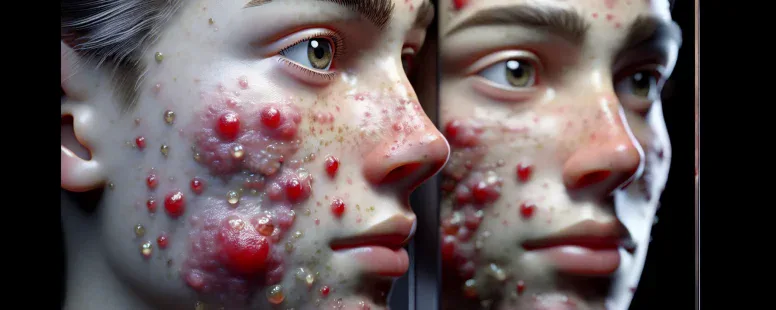
Picture this: you wake up, glance in the mirror, and spot a stubborn red bump staring back at you. Is it just another pimple, or could it be something more? That twinge of uncertainty can send your mind racing, especially when the difference isn’t always clear at first glance.
Your skin tells a story, and every blemish has its own plot twist. While pimples are often the villains of teen years, herpes can sneak in with symptoms that mimic a simple breakout. Knowing how to tell them apart isn’t just about peace of mind—it can save you from unnecessary worry and help you care for your skin with confidence. Let’s unravel the mystery behind these lookalike spots and discover what your skin is really trying to say.
Understanding the Difference Between Herpes and Pimples
You often spot a red bump on your lip or chin and immediately, your mind races—is this just a pimple or can it be herpes? Dermatologists like Dr. Julia Carroll often field frantic calls about these unexpected skin surprises. Both bumps appear outta nowhere, sting sometimes, and seem to beg for an explanation.
Both herpes and pimples show up as small, raised bumps, but they comes from different origins. Pimples, for example, usually appear because pores become clogged with oil, dead skin, and bacteria such as Propionibacterium acnes (American Academy of Dermatology Association, 2023). You’ll typically notice one, maybe two, red bumps, sometimes with a whitehead, in oily zones like your face or back.
In contrast, herpes simplex virus (HSV-1 or HSV-2) spreads through skin-to-skin contact, and often clusters in groups rather than popping up solo. Cold sores (herpes lesions) start with tingling or burning—kind of like your skin’s way of dropping hints before the blister arrives. Medical researchers report clusters of fluid-filled blisters near the lips or genital area (CDC, 2022).
Ever feel like a pimple appeared overnight before an important event, like the universe has a sense of timing? The classic whitehead usually swells, peaks, then might leave a post-inflammatory red mark but rarely forms a group of clear fluid-filled vesicles. Herpes outbreaks, but, sometimes follow stressful life moments or a missed night’s sleep. You might recall hearing someone say, “it hurts way more than a regular zit!” for good reason—herpes blisters sting and can ooze liquid before crusting.
You may be wondering: Can you pop a herpes sore like a pimple? Experts warn against it, since herpes fluid contains viral particles, which can cause more sores (Mayo Clinic, 2023). Physical similarities fade fast under close scrutiny: pimples respond to over-the-counter benzoyl peroxide, while herpes requires antiviral medications such as acyclovir.
The real difference? Pimples often mean blocked oil glands and bacterial buildup, while herpes means viral reactivation. If you’ve ever confused them, you’re not alone. Many teenagers and adults get misled by the overlap in appearance. Questions like, “Does this hurt or tingle before showing?” or “Is there just one bump, or a tiny village of blisters?” steer you closer to clarity.
Staying aware of these differences arms you with knowledge—not just for your own peace of mind but for compassionate, stigma-free conversations. Picture if more people recognized that a cold sore on a date doesn’t define someone’s worth or health; it’s just a minor viral reactivation.
Checking for clustered, painful blisters after tingling versus isolated, red, pus-filled bumps in oily areas—this single observation can save you worry and help determine what’s really going on with your skin.
What Is Herpes?
Herpes stands like a shadowy figure in the world of skin concerns—easy to misjudge, rarely discussed out loud, and more common than most people expect. If you didn’t knew how a seemingly simple skin problem can signal something deeper, herpes delivers that curveball.
Causes and Transmission
Herpes arises from the herpes simplex virus (HSV), infecting millions worldwide [CDC, 2023]. HSV-1 usually lurks around your oral region, causing cold sores, while HSV-2 typically targets the genitals. You could catch herpes from direct skin-to-skin contact—even if nobody see a blister there, transmission is still possible. For example, sharing a lip balm or kissing someone with an active sore might introduce you to HSV-1, while genital contact, both protected and unprotected, can transmit HSV-2.
You maybe wonder, “Why me?” That’s something people often asks themselves. The virus doesn’t care about age, background, or relationship status; if opportunity exists, HSV enters. Some get exposed and never show symptoms, making it difficult to know who’s carrying the invisible guest.
Common Symptoms
Symptoms present themselves not as a single actor, but like an ensemble cast. Small, grouped blisters emerge—often clear, filled with fluid, and sitting atop red skin. Before these blisters make their entrance, you might feel warning signs: tingling, itching, or even burning sensations at the future blister site.
They come; they burst; they crust over with a yellow or brown scab. Sometimes the first outbreak is the harshest, with fever, fatigue, or achy lymph nodes tagging along like uninvited party guests (Mayo Clinic). Recurrences tend to occur, but varies per person. While pimples usually pick their spot and stay solo, herpes clusters travel in groups—think of them as an entourage, never alone.
You could see people around you with “cold sores” at stressful moments or changes in weather—those are classic HSV-1. Genital herpes blisters work similarly but reside below the belt. Wondering if a blister’s a pimple or more? Asking a health professional could makes all the difference, especially since early detection changes your care path.
What Are Pimples?
Pimples show up at the worst times: picture getting ready for prom or a big presentation, and there’s suddenly a red bump front and center. You can’t help wondering—is it just a pimple, or something worse? This question pops up in clinics and group chats every day.
Causes and Triggers
Blocked pores cause pimples when excess sebum, dead skin cells, and bacteria get trapped. Hormonal changes trigger most breakouts, especially during puberty, menstruation, or stress spikes. Picking at skin invites bacteria further, making inflammation more likely. Diet, while not the main culprit, sometimes play a role—dairy or high-glycemic foods fuel breakouts in sensitive individuals, as reported in the Journal of the American Academy of Dermatology (2016). Cosmetic products labeled “comedogenic” can also start new pimples. Pro athletes and construction workers share tales of “acne mechanica” from tight gear, sweat, and pressure on skin.
Common Symptoms
Pimples reveal themselves through swollen, reddish bumps. Most carry a white or yellow pus “head”—the drama queen of breakouts. Commonly, you’ll see blackheads or whiteheads along your forehead, chin, or nose where oil glands cluster. Sometimes, deeper cystic acne forms painful knots beneath skin that linger for weeks. It contrast, herpes bumps gather in clusters and feel tingly or burny before they even surface—regular pimples don’t behave this way. Ask yourself: Did this bump show up solo, or does it have friends? Is it hard and sore, or does it itch and burn? Simple answers can direct your next steps—and maybe keep you from popping what shouldn’t be popped.
Key Differences Between Herpes and Pimples
Herpes simplex virus and pimples often cause confusion because their first signals—the appearance of red bumps—look startlingly similar. You might wonder if that sudden stinging patch on your lip’s edge is just a pimple, or something deeper at play. Recognizing specific distinctions helps you respond quickly and talk confidently with your dermatologist.
Appearance and Location
Herpes and pimples both break the smooth signal of your skin but do so with distinct visual cues. Pimples, as the American Academy of Dermatology points out, usually shows up as isolated raised bumps that follow the oily roadmap of your T-zone, chin, or back. Lots of teens recall waking up on picture day to that classic red bump crowned with a yellow head—definitely an experience few wish to relive.
Herpes, but, brings clusters—often three to five tiny, fluid-filled vesicles tightly grouped, resembling dew on a morning spiderweb. These vesicles mostly hover near the lips (HSV-1) or the genital area (HSV-2), though rare outbreaks may dot fingers or thighs. Ask: Do you see a group of blisters or solitary blemishes? That’s one signal you can use.
Pain and Sensation
Your nerves pick up on pain uniquely in each scenario. Pimples tend to ache only when pressed or touched, feeling more like an irritation under the skin—as you’d notice after leaning your hand against a pimpled temple during class. You may not even notice them until looking in the mirror or washing your face.
Herpes flips the script. Nearly every outbreak brings a signature itch, tingle, or burning—sometimes hours before the blisters erupt. Many people describe a zap or shiver, a lurking sign of a flare-up. For example, when out in the winter wind your lip tingles, and by evening, the blisters appear. These nerve-related sensations rarely come with simple acne. In clinical settings, herpes pain may spike sharply if the blister breaks, while pimples usually throb with sustained pressure.
Healing Time and Recurrence
Skin sends distinct signals as it tries to heal from these different outbreaks. Pimples heal quickly, disappearing within 3 to 7 days. Only cysts or deep nodules hangs around longer, sometime enough to demand a spot treatment. Once they’re gone, new outbreaks rarely forms exactly on the same spot unless underlying oil glands stays clogged.
Herpes marks a return. Blisters crust, dry, and fade within 7 to 14 days, but the virus stays hidden in local nerves. Some, after stressful life events or illness, notice the blisters keep returning to the “same old place”—lips or genitals—every few months. The CDC (Centers for Disease Control and Prevention) cites HSV recurrences are common, and frequency varies by individual immunity.
Feature
Herpes (HSV-1/HSV-2)
Pimples (Acne Vulgaris)
Typical Form
Clustered vesicles (fluid-filled blisters)
Isolated or few red bumps, often with pus
Location
Lips, mouth edges, genitals, sometimes fingers
Face, back, chest, oil gland-rich areas
Sensation
Tingling, burning, itching, sharp pain if ruptured
Mild pain or tenderness, rarely burning
Healing
7–14 days, w/ recurrences common
3–7 days, recurrences rare in same spot
Trust your senses, stay curious and always compare both the visuals and the signals your skin sends. Not every red bump is the same—so next time you spot one, ask yourself which signals stand out.
Diagnosing Herpes vs. Pimples
Spotting a red bump can feels like deciphering a foreign language, each sign hinting at the story beneath your skin. While you might hope for a simple pimple, sometimes uncertainty lingers, leading you to wonder: is this something more? Real-life scenarios, such as waking up before an important date only to find a blister, highlights how crucial quick diagnosis feels for peace of mind and proper care.
When to See a Doctor
Schedule an appointment with a clinician if you notice unusual sensations—like tingling or burning—accompanying skin blisters, particularly clusters on the lips or genitals (CDC, 2022). Seek medical guidance when blisters come back frequently, persist for more than two weeks, or occurs with fever, swollen lymph nodes, or severe pain. Many individuals delay seeking help out of embarrassment, but early consultation often leads to better outcomes. Could it be that brushing off a recurring cold sore as just a “pimple” holds you back from receiving the care you deserves?
Diagnostic Methods
Physicians navigate skin diagnostics using both visual examination and laboratory analysis, weaving together evidence like detectives. Visual assessment involves closely observing the lesion’s number, location, and type—individual pus-filled nodules suggest acne vulgaris, while grouped clear blisters imply herpes simplex (JAAD, 2020). Swabbing a fresh blister for a polymerase chain reaction (PCR) test or viral culture confirms herpes by detecting the HSV-1 or HSV-2 genome. When pus is present, a bacterial culture rules out folliculitis or other skin infections. Blood tests reveal prior herpes exposure by measuring immunoglobulin G (IgG) antibodies, but, these can’t always distinguish new from previous infections. Curiously, no single test covers all situations—an accurate diagnosis emerges from context, timing, and a healthcare provider’s judgment.
Diagnostic Entity
Method Example
Typical Result
Context of Use
Visual Inspection
Lesion shape, clustering
Grouped blisters: herpes
All new unexplained lesions
PCR/Viral Culture
Swab fresh blister
HSV-1 or HSV-2 detected
Suspected herpes outbreaks
Bacterial Culture
Swab pus
Bacteria present: pimple
Unresponsive to antivirals
Blood Test (IgG/IgM)
Venipuncture
IgG+: prior HSV exposure
Ambiguous or recurrent cases
Visual clues, laboratory results, and your personal history all interact—think of each test as a thread, weaving a fuller pattern of your skin’s health. Should you find yourself unsure if an erupting blister signals herpes or a simple pimple, seek medical advice; timely action fosters your well-being and offers clarity during uncertain moments.
Treatment Options
Treatment options for herpes and pimples differ because these skin conditions have different causes and heal at unique rates. Recognizing the right method boosts your chances for quicker relief and reduces risks of complications.
Managing Herpes
Managing herpes relies on antiviral medications, such as acyclovir, famciclovir, and valacyclovir (CDC, 2023). These drugs targets the herpes simplex virus, blocking its replication and shortening outbreaks. For example, if you feel a tingle before a sore appears, starting medication fast might prevent the blister stage altogether. Some people take daily suppressive therapy—picture the peace of mind that brings if you experience frequent flare-ups.
Doctors sometimes suggest topical creams, but these provide only minor symptomatic relief. Moisturizing lip balms or zinc oxide may shield skin from further irritation, though, they doesn’t affect the virus itself. Pain relievers, like ibuprofen, can ease discomfort during active outbreaks.
Herpes generally recurs because the virus stays dormant inside nerve cells. No current cure exists, but support groups or counseling can help with the emotional aspect. If you’ve ever wondered why a friend remains calm when discussing their HSV diagnosis, it’s probably because long-term management plans restore control and normalcy—even if recurrences pop up at inconvenient times. Do you remember the first time a cold sore changed your plans for the week?
Treating Pimples
Treating pimples usually involves topical solutions like benzoyl peroxide, salicylic acid, and retinoids (American Academy of Dermatology). These ingredients clear oil-clogged pores and kill bacteria, making pimples shrink within days. If you’re staring at a whitehead before an important event, applying a spot treatment overnight often reduces swelling by morning. People sometimes turn to natural remedies—tea tree oil and witch hazel come up in conversation often—but these lack robust evidence compared with FDA-approved treatments.
Oral antibiotics or birth control pills may be prescribed for persistent or cystic acne. They address deeper causes, such as inflammation and hormonal fluctuations. Unlike herpes, most pimples don’t recur at the exact same spot. If you pick or squeeze a blemish, scarring or infection could follow; dermatologists usually advice against this. Ever notice how one pimple always grows before a big event, almost like it’s in cahoots with your stress level?
Professional extraction performed by licensed estheticians minimizes trauma. Light therapies and chemical peels target resistant breakouts effectively for some people. In almost every case, consistent gentle cleansing, plus non-comedogenic products, forms the foundation of any plan. When you adapt your skincare routine based on expert guidance, skin health gradually improves—often in ways that surprise you.
Prevention Tips
When you look in the mirror and spot a new bump, maybe you’ll ask, “Is it just a pimple, or could it be something more?” Protecting your skin and your peace of mind starts with a few simple steps—and maybe a little detective work.
Practice Good Hygiene Every Day:
You can keep breakouts and herpes outbreaks quieter by washing your face twice daily using gentle cleansers. Let’s say you’re using towels—sharing towels or washcloths could transfer bacteria or viruses like HSV-1 or HSV-2. According to the American Academy of Dermatology, clean hands and personal items erect a safeguard against both [1].
Avoid Picking, Squeezing, or Touching Bumps:
When a pimple emerges, your fingers might itch to investigate, but those hands might invite infection. Similarly, herpes blisters can spread HSV through tiny tears in your skin. Just like a domino effect, one bad habit could start a cascade of breakouts or viral shedding.
Manage Stress and Lifestyle Factors:
If stress sneaks into your daily routine, cortisol might quickly trigger stubborn pimples—besides, that emotional or physical stress can awaken dormant herpes viruses (Mayo Clinic). Consider: an athlete enduring a tough season finds her cold sores return during finals week. Sleep, hydration, and mindful routines influence both skin clarity and outbreak frequency.
Use Protection and Communicate in Close Relationships:
Herpes travels fast when skin meets skin. During intimacy, use barriers like condoms or dental dams—even when sores are invisible. Open conversations with partners create confidence, not only in love but also in skin health decisions. Is it awkward at first? Maybe. Is it smart? Absolutely.
Strengthen Your Immune System:
Healthy food, moderate exercise, and regular medical checkups shape your immune system’s response to triggers—think of it as you’re building a strong fence against invaders. A dermatology study in 2021 linked a balanced diet rich in antioxidants with fewer acne flares and shorter HSV recurrences (Journal of the American Academy of Dermatology).
Know When to Seek Professional Help:
Sometimes, even the best habits won’t prevent every red bump. Dermatologists and primary care doctors can help you decode skin mysteries and tailor antiviral therapies or acne treatments. If outbreaks seem severe or persistent, seeking advice as early as possible matters.
What story does your skin tell you this week? Each decision—to wash, not share, or reach for help—shapes tomorrow’s reflection and how confidently you face the world.
Source
Entity
Key Finding
American Academy of Dermatology
Good hygiene, Handwashing, HSV-1, HSV-2
Personal items can spread bacteria and viruses
Mayo Clinic
Stress, Herpes outbreak
Stress triggers both acne and herpes
Journal of the American Academy of Dermatology
Antioxidants, Immune system, Acne, HSV Recurrence
Balanced diet helps prevent outbreaks
Conclusion
When you notice a new bump on your skin it’s natural to feel concerned or even anxious. Trust your instincts and pay attention to what your body is telling you. Staying informed about the unique signs of each condition helps you make better choices for your health and peace of mind.
If you’re ever unsure about a skin issue don’t hesitate to reach out to a healthcare professional. Taking action early can make all the difference—helping you protect your skin and your overall well-being.
To provide the best experiences, we use technologies like cookies to store and/or access device information. Consenting to these technologies will allow us to process data such as browsing behaviour or unique IDs on this site. Not consenting or withdrawing consent, may adversely affect certain features and functions.
Functional
Always active
The technical storage or access is strictly necessary for the legitimate purpose of enabling the use of a specific service explicitly requested by the subscriber or user, or for the sole purpose of carrying out the transmission of a communication over an electronic communications network.
Preferences
The technical storage or access is necessary for the legitimate purpose of storing preferences that are not requested by the subscriber or user.
Statistics
The technical storage or access that is used exclusively for statistical purposes.The technical storage or access that is used exclusively for anonymous statistical purposes. Without a subpoena, voluntary compliance on the part of your Internet Service Provider, or additional records from a third party, information stored or retrieved for this purpose alone cannot usually be used to identify you.
Marketing
The technical storage or access is required to create user profiles to send advertising, or to track the user on a website or across several websites for similar marketing purposes.