Picture yourself strolling through a craft store, surrounded by vibrant spools and skeins in every color imaginable. You reach out to grab one, but then pause—wait, is this yarn or thread? They might look similar at first glance, but their purposes and characteristics couldn’t be more distinct. Whether you’re sewing a dress or crocheting a cozy blanket, understanding the difference can make all the difference.
Yarn and thread are like cousins in the textile world—connected yet uniquely suited for specific tasks. While both are essential for creating beautiful projects, choosing the wrong one could lead to frustration or even ruin your masterpiece. By unraveling what sets them apart, you’ll not only enhance your crafting skills but also gain confidence in picking the right material every time.
What Is Yarn?
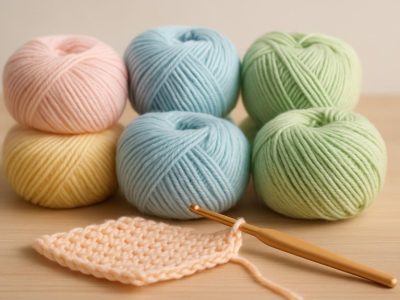
Yarn consists of fibers spun together to create a continuous strand. It’s primarily used in knitting, crocheting, weaving, and other textile crafts.
Types Of Yarn
Different types of yarn are available based on fiber content, weight, and texture:
Natural Fiber Yarns: Made from materials like cotton, wool, silk, or alpaca. Wool yarns (e.g., merino) provide warmth and elasticity.
Synthetic Fiber Yarns: Composed of acrylic, nylon, or polyester fibers. Acrylic yarn is durable and often budget-friendly.
Blended Yarns: Combine natural and synthetic fibers for specific properties like softness or strength.
Specialty Yarns: Include novelty options like metallic thread blends or textured boucle yarn.
Common Uses Of Yarn
Knitting And Crocheting Projects: Scarves made with chunky wool; intricate lace shawls crocheted using fine cotton.
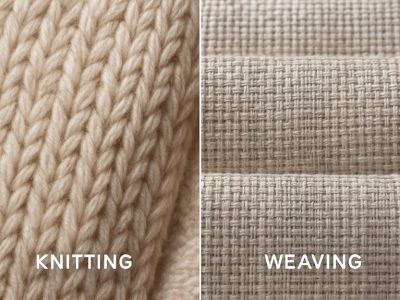
Weaving Fabrics: Warp threads created with sturdy yarn; decorative weft patterns woven using colorful options.
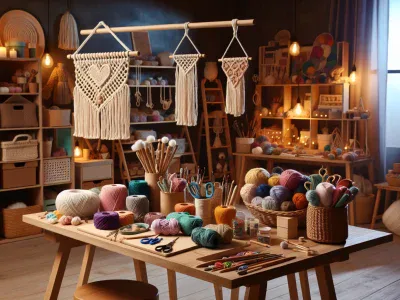
Macramé And Crafting Activities: Wall hangings crafted using thick roped-style yarns; pom-poms designed as decor elements.
What Is Thread?
Thread is a fine, continuous strand of material specifically designed for sewing and stitching purposes. Made from fibers like cotton, polyester, or silk, it’s engineered to withstand tension and pass smoothly through fabric without fraying.
Types Of Thread
Different types of thread serve distinct purposes in sewing and crafting projects.
Cotton Thread: Ideal for natural fabrics like cotton or linen. Its smooth texture ensures clean stitches.
Polyester Thread: Suitable for synthetic fabrics and stretchable materials due to its elasticity.
Silk Thread: Preferred for delicate fabrics such as silk or satin because of its sheen and strength.
Embroidery Thread: Designed with vibrant colors for decorative stitching.
Heavy-Duty Thread: Used in upholstery or leather projects where durability is critical.
Each type addresses specific project needs based on material compatibility and application requirements.
Common Uses Of Thread
Threads are versatile tools essential in various applications:
Garment Construction: Used to sew seams, hems, zippers, and buttons in clothing production.
Quilting Projects: Applied for piecing quilt blocks together or creating artistic patterns on layers of fabric.
Crafting Accessories: Utilized in making jewelry, tassels, or embellishments like embroidered patches.
Repair Work: Helps mend torn garments or reinforce worn-out areas on textiles.
Understanding these uses enables you to select the right thread type for your tasks effectively.
Key Differences Between Yarn And Thread
Yarn and thread differ significantly in their structure, manufacturing process, strength, and uses. Understanding these differences helps you choose the right material for your crafting or industrial needs.
Structure And Composition
Yarn consists of thick strands made by twisting fibers like wool, cotton, or acrylic together. It’s bulkier to accommodate knitting or crocheting projects. For example, a chunky wool yarn works well in making blankets.
Thread is finer and tightly twisted compared to yarn. Made from materials like cotton or polyester, it’s designed for precise tasks such as sewing seams or embroidery. A silk thread might be ideal for delicate fabric stitching where subtlety is key.
Manufacturing Process
Yarn production involves spinning raw fibers into continuous strands using methods like ring spinning or open-end spinning. These processes ensure flexibility and texture variety suitable for textiles.
Thread manufacturing focuses on creating durable yet fine strands through additional steps like mercerization (for cotton threads) to enhance sheen and strength. For instance, polyester threads undergo coating treatments to improve glide during machine sewing.
Strength And Durability
Yarn offers moderate strength but emphasizes elasticity and softness over tensile durability. It suits projects requiring stretchability, such as scarves knitted with alpaca yarns.
Thread provides higher tensile strength due to its tighter twist. Heavy-duty nylon thread withstands stress well in upholstery stitching or outdoor gear repairs where resilience matters most.
Applications In Crafts And Industry
Yarn dominates handcrafting domains like knitting sweaters or weaving tapestries due to its versatility in textures and colors. Acrylic yarn is often chosen for beginner-friendly crochet patterns because it’s affordable yet sturdy.
Thread finds extensive use in garment construction (like hemming jeans), quilting intricate designs onto fabrics, and even industrial applications such as automotive upholstery assembly with bonded nylon threads that resist abrasion effectively.
How To Choose Between Yarn And Thread
Selecting between yarn and thread depends on the specific requirements of your project. Understanding their characteristics ensures you achieve the desired results.
Factors To Consider
Project Purpose
Choose yarn for projects requiring texture, warmth, or bulk, like knitting a scarf or crocheting a blanket. Opt for thread when precision and durability are necessary, such as sewing seams or embroidery details.
Material Compatibility
Match the material to your base fabric. Use polyester thread for synthetic fabrics and cotton yarn for natural-fiber crafts to maintain consistency in texture and appearance.
Strength Requirements
Thread offers higher tensile strength, making it suitable for garments and upholstery projects under stress. Yarn works better in decorative tasks where strength isn’t the primary concern.
Aesthetic Goals
Consider color vibrancy and finish options. Threads come in glossy finishes ideal for intricate designs; yarns provide varied textures that add depth to handmade items like macramé or tapestries.
Skill Level
Beginners might find yarn easier due to its thickness and manageability in activities like crocheting loops compared to handling delicate threads during detailed stitching work.
Tips For Selecting The Right Material
Evaluate Your Tools: Check if your tools align with the material’s specifications—crochet hooks for yarn versus needles sized appropriately for threads.
Test Small Samples: Test small swatches before committing fully; this helps confirm compatibility with design patterns.
Research Project Demands: Research similar completed projects online or consult craft guides tailored toward either threading techniques or working with bulky materials.
Prioritize Quality Over Cost: Higher-quality materials reduce problems like pilling (for yarn) or breaking (with thread).
Conclusion
Understanding the distinction between yarn and thread empowers you to make more informed choices for your creative projects. Whether you’re crafting a cozy blanket or sewing intricate details, selecting the right material can significantly impact your results. By considering factors like structure, strength, and purpose, you ensure your work is both efficient and enjoyable. With this knowledge in hand, you’re better equipped to bring your ideas to life with confidence and precision.
To provide the best experiences, we use technologies like cookies to store and/or access device information. Consenting to these technologies will allow us to process data such as browsing behaviour or unique IDs on this site. Not consenting or withdrawing consent, may adversely affect certain features and functions.
Functional
Always active
The technical storage or access is strictly necessary for the legitimate purpose of enabling the use of a specific service explicitly requested by the subscriber or user, or for the sole purpose of carrying out the transmission of a communication over an electronic communications network.
Preferences
The technical storage or access is necessary for the legitimate purpose of storing preferences that are not requested by the subscriber or user.
Statistics
The technical storage or access that is used exclusively for statistical purposes.The technical storage or access that is used exclusively for anonymous statistical purposes. Without a subpoena, voluntary compliance on the part of your Internet Service Provider, or additional records from a third party, information stored or retrieved for this purpose alone cannot usually be used to identify you.
Marketing
The technical storage or access is required to create user profiles to send advertising, or to track the user on a website or across several websites for similar marketing purposes.