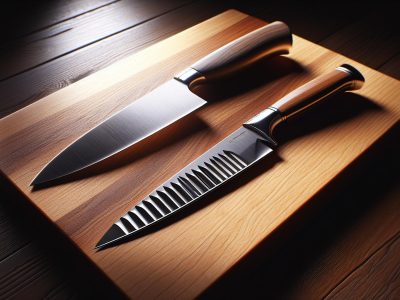
Picture this: you’re in the kitchen, ready to tackle your next culinary masterpiece. You reach for a knife, but which one? The tools you choose can make or break your cooking experience, and premium knives, Wüsthof stands out. Yet even within this iconic brand, deciding between the Classic and Gourmet lines can feel like slicing through a tough decision.
Both collections promise precision and performance, but they cater to different needs and preferences. Are you after time-honored craftsmanship or lightweight versatility? Each line offers unique features that could elevate your cooking game in unexpected ways. Understanding their differences isn’t just about comparing blades—it’s about finding the right partner for every chop, slice, and dice.
Overview Of Wusthof Knives
Wüsthof knives are renowned for their precision, durability, and craftsmanship. With over 200 years of expertise, the brand offers a range of products tailored to meet diverse culinary needs.
History And Reputation Of Wusthof
Founded in 1814 in Solingen, Germany—known as the “City of Blades”—Wüsthof has established itself as a leader in knife manufacturing. Its seven-generation family ownership reflects a commitment to quality and innovation. The company uses advanced technology alongside traditional forging techniques, ensuring consistent performance across its product lines.
Wüsthof’s reputation stems from its rigorous quality control processes and use of high-carbon stainless steel. This material resists stains while maintaining sharpness. Professional chefs worldwide trust Wüsthof knives for their reliability and ergonomic design.
Why Choose Wusthof Knives?
Choosing Wüsthof means prioritizing precision cutting and long-lasting performance. Each blade undergoes PEtec (Precision Edge Technology), which enhances sharpness by 20% compared to standard blades. Whether you’re slicing meat or dicing vegetables, these knives deliver accuracy.
The variety within Wüsthof collections accommodates different preferences. For example, the Classic line features full-tang forged construction for balance and heft, whereas the Gourmet line offers laser-cut blades ideal for lightweight handling tasks like chopping herbs or peeling fruits.
Investing in a premium knife reduces hand fatigue due to ergonomic handles designed with user comfort in mind. Also, lifetime warranties provide assurance against defects—a testament to the brand’s confidence in its products’ longevity.
Wusthof Classic Series
The Wusthof Classic Series represents the pinnacle of traditional knife craftsmanship. Designed for durability and precision, this line offers exceptional performance for both professional chefs and home cooks.
Key Features
Forged Construction
Each blade in the Classic series is forged from a single piece of high-carbon stainless steel. This full-tang design enhances balance and strength during cutting tasks.
Precision Edge Technology (PEtec)
Blades are sharpened using PEtec, resulting in edges that are 20% sharper with twice the edge retention compared to standard knives.
Triple-Riveted Handle
Handles feature an ergonomic design made from durable polyoxymethylene (POM), resistant to fading and discoloration over time.
Wide Blade Selection
The series includes versatile options such as chef’s knives, paring knives, santoku blades, and carving sets. For example, the 8-inch Chef’s Knife is ideal for chopping vegetables or slicing meats with ease.
Pros And Cons
Pros
Superior craftsmanship ensures long-lasting durability.
Full tang improves balance and control during use.
An extensive range accommodates various kitchen tasks.
Heavier than laser-cut alternatives like Gourmet knives.
Higher price point due to premium materials and forging process.
Wusthof Gourmet Series
The Wusthof Gourmet Series emphasizes lightweight construction and affordability, making it ideal for casual cooks or those new to high-quality kitchen knives. These knives are laser-cut instead of forged, creating a thinner, lighter blade with excellent maneuverability.
Key Features
Laser-Cut Blades: Instead of being forged, blades in the Gourmet line are precision laser-cut from high-carbon stainless steel sheets. This process ensures sharp edges while reducing production costs.
Lightweight Design: The absence of a full tang makes these knives significantly lighter than their Classic counterparts, enhancing ease of use during extended tasks like chopping vegetables or slicing fruit.
Ergonomic Handles: Handles made of durable polypropylene provide a comfortable grip and resist fading and discoloration over time. Their design caters to beginners by minimizing hand fatigue.
Variety Of Knives: The series includes versatile options such as chef’s knives, utility knives, and bread knives. It also offers specialty tools like tomato slicers for precise cutting needs.
Pros And Cons
Pros:
Affordability: With lower production costs compared to forged lines, the Gourmet series is budget-friendly without sacrificing core quality.
Ease Of Use: Lightweight construction suits users who prefer less strain on their hands or wrists during food preparation.
Maintenance Simplicity: High-carbon stainless steel resists corrosion effectively when cared for properly.
Cons:
Reduced Durability: Laser-cut blades lack the structural strength found in fully-forged alternatives like the Classic line.
Less Balance: Without a full tang, these knives may feel less balanced in-hand during heavier-duty tasks such as cutting dense meats or squash.
Shorter Edge Retention: Compared to PEtec-sharpened blades in forged lines, edge retention is shorter due to differences in manufacturing techniques.
Key Differences Between Wusthof Classic And Gourmet
Understanding the key distinctions between Wüsthof Classic and Gourmet knives helps you choose a tool suited to your cooking style. These differences lie in their blade material, handle design, manufacturing process, and price.
Blade Material And Construction
Wüsthof Classic knives are forged from a single piece of high-carbon stainless steel (X50CrMoV15). This enhances durability and edge retention, making them ideal for demanding tasks like chopping dense vegetables or slicing through meat. In contrast, the Gourmet series uses laser-cut blades crafted from stamped high-carbon stainless steel sheets. While lighter and more maneuverable, these blades lack the robustness of forged counterparts.
For instance, a Wüsthof Classic chef’s knife offers consistent balance during prolonged use due to its full-tang construction. A Gourmet utility knife is better for light-duty tasks like cutting sandwiches or peeling fruit because of its thinner profile.
Handle Design And Comfort
Classic handles feature triple-riveted polyoxymethylene (POM) material known for resisting fading and discoloration over time. Their ergonomic design reduces hand fatigue during heavy-duty prep work. On the other hand, Gourmet knives have polypropylene handles that are also ergonomic but less durable under extensive use.
If you’re working on intricate garnishes requiring precise cuts over an extended period, a Classic paring knife provides superior grip stability compared to its Gourmet counterpart. But; if lightweight convenience appeals more to you for quick tasks—a Gourmet option might suit better.
Manufacturing Process
The forging process defines Wüsthof Classic knives: each blade undergoes heat treatment followed by Precision Edge Technology (PEtec), resulting in sharper edges with twice the retention rate compared to standard kitchen tools. Meanwhile; Gourmet knives rely on advanced laser-cutting techniques which streamline production but compromise strength against rigorous applications.
For example—professional chefs often prefer Classics when consistency matters most during meal preparation while home cooks looking simplicity lean towards Gormet models instead!
Price Comparison
Cost varies notably between these collections due primarily too their construction methods: Classics involve labor-intensive forging whereas Gourmets benefit simpler stamping processes eventually lowering retail prices significantly!
Which One Is Right For You?
Choosing between Wüsthof Classic and Gourmet depends on how you cook, your budget, and the knife’s intended use. If you prioritize durability, balance, and edge retention for heavy-duty tasks like cutting dense vegetables or meats, the Classic line is better suited for your needs. Its forged construction ensures long-lasting performance even with frequent use.
On the other hand, if you’re a casual cook or prefer lightweight knives for basic kitchen tasks such as slicing fruits or preparing sandwiches, the Gourmet series offers excellent maneuverability at a more affordable price point. It’s ideal for those new to high-quality knives or looking for versatile options without investing in premium craftsmanship.
Consider your cooking habits. Do you often engage in intricate prep work requiring precision? The sharper blades and ergonomic handles of the Classic line provide greater control during delicate cuts like julienning herbs. Meanwhile, if ease of handling matters most due to wrist fatigue or limited experience with heavier tools, Gourmet’s lighter design is advantageous.
Budget also plays a significant role; Classics are an investment reflecting their superior quality and forging process but might not be necessary if you’re seeking functionality over luxury. Alternatively, Gourmets deliver dependable performance without exceeding financial constraints.
Think about maintenance preferences too—Classics maintain sharpness longer but may require professional sharpening over time due to their harder steel composition. In contrast, Gourmets are easier to sharpen yourself though they lack comparable edge retention.
Conclusion
Choosing between the Wüsthof Classic and Gourmet lines eventually depends on your cooking habits, preferences, and budget. Both offer exceptional quality and performance but cater to different needs. If you value durability, balance, and premium craftsmanship for heavy-duty tasks, the Classic line is worth the investment. On the other hand, the Gourmet series provides lightweight versatility at an affordable price, ideal for everyday or casual use.
By understanding the key differences in construction, design, and functionality, you can confidently select the knife that best complements your kitchen routine. Whichever line you choose, both deliver Wüsthof’s renowned precision and reliability to elevate your culinary experience.
To provide the best experiences, we use technologies like cookies to store and/or access device information. Consenting to these technologies will allow us to process data such as browsing behaviour or unique IDs on this site. Not consenting or withdrawing consent, may adversely affect certain features and functions.
Functional
Always active
The technical storage or access is strictly necessary for the legitimate purpose of enabling the use of a specific service explicitly requested by the subscriber or user, or for the sole purpose of carrying out the transmission of a communication over an electronic communications network.
Preferences
The technical storage or access is necessary for the legitimate purpose of storing preferences that are not requested by the subscriber or user.
Statistics
The technical storage or access that is used exclusively for statistical purposes.The technical storage or access that is used exclusively for anonymous statistical purposes. Without a subpoena, voluntary compliance on the part of your Internet Service Provider, or additional records from a third party, information stored or retrieved for this purpose alone cannot usually be used to identify you.
Marketing
The technical storage or access is required to create user profiles to send advertising, or to track the user on a website or across several websites for similar marketing purposes.