The Difference Between Upright and Grand Piano, With Quick Real-World Examples in Real Life
Imagine the rich, resonant echo of a grand piano filling a concert hall, or the warm, inviting tone of an upright echoing through a cozy living room. Choosing between these two is like selecting a piece of art—each has its own character and purpose.
Space, budget, and how you plan to play influence your decision, but did you know that an upright can surprise you with its powerful sound and versatility?
Understanding what makes each one unique can transform your musical journey from a simple choice into a true discovery.
Upright vs. Grand Piano: What Are the Main Differences?
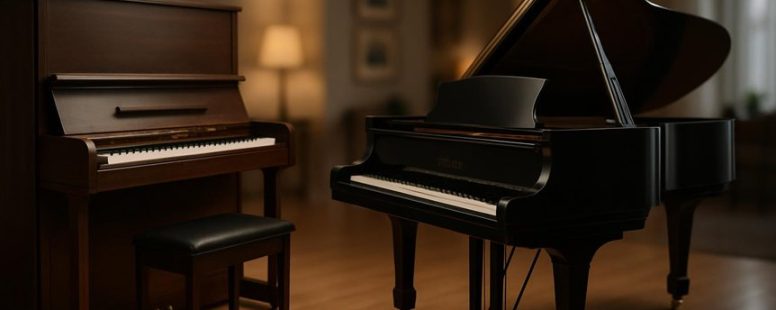
A piano can be either upright or grand, and these two types are quite different in design and sound. The grand piano is a large instrument with horizontal strings, and it was first made in the 1700s. It is known for its rich sound and wide range of dynamics, which means it can be very soft or very loud. Famous composers like Beethoven and Chopin loved using grand pianos because they helped express emotions in music.
On the other hand, the upright piano was created later, around the 1800s. It is smaller and has vertical strings, making it easier to fit in homes and small spaces. The upright piano was made so more people could learn and enjoy playing music at home. While it doesn’t have as big a sound as the grand piano, it still plays a big role in many households and schools.
Both types of pianos come from the same idea but serve different needs. The grand piano is often used in concert halls and professional performances because of its powerful sound. The upright is more common in homes and beginner lessons because it is easier to store and less expensive. Knowing these differences can help you decide which piano might be best for your needs or interest in music.
How Do the Sound Qualities of Upright and Grand Pianos Compare?
The sound of a grand piano is generally richer and more full than that of an upright piano. This is because grand pianos are larger and designed to let sound waves travel more easily. Their longer strings and bigger soundboard help create a tone that feels more vibrant and lively. When you press a key on a grand piano, the sound seems to fill the room with more depth. Many musicians prefer grand pianos for their powerful and dynamic sound, especially in concert halls.
Upright pianos, on the other hand, have a more confined sound. Since they are built vertically, their sound waves don’t spread out as much. This makes their tone feel more compressed and less expansive. They are good for smaller spaces or homes where space is limited. While upright pianos can still sound beautiful, they usually lack the full resonance of a grand.
Some people might choose an upright piano because it’s more affordable and takes up less room. But if you want a sound that is deep and lively, a grand piano is a better choice. Keep in mind, grand pianos can be much more expensive and harder to fit into a small space.
In the end, both types can produce lovely music, but the difference in size and design affects how their sound comes across. Would you prefer a full, booming tone or a more compact, softer sound? Knowing what kind of music you love can help you decide.
Which Piano Is Better for Small Spaces and Home Use?
If you want a piano for a small space at home, an upright piano is usually the best choice. It is smaller than a grand piano, so you can fit it into tight rooms easily. Even though it’s compact, an upright piano can last for many years if you take good care of it. The keys on modern upright models are sensitive and respond well, making your playing feel more like a grand piano.
Upright pianos are also more affordable and easier to move around. If you need to change where your piano sits, it’s simpler to lift and carry an upright. Grand pianos sound better and have a better key action, but they take up a lot of space and need a steady stand. That makes them less practical if you live in a small home.
In the end, for small homes, an upright piano offers the right size, good sound, and easy maintenance. It’s a smart choice if you want to enjoy playing without needing a huge room.
When Should You Opt for a Grand Piano for Performance or Recording?
A grand piano is the best choice for performance or recording when sound quality and touch matter most. These pianos are built with great craftsmanship and have a long history of making beautiful music. Their design helps produce a rich, detailed tone that is hard to copy with other instruments. When you perform live or record music, a grand piano’s strong projection and wide range of dynamics can really improve your sound. They are especially good when you want clear fidelity, quick response, and expressive control.
- The careful craftsmanship makes the piano resonate better and sound fuller.
- Over time, the design of grand pianos has improved, making them more versatile and expressive.
- A bigger soundboard and longer strings create a more detailed and fuller tone.
- They are perfect for professional settings that need top-quality sound and touch.
Some people might think a smaller upright piano can work just as well for certain recordings or performances if space or budget are limited. However, grand pianos often sound richer and respond faster. Keep in mind, grand pianos can be more expensive and harder to move, so they might not be the best option for beginners or casual players. But if you want the best sound for serious music work, a grand piano is worth the investment.
How Do Costs and Maintenance Compare for Upright and Grand Pianos?
Upright pianos cost less to buy than grand pianos, making them a good choice if you are on a budget. An upright piano can cost anywhere from $3,000 to $7,000, while a grand piano can range from $10,000 to over $100,000 depending on the brand and size. For example, a Yamaha U Series upright is affordable for many families, but a Steinway grand might be a huge investment.
When it comes to maintenance and tuning, both types need regular care. However, grand pianos usually cost more to keep in good shape. They have more parts and require more precise adjustments. Tuning a grand piano can cost around $150 to $300 each time, while tuning an upright is often a little cheaper. Over time, the costs for tuning and small repairs can add up, especially for a grand.
Some people say that grand pianos need more frequent or careful tuning because their strings are longer and more sensitive. Others argue that upright pianos are easier to maintain because they stay in one place and are less affected by temperature changes. Still, both require professional help for tuning and repairs, which can be a big expense.
Purchase Price Differences
Upright pianos are generally less expensive than grand pianos. The main reason is that grand pianos are bigger, more complex to build, and often made by well-known brands like Steinway or Yamaha. For example, a beginner upright might cost around $3,000, while a high-quality grand can go over $50,000. When buying accessories like benches or covers, the costs are small compared to the piano itself. Brand names matter too; famous brands usually have higher prices. The materials used and how carefully they are made also affect the price. If you are on a budget, an upright piano is usually the better choice. But if you want a beautiful instrument with rich sound and style, a grand might be worth the extra cost.
Maintenance and Tuning Costs
Grand pianos need more maintenance and tuning because they are bigger and more complex. They have many small parts that can go out of tune or need fixing. Tuning a grand piano takes more time and skill, so it usually costs more than tuning an upright piano. For example, tuning a grand can cost twice as much as tuning an upright because it takes longer and requires a specialist. Also, regular checkups like adjusting the pedals or fixing the action parts add to the cost. Some people might wonder if it’s worth it to spend extra money on a grand. If you want the best sound and don’t mind paying more for maintenance, a grand might be the right choice. But if you want a cheaper option that’s easier to care for, an upright piano could be better. Keep in mind, maintaining any piano regularly helps it sound better and last longer.
What Are the Key Factors Beginners Should Consider When Choosing?
When choosing a piano as a beginner, the first thing to know is what kind of piano fits your space, budget, and musical goals. Pianos come in different styles, like grand and upright, each with their own pros and cons.
A grand piano has a big, beautiful sound and is often used in concert halls. If you love classical music or want a professional feel, a grand might be the best choice. But they can be very expensive and take up a lot of space. An upright piano is smaller and more affordable, making it good for beginners with limited space. It still sounds good and is easier to move around.
Next, think about the sound quality. Some pianos sound richer and fuller, especially grand pianos, while uprights offer a balanced tone. If you have a specific sound in mind, it helps to listen to different pianos before buying.
The touch and feel of the keys are also important. Pianos with responsive keys help you play better and feel more like a real instrument. You might want to try out a few models to see which keys respond best to your touch.
Budget is another big factor. Good beginner pianos can range from a few hundred to several thousand dollars. It’s tempting to buy the cheapest, but a very cheap piano might not sound or feel good. Sometimes, spending a little more gives you a better experience and makes learning easier.
In the end, choosing a piano is about balancing what you want, what space you have, and what you can afford. Visiting a music store and trying different pianos can help you find the one that feels right. Remember, the best piano for you is the one that inspires you to practice and enjoy making music.
Final Tips: How to Pick the Right Piano for Your Needs
The best way to choose a piano is to know what you need and what fits your space and budget. First, decide if you want a grand piano, which sounds rich and is great for concerts, or an upright piano, which is smaller and easier to fit in a home or practice room. Grand pianos like Steinway or Yamaha are often used by professionals, but they can cost tens of thousands of dollars. Uprights are more affordable and can still give you a good sound for practice.
Next, think about your budget. Pianos range from a few hundred dollars for a used keyboard to thousands for a new grand piano. If you are just starting out, a good digital keyboard might be enough and is less expensive. But if you plan to play seriously, investing in a better acoustic piano can make a big difference in how it sounds and feels.
Also, consider your space. Do you have a large living room or a small apartment? A grand piano needs more room and a strong stand, while an upright fits into smaller spaces. Measure the area where you want to put the piano to make sure it will fit comfortably.
Some people look at brands like Yamaha, Kawai, or Baldwin because they make reliable instruments. Reading reviews and trying out different pianos in stores can help you find one that feels right. Remember, a piano that inspires you to play is more important than just the brand or price.
In the end, the key is to balance your budget, space, and musical goals. Think about what kind of sound and touch motivate you most. Whether you choose a grand for concerts or an upright for practice, picking the right instrument will make you want to play more.
Budget Considerations and Space
Choosing the right piano depends on your budget and space. These are the main factors that can help you decide what to buy.
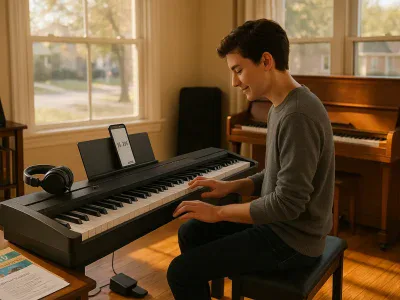
If you have a small room, a compact digital piano might be the best choice. These pianos are small, easy to move, and fit well in tight spaces. They often sound good and can be a good substitute for a real piano. For example, brands like Yamaha PSS-F30 or Casio SA-76 are affordable and take up little room.
For bigger spaces, an upright piano can be a good option. Uprights are larger than digital pianos but smaller than grand pianos. They produce a nice sound and feel similar to acoustic pianos. Brands like Baldwin or Yamaha Uprights are popular choices. Keep in mind, they can still take up a good amount of space and cost more.
Grand pianos are the most impressive but need lots of room and cost much more. They give the best sound and touch, especially if you want a professional-quality instrument. However, they might not be practical if your space is limited or if your budget is tight.
Digital pianos are usually cheaper and need less maintenance. They are good for beginners or those who want an affordable option. But, some players say they don’t feel the same as playing an acoustic piano.
In the end, your best choice depends on what you can afford and how much space you have. Think about what’s more important for you–cost, size, or sound quality. This way, you can enjoy playing without feeling cramped or overspending.
Musical Goals and Preferences
Your musical goals should help you decide which piano to buy. If you want a rich and detailed sound for expressive playing, a grand piano is usually the best choice. Grand pianos, like Steinway or Yamaha, have better craftsmanship and can produce more control over tone and dynamics. But they are larger and more expensive.
If you need a piano for practice at home and have limited space, an upright piano might be better. Uprights are smaller, easier to fit into a room, and often less costly. They still sound good enough for most players who want to improve and enjoy playing.
Think about how much control you want over volume and tone. Grand pianos give you more power and tonal variety, making them great for concerts or serious practice. Uprights can still produce a good sound for daily playing but may not be as expressive.
Your style and what you hope to achieve should match the piano you choose. For example, if you dream of performing on stage, a grand might inspire you more. For casual playing or learning, an upright can do the job well.
Remember that choosing the right piano is about balancing quality with your personal goals. The right instrument can motivate you and help you grow as a musician.

- Free Alternatives to Koala Sampler - September 28, 2026
- Xtandi Competitors in Prostate Cancer Treatment - September 28, 2026
- Ditch Pip: Top Fast UV Alternatives for Python - September 28, 2026
by Ellie B, Site Owner / Publisher