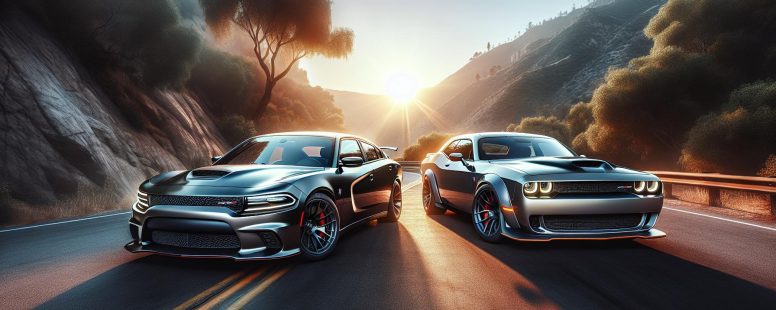
Imagine the roar of an engine that sends shivers down your spine, the kind that turns heads and makes your heart race. If you’re drawn to high-performance muscle cars, you’ve likely come across the Dodge SRT and Hellcat. Both pack serious power and attitude, but what truly sets them apart?
Whether you’re eyeing one for its raw horsepower or its refined engineering, understanding the differences between these beasts is key. The SRT offers a balance of performance and practicality, while the Hellcat takes things to an entirely new level with its jaw-dropping power. But there’s more to it than just numbers under the hood.
If you’re ready to jump into the world of Dodge’s most iconic machines, let’s break down what makes each of these cars unique—and which one might be your perfect match.
Overview Of SRT And Hellcat
The Dodge SRT and Hellcat both showcase impressive engineering, but they cater to different needs and preferences. Understanding their distinctions helps identify which model aligns with your expectations.
What Is SRT?
SRT stands for Street & Racing Technology, a high-performance division under Dodge. Vehicles labeled as SRT are designed for versatility and precision on the road and track. An SRT model combines powerful engines, advanced suspension systems, and refined interiors for an enhanced driving experience. For example, the Dodge Charger SRT features a 6.4-liter HEMI V8 engine that delivers 485 horsepower, making it a balanced choice for performance enthusiasts.
SRT cars often include adaptive damping suspension and Brembo brakes, enhancing both handling and stopping power. These components make them suitable for daily driving and spirited track use. While SRT models emphasize performance, they maintain a certain level of practicality compared to hyper-focused performance variants.
What Is Hellcat?
The Hellcat represents an extreme performance version within Dodge’s lineup, engineered by the same SRT division. It distinguishes itself with supercharged engines and highly aggressive output. The Dodge Challenger Hellcat comes with a supercharged 6.2-liter HEMI V8, producing 717 horsepower and 650 lb-ft of torque.
Hellcats emphasize raw power, evident in features like widebody designs for extra stability and SRT-tuned Bilstein adaptive dampers. They include specialized cooling systems, like the SRT Power Chiller, to maintain peak performance during intense driving. While the Hellcat prioritizes track-ready performance, its fuel economy and usability as a daily driver are secondary considerations.
Key Differences Between SRT And Hellcat
Dodge SRT and Hellcat models cater to different performance needs and driving preferences. Each offers varying specifications, designs, and features that set them apart.
Performance And Engine Specifications
The SRT emphasizes balanced performance, featuring a naturally aspirated 6.4-liter HEMI V8 engine producing 485 horsepower. You’ll experience smooth power delivery, making it suitable for both daily driving and spirited cornering. In contrast, the Hellcat prioritizes raw power, equipped with a supercharged 6.2-liter HEMI V8 engine generating 717 horsepower, or up to 807 horsepower in the Redeye variant. Torque instruments peak substantially higher in the Hellcat, supporting its focus on straight-line speed dominance.
Design And Appearance
SRT models offer a sleek yet understated aesthetic with subtle design enhancements, such as aerodynamic vents and sporty accents. For example, the Dodge Charger SRT might include a functional hood scoop and special badging that signifies performance without overstating aggression. The Hellcat, but, adopts a more aggressive design with widebody kits, large air intakes, and distinct badging. Its stance and exterior elements communicate unparalleled chaos and power.
Features And Technology
You find sophisticated features across both vehicles, but the Hellcat introduces performance-focused additions. Shared features include Uconnect infotainment systems with large touchscreens and advanced drive modes for customization. The Hellcat offers specific upgrades like line-lock functionality and launch assist for drag racing applications. Also, adaptive suspension tuning in Hellcat models aids high-speed stability, strengthening its focus on track capabilities.
Pricing And Value
SRT models start around $45,000, offering a more affordable entry into Dodge’s performance lineup. This lower cost reflects its balanced equation of performance, comfort, and usability. Hellcats, starting near $65,000, justify their higher price with extreme horsepower and specialized components. While the SRT appeals to versatility-focused budgets, Hellcats attract enthusiasts seeking unmatched power-to-dollar ratios in the muscle car segment.
Pros And Cons Of SRT And Hellcat
The Dodge SRT and Hellcat offer distinct advantages and challenges, making them suited for different driving experiences. Understanding these differences helps you align your choices based on preferences and needs.
Advantages Of SRT
Balanced Performance: The SRT delivers an excellent mix of power and practicality. Its 6.4-liter HEMI V8 generates 485 horsepower, making it powerful yet manageable for daily commutes or relaxed highway drives.
Versatile Handling: With advanced suspension systems and responsive steering, it provides precise control, offering confidence in varied driving conditions.
Affordable Entry Point: Starting around $45,000, the SRT is a more cost-effective option compared to higher-performance counterparts like the Hellcat.
Advantages Of Hellcat
Extreme Power: Equipped with a supercharged 6.2-liter HEMI V8, the Hellcat starts at 717 horsepower, with versions like the Redeye reaching up to 807 horsepower. It’s perfect for thrill-seekers and performance enthusiasts.
Aggressive Design: Widebody kits, air intakes, and specialized cooling systems enhance both aesthetics and functionality. These features distinguish it from standard muscle cars and command attention on the road.
Track-Ready Features: Line-lock functionality, adaptive suspension, and launch control improve track performance, providing a professional-grade racing experience.
Challenges With Each Model
SRT Limitations: While versatile, its power output can feel lacking for those seeking maximum adrenaline. The practicality-focused design may not appeal to drivers wanting a more aggressive aesthetic.
Hellcat Drawbacks: The Hellcat’s extreme performance comes at a cost. Pricing starts around $65,000, and its fuel consumption is high due to the supercharged engine. Also, managing the raw power on regular streets may be overwhelming for inexperienced drivers.
Who Should Choose SRT Or Hellcat?
Your choice between the Dodge SRT and Hellcat depends on your priorities, driving style, and budget. The SRT suits drivers seeking balanced performance and practicality, while the Hellcat caters to those craving raw power and an adrenaline-fueled experience.
SRT: For Versatility and Daily Comfort
The SRT excels if you value versatility and refined performance. Its smooth power delivery, advanced suspension systems, and comfortable interiors make it ideal for both city commutes and long drives. For example, the Dodge Charger SRT offers a 6.4-liter HEMI V8 with 485 horsepower, providing ample power without compromising handling. You might prefer an SRT if you’re focused on affordability and fuel efficiency while still enjoying a thrilling performance edge. It also fits drivers who want a muscle car that balances sporty design with a touch of subtlety.
Hellcat: For Thrill-Seekers and Power Enthusiasts
The Hellcat appeals to those who prioritize maximum power and bold aesthetics. With its supercharged 6.2-liter HEMI V8 engine generating at least 717 horsepower, the Hellcat is designed for speed enthusiasts. Consider the Redeye variant, boasting up to 807 horsepower, which is perfect for drag racing or track day excitement. Drivers seeking an aggressive look with widebody kits and performance upgrades like launch control might find the Hellcat more compelling. But, its high starting price, fuel costs, and challenge of managing its raw power make it better suited to experienced drivers rather than beginners.
Choosing between these models requires clear evaluation of your needs. If daily practicality and cost considerations dominate your decision, you’d lean toward the SRT. On the other hand, true adrenaline junkies or seasoned enthusiasts will likely gravitate toward the untamed power of the Hellcat.
Conclusion
Choosing between the Dodge SRT and Hellcat comes down to your driving preferences and priorities. If you’re looking for balanced performance, everyday practicality, and affordability, the SRT delivers on all fronts. For those who crave unmatched power and bold styling, the Hellcat offers an adrenaline-fueled experience that’s hard to beat.
Consider your lifestyle, budget, and how you plan to use your vehicle. Whether you prioritize versatility or raw horsepower, both models bring a unique blend of performance and innovation to the table. Your perfect muscle car is the one that aligns with your needs and driving passion.
To provide the best experiences, we use technologies like cookies to store and/or access device information. Consenting to these technologies will allow us to process data such as browsing behaviour or unique IDs on this site. Not consenting or withdrawing consent, may adversely affect certain features and functions.
Functional
Always active
The technical storage or access is strictly necessary for the legitimate purpose of enabling the use of a specific service explicitly requested by the subscriber or user, or for the sole purpose of carrying out the transmission of a communication over an electronic communications network.
Preferences
The technical storage or access is necessary for the legitimate purpose of storing preferences that are not requested by the subscriber or user.
Statistics
The technical storage or access that is used exclusively for statistical purposes.The technical storage or access that is used exclusively for anonymous statistical purposes. Without a subpoena, voluntary compliance on the part of your Internet Service Provider, or additional records from a third party, information stored or retrieved for this purpose alone cannot usually be used to identify you.
Marketing
The technical storage or access is required to create user profiles to send advertising, or to track the user on a website or across several websites for similar marketing purposes.