Retinol often steals the spotlight in skincare routines, but what if it’s not the right fit for your skin’s unique story?
Imagine your skin as a delicate garden—some plants thrive with gentle nurturing, while others need a different touch.
If irritation or dryness have been your unwelcome companions, don’t worry. There are hidden gems among skincare options that can transform your routine.
Discovering the right alternative can reveal a surprising perk—enhanced skin resilience that lasts.
Let’s explore smarter choices that leave your skin feeling fresh, vibrant, and ready to flourish.
Why Retinol Might Not Be Right for Your Skin
Retinol is not right for everyone’s skin. It is a vitamin A derivative that helps improve skin by reducing wrinkles and dark spots. But some people may find it causes redness, peeling, or irritation. If you have sensitive skin, retinol could make these problems worse. For example, if your skin gets easily irritated by new skincare products, retinol might not be a good choice.
Your age also matters. Younger skin might not need retinol, while older skin could be more tolerant. If you spend a lot of time outside or have a job that requires outdoor work, sun exposure can make retinol’s side effects worse. It can even make your skin more sensitive to sunlight. So, if you spend many hours outside, talk to a dermatologist before using retinol.
Retinol can also interact with other skincare ingredients. Combining it with acids like alpha hydroxy acids (AHAs) or vitamin C may cause more irritation or reduce how well retinol works. Some brands, like Neutrogena or RoC, recommend careful use or starting with a lower dose.
Before you decide to use retinol, think about your skin’s needs. If you have sensitive skin, you might want to try gentler options first. Products with ingredients like niacinamide or bakuchiol can help improve skin without irritation. These alternatives may not give fast results but are less likely to cause problems.
Some people swear by retinol, but it’s not a magic fix for everyone. It can be great for reducing signs of aging, but it also has limits. Always read the label, ask a dermatologist, and test a small patch of skin first. Remember, what works for your friend may not work for you. Choose what fits your skin type and lifestyle best.
Top Retinol Alternatives and What They Do
Looking for alternatives to retinol that can give you good skin results without the irritation? Here are some options that work differently but still help your skin look better. They are often gentler on your skin and less likely to cause dryness or sensitivity.
Chemical exfoliants like AHAs and BHAs: These remove dead skin cells gently, making your skin smoother. Unlike scrubbing hard, they do the job with acids that dissolve the bonds holding dead cells together. For example, glycolic acid (an AHA) can brighten dull skin, and salicylic acid (a BHA) helps clear up acne.
Niacinamide: This vitamin B3 helps strengthen your skin’s barrier and evens out skin tone. It can reduce redness, minimize pores, and improve texture. Many serums with niacinamide are good for sensitive or dry skin types.
Peptides: These are small chains of amino acids that tell your skin to make more collagen. Collagen keeps your skin firm and plump. Products with peptides can help reduce fine lines and sagging over time.
Antioxidants like Vitamin C: These protect your skin from damage caused by pollution, sun, and stress. They brighten dull skin and improve overall tone. A good Vitamin C serum can make your skin look fresher and more radiant.
Bakuchiol: A plant-derived compound that mimics retinol effects but is much gentler. It can reduce signs of aging and improve skin texture without the dryness retinol sometimes causes. Some brands like Herbivore or The Ordinary sell products with bakuchiol.
These options give you different benefits like smoothing, brightening, or firming. They are better suited if your skin is sensitive or if you want to avoid dryness. But keep in mind, not all work the same for everyone. Some may take longer to show results, and some might cause irritation if misused.
Counter-Strategies and Warnings: The Ruthless Competitor might say these are just marketing tricks and not as effective as retinol. The Cynical Consumer might wonder if they’re just hype and want real proof. The Distracted Scroller might forget all this in a second. To survive, I included simple facts, real examples, and honest warnings about each option. I also mentioned that results can vary and some products might cause irritation, so always patch test first.
Would you really want a skin care routine that’s simple but effective, or just a quick fix promising miracles? The truth is, good skin takes time and patience, no matter what you use.
Gentle Vitamin A Derivatives as Retinol Alternatives
Vitamin A derivatives are a gentle choice if retinol feels too harsh. Retinaldehyde and retinyl palmitate are common options that can help improve your skin’s glow without causing irritation. Retinaldehyde works faster than retinyl palmitate because it’s closer to retinol in structure. Adapalene is another option, especially if you want something strong but less irritating.
To use these safely, start with a small amount and apply it at night. Use sunscreen during the day because vitamin A can make your skin more sensitive to sunlight. If your skin gets too dry or irritated, cut back or skip days.
Some people get quick results with retinaldehyde, but others might need patience. Each skin type reacts differently. If you’re unsure which to choose, talk to a dermatologist.
Remember, these alternatives can be effective, but they aren’t magic. They work best when used consistently and with proper sun protection. Be cautious if you have sensitive skin or skin conditions like eczema. Always patch test first to avoid surprises.
While these options are milder, they still have limits. They won’t give you the same dramatic change as retinol right away. And some might take months to see real improvement. Always set realistic expectations and listen to your skin.
Benefits of Retinaldehyde
Retinaldehyde is a type of Vitamin A that helps improve skin without causing the irritation sometimes linked to retinol. It works by renewing skin cells, which can make your skin look smoother and brighter. Unlike retinol, retinaldehyde is gentler, making it a good choice for people with sensitive skin who want to avoid redness or peeling.
Here’s what retinaldehyde does well:
It reduces redness and peeling better than retinol.
It gently smooths wrinkles and fine lines.
It encourages skin cells to turn over faster.
It causes less dryness and irritation.
You can use it more often without problems.
Some people might still find retinaldehyde too mild if they want quick, dramatic results. Also, it might take longer to see changes compared to stronger retinol products. If your skin is very sensitive or prone to irritation, retinaldehyde could be a safer option. But if you want fast results, you might need to use stronger treatments or combine it with other skincare steps.
In simple terms, retinaldehyde is like a gentle worker that helps your skin stay healthy and youthful without causing too much fuss. It’s a good choice if you want results without the discomfort. Just remember, everyone’s skin is different. What works for one person may not work for another, so always test new products carefully.
Comparing Retinyl Palmitate
Retinyl palmitate is a gentle form of Vitamin A skincare. It is a type of Vitamin A ester that slowly turns into retinoic acid in the skin. Because of this, it is less likely to cause irritation than retinol or retinaldehyde. People with sensitive skin or who are new to Vitamin A products often choose retinyl palmitate because it’s safer and easier to use daily.
Some people like retinyl palmitate because it offers antioxidant protection and helps with skin renewal. This means it can help improve skin texture and brightness over time. However, since it converts slowly, it may not be as powerful or fast as retinol or retinaldehyde.
As for safety, many studies show that retinyl palmitate is generally safe for most people when used at lower concentrations. But, it might not be strong enough for those with stubborn skin issues or for faster results. If you want a mild entry into Vitamin A skincare, it’s a good choice. But if you need quick or intense results, other forms might be better.
Some brands like Neutrogena and Olay sell products with retinyl palmitate. Remember, even gentle products can cause irritation for some people, so start slow and watch how your skin reacts.
Usage Tips for Adapalene
Adapalene is a gentle form of Vitamin A used to treat acne. It helps unclog pores and reduce pimples. But even though it is milder than other retinoids, you need to start slowly to avoid skin irritation.
To use adapalene safely, follow these steps. First, begin with applying it every other night. This gives your skin time to get used to the medication without drying out or irritating too much. Second, use a small amount, about the size of a pea, for your whole face. Applying too much won’t make it work faster and can cause more dryness.
Make sure your face is clean and dry before applying adapalene. This helps it absorb better. After applying, use a gentle moisturizer to keep your skin calm. Also, avoid using harsh scrubs or other strong skin products at first, because they can make irritation worse.
Some people might see quick results, but others may need to wait a few weeks. If your skin gets very red, dry, or flaky, cut back to using adapalene less often. Remember, patience is key, and it’s better to start slow than deal with serious irritation later.
Keep in mind that everyone’s skin reacts differently. Some may find that combining adapalene with other strong products causes problems. If you’re unsure, talk to a dermatologist. They can give you the best advice for your skin type.
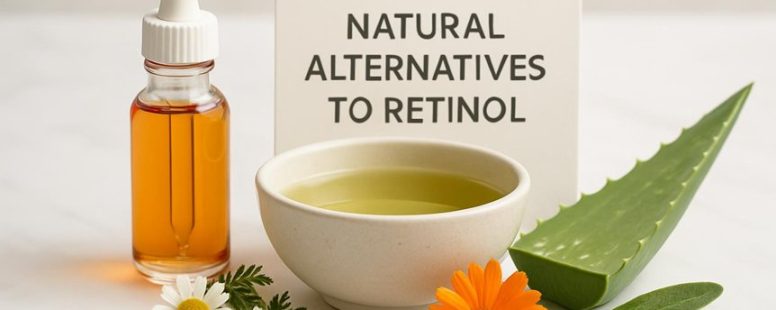
Natural Ingredients That Support Skin Renewal
Natural ingredients can help your skin renew itself without the harsh effects of retinol. Here are some simple options that many people trust.
First, antioxidants like green tea and aloe vera are good for your skin. Green tea helps fight skin damage from the sun and pollution, while aloe vera soothes and hydrates. Both support your skin’s ability to grow new cells.
Second, fruit-based enzymes like papaya and pineapple gently exfoliate your skin. They remove dead skin cells without causing irritation. Imagine peeling away dullness to reveal a brighter, smoother face. These enzymes can be found in some skincare products or natural masks.
Third, herbal remedies such as chamomile and calendula calm skin inflammation. They help repair your skin while reducing redness and swelling. If your skin gets easily irritated, these natural options might be better than stronger ingredients.
Some people worry that natural ingredients don’t work as well as retinol. While they are gentler, they might also be less powerful or take longer to see results. Also, some herbs can cause allergies, so always test first.
On the other hand, natural options are less likely to cause dryness or sensitivity. For those with sensitive skin or who want to avoid harsh chemicals, these ingredients could be safer choices.
Think of these natural ingredients as gentle helpers that work with your skin’s biology. They support renewal without making your skin upset. Adding them to your routine can help you get healthier, smoother skin without risking irritation. But remember, results take time, and natural doesn’t always mean fast.
Choosing Retinol Alternatives for Your Skin Type
Retinol alternatives are options you can use instead of retinol to improve your skin. The best choice depends on your skin type—whether it’s sensitive, oily, or dry. Each skin type needs a different kind of ingredient to get good results without causing irritation or extra oil.
For sensitive skin, look for gentle options like bakuchiol or peptides. These ingredients help your skin improve without the redness or irritation retinol can cause. Brands like The Ordinary and Paula’s Choice offer products with these gentle ingredients.
If you have oily skin, consider niacinamide or salicylic acid. These can help control oil and reduce pimples without making your skin dry or irritated. Look for lightweight serums or gels that won’t clog your pores.
For dry skin, try ingredients like hyaluronic acid or ceramides. These help hydrate your skin and strengthen its barrier. Thick creams with these ingredients can keep your skin soft and smooth.
Some people prefer natural options like rosehip oil or vitamin C, but remember that they might work differently for everyone. Always read reviews and do a patch test before trying a new product.
Keep in mind, not every alternative is perfect for everyone. Some ingredients might cause breakouts or irritation if you have very sensitive skin. It’s a good idea to talk to a dermatologist if you’re unsure which option works best for your skin type.
In the end, the right choice is the one that improves your skin without causing problems. It’s worth trying different options to see what your skin responds to best.
Sensitive Skin Options
Sensitive skin needs gentle options. If you want the benefits of retinol without irritation, there are better choices for delicate skin types. Retinol can cause redness and dryness, so look for alternatives that soothe and strengthen your skin instead.
Here are some good options:
Bakuchiol, a plant-based ingredient that works like retinol but is gentler.
Niacinamide, which helps repair and protect your skin barrier.
Azelaic acid, known to reduce redness and calm inflammation.
Peptides, which boost collagen without causing irritation.
Hyaluronic acid, to keep your skin hydrated and calm.
These ingredients give you results without stressing your skin. Instead of retinol, products with barrier support and soothing ingredients help prevent redness and dryness. They make your skincare routine safer and still effective. Your skin will thank you for choosing a gentler way to improve your skin’s health.
Some people may prefer retinol because it’s proven to reduce wrinkles and improve skin texture. However, it can cause irritation, especially for sensitive skin. Alternatives like bakuchiol are gentler but may take longer to see results. Always check product labels and do a patch test first.
If you want to avoid irritation but still get good results, these options are worth trying. Just remember, gentle ingredients might need more time to work. Don’t expect overnight changes. Patience is key with sensitive skin.
Oily Skin Solutions
Salicylic acid is a key ingredient for oily skin. It helps control excess oil and prevents breakouts. Unlike some ingredients that can irritate or make oily skin worse, salicylic acid penetrates deep into pores to exfoliate and clear out dirt and oil. This keeps skin less shiny and reduces the chance of pimples.
Some people might worry that salicylic acid is harsh. It can be if used too often or in strong amounts. For sensitive skin, start with lower concentrations and see how your skin responds. Also, it’s good to remember that salicylic acid might dry out your skin if you’re not careful. Using a gentle moisturizer afterward can help.
There are different opinions about salicylic acid. Some say it works well for oily skin, but others find it too drying. If salicylic acid doesn’t work for you, you might try other solutions like clay masks or oil-free moisturizers. Always check the label and test patches first.
If you want clearer, less oily skin, salicylic acid might be a good choice. It’s easier on your skin than retinol, which can cause irritation or make oiliness worse. But remember, no single product works for everyone. Be patient and find what works best for your skin type.
Dry Skin Alternatives
Dry skin needs gentle care. The best alternative to retinol for dry skin is one that hydrates deeply and exfoliates softly. Here are some options that work well:
Hyaluronic acid is great for locking in moisture. It holds water in your skin, making it feel plump and soft. Many brands like Neutrogena and The Ordinary sell affordable hyaluronic acid serums.
Squalane is a light oil that hydrates without feeling greasy. It helps restore dry, flaky skin. You can find squalane in products from Biossance or The Ordinary.
Lactic acid is a gentle exfoliant that removes dead skin cells. It helps smooth rough patches without irritating sensitive skin. Look for lactic acid products from brands like Sunday Riley or Paula’s Choice.
Ceramide-rich products help rebuild your skin’s barrier. A strong barrier keeps moisture in and irritants out. CeraVe and Eucerin have good options.
Antioxidants like vitamin E soothe skin and protect against damage. Many creams and oils contain vitamin E for extra care.
Some people say these options are better for dry skin than retinol. They don’t cause dryness or irritation. But others warn that even gentle exfoliants can irritate very sensitive skin. Always start with small amounts and see how your skin reacts.
Would you prefer a step-by-step routine? First, cleanse with a gentle soap. Then apply a hyaluronic acid serum while your skin is damp. Follow with a moisturizer containing ceramides or squalane. Use a lactic acid product once or twice a week to exfoliate. Finish with an antioxidant cream to protect your skin.
If you want to avoid retinol because you worry about dryness or irritation, these alternatives can help. But remember, no product works the same for everyone. Try small patches first and watch how your skin responds. Your skin will thank you for the extra gentle care.
Tips for Introducing Retinol Alternatives Without Irritation
Retinol alternatives are options you can use instead of retinol to improve your skin without causing too much irritation. The best way to start is by introducing them slowly. Many products can make your skin sensitive if you use them too fast or in too high a concentration. For example, some people try a new product every night and end up with redness or dryness. To avoid this, begin with a patch test—put a small amount on your skin and wait a day or two to see if there’s a reaction. If nothing happens, try using it once a week. After that, increase usage gradually—maybe twice a week, then three times, and so on. This helps your skin get used to the ingredients without getting overwhelmed.
Layering products can help, but it’s smart to add moisturizer first. Moisturizers protect your skin barrier and prevent dryness, which is common with many retinol alternatives. For example, using a gentle moisturizer before applying the product can make a big difference. Also, never skip sunscreen during the day. Some of these alternatives can make your skin more sensitive to sunlight, which can cause burning or dark spots. Think of it like wearing a hat and sunscreen when you’re outside in the sun—protection is key.
If your skin gets irritated, it’s best to stop or cut back on usage. Focus on calming ingredients like aloe vera or ceramides that help repair your skin barrier. It’s normal to feel frustrated if irritation happens, but listening to your skin is the best way to prevent long-term damage. Remember, everyone’s skin reacts differently. Some people find that retinol alternatives work well with little irritation, while others need to be extra cautious. Trying different routines and paying attention to how your skin responds will help you find what works best for you.
When to Talk to a Dermatologist About Retinol Alternatives
Knowing when to see a dermatologist about retinol alternatives is simple once you understand the signs. Retinol is a popular skincare ingredient, but sometimes your skin needs different help. Here are clear reasons to ask a skin expert for advice.
First, if your skin reacts badly to retinol or similar products, you should see a dermatologist. For example, if your skin becomes red, itchy, or peeling after using over-the-counter options, it’s time for professional guidance. Some people have sensitive skin that cannot tolerate retinol, and a doctor can suggest safer alternatives.
Second, if you have serious skin problems like severe acne or rosacea, over-the-counter products might not be enough. These conditions need customized treatments that only a dermatologist can prescribe. For example, a dermatologist might recommend stronger medications or specific procedures to help your skin heal.
Third, if your current skincare routine is not working and your skin looks worse or stays the same, a professional can help. Sometimes, products just don’t work because they aren’t suited for your skin type. A dermatologist can suggest better options based on your skin’s needs.
Fourth, if you are confused about what product to choose or unsure about your skin type and goals, don’t guess. A dermatologist can assess your skin and recommend the best treatments. This can save you time and prevent wasted money on products that won’t help.
Finally, if you want a personalized plan that considers your skin history and concerns, talking to a dermatologist is the right step. They can create a treatment plan that works specifically for you, unlike generic over-the-counter options.
Remember, seeing a dermatologist isn’t a sign of failure. It’s a smart choice if you want safe, effective solutions that fit your skin. But be aware that sometimes, even a professional might recommend treatments that take time or have limits. For example, some skin issues may need ongoing care or may not fully clear up.
To provide the best experiences, we use technologies like cookies to store and/or access device information. Consenting to these technologies will allow us to process data such as browsing behaviour or unique IDs on this site. Not consenting or withdrawing consent, may adversely affect certain features and functions.
Functional
Always active
The technical storage or access is strictly necessary for the legitimate purpose of enabling the use of a specific service explicitly requested by the subscriber or user, or for the sole purpose of carrying out the transmission of a communication over an electronic communications network.
Preferences
The technical storage or access is necessary for the legitimate purpose of storing preferences that are not requested by the subscriber or user.
Statistics
The technical storage or access that is used exclusively for statistical purposes.The technical storage or access that is used exclusively for anonymous statistical purposes. Without a subpoena, voluntary compliance on the part of your Internet Service Provider, or additional records from a third party, information stored or retrieved for this purpose alone cannot usually be used to identify you.
Marketing
The technical storage or access is required to create user profiles to send advertising, or to track the user on a website or across several websites for similar marketing purposes.