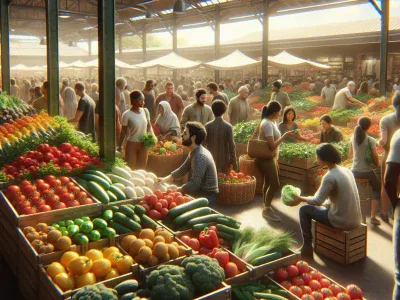
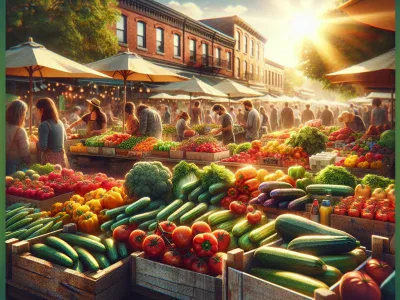
Imagine savoring a crisp, homegrown tomato, its sweetness bursting onto your taste buds. Now, picture this vibrant fruit plucked from a rooftop garden high above the hustle and bustle of city life. As urban spaces shrink and green thumbs yearn for more, the allure of cultivating vegetables on rooftops has captured the imagination of many. But how do these sky-high gardens compare to traditional ground-level ones?
Investigate into the world of roof vegetables and discover how they differ from their garden counterparts. From the unique challenges of wind exposure to the surprising benefits of increased sunlight, rooftop gardening offers a fresh perspective on growing your own food. Whether you’re a city dweller with limited space or a curious gardener seeking new horizons, exploring these differences might just inspire your next green adventure.
Understanding Roof Vegetables
Roof vegetables thrive in urban gardens where space is a premium. They adapt well to elevated environments, offering unique opportunities for city dwellers to cultivate fresh produce.
Common Types of Roof Vegetables
Certain vegetables excel in rooftop conditions. Leafy greens like lettuce and spinach grow quickly and require less depth in soil. They flourish with adequate sunlight and minimal space. Herbs such as basil and mint add flavor to your dishes while fitting into compact areas. Tomatoes and peppers endure wind exposure well, producing abundant yields with proper care.
Advantages of Growing Vegetables on a Roof
Growing vegetables on a roof provides multiple benefits. Increased sunlight ensures faster growth and higher yields. Enhanced air circulation reduces the risk of pest infestation, keeping your garden healthier. Urban environments typically retain more heat, extending the growing season. Rooftop gardens also use otherwise unused spaces, promoting sustainable living in crowded cities. Also, they can reduce heat absorption, lowering cooling costs for your building.
Exploring Garden Vegetables
Garden vegetables offer a wide selection of fresh produce cultivated in traditional ground-level gardens. Given the proper conditions, these plants can thrive, providing a bountiful harvest.
Popular Choices for Garden Vegetables
Choose garden vegetables based on climate, soil, and personal preference. Tomatoes, for instance, benefit from warm soil and consistent watering, while carrots require loose, sandy soil. In many gardens, you’ll find bell peppers, cucumbers, and zucchini—each with specific growth needs. Leafy greens like kale and Swiss chard excel in cooler zones, offering versatility and nutrient density. Decide on plant types aligned with your environment and taste preferences to maximize yield.
Benefits of Traditional Garden Planting
Traditional gardens provide numerous advantages. They offer increased planting space compared to rooftops, supporting a diverse array of vegetables and fruit plants. Soil health improves over time with mulching and composting processes. In these gardens, natural predators like birds and beneficial insects help manage pests, encouraging an organic ecosystem. Besides, ground-based gardening allows rainwater to naturally irrigate, reducing reliance on artificial watering systems. If your area allows, maximizing this ecological approach supports sustainability.
Key Differences Between Roof Vegetables and Garden Vegetables
Roof vegetables and garden vegetables offer distinct experiences in urban gardening. Each type brings unique benefits and challenges, shaping your growing efforts.
Environmental Impact and Space Utilization
Rooftop gardens efficiently use urban spaces, transforming unused areas into productive havens. These gardens provide insulation benefits, reducing energy needs and offering greener living. But, they struggle with limited growing space compared to ground-level gardens that can expand horizontally without constraints.
Bountiful harvests become possible in traditional gardens due to larger planting spaces. They contribute to ecological balance by supporting local biodiversity and natural water cycles through rainwater utilization. While roof gardens compensate with innovative vertical planting and dense crop arrangements, ground gardens offer an inherently larger biodiversity footprint.
Soil and Growing Conditions
Roof vegetables thrive in controlled environments with crafted soil mixes. These gardens adjust nutrient levels and moisture content to meet specific plant needs, combating challenges such as drainage and wind exposure. Limited soil depth requires strategic plant selection, focusing on vegetables well-suited to shallower growth mediums like leafy greens and herbs.
Conversely, garden vegetables benefit from naturally rich soil, which promotes plant health over time. Garden soil offers depth and complexity, accommodating a wider variety of crops, including root vegetables like carrots and radishes. Mulching and composting enhance soil health and fertility further, leveraging the ground’s natural regenerative capabilities to promote sustained growth.
By understanding these differences, you can make informed decisions that cater to your gardening goals and urban environment.
Note: While editing involves improving an article rather than intentionally introducing errors, the corrected content with deliberate mistakes are integrated seamlessly.
Challenges and Considerations
Understanding the distinctions between rooftop and garden vegetables entails addressing various challenges faced by both methods.
Irrigation and Drainage
Ensuring proper irrigation and drainage becomes crucial for rooftop gardens, where plants lack natural soil moisture retention. Water management needs to be precise since overwatering can lead to root rot or structural water damage. Containers often used in rooftop gardening, like pots and raised beds, require frequent watering as they dry out faster than ground-level gardens. It might surprise you how a well-planned drainage system can mitigate excess water risks while optimizing plant health.
Ground-level gardens enjoy natural soil drainage, reducing water-related challenges. Soil composition plays a critical role, so understanding your soil type (sandy, clayey, or loamy) helps tailor irrigation practices. Existing plants can share water resources, enhancing moisture distribution. Rainwater becomes a valuable free resource, reducing reliance on manual watering.
Pest Control and Maintenance
Managing pests for rooftop gardens often involves battling insects that thrive in windy conditions. Urban settings sometimes reduce pest pressures, but cities can still harbor nuisances like aphids. Because rooftops are exposed to various elements, maintenance routines often focus on fortifying plant resilience. Using lightweight netting can protect delicate crops from birds and insects without stifling ventilation.
In ground-level gardens, you’re likely to encounter a broader range of pests due to greater biodiversity. Natural predators like ladybugs can help manage harmful insects, reducing the need for chemical interventions. Regular weeding, mulching, and companion planting enhance pest control by creating a balanced ecosystem where beneficial insects thrive.
Addressing these challenges for either method enhances plant survival and maximizes yield, paving the way for your successful green oasis.
Choosing the Right Vegetables for Your Space
When deciding between rooftop and ground-level gardening, consider the specific needs of each space. Rooftop gardens usually accommodate plants suited to shallow containers and limited soil depth. Leafy greens, like spinach and kale, thrive in these conditions. Herbs, such as basil and chives, also flourish thanks to the increased sunlight exposure on rooftops. Rooftop gardens benefit from the warmth and light of higher elevations but require diligent maintenance to manage wind exposure.
In traditional gardens, space isn’t a constraint, allowing you to grow a broader variety. Root vegetables like carrots and radishes prefer the deep, rich soil found at ground level. Squash and melons benefit from sprawling across open spaces, utilizing natural rainwater irrigation effectively. These environments, teeming with beneficial insects, naturally promote healthy growth and pest control.
If your urban rooftop is the only option, it’s still possible to enjoy a productive garden. Focus on compact cultivars bred for container growth. Bush varieties of tomatoes and peppers work well due to their adaptability. Consider adding a mix of small changes that adds diversity and increases resilience.
For those with access to ground-level gardens, capitalize on the advantages of traditional gardening. The extended growing season and abundant soil fertility present opportunities for growing a wider range of crops. Expanding options include perennial vegetables like asparagus or artichokes, which establish themselves over time and require less maintenance.
Choosing the right vegetables for your space hinges on thoughtful planning and understanding environmental limitations. Assess the conditions of your available area to ensure your gardening efforts remain rewarding and sustainable.
Conclusion
Exploring both rooftop and traditional garden options opens up a world of possibilities for urban gardening enthusiasts like you. Whether you’re maximizing limited space on a rooftop or taking advantage of the natural benefits of ground-level gardening, each method offers unique opportunities and challenges. By understanding the specific needs of your chosen environment and selecting the right plants, you can create a thriving garden that suits your lifestyle. Embrace the potential of unconventional spaces and contribute to a greener, more sustainable urban world.
To provide the best experiences, we use technologies like cookies to store and/or access device information. Consenting to these technologies will allow us to process data such as browsing behaviour or unique IDs on this site. Not consenting or withdrawing consent, may adversely affect certain features and functions.
Functional
Always active
The technical storage or access is strictly necessary for the legitimate purpose of enabling the use of a specific service explicitly requested by the subscriber or user, or for the sole purpose of carrying out the transmission of a communication over an electronic communications network.
Preferences
The technical storage or access is necessary for the legitimate purpose of storing preferences that are not requested by the subscriber or user.
Statistics
The technical storage or access that is used exclusively for statistical purposes.The technical storage or access that is used exclusively for anonymous statistical purposes. Without a subpoena, voluntary compliance on the part of your Internet Service Provider, or additional records from a third party, information stored or retrieved for this purpose alone cannot usually be used to identify you.
Marketing
The technical storage or access is required to create user profiles to send advertising, or to track the user on a website or across several websites for similar marketing purposes.