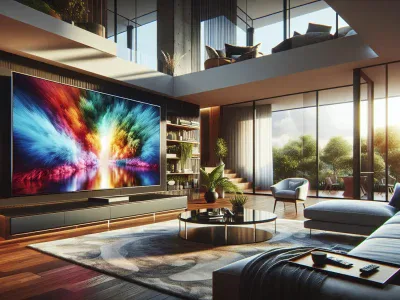
Imagine walking into an electronics store, surrounded by walls of sleek, vibrant TVs, each boasting terms like QLED and UHD. It’s easy to feel overwhelmed, isn’t it? These buzzwords promise cutting-edge technology and jaw-dropping visuals, but what do they really mean for your viewing experience? Are they just marketing jargon, or is there a true difference that could transform your movie nights and gaming marathons?
When it comes to choosing the perfect TV, understanding the distinction between QLED and UHD is key. While UHD focuses on resolution and clarity, QLED takes things further with enhanced color and brightness thanks to quantum dot technology. But which one aligns with your needs? Whether you’re after cinematic visuals or a budget-friendly option, unraveling these terms will help you make an well-informed choice. Let’s jump into what sets these two apart and how they can elevate your entertainment.
What Is QLED?
QLED, or Quantum Dot Light Emitting Diode, uses advanced Quantum Dot technology to enhance visual performance. It’s designed to produce vibrant colors and superior brightness levels.
Understanding QLED Technology
Quantum Dots are microscopic molecules that emit light when exposed to energy. In QLED displays, LED backlights project light through a Quantum Dot layer, delivering a wider color gamut and precise color reproduction. This technology enables richer reds, brighter greens, and deeper blues compared to standard LED displays.
Samsung popularized QLED, incorporating it into their premium TVs. It’s built on traditional LCD technology but with enhanced light efficiency and peak brightness. For example, a QLED panel achieves over 1,000 nits of brightness, ideal for well-lit environments.
HDR (High Dynamic Range) integration in QLED TVs provides detailed shadows and highlights by increasing contrast. The result is a lifelike viewing experience, whether you’re watching movies, sports, or video games.
Advantages:
Brightness: High brightness levels are perfect for brightly lit spaces. A QLED TV, for instance, maintains image clarity under direct sunlight.
Durability: Quantum Dots resist degradation over time, ensuring longer display lifespans compared to OLED displays.
Color Volume: Superior color accuracy is consistent across brightness levels, enhancing HDR content.
Disadvantages:
Viewing Angles: QLED displays often face limited viewing angles. Colors and clarity may degrade when viewed from the side.
Black Levels: Since QLED relies on backlighting, it can’t deliver the absolute black levels found in OLED displays, especially in dark scenes.
Price: Premium QLED TVs are generally more expensive than standard UHD or LED models.
QLED caters to users seeking vibrant visuals and impressive durability, aligning with home theater setups and outdoor environments.
What Is UHD?
UHD, or Ultra High Definition, refers to a display resolution of 3840 x 2160 pixels, commonly known as 4K. This resolution provides four times the pixel count of Full HD (1920 x 1080 pixels). With UHD, you experience sharper images, finer details, and better visuals, especially on larger screens.
Understanding UHD Resolution
UHD resolution enhances clarity by packing more pixels into the display, resulting in smoother and more lifelike images. Pixel density affects image quality—higher pixel density means less visible pixelation, even when seated closer to the screen. UHD is ideal for screen sizes above 40 inches, as the added pixels maximize visual impact.
Streaming platforms like Netflix and Disney+ offer UHD content for shows and movies, making it accessible for home entertainment. Gaming consoles such as PlayStation 5 and Xbox Series X also support UHD, enhancing gameplay with realistic graphics. But, to fully enjoy UHD, ensure your content and devices are UHD-compatible, since lower-resolution content won’t use the display’s capabilities.
Pros And Cons Of UHD Displays
Advantages
Improved Picture Quality: UHD delivers clear images with finer details, especially useful for sports broadcasts or nature documentaries.
Compatibility: Many devices and platforms now support UHD, including streaming services, Blu-ray players, and gaming consoles.
Increasing Affordability: Market competition has made UHD TVs more affordable over the past decade.
Content Limitations: Not all content is available in UHD; older shows or movies may display at lower resolutions.
Bandwidth Requirements: Streaming UHD content needs higher internet speeds, usually at least 25 Mbps, which might not suit all households.
Price Variance: While costs are lowering, high-quality UHD TVs with additional features like HDR may remain expensive.
When considering UHD, balance its benefits against external factors like content availability and connectivity for a seamless viewing experience.
Key Differences Between QLED And UHD
QLED and UHD describe distinct aspects of TV technology, focusing on display type and resolution, respectively. Understanding these differences helps you choose the right TV for your needs.
Technology And Panel Type
QLED uses Quantum Dot technology. These microscopic particles enhance color output and brightness by converting LED backlight into pure, vibrant hues. QLED builds on LCD panels, adding a layer of quantum dots, while retaining LED backlighting.
UHD, on the other hand, refers to a resolution standard. It packs 3840 x 2160 pixels into a screen, offering four times the pixels of Full HD. UHD defines the clarity but doesn’t dictate the technology behind the display.
For example, you might find UHD TVs using OLED, QLED, or standard LED panels. QLED focuses on enhancing panel performance, whereas UHD centers on pixel density and resolution.
Picture Quality And Brightness
QLED TVs stand out with brightness levels exceeding 1500 nits, making them ideal for well-lit rooms. These TVs handle intense daylight without reducing image quality, thanks to efficient light diffusion by quantum dots.
UHD enhances visual clarity by delivering sharp images with fine details. But, brightness varies depending on the TV’s underlying panel. For instance, OLED UHD TVs offer deep blacks but deliver less brightness compared to QLED panels.
If you’re watching HDR content, QLED ensures vibrant contrast by blending high brightness and wider color gamut. UHD contributes by rendering this content in its highest resolution, ensuring precision.
Viewing Angles And Color Accuracy
QLED TVs often suffer from limited viewing angles. Colors can appear washed out when viewed from the side due to the inherent structure of LCD technology. This could impact group viewing experiences.
UHD doesn’t affect viewing angles directly; they rely on the panel type used. OLED UHD TVs excel in maintaining color accuracy and contrast, even at extreme angles.
If you often watch from differing angles around the room, QLED might not provide the consistency of OLED, though it’s perfectly suitable for head-on viewing.
When To Choose QLED Over UHD
Choose QLED TVs if vibrant colors and brightness are priorities. The Quantum Dot technology in QLED enhances color reproduction, achieving superior color volume and lifelike contrasts. For example, in brightly-lit rooms, QLED screens maintain visibility better compared to standard UHD screens due to their higher peak brightness.
Select QLED for content with rich visuals. Movies, nature documentaries, and sports benefit from the wider color gamut and HDR compatibility found in QLED models. Gaming enthusiasts appreciate low input lag and vivid visuals on QLED TVs, elevating gaming sessions with more immersive experiences.
Go for QLED when durability matters. QLED displays use inorganic materials, resulting in less likelihood of burn-in issues over time versus OLED UHD TVs. This makes them ideal for long hours of usage, such as home entertainment setups or digital dashboards.
Consider QLED for premium features. Samsung’s flagship QLED models often include advanced upscaling, AI processing, and smart features that enhance functionality beyond basic UHD resolutions. If the budget allows, these premium upgrades could justify the cost for tech-astute users.
Factor QLED options into your choice if ambient lighting impacts viewing experience. A well-lit living space may require higher luminance and better light management, both strengths of QLED technology over standard UHD displays.
When To Choose UHD Over QLED
Choose UHD when your priority is resolution and clarity across different content types. UHD displays, with their 3840 x 2160 resolution, offer stunningly sharp images, making them ideal for streaming movies or shows on platforms like Netflix or Disney+. If you’re using gaming consoles like the PlayStation 5, UHD provides a seamless, immersive gaming experience due to the enhanced details in visuals.
Opt for UHD if you prefer affordability without compromising on visual quality. UHD TVs are more budget-friendly compared to QLED models, especially for entry-level configurations. Large families or groups benefit from UHD when paired with IPS panels, which provide wider viewing angles for collective watching experiences.
Pick UHD when your room’s lighting conditions don’t demand high brightness levels. In typical indoor lighting or darker environments, UHD performs well, particularly with HDR-supported models that boost contrast and depth. For example, cinematic content with nuanced shadow details can appear remarkably lifelike.
Choose UHD when content availability aligns with your preferences. Many streaming services, YouTube videos, and even cable providers have started optimizing content in 4K UHD resolution. With increasing support for UHD by smartphones, cameras, and editing software, compatibility’s not an issue in modern entertainment ecosystems.
Conclusion
Choosing between QLED and UHD eventually depends on your priorities and viewing environment. If you value vibrant colors, exceptional brightness, and premium features, QLED may be the perfect fit. On the other hand, if resolution clarity and affordability are your main concerns, UHD offers excellent value for a wide range of content.
Consider factors like ambient lighting, content preferences, and your budget to determine the best option for your needs. Both technologies bring unique strengths to the table, ensuring you’ll enjoy an enhanced viewing experience no matter which one you choose.
To provide the best experiences, we use technologies like cookies to store and/or access device information. Consenting to these technologies will allow us to process data such as browsing behaviour or unique IDs on this site. Not consenting or withdrawing consent, may adversely affect certain features and functions.
Functional
Always active
The technical storage or access is strictly necessary for the legitimate purpose of enabling the use of a specific service explicitly requested by the subscriber or user, or for the sole purpose of carrying out the transmission of a communication over an electronic communications network.
Preferences
The technical storage or access is necessary for the legitimate purpose of storing preferences that are not requested by the subscriber or user.
Statistics
The technical storage or access that is used exclusively for statistical purposes.The technical storage or access that is used exclusively for anonymous statistical purposes. Without a subpoena, voluntary compliance on the part of your Internet Service Provider, or additional records from a third party, information stored or retrieved for this purpose alone cannot usually be used to identify you.
Marketing
The technical storage or access is required to create user profiles to send advertising, or to track the user on a website or across several websites for similar marketing purposes.