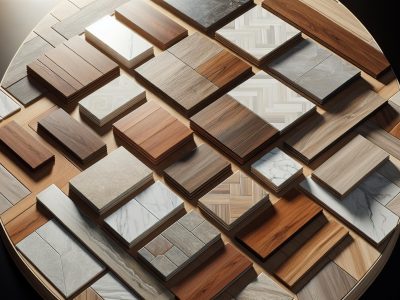
Tiles are a versatile option for home improvement projects, offering durability, aesthetic appeal, and functionality. Among the various types of tiles available, porcelain and ceramic stand out as two prominent choices. Whether you’re reimagining your kitchen, upgrading your bathroom, or creating a distinctive patio area, understanding these tiles’ unique characteristics can help you make an well-informed choice.
Understanding Tile Materials
What Are Porcelain Tiles?
Porcelain tiles are a type of ceramic tile known for their unique features. They are manufactured from finer, denser clay and fired at higher temperatures compared to standard ceramic tiles. This process results in a tile that is highly durable, resistant to moisture, and often completely impervious to water. Porcelain tiles are frequently used in areas where these characteristics are critical, offering both functionality and style.
What Are Ceramic Tiles?
Ceramic tiles, on the other hand, are made from coarser clay and are fired at lower temperatures. This gives them a slightly softer texture which, while still durable, makes them easier to cut and install. They are an excellent choice for interior applications where water resistance is less critical, such as living areas or bedroom floors. Ceramic tiles offer a wide range of colors and designs, making them a popular choice for decorative purposes.
Comparison of Porcelain and Ceramic Tiles
Material Composition and Manufacturing Process
Porcelain tiles are composed of finely ground clay and other natural materials, followed by being fired at higher temperatures, while ceramic tiles use coarser clays and have a more standardized production process, this difference reinforces the disparities in their water resistance and hardness.
Durability and Longevity
Porcelain tiles are denser and less porous, making them highly resistant to wear and suitable for high-traffic areas. Ceramic tiles, while durable, may not withstand the same level of stress and are recommended for less demanding applications.
Design Versatility and Appearance
Although both porcelain and ceramic tiles can be printed with a variety of designs, porcelain tiles are often available in polished or textured finishes, mimicking natural stones more closely.
Application Suitability and Performance
Porcelain’s water-resistant properties make it ideal for outdoor use and wet areas, whereas ceramic tiles’ versatility and ease of customization are great for walls and decorative features indoors.
Cost Considerations
While porcelain tiles are generally more expensive due to their manufacturing process, ceramic tiles are a cost-effective alternative that still offers beauty and functionality.
Maintenance and Cleaning
Maintaining porcelain and ceramic tiles involves simple processes. Both can be cleaned with mild detergents and water, but porcelain’s less porous nature means it resists stains and absorbs lesser moisture, reducing the need for frequent cleaning or sealing. Ceramic tiles may require occasional sealing to ensure longevity, especially in moisture-prone areas.
Environmental Impact
Tile production involves environmental considerations that might influence your choice. Porcelain tiles, due to their rigorous manufacturing process, might consume more energy during production: but, their durability often contributes to less waste over time. Ceramic tiles, with their lower production footprint but shorter lifespan, present an alternative worth weighing, especially when factoring in their recyclability.
Making the Right Choice
Selecting between porcelain and ceramic tiles depends on various factors, including application, budget, aesthetics, and maintenance preferences. Evaluate the specific needs of your project, whether it’s durability for an outdoor patio or vibrant designs for a cozy indoor space. Consulting with a flooring expert can also provide tailored insights to complement your vision.
To provide the best experiences, we use technologies like cookies to store and/or access device information. Consenting to these technologies will allow us to process data such as browsing behaviour or unique IDs on this site. Not consenting or withdrawing consent, may adversely affect certain features and functions.
Functional
Always active
The technical storage or access is strictly necessary for the legitimate purpose of enabling the use of a specific service explicitly requested by the subscriber or user, or for the sole purpose of carrying out the transmission of a communication over an electronic communications network.
Preferences
The technical storage or access is necessary for the legitimate purpose of storing preferences that are not requested by the subscriber or user.
Statistics
The technical storage or access that is used exclusively for statistical purposes.The technical storage or access that is used exclusively for anonymous statistical purposes. Without a subpoena, voluntary compliance on the part of your Internet Service Provider, or additional records from a third party, information stored or retrieved for this purpose alone cannot usually be used to identify you.
Marketing
The technical storage or access is required to create user profiles to send advertising, or to track the user on a website or across several websites for similar marketing purposes.