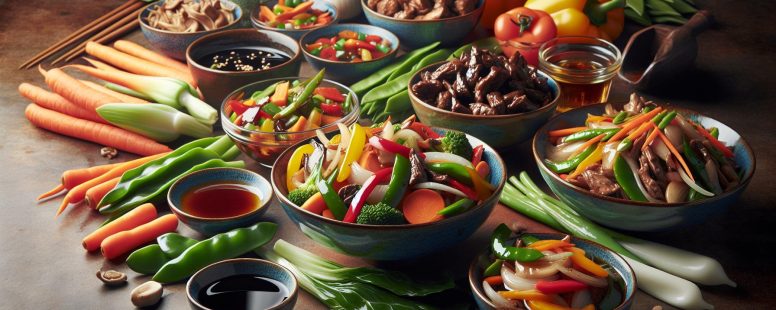
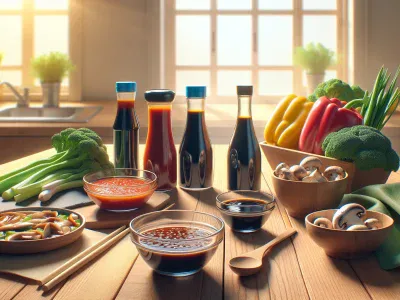
Standing in the Asian food aisle, you might find yourself puzzled by two dark, savory condiments that look remarkably similar: oyster sauce and hoisin sauce. While these staples of Chinese cuisine often appear in the same recipes, they deliver distinctly different flavor profiles that can dramatically alter your dish’s final taste.
Understanding the difference between these two sauces isn’t just culinary trivia—it’s essential knowledge for anyone looking to master Asian cooking at home. Oyster sauce brings a rich umami depth with subtle sweetness, while hoisin offers a complex sweet-savory balance with notes of five-spice. The right choice can transform your stir-fry, noodle dish, or marinade from good to authentically delicious.
What Are Oyster Sauce and Hoisin Sauce?
Oyster sauce and hoisin sauce are essential condiments in Asian cuisine that enhance the flavor profile of countless dishes. Even though their similar dark appearance, these sauces differ significantly in ingredients, taste, and culinary applications.
Origins of Oyster Sauce
Oyster sauce originated in Guangdong Province, China, during the 1880s. Legend tells of Lee Kum Sheung, a tea house owner who accidentally overcooked oysters until they caramelized into a thick, aromatic sauce. This accident led to the creation of what’s now known as oyster sauce. Traditional oyster sauce contains oyster extracts, salt, sugar, and sometimes soy sauce, creating a savory condiment with a distinct umami flavor. Today, premium versions still use real oysters, while mass-produced varieties often incorporate oyster flavoring and caramel coloring to achieve similar taste profiles at lower cost.
Origins of Hoisin Sauce
Hoisin sauce, unlike oyster sauce, is completely plant-based and has roots in Cantonese cuisine dating back several centuries. The word “hoisin” translates to “seafood” in Cantonese, which is misleading since the sauce contains no seafood ingredients. Authentic hoisin sauce combines fermented soybeans, garlic, vinegar, five-spice powder, and sweeteners like honey or sugar. This combination creates a thick, fragrant sauce with complex sweet and savory notes. Regional variations exist throughout China, with some versions incorporating additional spices or chili for heat. The sauce gained international popularity in the mid-20th century when Chinese cuisine began spreading globally, becoming particularly assosiated with Peking duck and other signature dishes.
Flavor Profiles Compared
Oyster sauce and hoisin sauce create distinctly different flavor experiences in Asian cuisine even though their similar appearances. Their unique taste profiles significantly impact the final flavor of any dish they’re added to, making it essential to understand their differences.
Oyster Sauce Taste and Texture
Oyster sauce delivers a rich umami flavor with subtle saltiness and mild sweetness. It’s characterized by a deep, savory essence that enhances rather than overpowers other ingredients. The sauce has a glossy, thick consistency that clings beautifully to food, creating a silky mouthfeel when coated on vegetables or meat.
Premium oyster sauces contain a higher percentage of real oyster extract, resulting in a more complex flavor profile with oceanic notes. The sauce’s caramel undertones come from the caramelization process during production, adding depth without excessive sweetness. Unlike fish sauce, oyster sauce’s seafood flavor is subdued, making it more versatile in various dishes.
The texture of oyster sauce is smooth and syrupy, similar to molasses but less sticky. This consistency makes it perfect for glazing proteins like chicken, beef, or pork during the final stages of cooking, creating a beautiful sheen while adding umami richness.
Hoisin Sauce Taste and Texture
Hoisin sauce features a bold, sweet-savory profile with distinctive five-spice notes and garlic undertones. It’s considerably sweeter than oyster sauce with a stronger, more assertive flavor that’s instantly recognizable in Chinese barbecue and Peking duck. The fermented soybean base provides a complex umami foundation that’s balanced by sweeteners like honey or molasses.
The sauce has a thick, almost paste-like consistency that’s slightly grainier than oyster sauce due to the mashed soybeans. This texture makes hoisin excellent for dipping or spreading directly onto foods. The sauce’s rich burgundy color comes from the fermentation process and added colorings.
Many commercial hoisin sauces contain aromatic elements including ginger, sesame, and chilies, creating a multi-dimensional flavor experience. The sauce’s balance of sweet, salty, and tangy notes makes it perfect for standalone dipping applications where it’s flavor needs to shine. Unlike oyster sauce, hoisin has no seafood elements, making it suitable for vegetarian and vegan diets.
When applied to hot foods, hoisin sauce thickens further and intensifies in flavor, creating a concentrated taste experience that’s becomes the centerpiece of dishes like mu shu pork or lettuce wraps.
Key Ingredients and Composition
The distinct flavors of oyster and hoisin sauces come from their fundamentally different ingredient compositions. Understanding these key components explains their unique culinary applications and helps you choose the right sauce for your Asian dishes.
What’s in Oyster Sauce?
Oyster sauce derives its rich umami character from actual oysters. Traditional oyster sauce contains:
Oyster extractives: The foundation of the sauce, created by simmering oysters until they release their flavors and natural juices
Salt: Enhances the briny, savory notes and acts as a preservative
Sugar: Balances the saltiness with subtle sweetness
Cornstarch: Functions as a thickening agent for the sauce’s viscous texture
Caramel coloring: Gives premium oyster sauces their characteristic dark brown appearance
Premium brands like Lee Kum Kee’s Premium Oyster Sauce contain higher percentages of real oyster extractives (up to 40%), resulting in deeper flavor complexity. Budget versions often include MSG, soy sauce, and artificial flavors to mimic the authentic taste while using less oyster extract.
What’s in Hoisin Sauce?
Hoisin sauce contains entirely plant-based ingredients, making it fundamentally different from oyster sauce. Its components typically include:
Fermented soybean paste: Forms the base and provides earthy depth
Sugar: Contributes significant sweetness, often comprising 30-40% of the sauce
Garlic: Delivers pungent aromatic notes
Red chili peppers: Add mild heat and complexity
Five-spice powder: Contains star anise, cloves, Chinese cinnamon, Sichuan peppercorns, and fennel seeds
Vinegar: Provides necessary acidity to balance the sweetness
Sesame oil: Contributes a nutty undertone
The combination of these ingredients creates hoisin’s distinctive sweet-savory profile with fragrant spice notes. Many commercial versions also contain wheat flour as a thickener and various preservatives for extended shelf life. Traditional recipes might incorporate dried sweet potatoes as natural sweeteners instead of processed sugar.
While both sauces share a similar dark color and thick texture, there base ingredients reveal why they taste so different and why they cant be easily substituted for one another in authentic recipes.
Culinary Applications
Oyster sauce and hoisin sauce each shine in different culinary applications, creating distinct flavor experiences in Asian cuisine. Understanding their traditional uses helps you select the right sauce for specific dishes and cooking techniques.
Traditional Uses of Oyster Sauce
Oyster sauce excels in Cantonese cuisine where it’s prized for its ability to enhance flavors without overwhelming them. It’s commonly used in stir-frying vegetables like Chinese broccoli (gai lan), where a tablespoon transforms simple greens into a savory side dish. The sauce creates a beautiful glaze on proteins such as beef, chicken, and seafood, making it essential for classics like Chinese beef with oyster sauce and Mongolian beef.
Chefs incorporate oyster sauce in marinades for meats, typically combining it with soy sauce, garlic, and ginger to create depth. In noodle dishes like chow mein and lo mein, oyster sauce provides the characteristic umami base that defines these popular recipes. Unlike sweeter sauces, oyster sauce adds complexity to fried rice without making it cloying, enhancing the dish with its rich, savory profile.
Many dim sum recipes use oyster sauce in fillings and dipping sauces, particularly for steamed vegetables or dumplings. The sauce’s thick consistency creates perfect glazes that cling to ingredients rather than pooling on the plate.
Traditional Uses of Hoisin Sauce
Hoisin sauce functions differently in Chinese cooking, serving often as both a table condiment and cooking ingredient. It’s the signature dipping sauce for Peking duck, where it’s spread on thin pancakes along with cucumber and green onion. You’ll find hoisin as the key flavoring component in mu shu pork, where its sweetness balances the savory meat and vegetables.
Northern Chinese cuisine relies on hoisin sauce for marinades for barbecued meats and char siu (Chinese BBQ pork), where its sweetness caramelizes beautifully during roasting. The sauce adds dramatic flavor to stir-fries like twice-cooked pork, though it’s typically used in smaller quantities than oyster sauce due to its assertive taste.
Vegetarian dishes benefit from hoisin’s rich flavor profile, making it popular in Buddha’s Delight and other plant-based recipes. For noodle lovers, hoisin appears in Vietnamese pho as an optional condiment, allowing diners to customize their soup’s flavor. Many restaurants offer hoisin sauce as a dipping sauce for spring rolls, pot stickers, and other appetizers.
The sauce’s thick consistency makes it ideal for glazing meats before or during cooking, creating a shiny, flavorful coating that’s visually appealing and intensely flavored.
Nutritional Differences
Oyster sauce and hoisin sauce differ significantly in their nutritional composition, calorie content, and health considerations. Understanding these differences helps you make informed choices based on dietary needs.
Calorie and Macronutrient Content
Oyster sauce contains fewer calories than hoisin sauce per tablespoon serving. A typical tablespoon (16g) of oyster sauce provides approximately:
15-20 calories
0g fat
2-3g carbohydrates
1-2g protein
900-1,200mg sodium
Hoisin sauce packs more calories and sugar in the same serving size:
35-40 calories
0-1g fat
7-9g carbohydrates (primarily from sugar)
0-1g protein
250-300mg sodium
The higher sugar content in hoisin sauce makes it less suitable for low-carb or diabetic diets. But, hoisin’s lower sodium level might benefit those monitoring salt intake.
Allergen and Dietary Considerations
Dietary restrictions play an important role in choosing between these sauces. Oyster sauce contains actual shellfish extract, making it unsuitable for:
Vegetarians and vegans
People with shellfish allergies
Those observing kosher dietary laws
Hoisin sauce provides a plant-based alternative since it’s made from fermented soybeans. But, it presents its own considerations:
Contains soy, a common allergen
May include wheat (gluten) in some brands
Often incorporates sesame oil, another potential allergen
Always check ingredient labels if you’re dealing with specific allergies or dietary restrictions.
Micronutrients and Health Benefits
Both sauces offer minimal vitamin and mineral content due to their concentrated nature and small serving sizes. But, they do have some nutritional differences:
Oyster sauce provides:
Small amounts of calcium from oyster extracts
Trace minerals including zinc and iron
Naturally occurring glutamates that enhance umami flavor
Hoisin sauce contains:
Trace amounts of antioxidants from garlic and chili components
Small amounts of isoflavones from soybeans
Higher sugar content which effects blood glucose levels
Neither sauce qualifies as a significant source of essential nutrients in a balanced diet, and both should be used sparingly due to there high sodium and sugar content.
Substitution Options
When you’re in the middle of cooking and discover you’re missing a key sauce, knowing how to substitute oyster sauce for hoisin (or vice versa) can save your dish. These Asian condiments have distinct flavor profiles, but with a few adjustments, you can make effective substitutions in many recipes.
Using Oyster Sauce Instead of Hoisin
Oyster sauce creates a more subtle flavor profile when substituted for hoisin sauce. To replicate hoisin’s characteristic sweetness and complexity, mix 2 tablespoons of oyster sauce with 1 teaspoon of brown sugar and ¼ teaspoon of five-spice powder. This combination approximates hoisin’s sweet-savory balance while maintaining the thick texture needed for glazing or dipping. Add a small amount of sesame oil to enhance the aromatic qualities missing in plain oyster sauce. This substitution works particularly well in stir-fries and marinades where umami depth is desirable, though it lacks hoisin’s distinctive sweetness for dishes like Peking duck.
Using Hoisin Sauce Instead of Oyster
Hoisin sauce serves as an effective oyster sauce substitute with some modifications. Dilute 2 tablespoons of hoisin sauce with 1 tablespoon of water to reduce its thickness and sweetness. Add ½ teaspoon of soy sauce to introduce more saltiness and umami flavor that characterizes oyster sauce. This adjusted mixture works better in dishes where hoisin’s sweet notes won’t overwhelm the overall flavor profile, such as beef and broccoli or Chinese greens. Vegetarian and vegan cooks often prefer this substitution since it contains no animal products. For recipes where oyster sauce is meant to provide subtle background flavor, use about half the amount of the modified hoisin mixture to avoid dominating the dish with sweetness.
Storage and Shelf Life
Unopened Sauces
Unopened oyster sauce and hoisin sauce have different shelf lives due to their composition. Oyster sauce typically lasts 18-24 months when stored in a cool, dark pantry. The bottle’s manufacturing date indicates freshness, so check this before purchasing. Hoisin sauce remains viable for 3-4 years unopened, outlasting oyster sauce by approximately one year due to its higher sugar content which acts as a natural preservative.
After Opening
Once opened, these sauces require refrigeration to maintain quality. Oyster sauce stays fresh for 6-8 months in the refrigerator, while hoisin sauce lasts 12-18 months when refrigerated. Both sauces develop quality issues before becoming unsafe to eat—changes in texture, color darkening, and flavor deterioration are common signs of aging. Proper storage in airtight containers prevents oxidation and extends usability.
Signs of Spoilage
Identifying spoiled sauces saves you from unpleasant culinary experiences. Mold growth, indicated by fuzzy white or green spots on the surface, signals immediate disposal. Fermentation produces gas, causing bubbling or a bulging container. An off smell—sour or alcoholic rather than rich and savory—means the sauce has turned. Texture changes such as separation, excessive thickening, or watery consistency indicate the sauce is past its prime and should be discarded.
Storage Tips
Maximize your sauces’ longevity with these practical storage techniques. Transfer opened sauce to smaller containers as you use it to minimize air exposure. Clean the bottle rim after each use to prevent crust formation that compromises the seal. Store bottles upright to reduce surface area exposed to air. Use clean utensils when scooping sauce to prevent introducing bacteria. Premium brands often contain fewer preservatives, so they may require more vigilant storage practices than commercial varieties that contain additional preservatives.
Conclusion
Oyster sauce and hoisin sauce may look similar but they’re worlds apart in flavor profiles and culinary applications. When stocking your kitchen with Asian condiments remember, oyster sauce delivers rich umami with subtle sweetness while hoisin brings bold sweet-savory notes with distinctive five-spice character.
Your recipe choice should guide which sauce to reach for. Grab oyster sauce when you want to enhance without overpowering or hoisin when you need a more assertive flavor punch. Each has earned its place in Asian cooking traditions for good reason.
With proper storage both sauces will be reliable pantry staples. Understanding their differences empowers you to create more authentic Asian dishes and experiment confidently with these versatile condiments in your own culinary creations.
To provide the best experiences, we use technologies like cookies to store and/or access device information. Consenting to these technologies will allow us to process data such as browsing behaviour or unique IDs on this site. Not consenting or withdrawing consent, may adversely affect certain features and functions.
Functional
Always active
The technical storage or access is strictly necessary for the legitimate purpose of enabling the use of a specific service explicitly requested by the subscriber or user, or for the sole purpose of carrying out the transmission of a communication over an electronic communications network.
Preferences
The technical storage or access is necessary for the legitimate purpose of storing preferences that are not requested by the subscriber or user.
Statistics
The technical storage or access that is used exclusively for statistical purposes.The technical storage or access that is used exclusively for anonymous statistical purposes. Without a subpoena, voluntary compliance on the part of your Internet Service Provider, or additional records from a third party, information stored or retrieved for this purpose alone cannot usually be used to identify you.
Marketing
The technical storage or access is required to create user profiles to send advertising, or to track the user on a website or across several websites for similar marketing purposes.