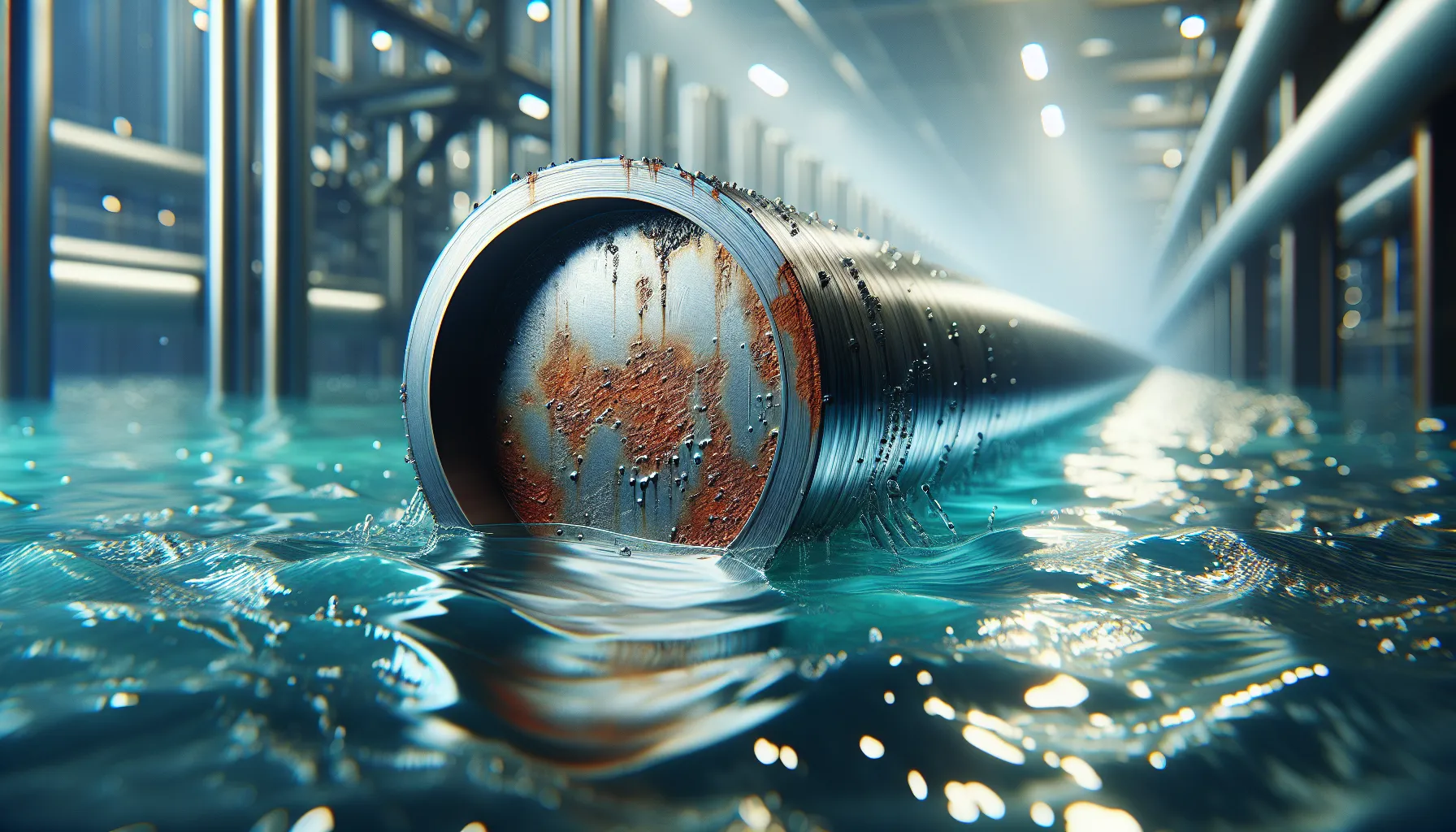
why metals change their appearance or even degrade over time? The underlying chemical processes of oxidation and corrosion play a significant role in these transformations. While they may seem interchangeable, these phenomena differ greatly in their nature, mechanisms, and implications. By understanding their unique characteristics, you can better appreciate their impact and discover ways to manage or prevent these changes.
Definition of Oxidation
Chemical Process of Oxidation
Oxidation refers to the chemical reaction wherein a substance loses electrons, often involving an interaction with oxygen molecules. This fundamental process is a cornerstone of many reactions in both natural and industrial contexts.
Examples and Applications of Oxidation
Examples of oxidation include the formation of rust on iron and the browning of cut apples when exposed to air. Applications harness oxidation in areas like energy production, where batteries rely on controlled oxidation reactions to generate electricity.
Definition of Corrosion
Mechanisms of Corrosion
Corrosion occurs when a material, typically a metal, deteriorates due to an electrochemical reaction with its environment. This process involves redox reactions and significantly depends on factors such as pH levels and the presence of aggressive elements like chloride ions.
Types and Examples of Corrosion
Corrosion manifests in forms such as galvanic corrosion, where different metals in electrical contact corrode at varying rates, or uniform corrosion, which affects surfaces evenly. Examples include the degradation of steel bridges and the pitting of aluminum aircraft frames.
Key Differences Between Oxidation and Corrosion
Comparative Analysis of Their Effects
Oxidation is a chemical process that broadly encompasses the electron loss in substances, whereas corrosion specifically involves material degradation, often through oxidation combined with environmental factors.
Illustrations and Practical Insights
Illustratively, while the tarnishing of silver can be purely oxidative, the structural weakening of a steel beam in a salty environment exemplifies corrosion. Recognizing these distinctions aids in tailoring effective preventive strategies.
Preventive Measures and Mitigation Techniques
Innovative Strategies to Manage Oxidation
Preventing oxidation can involve applying protective coatings that inhibit oxygen exposure or using antioxidants to neutralize reactive elements.
Technological Advances in Corrosion Protection
Technological advancements include cathodic protection systems that counteract corrosive forces and the development of corrosion-resistant alloys for industrial use.
To provide the best experiences, we use technologies like cookies to store and/or access device information. Consenting to these technologies will allow us to process data such as browsing behaviour or unique IDs on this site. Not consenting or withdrawing consent, may adversely affect certain features and functions.
Functional
Always active
The technical storage or access is strictly necessary for the legitimate purpose of enabling the use of a specific service explicitly requested by the subscriber or user, or for the sole purpose of carrying out the transmission of a communication over an electronic communications network.
Preferences
The technical storage or access is necessary for the legitimate purpose of storing preferences that are not requested by the subscriber or user.
Statistics
The technical storage or access that is used exclusively for statistical purposes.The technical storage or access that is used exclusively for anonymous statistical purposes. Without a subpoena, voluntary compliance on the part of your Internet Service Provider, or additional records from a third party, information stored or retrieved for this purpose alone cannot usually be used to identify you.
Marketing
The technical storage or access is required to create user profiles to send advertising, or to track the user on a website or across several websites for similar marketing purposes.