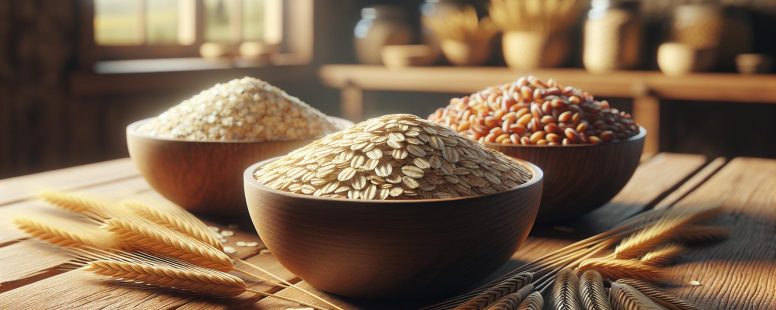
Imagine starting your day with a warm bowl of oats or savoring the comforting aroma of freshly baked wheat bread. These two grains might seem similar at first glance, but they each bring unique qualities to your table. Whether you’re crafting a nutritious breakfast or baking your favorite recipes, understanding their differences can transform the way you choose and enjoy your meals.
Have you ever wondered why oats are often hailed as a heart-healthy choice or why wheat dominates the world of baking? From their nutritional profiles to their culinary uses, oats and wheat play distinct roles in your diet. Exploring what sets them apart not only helps you make informed choices but also unlocks the potential of these versatile staples in your kitchen.
Nutritional Difference Between Oats And Wheat
Oats and wheat serve as staple grains in many diets, but they differ significantly in their nutritional profiles. These differences impact their roles in maintaining health and meeting dietary needs.
Comparison Of Macronutrients
Oats are higher in fiber, especially beta-glucan, which supports heart health and regulates blood sugar levels. One cup of cooked oats (234g) contains 4g of fiber. Wheat, specifically whole wheat, offers more protein, with 1 cup (120g) providing 13g protein compared to oats’ 6g per cup. But, refined wheat loses much of its nutrient content during processing.
The carbohydrate content of wheat exceeds that of oats. A serving of whole wheat provides roughly 63g of carbohydrates, while the same amount of oats contains 54g. If you’re watching carb intake, oats may offer a slight advantage. Fat content remains minimal in both grains—less than 3g per serving—but oats have a slightly higher fat content due to their natural oils.
Vitamins And Minerals Content
Oats excel in manganese, phosphorus, and magnesium, crucial for bone strength and energy production. A 1-cup serving of oats meets 63% of your daily manganese needs. Wheat contributes notable amounts of selenium and iron, supporting immunity and oxygen transport.
B vitamins, particularly thiamine and niacin, are more abundant in wheat, assisting in energy metabolism. Oats contain higher levels of folate, an essential nutrient for cell growth. Fortified wheat products, like bread, sometimes close this gap by adding folic acid during manufacturing.
Calcium levels stay low in both grains, but oats marginally surpass wheat. Although both contain zinc, necessary for wound healing and immunity, whole wheat surpasses oats in its zinc content per serving.
Both grains offer distinct benefits based on their nutrient composition. Choose based on your specific health priorities, whether it’s fiber for digestion or protein for muscle maintenance.
Health Benefits Of Oats
Oats bring various health benefits due to their unique nutrient profile. Their richness in fiber, vitamins, and antioxidants makes them a valuable addition to your diet.
Heart Health
Oats support heart health through their high beta-glucan content, a soluble fiber that helps lower LDL cholesterol. According to the FDA, consuming 3 grams of beta-glucan daily can reduce the risk of heart disease. For example, one cup of cooked oatmeal contains about 1.5 grams of beta-glucan, providing significant health benefits when consumed regularly. The antioxidants in oats, like avenanthramides, further improve cardiovascular function by promoting nitric oxide production, which relaxes blood vessels.
Weight Management
Oats aid in weight management by providing slow-digesting complex carbohydrates, which help maintain steady energy levels and reduce hunger. Foods like oatmeal or overnight oats have a low glycemic index, which minimizes blood sugar spikes, keeping you full longer. The fiber in oats increases satiety, making them a helpful breakfast choice for controlling calorie intake throughout the day.
Digestive Health
Oats enhance digestive health with their high soluble and insoluble fiber content. Beta-glucan feeds beneficial gut bacteria, promoting a balanced microbiome, while insoluble fiber improves bowel regularity. Consuming oat products like oat bran or oat-based cereals is known to reduce constipation and support gut motility. As a mild, gluten-free grain, oats are often suitable for those with mild sensitivities, offering ease of digestion.
Health Benefits Of Wheat
Wheat, a staple grain in many diets worldwide, offers essential nutrients that significantly contribute to overall health. Its diverse nutrient profile supports various bodily functions and helps maintain long-term well-being.
Energizing Properties
Wheat provides a rich source of complex carbohydrates, delivering sustained energy for your daily activities. Whole wheat, in particular, boasts a low glycemic index, which releases glucose steadily into the bloodstream. This helps you avoid energy spikes and crashes. It serves as an excellent option for athletes or individuals with busy lifestyles needing consistent fuel throughout the day. Foods like whole wheat bread or pasta make practical dietary additions.
Digestive System Support
The fiber content in whole wheat aids digestion by promoting bowel regularity and increasing stool bulk. Wheat bran, a concentrated source of insoluble fiber, supports the healthy movement of food through your digestive tract. A diet that includes whole wheat can also prevent constipation and support gut health. If eaten regularly, wheat-based products might benefit those facing minor digestive discomforts when combined with adequate hydration.
Role In Balanced Diet
Wheat plays a central role in balanced diets by supplying essential vitamins, minerals, and protein. B vitamins, including niacin and thiamine, enhance energy metabolism, while selenium acts as a powerful antioxidant protecting cells from damage. The inclusion of foods like whole wheat flour or bulgur wheat introduces a nutrient-dense foundation to meals, supporting diverse dietary needs. If you’re managing weight, whole wheat’s fiber can help you feel fuller for a longer duration, assisting in portion control.
Culinary Uses Of Oats Vs Wheat
Oats and wheat find their way into diverse recipes, showcasing their unique textures and flavors. Their culinary applications vary greatly, reflecting their distinct properties and versatility.
Common Uses Of Oats
Oats excel in breakfast recipes, offering a nutritious start to the day. Rolled oats create creamy oatmeal, mixed with fruits, nuts, or honey. Steel-cut oats bring a chewy texture to breakfast bowls or savory dishes like oat risotto. Instant oats work well in quick recipes, such as smoothies or no-bake energy bars.
Baking often incorporates oats for texture and nutrition. Oats are key in oatmeal cookies, granola bars, and muffins. Ground oats serve as a gluten-free flour alternative in pancakes and bread. Oats also thicken soups and stews due to their absorbent nature.
In savory applications, oats create veggie burgers or bind meatballs, adding firmness and fiber. You can even use them as a breading substitute for cutlets to achieve a crunchy coating. Culinary innovation with oats continues to grow.
Common Uses Of Wheat
Wheat shines in baking, forming the foundation of numerous staple dishes. Wheat flour makes bread, pasta, and pastries. Whole wheat flour adds a nutty flavor and rich texture to baked goods like muffins, tortillas, and pizza crusts. Refined wheat flour produces soft, airy cakes and pastries.
Beyond baking, wheat appears in breakfast cereals like bran flakes and as bulgur in salads such as tabbouleh. Cracked wheat delivers a hearty texture in pilafs and casseroles. Wheat germ, packed with nutrients, is often sprinkled over yogurt or mixed into smoothies.
In global cuisines, wheat transforms into couscous in North African dishes or seitan as a protein substitute in vegan recipes. Fermented wheat-based foods, such as soy sauce or certain sourdoughs, add depth to culinary applications. Wheat, as the most versatile grain, adapts across cuisines.
Environmental Impact Of Oats And Wheat Production
Oats and wheat differ significantly in their environmental footprints due to variations in cultivation practices, water requirements, and pesticide usage. These differences shape their sustainability profiles and the impact of their production on ecosystems.
Oats typically grow in cooler, wetter climates, which means less irrigation needs compared to wheat. Growing oats naturally reduces water consumption but can be reliant on specific regions’ rainfall patterns. Wheat, cultivated in diverse climates, often requires more extensive irrigation systems, especially in dry areas, increasing its water footprint.
Pesticides and fertilizers also contribute to differences in environmental impact. Oat crops generally require fewer chemical inputs, which leads to reduced soil and water contamination. Wheat production, in contrast, often demands higher levels of fertilizers and pesticides, particularly for large-scale industrial farming, which negatively affects biodiversity and soil health.
CO2 emissions from these grains’ production further illustrate their environmental impact. Growing oats emits lower greenhouse gases because of their resilient nature and suitability to no-till farming techniques. Intensive wheat farming, fueled by larger pesticide and fertilizer applications, tends to result in higher carbon emissions.
Choosing organic options or supporting sustainable farming practices can minimize these environmental effects, ensuring oats and wheat align better with conservation efforts.
Conclusion
Understanding the differences between oats and wheat empowers you to make choices that align with your health goals, culinary preferences, and environmental values. Both grains offer unique benefits and versatile uses, making them valuable staples in your diet.
Whether you’re prioritizing heart health, energy, or sustainability, incorporating a balance of these grains can enhance your meals and overall well-being. By choosing the grain that suits your needs, you can enjoy their distinct flavors, textures, and nutritional advantages while supporting a mindful and informed lifestyle.
To provide the best experiences, we use technologies like cookies to store and/or access device information. Consenting to these technologies will allow us to process data such as browsing behaviour or unique IDs on this site. Not consenting or withdrawing consent, may adversely affect certain features and functions.
Functional
Always active
The technical storage or access is strictly necessary for the legitimate purpose of enabling the use of a specific service explicitly requested by the subscriber or user, or for the sole purpose of carrying out the transmission of a communication over an electronic communications network.
Preferences
The technical storage or access is necessary for the legitimate purpose of storing preferences that are not requested by the subscriber or user.
Statistics
The technical storage or access that is used exclusively for statistical purposes.The technical storage or access that is used exclusively for anonymous statistical purposes. Without a subpoena, voluntary compliance on the part of your Internet Service Provider, or additional records from a third party, information stored or retrieved for this purpose alone cannot usually be used to identify you.
Marketing
The technical storage or access is required to create user profiles to send advertising, or to track the user on a website or across several websites for similar marketing purposes.