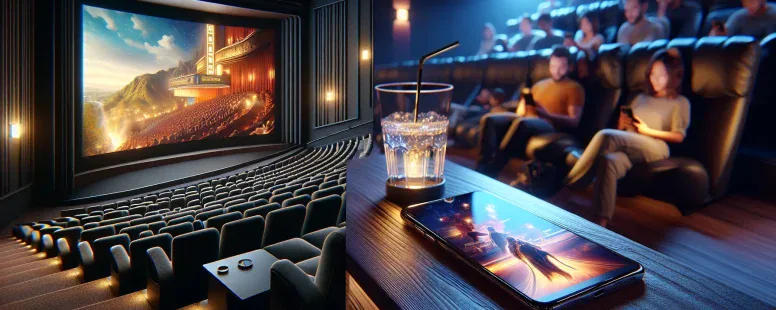
Picture settling into your favorite chair, popcorn in hand, ready to lose yourself in a gripping story on the big screen. Now, picture scrolling through your phone, quickly watching snippets of content that catch your eye. While both experiences involve moving images and sound, they couldn’t feel more different. But what truly sets a movie apart from a video?
Movies transport you to other worlds with carefully crafted narratives and cinematic artistry designed for immersive storytelling. Videos, on the other hand, are often shorter and more accessible—perfect for quick consumption or sharing online. Understanding these differences not only changes how you view content but also helps you appreciate the unique purpose each format serves in our fast-paced digital age.
So whether you’re a film buff or someone who loves bite-sized clips, knowing what separates movies from videos can deepen how you connect with visual media every day.
Understanding Movies And Videos
Movies and videos differ in purpose, length, and audience engagement. Recognizing their distinctions enriches your ability to enjoy and analyze visual content.
Defining A Movie
A movie is a long-form narrative, typically exceeding 60 minutes, crafted for theatrical or digital distribution. It often involves complex storytelling with structured plots, character development, and thematic depth. For instance, films like Inception use intricate narratives to captivate audiences.
Production standards for movies are high. They employ professional actors, directors, screenwriters, and special effects teams. This collaborative effort creates visually compelling experiences designed to evoke emotions or provoke thought.
Cinemas or streaming platforms serve as the primary venues for movies. These settings enhance immersion through widescreen visuals and surround sound systems that elevate the storytelling experience.
Defining A Video
A video refers to shorter visual content created for diverse purposes such as education (tutorials), entertainment (YouTube vlogs), or marketing (advertisements). Unlike movies, videos usually target specific niches with concise messaging.
Videos are flexible in format—ranging from 15-second clips on TikTok to hour-long documentaries on YouTube—and often emphasize direct communication over artistic complexity. For example, cooking tutorials focus on step-by-step guidance rather than dramatic elements.
The production scale of videos varies widely. While some involve professional crews (corporate ads), others rely on individual creators using smartphones or webcams (social media posts).
Key Differences Between Movie And Video
Understanding the contrasts between movies and videos helps you appreciate their unique roles in visual media. Each serves distinct purposes, formats, and audiences.
Purpose And Intent
Movies often aim to entertain, tell a story, or evoke emotions through elaborate narratives. They may explore themes like love, conflict, or moral dilemmas. For example, feature films such as Inception use layered storytelling to immerse viewers.
Videos prioritize delivering information quickly or engaging specific audiences. A tutorial on YouTube might teach coding basics in under 10 minutes. Videos also cater to marketing efforts like product advertisements or social media promotions.
Duration And Format
Movies typically exceed 60 minutes and follow a structured format with acts and climaxes. Blockbusters like Avengers: Endgame, lasting over three hours, demonstrate this structure’s capacity for depth.
Videos have flexible durations ranging from seconds for TikTok clips to an hour-long video essay on Vimeo. The formats vary widely—vertical frames dominate social platforms while widescreen suits professional presentations.
Production Quality
High budgets define movie production quality through advanced cinematography, CGI effects, and experienced crews. Films like Avatar showcase groundbreaking visuals requiring years of development.
Video production spans amateur recordings to polished projects by agencies using DSLR cameras or smartphones equipped with editing apps like Adobe Premiere Rush. Even though lower costs than movies’, some videos achieve professional-grade results.
Distribution And Accessibility
Cinemas and streaming services primarily distribute movies globally via ticket sales or subscription plans (e.g., Netflix). These channels ensure wide audience reach but require time investments due to longer runtimes.
Similarities Between Movies And Videos
Both movies and videos share a foundation of visual storytelling, combining images, sound, and motion to convey messages or narratives. They use audiovisual elements like music, dialogue, and cinematography to engage viewers emotionally and intellectually.
Purpose of Communication
Movies and videos aim to communicate ideas or tell stories visually. For instance, a movie might explore complex themes like identity in The Matrix, while a video tutorial on coding simplifies technical concepts for learners.
Use of Technology
Both formats rely on cameras, editing software, and distribution platforms. Modern tools like Adobe Premiere Pro or Final Cut Pro enable creators to produce both cinematic films and short-form content with high quality.
Audience Engagement
Engaging the audience remains central for both movies and videos. Whether it’s through relatable characters in a film or direct calls-to-action in an explainer video, emotional connection helps retain viewer interest.
Distribution Methods
Movies and videos often share digital platforms like YouTube or streaming services such as Netflix. While movies may premiere in theaters before appearing online, many videos are created specifically for social media sharing.
Creative Expression
Both mediums provide opportunities for artistic creativity. Directors craft immersive worlds in blockbuster films such as Interstellar, while independent creators express unique ideas through short clips or vlogs on TikTok.
Evolution Of Movies And Videos With Technology
The evolution of movies and videos has closely aligned with technological advancements over the decades. Movies, originating in the late 19th century, began as silent black-and-white films using rudimentary cameras like the Kinetoscope. As technology progressed, soundtracks were introduced in the 1920s through innovations such as synchronized sound systems like Vitaphone. The mid-20th century saw widescreen formats and color technologies revolutionize cinema, exemplified by classics like Gone with the Wind.
Videos emerged later as portable recording devices became widespread in the mid-20th century. The introduction of camcorders in the 1980s enabled individuals to create personal content affordably. Unlike high-budget movie production studios, video creation shifted power to everyday users with tools like VHS tapes for recording family events or educational material.
Digital innovation transformed both mediums significantly. For movies, CGI (computer-generated imagery) allowed filmmakers to craft expansive universes seen in franchises such as Star Wars. Streaming platforms like Netflix disrupted traditional distribution by making theatrical-quality productions accessible from home devices.
Technological changes also redefined videos entirely. Smartphones equipped with HD cameras democratized content creation further—allowing platforms like YouTube and TikTok to thrive globally. These platforms encourage creators from diverse backgrounds to produce engaging short-form videos that entertain or inform millions instantly.
Choosing Between Movie And Video Based On Context
Evaluate the purpose of your content before deciding between a movie and a video. Movies excel at delivering in-depth narratives, ideal for storytelling or exploring complex themes like human identity in films such as Blade Runner 2049. If you’re creating entertainment that demands emotional investment, movies provide the structure and length needed to develop characters and plotlines effectively.
Opt for videos when brevity and directness are essential. Videos suit platforms like YouTube or TikTok, where audiences prefer concise formats tailored to niches like tutorials (how-to bake cookies) or promotional ads (brand launches). For instance, an explainer video can simplify technical subjects into digestible information without requiring extensive time commitments from viewers.
Consider audience preferences based on their consumption habits. People seeking immersive experiences often turn to streaming platforms for movies, enjoying features with intricate cinematography and sound design. Conversely, those looking for quick content tend toward videos shared through social media channels or websites.
Assess production resources available to you. Movies typically demand large-scale budgets—featuring high-quality equipment and experienced teams—to achieve cinematic standards seen in titles like The Lord of the Rings. Videos offer flexibility; even smartphone footage can lead to impactful results if combined with creative editing techniques using tools like iMovie or Adobe Premiere Pro.
Match distribution strategies with your goals. Movies thrive on theatrical releases or digital premieres that attract dedicated audiences willing to invest hours watching elaborate productions. Videos align better with viral marketing campaigns since they prioritize shareability across diverse online platforms within seconds of upload.
Analyze these factors carefully because context determines whether movies or videos meet specific communication needs effectively.
Conclusion
Understanding the distinctions between movies and videos allows you to appreciate the unique value each medium brings. Whether you’re drawn to the rich storytelling of movies or the quick, impactful nature of videos, both formats cater to different needs and preferences. By considering your purpose, audience, and resources, you can make informed choices about which format best suits your goals. Both movies and videos continue to evolve with technology, offering endless opportunities for creativity and engagement in today’s digital world.
To provide the best experiences, we use technologies like cookies to store and/or access device information. Consenting to these technologies will allow us to process data such as browsing behaviour or unique IDs on this site. Not consenting or withdrawing consent, may adversely affect certain features and functions.
Functional
Always active
The technical storage or access is strictly necessary for the legitimate purpose of enabling the use of a specific service explicitly requested by the subscriber or user, or for the sole purpose of carrying out the transmission of a communication over an electronic communications network.
Preferences
The technical storage or access is necessary for the legitimate purpose of storing preferences that are not requested by the subscriber or user.
Statistics
The technical storage or access that is used exclusively for statistical purposes.The technical storage or access that is used exclusively for anonymous statistical purposes. Without a subpoena, voluntary compliance on the part of your Internet Service Provider, or additional records from a third party, information stored or retrieved for this purpose alone cannot usually be used to identify you.
Marketing
The technical storage or access is required to create user profiles to send advertising, or to track the user on a website or across several websites for similar marketing purposes.