Best Beginners Duck Call
Every seasoned hunter started as a beginner, clutching their first duck call with eager anticipation.
Imagine the thrill of that first quack echoing across the misty pond, each sound a step closer to mastering the art. Choosing the right beginner call is like finding the perfect key—easy to handle yet capable of unlocking a world of realistic sounds.
It’s more than just a tool; it’s your secret weapon in building confidence and sharpening technique. Surprisingly, a well-chosen call can also help you detect even the faintest distant quacks, turning subtle sounds into opportunities.
With the right start, each call becomes a melody that draws ducks in like moths to a flame.
How to Choose the Right Duck Call Based on Your Needs
Choosing the right duck call is easier when you know what to look for. The main thing is to pick a call that matches your needs and the place where you hunt.
First, understand the different types of duck calls. There are single reed, double reed, and triple reed calls. Single reed calls are simple and produce a softer sound, which is good for beginners. Double reed calls can make a wider range of sounds and are popular among experienced hunters. Triple reed calls are loud and sharp, ideal for open water where you need your call to be heard over long distances. Each type creates different sounds, so think about what kind of quack or call your ducks respond to best.
Next, consider your sound preferences. Do you want a loud, harsh quack that grabs attention, or a softer, more natural sound that mimics real ducks? If you are new to duck hunting, starting with a single or double reed call might be better since they are easier to learn. If you want to challenge yourself or hunt in large open areas, a triple reed can help you reach farther.
Your environment also matters. In crowded marshes or thick cover, a softer call might be better so you don’t scare the ducks away. In wide-open lakes, a louder call can bring ducks in from a distance. Think about where you hunt most often. For example, in the Mississippi River or Arkansas Delta, a loud call might be needed.
Some hunters prefer brands like Duck Commander or Haydel’s Calls because of their quality and sound. But keep in mind, even a high-end call will not work well if you don’t practice. No matter what call you choose, practice makes perfect.
In the end, matching the call type to your skill level, sound preference, and hunting spot will give you the best results. It might seem complicated at first, but if you focus on these points, picking a duck call becomes much simpler. Do you want a call that’s easy to blow or one that produces a wide variety of sounds? Think about that, and you’ll find the right call faster.
What to Look for in a Beginner-Friendly Duck Call
When choosing a beginner duck call, the most important thing is that it’s easy to use. A good call should produce realistic sounds without needing lots of practice. Think of it like a simple musical instrument — if it’s too complicated, beginners might give up.
Another key point is durability. Fieldwork can get rough, and a call that breaks easily will be frustrating. Look for brands like Duck Commander or Haydel’s that make tough, reliable calls.
You should also check if the call is easy to blow and control. Some calls are tricky and require advanced skills. For beginners, a call that makes good sounds with little effort is better. This helps new hunters succeed faster and stay motivated.
Some people say cheaper calls work fine for learning, but others warn they might sound fake or break easily. It’s a good idea to read reviews or try a few in stores.
Ease Of Use
A beginner-friendly duck call is easy to use and simple to maintain. The most important features are straightforward design, clear sound, and low upkeep. When I started, I looked for a call that wouldn’t confuse me with complicated techniques. A simple shape helps you learn without feeling frustrated. The sound should be sharp and steady so it sounds like real ducks, making it easier to attract them. Easy maintenance means you spend less time fixing your call and more time practicing. A good beginner duck call should work right away and last in the field. If it’s too complicated or needs a lot of care, you might get discouraged before you get the hang of it. Keep it simple, clear, and reliable—that’s how to get started confidently.
Sound Realism
Sound realism is the most important thing when choosing a duck call. It means the sound you make closely resembles how real ducks sound. Why does this matter? Because ducks can tell if a call sounds fake. If the call sounds unnatural, ducks might stay away. For beginners, getting the sound right helps build confidence and teaches good calling skills. A good duck call should produce clear, authentic quacks that mimic real ducks. This helps you learn how to control pitch and timing, which are key skills when hunting. Some popular brands like Duck Commander and Haydel make calls that focus on sound realism. But keep in mind, even the best call won’t help if you don’t practice. Also, some calls that sound very real can be tricky for beginners to use. So, if you want to get better at duck hunting, pick a call with realistic sound and practice often. It might take time, but it’s worth it.
Durability And Build
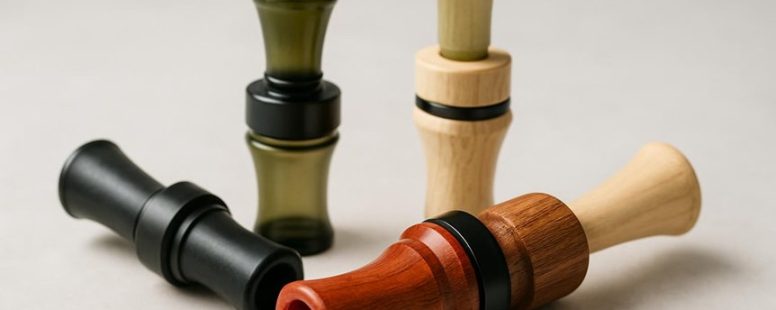
Durability and build quality are very important when picking a beginner duck call. A good call should last long and work well even after many uses. First, look at the material. Calls made from strong woods like walnut or sturdy acrylic are better because they resist cracking and handle moisture better. Cheap materials can break or warp quickly, which ruins your experience.
Next, check how the call is made. A well-assembled call with precise fitting of the barrel and insert helps keep the airflow steady and stops leaks. Leaks can make the sound worse or cause the call to fall apart faster. A poorly built call may break after a few uses and won’t perform well over time.
Some brands, like RNT or Duck Commander, are known for good quality. But even within brands, some models are better built than others. For beginners, choosing a duck call made from quality materials and with careful construction means fewer frustrations and more confidence. It’s a good base to learn and succeed in the field.
Still, be aware that even the best calls need proper care. Moisture and rough handling can still cause problems. So, check reviews and ask experienced callers for their advice. Remember, a durable call won’t make you a better caller alone, but it helps you focus on learning without worrying about your equipment breaking.
Top 5 Duck Calls for Beginners in 2024
A good duck call for beginners is one that is easy to use, affordable, and helps you sound like a real duck. The best models for 2024 are those that are simple to learn, reliable, and give good sound quality without costing too much money. When comparing these calls, I looked at how easy they are to operate, how realistic the sound is, and how much they cost. Some brands like Duck Commander and Haydel’s are known for making beginner-friendly calls.
If you’re just starting out, a simple single-reed call might be best because it’s easier to blow and control. For example, the Haydel’s G-5 is popular among beginners because it’s lightweight and makes clear duck sounds. On the other hand, some people prefer double-reed calls like the Duck Commander D-2 because they can sound more realistic once you get the hang of it.
Keep in mind, some calls might be cheap but hard to blow or don’t sound very real. Others might be a little more expensive but easier to use. If you try to save money by buying the cheapest call, you might end up frustrated and give up before you learn. Also, some calls might be great for beginners but don’t work well in windy conditions or when ducks are far away.
So, if you want to pick a good duck call for beginners in 2024, look for one that has good reviews, isn’t too expensive, and feels comfortable to hold and blow. Remember, practice is the key. Even the best call won’t help if you don’t learn how to use it. Try a few different models and see which one feels easiest for you.
Just don’t expect to sound perfect overnight. Making duck calls sounds simple, but it takes time to master. Whether you choose a cheap, easy-to-use call or a slightly more advanced one, the most important thing is to keep practicing and have fun out there.
Easy-To-Use Models
The simplest duck call is usually the best for beginners. These calls are easy to use and help new hunters learn without getting frustrated. They respond well to basic breath control and simple calling patterns. This makes practice easier and more effective. For example, beginner calls often have smoother reeds, which means fewer mistakes and clearer sounds right away. This helps build confidence fast and makes learning fun. If you want to improve your timing and rhythm in calling, starting with an easy-to-use call is smart. It’s not just about how you sound, but about building the skills that will help you succeed in the field later on.
Best Value Options
Finding the best value duck call means choosing one that works well without costing too much. For beginners, it’s smart to pick calls that are affordable but still sound realistic and last a while. Brands like Primos, Flextone, and Drake are good options because they are durable and produce convincing duck sounds. When comparing these brands, think about how easy they are to use, how comfortable they feel in your hand, and if they make consistent sounds. Some calls might be cheaper but break easily or don’t sound right. Others might be a little more expensive but last longer and help you learn faster. It’s worth trying out a few to see which feels best for you. Starting with a good value call can save you money and help you gain confidence in the field. Remember, spending a little more now on a reliable call can make your hunts much more fun and successful later.
Where to Find the Best Duck Calls for Beginners
The best duck calls for beginners are simple to use, reliable, and made by trusted brands. These calls are designed so new hunters can learn quickly and get good results. Reputable brands like Duck Commander, RNT, and Haydel’s make beginner-friendly calls that are easy to blow and durable enough to last through many hunts.
You can find these calls at online stores like Cabela’s, Bass Pro Shops, and Amazon. Shopping online gives you a big choice and plenty of reviews from other buyers. These reviews help you see if a call really works for beginners or if it’s too tricky. Also, many sites offer starter kits or bundles that include everything you need to start hunting ducks confidently.
Some people say it’s better to try a few different calls before choosing one. Others warn that cheap calls might break fast or sound bad. So if you’re new, it’s best to stick with well-known brands and read reviews carefully.
In short, look for trusted brands and shop online to find the easiest, most reliable duck calls for beginners. This way, you’ll get a good start on your hunting journey without wasting money or time.
Essential Tips to Use Your First Beginner Duck Call
Using your first duck call can seem tricky at first, but with some simple tips, you’ll start sounding confident fast. First, know that the key is controlling your breath. Practice making short, sharp sounds instead of long ones. Imagine you’re whispering or blowing out a candle quickly. Listening to real duck calls helps, too. Try to copy how ducks sound by matching their rhythm and tone.
Next, set aside regular practice time. Spend a few minutes each day experimenting with your call. Play with how hard or soft you blow and see how it changes the sound. Remember, slow and steady works better than trying to be loud right away. Building good habits takes time, so don’t rush. Your goal is to sound natural and inviting, not fake or forced.
Some people get frustrated because they don’t sound like a pro right away. That’s normal. Keep practicing, and your call will improve. This will make your hunting trips more fun and successful. Just stick with these simple tips, and you’ll be calling ducks like a pro in no time.
Common Mistakes Beginner Duck Callers Make
Knowing the basics of duck calls can help you get better faster. Here are some common mistakes beginners make and how to avoid them.
First, many think louder calls are always better. But quiet, subtle calls often work best because ducks respond to natural sounds. If you blow too loud, ducks might get scared and fly away. Try practicing soft, realistic calls instead of just trying to be loud.
Second, inconsistent breath control can make your calls weak or uneven. If you don’t breathe evenly, your sounds will sound shaky. Practice steady breathing to keep your calls smooth and clear. Think of it like blowing bubbles gently instead of blowing hard all the time.
Third, timing is key. Calling too often or at the wrong moment can scare ducks off. Instead, listen carefully to their responses. When they start to respond, call more. When they stop, hold back. It’s about knowing when to call and when to stay quiet.
Fourth, grip and mouth position matter. If your hand grip is too tight or your mouth isn’t right, the sound won’t be good. Experiment with how you hold the call and where your tongue and lips are. A good position helps produce clear, realistic duck sounds.
Some beginners also forget that practice makes perfect. It takes time to get used to how the call feels and sounds. Don’t get discouraged if your calls don’t sound great at first. Keep practicing regularly, and you’ll see improvement.
How to Care for Your Beginner Duck Call
Taking care of your beginner duck call is simple but really important. A well-maintained call sounds clearer and lasts longer. Here are some easy steps to keep it in good shape.
First, after every use, wipe down the call with a soft cloth. This removes moisture and dirt that can build up. Think of it like wiping sweat off your forehead after a run. If you don’t do this, dirt can clog the call and make it sound bad.
Next, every few uses, carefully take apart the call. Remove the reed and barrel gently. Wash them with warm water—no harsh chemicals. Just like rinsing a dish, this keeps the inside clean. After cleaning, let all parts air dry completely before putting the call back together. If you don’t dry it right, moisture can cause mold or damage.
Storing your call in a dry, cool place is also key. Avoid leaving it in the car or in direct sunlight. Heat and humidity can warp the call or make it crack over time. Think of it like keeping your favorite sunglasses in a case—protect it from damage.
Some people argue that cleaning too often is unnecessary. They say just wipe it once in a while. Others believe regular cleaning is the best way to keep the sound crisp. If you want your call to perform well every time, doing these simple steps is worth it.
But be careful—over-cleaning or using harsh chemicals can harm the call. Follow the advice, and your beginner duck call will stay reliable for many hunts. Remember, a little time spent caring for it can make all the difference.

- Best Qhd Ips Monitor - October 5, 2026
- The Best Cyberflix Alternative for Streaming Movies - October 4, 2026
- 7 Free Alternatives to Mobbin for UI/UX Design - October 4, 2026
by Ellie B, Site Owner / Publisher