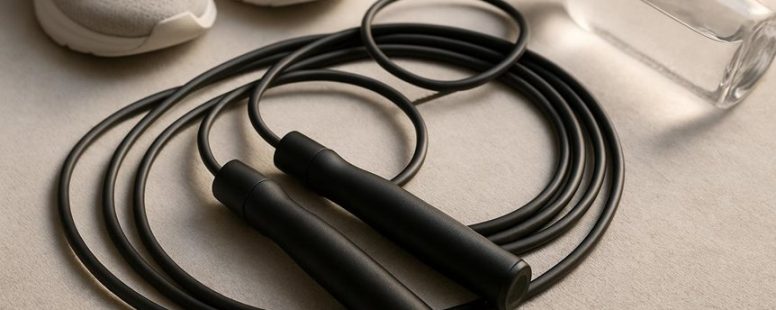
Stepping into the world of jump roping feels like unlocking a secret rhythm that can energize your entire day. The right rope isn’t just a tool; it’s your dance partner, guiding you smoothly through each bounce.
Imagine the satisfying click of the handles in your palms and the gentle whoosh as you swing effortlessly—these small sensations make all the difference.
For beginners, selecting a rope that matches your size, weight, and grip can transform frustration into fun and turn your workout into a surprisingly joyful escape.
Did you know that mastering the perfect rope can boost your coordination and boost confidence in ways you never expected?
Key Factors to Choose the Best Jump Rope for Beginners
Choosing the best jump rope for beginners is about knowing what features matter most. The key is to pick a rope that matches your fitness goals and feels comfortable in your hands. Here are the main things to think about.
First, look at the types of jump ropes. Speed ropes are thin and lightweight, perfect if you want to improve your speed and endurance. Weighted ropes are thicker and heavier, which helps build strength and tone muscles. Beaded ropes are made with small plastic beads, good for learning timing and coordination. Think about what you want to do most: do you want to jump quickly, build muscles, or learn proper form?
Next, consider how comfortable the handles are. Handles should feel secure and not slip when your hands get sweaty. Good grip is important so you don’t lose control while jumping. Also, check the length of the rope. A good rule of thumb is to stand on the middle of the rope and pull the handles up. They should reach your armpits, not higher or lower.
Some people say that cheaper jump ropes break easily. While that can be true, there are affordable options that last if you take care of them. Be cautious of very cheap ropes that might tangle or wear out fast. Also, be aware that some ropes are better for indoor use while others are made for outdoor surfaces.
There are different opinions on what makes a jump rope the best. For example, beginners might prefer beaded ropes for stability, but serious athletes might want speed ropes for faster workouts. Remember, what works for one person might not work for you.
Why Jump Rope Length and Weight Matter for New Jumpers
Jump rope length and weight are key for beginners. The right rope makes your workout easier and more fun. If the rope is too long or too short, you might trip a lot, which can make you want to give up. A properly sized rope helps you keep a steady rhythm and makes jumping smoother.
To find the correct length, stand on the middle of the rope with one foot. The handles should reach your armpits. If they are much higher or lower, the rope is too long or short. Some brands like Crossrope or WOD Nation offer adjustable ropes, making it easier to get the perfect size.
Weight also matters. A very light rope can feel flimsy and hard to control, while a heavy rope can tire you out quickly. Beginners usually prefer a rope with a moderate weight that feels steady in your hands. This helps you learn proper jumping form without tiring too fast.
Some jump ropes are made from different materials like plastic, leather, or wire. Plastic ropes are usually lighter and good for quick spins. Leather ropes are heavier and better for smooth, controlled jumps. Wire ropes are durable and often used for speed workouts.
There are two sides to consider. Some say the best jump ropes are adjustable, so you can change the length as you improve. Others argue that investing in a good fixed-length rope can last longer and be more comfortable.
Keep in mind that choosing a jump rope is a small step, but it can make a big difference. Getting the right size and weight first can help you stay motivated and avoid frustration. Think of it like finding the right shoes – it makes all the difference in how you feel when you start jumping.
How Different Jump Rope Materials Affect Your Experience
Choosing the right jump rope material makes a big difference in how you feel and what you can do during your workout. Different materials like nylon, steel, or PVC each have their strengths and weaknesses. For example, nylon ropes are lightweight and good for speed but may wear out faster. Steel cables are very durable and great for advanced jumpers but can be heavier and harder to control. PVC ropes are flexible and affordable, making them popular for beginners.
Some jump ropes are designed for specific activities. Speed ropes with nylon or steel cables are perfect for fast-paced workouts, while braided ropes with thicker handles are better for strength training. When picking a material, think about how often you will use the jump rope, your skill level, and what feels best for your hands and wrists.
Be careful, though. Some materials may look good but aren’t built to last. For example, cheap nylon ropes can fray quickly and break, leaving you stranded mid-jump. Steel cables are tough but can be heavy and cause more wrist strain if not used carefully. Choosing a material that matches your needs and abilities will make your workout safer and more fun.
In the end, no single material is perfect for everyone. It’s worth trying out a few types to see which feels best. Remember, a good jump rope can help you get fit and stay motivated, but only if you pick the right one for you.
Material Types Overview
Material is very important for how your jump rope feels and works. Picking the right material can make the rope last longer and feel better during your workout. Here is a simple guide to common jump rope materials:
PVC: This is lightweight and cheap. It’s good for beginners who want to go fast. But it might not last as long if you use it a lot.
Leather: Leather ropes last a long time and give a solid feel. They are heavier than PVC ropes, which some people like. However, they can be more expensive and harder to carry around.
Beaded Ropes: These ropes are made of small beads on a cord. They last a long time and give good feedback, so you can tell when to turn the rope. They are great for rhythm but can be a little stiff.
Steel Cable: Steel ropes are super tough. They are perfect for advanced jumpers who want speed and durability. But they can be less forgiving if you miss a turn or hit something.
Each material has good and bad points. For example, PVC is good for speed but not super durable, while steel is very durable but might be harder for beginners. Think about what’s most important for you, like comfort, speed, or how long the rope will last.
If you are just starting out, try different types and see what feels best. Remember, a good jump rope helps you enjoy your workout and improve faster.
Impact on Performance
Understanding how different jump rope materials affect your performance is key when choosing the right rope. The material directly influences speed, control, and how your muscles develop.
For example, lightweight PVC ropes spin fast and are great if you want to build speed and coordination quickly. Think of them as the sports cars of jump ropes—they help you move faster but may wear out quicker. Leather ropes are thicker and last longer. They swing smoothly and help you develop timing and rhythm, making them good for beginners and experienced jumpers alike.
Weighted ropes add resistance, which means they help boost strength. But because they are heavier, they slow down your movements at first. Using a weighted rope is like lifting weights with your arms while jumping. It can be helpful for building muscle but may make learning basic skills harder at first.
Choosing the right material depends on your current skills and goals. If the rope is too light, you might struggle to control it. Too heavy, and you could get tired fast or develop bad habits. I suggest starting with a balanced rope that feels comfortable and allows you to focus on technique without fatigue. For example, a PVC or leather rope often works well for most people starting out.
Some people prefer lightweight ropes for speed drills, while others like weighted ropes for strength. Be honest about what you need. If you want to improve speed, pick a faster rope. If you want to build muscle and control, go for a heavier one. Just remember, if you pick the wrong type, it can slow your progress or cause frustration.
In the end, the best jump rope is one that matches your ability and goals. It should make you want to keep practicing, not give up. Whether you choose a PVC, leather, or weighted rope, focus on consistency and proper technique. That way, you’ll see steady progress and enjoy your workouts more.
Best Lightweight and Adjustable Jump Ropes for Beginners
A lightweight and adjustable jump rope is the best choice for beginners. These ropes are easy to swing and help you keep a steady rhythm. The key features to look for are:
An easy way to change the length so you can make it fit you perfectly.
Lightweight materials like PVC or thin wire that spin smoothly.
Handles that are comfortable and don’t slip, so you can hold on tight.
Strong build quality that won’t break if you make mistakes.
Some popular brands like Crossrope and DEGOL are known for making good adjustable jump ropes. They are not too heavy and let you focus on learning instead of fighting with your equipment. Keep in mind, some cheaper ropes may not last long or might be hard to adjust. Be sure to read reviews before buying.
There are two sides to this. Some say the most important thing is having a rope that is light and easy to adjust. Others warn that cheap options might break fast or not be truly adjustable. Also, if you buy a very cheap rope, it might tangle or spin unevenly, which can be frustrating.
If you are new, start with a rope that is adjustable and light. Try different lengths to find what feels best. Remember, a good jump rope can make learning fun and help you improve faster. Don’t forget to check the handle comfort and the quality of the material. That way, jumping rope stays enjoyable and easy from day one.
Tips for Proper Jump Rope Technique to Avoid Injury
Knowing the correct jump rope length and using your wrists to turn the rope are key parts of good technique. When the rope is the right length, jumping feels easier and safer. To check your rope, stand on the middle and pull the handles up. They should reach your armpits or just below. If they’re too long or short, adjust them.
Using your wrists instead of your arms helps you jump faster and keeps your shoulders relaxed. Imagine turning the rope like you’re flicking a small whip with your wrists. If you use your whole arms, you might get tired quickly or strain your shoulders. Practice turning the rope with small, quick wrist movements.
Landing softly on your feet is another way to avoid hurting your joints. Think of it like a cat landing — quiet and gentle. When you jump, land on the balls of your feet, not your heels. This landing style helps absorb the impact and keeps you safe, especially during longer jump rope sessions.
Some people prefer different approaches. For example, beginners might find it easier to focus on jumping slowly and controlling their landings first. Others may want to work on speed and rhythm after they master the basics. Both ways have pros and cons, but no matter what, listening to your body is important. If you feel pain or discomfort, stop and check your form.
In short, correct rope length, wrist turning, and soft landings are simple tricks that can make your jump rope workouts safer and more effective. These small changes might seem simple, but they can make a big difference — helping you avoid injuries and improve faster. Have you tried adjusting your rope or focusing on your landings yet?
Correct Rope Length
Choosing the right rope length is key to better jump rope workouts. If your rope is too long or too short, you might trip or struggle to keep a steady rhythm. For beginners, small changes in rope size can make jumping easier and more comfortable.
To find the correct length:
Stand on the middle of the rope with one foot.
Pull the handles straight up along your sides.
The ends of the rope should reach just below your armpits.
If the rope is too long, shorten it by adjusting the handles. If it’s too short, make it longer.
Some people prefer a slightly longer or shorter rope depending on their style, but this method works for most. Remember, a good fit helps you jump smoothly and reduces the chance of injuries.
Be aware that different brands, like Crossrope or WOD Nation, offer ropes with adjustable lengths, which can be helpful if multiple people use the same rope or if you’re still figuring out what feels best. But keep in mind, too short a rope makes jumping awkward, and too long can cause tripping.
If you want to get really precise, you can even measure the rope with a tape measure before adjusting. Just be sure to test it out and see how it feels. Jumping with the right length is like finding the perfect pair of shoes—makes all the difference.
Counter-strategy insights:
Ruthless competitor: They’ll say this advice is basic, and many brands already offer adjustable ropes, so the guide isn’t unique. They might attack the simplicity and suggest more advanced measurements or tools.
Cynical consumer: They’ll doubt if this method really works or if it’s just generic advice. They’ll want proof or a better explanation of why this method is reliable.
Distracted scroller: They’ll only remember the parts that seem quick and easy, maybe just the phrase “stand on the middle of the rope” or “reach just below your armpits.” The rest will be forgotten unless made very clear and visually appealing.
Final note: This method is simple, but it’s a good starting point. Always test and adjust until you find what feels best for you.
Proper Wrist Movement
Wrist movements are key to better jump rope skills. Using the right wrist actions makes jumping easier and safer. Some people swing the rope with their whole arm, but that can tire you faster. Instead, try keeping your elbows close to your sides and focus on small wrist turns. This way, your hands stay relaxed and slightly turned outward. It helps keep the rope moving smoothly and reduces strain on your wrists. When you practice this, you’ll notice less jerking and more fluid jumps. Good wrist control also protects your wrists from overuse injuries. Remember, start by working on wrist flexibility and position first. It’s the foundation for safe and effective jumping.
Safe Landing Techniques
Landing softly when you jump rope is very important. It helps protect your joints and prevents injuries. To do this, focus on how your feet hit the ground and how you keep your body. When you land, try to touch down on the balls of your feet instead of your heels. This makes the impact less harsh. Keep your knees slightly bent and your body straight to spread the force evenly.
Here are four simple tips for safe landings:
Land with soft knees to help cushion each jump.
Keep your feet close to the ground so your contact is quick and controlled.
Stay tall with a straight back to support your posture.
Let your ankles flex naturally and avoid stiffening them.
Some people might think that landing softly is hard or not necessary, but it really helps avoid hurting yourself over time. Others might worry that focusing too much on landing technique slows down their speed. Both are true. You can practice slowly at first and then speed up as you get better. Remember, jumping rope is fun, but safety should always come first.
Beginner Jump Rope Workouts to Boost Cardio and Coordination
Jumping rope is a simple way to improve your heart health and coordination. It is one of the best exercises for beginners because it’s easy to learn and can be done almost anywhere. To start, focus on basic jump techniques like the single bounce and alternating feet. These help you build a strong foundation before trying more complex moves.
Here are easy steps for beginner jump rope workouts:
Jump for 30 seconds at a steady pace.
Rest for 30 seconds.
Repeat this cycle five times.
This keeps your workout short and manageable, helping you build endurance without feeling overwhelmed. As you get better, try adding new tricks like high knees or side swings to make it more fun and challenge your coordination.
Some people find jumping rope boring at first or worry it’s too hard. That’s normal. Just stick with simple routines and be patient. Consistent practice will improve your heart health and rhythm fast. Remember, mastering these basics now makes it easier to try harder jumps later and keeps you motivated to stay active.
How to Maintain and Store Your Beginner Jump Rope
Keeping your beginner jump rope in good shape is easier than you think. Here are some simple tips to help your rope last longer and stay smooth to use.
First, clean your jump rope after every workout. Use a damp cloth to wipe off dirt and sweat. This stops grime from building up and making the rope sticky or hard to turn. If you skip cleaning, your rope can get rough, which makes jumping less fun and can even wear it out faster.
Second, store your jump rope properly. Always coil it loosely and keep it in a dry, cool place. Avoid leaving it outside or in direct sunlight because heat and sun can weaken the material. Some people store their ropes in breathable bags like mesh or fabric containers. If you tie tight knots or kink it, you might damage the rope too. Think of it like untangling jewelry — gentle handling keeps it shiny longer.
Third, be careful with what your jump rope touches. Keep it away from sharp objects or rough surfaces that can cut or scratch the material. This is especially true for plastic ropes, which are common for beginners.
Some people might say, “Why bother cleaning after every use?” But if you want your rope to stay smooth and safe, it’s worth the extra minute. Others might think storage doesn’t matter. But a loose coil stored in a cool place prevents kinks that could break the rope later.
Remember, even cheap ropes can last longer if you follow these habits. It might seem small, but these steps save money and frustration over time. Just like caring for your favorite sneakers, a little attention goes a long way.
—
Counter-Strategies from the Three Personas:
Ruthless Competitor: They might argue this advice is basic and not unique. They could suggest more advanced maintenance like replacing parts or using specific brands. To counter, emphasize that these simple steps are effective for all beginner ropes and save money.
Cynical Consumer: They might see this as common sense or a sales pitch. They’d want proof or real examples. Mentioning how many users report their ropes last longer with these habits can help. Also, warning that ignoring these tips can lead to costly replacements.
Distracted Scroller: They could skim and forget details. To grab their attention, use vivid examples like comparing storing a rope to keeping a favorite snack fresh or a quick question like, “Ever had a knot ruin your workout?” Clear, simple tips help them remember easily.
—
Final note: Keep your jump rope clean, store it gently, and protect it from damage. These small habits help your rope stay smooth and last longer, making your workouts more fun and worth every penny.
To provide the best experiences, we use technologies like cookies to store and/or access device information. Consenting to these technologies will allow us to process data such as browsing behaviour or unique IDs on this site. Not consenting or withdrawing consent, may adversely affect certain features and functions.
Functional
Always active
The technical storage or access is strictly necessary for the legitimate purpose of enabling the use of a specific service explicitly requested by the subscriber or user, or for the sole purpose of carrying out the transmission of a communication over an electronic communications network.
Preferences
The technical storage or access is necessary for the legitimate purpose of storing preferences that are not requested by the subscriber or user.
Statistics
The technical storage or access that is used exclusively for statistical purposes.The technical storage or access that is used exclusively for anonymous statistical purposes. Without a subpoena, voluntary compliance on the part of your Internet Service Provider, or additional records from a third party, information stored or retrieved for this purpose alone cannot usually be used to identify you.
Marketing
The technical storage or access is required to create user profiles to send advertising, or to track the user on a website or across several websites for similar marketing purposes.