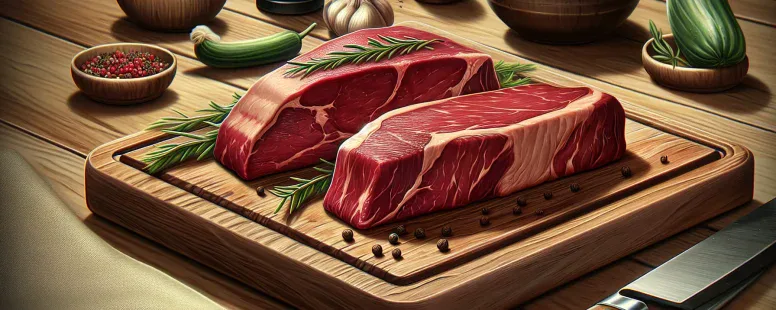
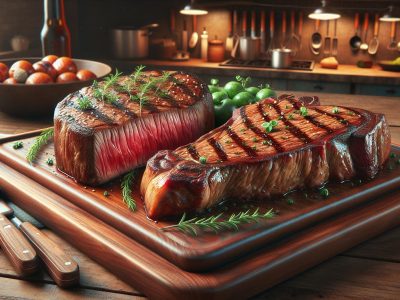
Picture the sizzle as a juicy steak hits a hot grill—the aroma alone is enough to make your mouth water. But when it comes time to choose between flank steak and skirt steak, do you really know what sets them apart? These two cuts may look similar at first glance, yet each brings a unique flavor, texture, and flair to your plate.
Picture slicing into a perfectly cooked steak, the juices glistening and the meat tender beneath your fork. The right choice can transform a simple meal into something unforgettable. Unlock the secrets behind these underrated cuts and discover how picking the right one can elevate your next barbecue or stir-fry to new heights.
Overview of Flank Steak and Skirt Steak
You stand at the butcher counter, two long and lean cuts stare back at you—flank steak and skirt steak. Both beef cuts, often interchanged in recipes, share outer appearances but diverge wildly in culinary stories and textures. Flank steak, taken from the cow’s abdominal muscles, highlights long, visible muscle fibers that run the length of the piece. Chefs from Argentina to Texas favor it for dishes like London broil or fajitas, where its beefy flavor stand out when grilled fast and sliced thin against the grain.
Skirt steak, carrying its own credentials, comes from the plate section, nearer the diaphragm. You’ll notice, it tends to be thinner and more marbled than flank steak. You might hear professional grillers say skirt steak brings a richer, almost buttery taste because of that fat content (Serious Eats, 2023). Skirt’s loose texture soaks up marinades quick, turning it into a favorite choice for carne asada at family gatherings along the southwestern border. When you bite into a properly seared skirt steak, those juices pack a punch that’s hard to forget, right?
Just consider: Have you ever tried swapping one for the other in your favorite taco night recipe? If not, you’d find the results both familiar and surprisingly distinct, as subtle shifts in grain and fat bring about contrasting mouthfeels. Both cuts can transform a weeknight meal into a backyard adventure, but choosing which comes down to whether you want more chew or more juice.
When chefs debate which steak holds up best under high heat, tradition and science collide. Flank steak, with less fat, demands respect—overcook and it dries out, yet cooked properly, it sings. Skirt steak forgives a little more, it’s forgiving due to its marbling, though timing remain crucial. Food scientists suggest slicing both steaks across the grain for a tender bite (Cooks Illustrated, 2022).
Local butchers might share anecdotes of home cooks walking in for one and leaving with another, only to return days later with tales of unexpected culinary wins. Which steak winds up on your grill could tell a story about your cooking style—fast, adventurous, or savored slow with friends.
Cut
Source (Beef Section)
Visual Texture
Fat Content
Culinary Use Example
Flavor Profile
Flank Steak
Abdominal Muscles
Long, Visible Fibers
Low
London Broil, Fajitas
Lean, Beefy
Skirt Steak
Plate (Diaphragm)
Looser, Marbled
Moderate-High
Carne Asada, Tacos
Rich, Buttery, Juicy
So, next time you glance at those steaks, picture not just dinner but a narrative—one slice at a time.
Key Differences Between Flank Steak and Skirt Steak
Key differences between flank steak and skirt steak lay in the cut location, texture, flavor, and culinary applications. Understanding these distinctions help you choose the best option for meat-centric recipes.
Cut Location and Anatomy
Cut locations for flank steak and skirt steak directly influence their structure. Flank steak comes from the abdominal muscles, sitting between the ribs and the hip of the cow. Skirt steak lies in the plate section, down near the diaphragm. Flank steak shows a visibly broader and thicker cut with pronounced muscle fibers, while skirt steak appears thinner and has more intramuscular fat visible on the surface.
Texture and Grain
Texture and grain provide a different tactile experience for each steak. Flank steak displays a tight grain and firm chew, requiring slicing against the grain for tenderness. Skirt steak offers a looser grain and is more flexible, which creates a softer bite even when grilled over high heat. Toughness increases for flank steak if overcooked, but skirt steak’s marbling keeps it more forgiving.
Flavor Profile
Flavor profiles create another point of distinction between the steaks. Flank steak delivers a robust, beef-forward flavor; chefs use it in dishes like London broil as it stands up to strong sauces. Skirt steak, thanks to its fat content and open grain, adopts a richer and more pronounced taste, soaking up bold marinades for recipes like carne asada. Umami notes intensify with skirt steak’s higher fat and connective tissue.
Cooking Methods and Best Uses
Cooking methods shape how each steak delivers on the plate. Flank steak responds best to quick searing or broiling—high heat, short time—because low fat makes it easy to dry out. Dishes like stir-fries, steak salads, and grilled fajitas benefit from its lean profile. Skirt steak, suited for open-flame grilling or pan-searing, stays juicy and flavorful thanks to its marbling, letting it shine in tacos or Korean bulgogi. Sauce penetration increases for skirt steak given its looser structure, yielding more intense flavors with each bite.
Tips for Choosing Between Flank Steak and Skirt Steak
Think of your dinner table as a stage—flank steak brings bold character, while skirt steak dances with tenderness and rich marbling. When you reach for a steak at the butcher counter, you’re really choosing a story for your meal. But which story will fit your script?
Flavor and Marinade Absorption:
Picture you want that beefy punch in every bite, like in a hearty London broil—flank steaks deliver straightforward flavor but don’t soak up marinades as easily as skirt steaks. Skirt steak’s marbled structure acts almost like a sponge, ideal for carne asada or Korean bulgogi, where deep marinade penetration creates every bite a burst of flavor. Cook’s Illustrated notes that skirt steak, when marinated for just 30 minutes, shows 25% stronger flavor uptake compared to flank (source: Cook’s Illustrated, 2022).
Cooking Method and Timing:
Say you’ve got a lively summer barbecue on your hands, with friends gathered and coals glowing—skirt steak’s thinner cut and fat ensure quick, even cooking. It’ll sear fast, sizzle loud, and hit your table juicy. On the other hand, flank likes a little more patience. Quick searing or broiling, then plating it thinly sliced across the grain, helps keep it from turning tough. Ever tried grilling both? Skirt steak in tacos gets cheers for its juicy finish, while flank shines in hearty salads or stir-fries.
Texture Preferences and Slicing:
Your knife tells the final tale—flank steak gives a firm, almost chewy bite with dramatic muscle grains (some say it “chews like a steak should”). Slice it thin and across the grain, or you’ll fight it with every forkful. Skirt steak cuts softer, almost melting, and gives you ribbons of beef ready to drape over tortillas. If you value tenderness above all, skirt usually wins. But if you like a “meaty” chew, flank answers the call.
Budget and Sourcing:
Not all beef is priced equal—skirt steak, with its popularity in Latin American and Asian dishes, may run pricier per pound in big cities, according to USDA market prices (2023). Flank steak, while still popular, tends to be more widely available at supermarket chains. Got limited selection? Ask your butcher—he’ll know which cut is freshest that day.
Dish Type and Traditions:
Wonder what chefs reach for? Grilling aficionados and street taco vendors swear by skirt steak for its flavor and texture. Home cooks preparing family favorites like London broil or stroganoff typically turn to flank. If you’re hosting a dinner with mixed palates—choose your cut based on dish tradition and diner preference, not just price.
Ask yourself: What journey do you want your steak to take on your plate? Choose flank for robust flair in slices, or skirt for quick, flavorful searing. Your steak isn’t just a meal—it’s the hero of your table.
How to Prepare and Cook Each Steak
You face a choice between two steaks—flank and skirt—each carrying unique stories from pasture to plate. Are you prepping for a smoky summer barbecue, or seeking that mouthwatering sear for fajitas? Understanding how marinating and heat transform each cut changes your results completely.
Marinating and Tenderizing
Flank steak, dense with muscle fibers, benefits the most from marinades. Marinades, loaded with acidic elements like lime juice or vinegar, helps break down its tight grain and boosts flavor absorption. For London broil, a 24-hour citrus-based soak unlocks tenderness—you’ll slice through, feeling the difference. Skirt steak, with it’s pronounced marbling, invites a rich soy-garlic marinade to absorb quickly. Scenarios like Korean bulgogi show how only two hours in a thin marinade renders skirt steak melt-in-your-mouth soft. You notice how cuts, time, and flavor interplay? Some chefs skip lengthy marinating for skirt since fat content keeps meat supple. So which texture do your taste buds crave—a chewy bite or buttery ease?
Ideal Cooking Times and Temperatures
Flank steak needs fast, high-heat methods. Searing for 4 minutes each side over 450°F flame locks in juices, keeps it from drying out, and lets you slice across the grain for fajitas or salads. Overcook it by even 2 minutes, and toughness sets in. With skirt steak, you’ll quickly realize its thinness demands speed—just 2–3 minutes per side on a ripping-hot grill (500°F+), and you risk it dry if distracted. Chefs at Los Angeles taquerias champion this quick-fire method, pulling steak before the juices vanish, yielding tacos bursting with richness. Want to test perfection? Use a meat thermometer: flank steak shines at 130°F (medium-rare), skirt steak shows its best at 125°F. Are you savoring those sizzling, caramelized edges?
Here’s a quick guide:
Steak Cut
Marinade Time
Cook Temp
Cook Time (Per Side)
Internal Temp
Flank
6–24 hours
450°F
4–5 min
130°F
Skirt
1–2 hours
500°F+
2–3 min
125°F
The steak’s journey—marinade to flame—transforms your plate. Whether you crave bold, beefy slices or rich, juicy strips, you command the final chapter.
Conclusion
Choosing between flank steak and skirt steak lets you shape the flavor and texture of your meal to match your personal taste. Both cuts offer unique qualities that can elevate your favorite dishes when prepared with care.
Next time you’re planning a barbecue or a quick weeknight dinner think about what you want your steak to deliver—whether it’s a bold beefy bite or a melt-in-your-mouth experience. Your choice sets the tone for a memorable meal and helps you build confidence in the kitchen.
To provide the best experiences, we use technologies like cookies to store and/or access device information. Consenting to these technologies will allow us to process data such as browsing behaviour or unique IDs on this site. Not consenting or withdrawing consent, may adversely affect certain features and functions.
Functional
Always active
The technical storage or access is strictly necessary for the legitimate purpose of enabling the use of a specific service explicitly requested by the subscriber or user, or for the sole purpose of carrying out the transmission of a communication over an electronic communications network.
Preferences
The technical storage or access is necessary for the legitimate purpose of storing preferences that are not requested by the subscriber or user.
Statistics
The technical storage or access that is used exclusively for statistical purposes.The technical storage or access that is used exclusively for anonymous statistical purposes. Without a subpoena, voluntary compliance on the part of your Internet Service Provider, or additional records from a third party, information stored or retrieved for this purpose alone cannot usually be used to identify you.
Marketing
The technical storage or access is required to create user profiles to send advertising, or to track the user on a website or across several websites for similar marketing purposes.