Imagine biting into something tangy, crisp, and bursting with flavor, only to wonder—what exactly are you eating? Gherkin or pickle? These two terms often get tossed around interchangeably, leaving you scratching your head at the grocery store or dinner table. While they might seem like twins at first glance, their differences are more than just a matter of semantics.
From their origins to how they’re prepared, gherkins and pickles each have their own unique story. Whether you’re a foodie craving clarity or just trying to settle a debate, understanding what sets them apart can change the way you see that jar of briny goodness. So, what’s the real deal behind these crunchy delights? Let’s jump into their distinct worlds and uncover the truth.
What Are Gherkins?
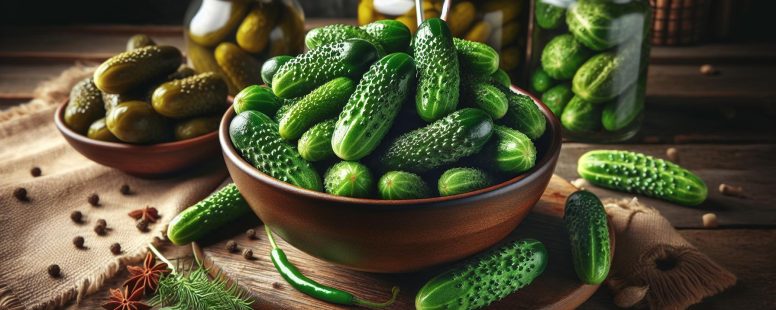
Gherkins are small, immature cucumbers harvested before they fully grow. They’re typically less than 3 inches long and often have bumpy or textured skins.
Characteristics Of Gherkins
Gherkins have a crunchy texture and slightly tangy taste. Their skins are often rougher compared to fully grown cucumbers. They belong to the same species as cucumbers, Cucumis sativus, but are specifically chosen for their ability to retain firmness when pickled.
When pickled, gherkins are preserved in vinegar or brine, sometimes flavored with herbs or spices. Unlike larger cucumber varieties, gherkins maintain their shape and crispness even after pickling.
Common Uses Of Gherkins
Gherkins are popular as a snack or accompaniment to meals. They’re often served as a side with sandwiches, incorporated into charcuterie boards, or diced into salads. Pickled gherkins are also key ingredients in tartar sauce, enhancing its tangy flavor.
In global cuisine, gherkins are prevalent as toppings for burgers (e.g., dill pickles in the US), mixed into relishes, or eaten independently for their zesty taste.
What Are Pickles?
Pickles are cucumbers that undergo a preservation process involving brine, vinegar, or other acidic solutions. This process imparts a tangy flavor and extends their shelf life.
Characteristics Of Pickles
Pickles can vary in size, texture, and taste, depending on the cucumber variety used and the pickling process. They often have a crisp exterior but can become softer if stored for extended periods. Fermented pickles like kosher dill introduce probiotics, benefiting gut health. Non-fermented pickles rely on vinegar for their acidic tang.
The pickling process typically includes additional flavoring agents such as dill, garlic, mustard seeds, or chili, creating diverse taste profiles. Sweet pickles, for instance, contain added sugar, while spicy variants incorporate chili flakes. This diversity makes them versatile across cuisines.
Common Uses Of Pickles
Pickles are regular features in sandwiches, burgers, and wraps, adding a tangy crunch that balances richer flavors. In salads, pickles bring acidity that complements creamy dressings, while chopped pickles are integral to tartar sauce recipes.
Pickles are consumed as standalone snacks or in charcuterie boards with meats and cheeses. In global cuisines, their roles vary. For example, Indian cuisine features spiced pickles like lime achar, which offer robust, spicy profiles.
Key Differences Between Gherkins And Pickles
Although gherkins and pickles share similar uses, their distinctions lie in their origin, size, taste, and preparation. Below are essential differences to enhance your understanding.
Origin And Definition
Gherkins refer to a specific cucumber variety that is small and immature, predominantly cultivated for pickling. They’re often popular in European and British cuisines. On the other hand, pickles encompass a broader category, referring to any cucumber (or vegetable) preserved in brine, vinegar, or fermentation processes across global gastronomy.
For example, while gherkins are prevalent as cocktail garnishes in the UK, pickles like kosher dills are staples in American delis. If you’re examining culinary uses, understanding these definitions helps avoid confusion.
Size And Shape
Gherkins are usually less than 3 inches long, with a slightly ridged and bumpy texture. They maintain their compact size due to early harvesting. In contrast, pickles vary widely in size, ranging from small spears to larger segments exceeding 6 inches, as they’re prepared using cucumbers at different maturity levels.
You might have noticed the size difference when comparing jarred gherkins to commonly available pickle slices for burgers.
Taste And Texture
Gherkins are tangy with a subtle sweetness, depending on the pickling solution. Their texture stays firm and crunchy due to their small size. Meanwhile, pickles have a vast range depending on their preparation. They might be tangy, sweet, spicy, or sour and can have a crisp or softer bite.
For instance, bread-and-butter pickles deliver a sweet-savory contrast, while fermented kosher dills provide a potent, tangy taste with probiotic benefits.
Preparation And Preservation
Gherkins undergo preservation in vinegar or brine with added herbs like dill and tarragon. They’re often non-fermented, resulting in quick pickling. Pickles, but, include both fermented and non-fermented methods, expanding their flavor profiles. Fermented pickles rely on lactic acid bacteria to preserve and flavor, while non-fermented variants use vinegar solutions with spices.
Common preparation includes gherkins as whole pieces, while pickles come sliced, speared, or diced for diverse uses such as topping pizzas or enhancing sauces.
Similarities Between Gherkins And Pickles
Both gherkins and pickles start as cucumbers before undergoing a preservation process. You can find cucumbers as the foundational ingredient, which connects these two in terms of their origin. The result is a tangy, preserved product commonly enjoyed in various cuisines.
Both are preserved using acidic solutions like vinegar or brine. Gherkins and pickles rely on these methods to achieve their distinct flavors and extended shelf life. Examples include dill-flavored pickles and vinegar-soaked gherkins.
Both deliver a crunchy texture, making them appealing as snacks, sandwich toppings, or accompaniments. For instance, they’re often served alongside burgers, sandwiches, or fried foods.
Both offer diverse flavor profiles due to added herbs and spices. Common seasonings include dill, mustard seeds, garlic, and chili flakes. These additions enhance their taste, catering to sweet, spicy, or savory preferences.
Both are popular in global cuisines. Whether it’s gherkins in European dishes or pickles in American cooking, their versatility makes them staples in various recipes.
Conclusion
Understanding the difference between gherkins and pickles helps you appreciate their unique qualities and uses. Whether you’re savoring the tangy crunch of a gherkin or exploring the diverse flavors of pickles, both bring something special to the table. Their versatility and global appeal make them essential in countless dishes, offering textures and tastes that elevate your culinary experience. Knowing what sets them apart ensures you can choose the right option for your recipes and enjoy their distinct characteristics to the fullest.
To provide the best experiences, we use technologies like cookies to store and/or access device information. Consenting to these technologies will allow us to process data such as browsing behaviour or unique IDs on this site. Not consenting or withdrawing consent, may adversely affect certain features and functions.
Functional
Always active
The technical storage or access is strictly necessary for the legitimate purpose of enabling the use of a specific service explicitly requested by the subscriber or user, or for the sole purpose of carrying out the transmission of a communication over an electronic communications network.
Preferences
The technical storage or access is necessary for the legitimate purpose of storing preferences that are not requested by the subscriber or user.
Statistics
The technical storage or access that is used exclusively for statistical purposes.The technical storage or access that is used exclusively for anonymous statistical purposes. Without a subpoena, voluntary compliance on the part of your Internet Service Provider, or additional records from a third party, information stored or retrieved for this purpose alone cannot usually be used to identify you.
Marketing
The technical storage or access is required to create user profiles to send advertising, or to track the user on a website or across several websites for similar marketing purposes.